badge icon

This article was automatically translated from the original Turkish version.

Article

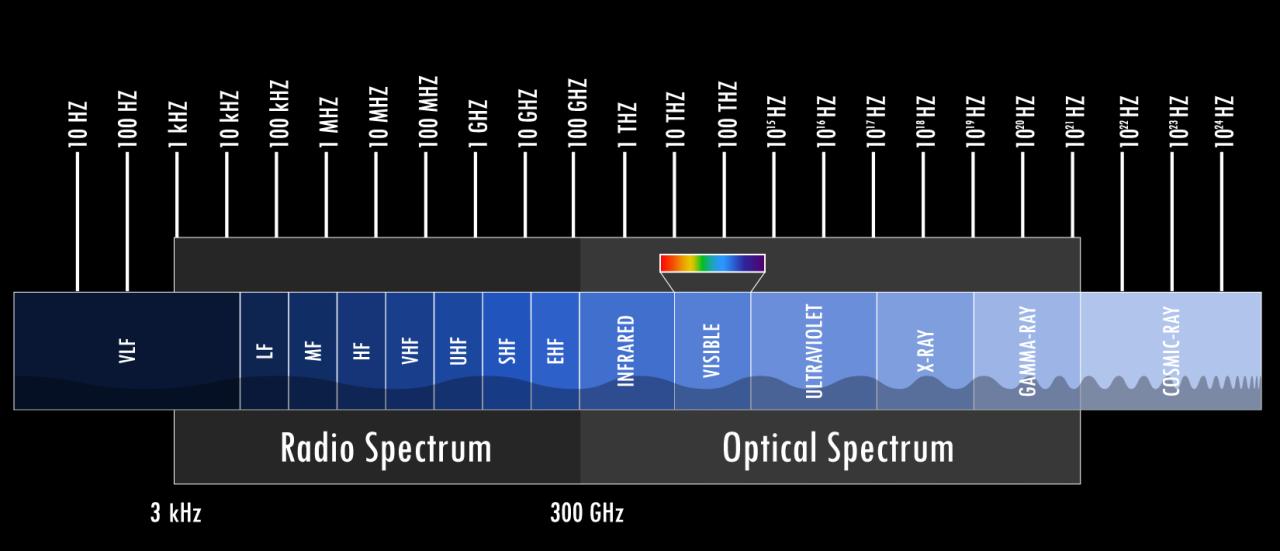
RF (Radio Frequency) systems encompass technologies that use frequencies in the electromagnetic spectrum between 3 kHz and 300 GHz for data transmission communication and signal processing. These systems have a wide range of applications extending from wireless communication and medical devices to the defense industry and space technologies. RF technology holds importance due to its foundational role in modern communication infrastructure and its critical function in key sectors. In particular, innovative technologies such as 5G the Internet of Things (IoT) and smart city applications have accelerated the development of RF systems.

History

The foundation of RF systems lies in the mathematical formulation of electromagnetic theory by James Clerk Maxwell in the 19th century and the experimental confirmation of radio waves by Heinrich Hertz between 1886 and 1888. In the early 20th century Guglielmo Marconi brought RF technology into practical use by achieving transatlantic communication using radio waves. In Türkiye the first radio broadcast began in 1927 with Istanbul Radio and expanded nationwide with the establishment of Ankara Radio in the 1940s. During the Cold War RF based systems played a critical role in the communication and radar infrastructure of the Turkish Armed Forces. In the 2000s Türkiye focused on developing indigenous RF solutions through institutions such as ASELSAN and TÜBİTAK.

Technical Characteristics and Operating Principles

RF systems fundamentally consist of components such as transmitters receivers antennas and modulation circuits. The transmitter converts audio video or data into electromagnetic waves for transmission while the receiver demodulates these waves to recover the original signal. The propagation of RF waves is influenced by factors such as frequency medium conductivity atmospheric conditions and obstacles. For example high frequency waves (in the GHz range) are effective over short distances while low frequencies (kHz-MHz) can reach long distances.
Modulation Techniques

  • AM (Amplitude Modulation): The amplitude of the signal is varied according to the information (used in traditional radio broadcasting).
  • FM (Frequency Modulation): The frequency of the signal is adjusted according to the information (used for high quality audio transmission).
  • PM (Phase Modulation): Data is transmitted by altering the phase angle of the signal (used in satellite communication).

Frequency Bands

  • LF (Low Frequency): 30-300 kHz (maritime communication).
  • HF (High Frequency): 3-30 MHz (radio signals).
  • SHF (Super High Frequency): 3-30 GHz (5G and satellite communication).

Spektrum Bandı - NASA

Applications

Telecommunications

  • 5G and 6G Technologies: Millimeter wave (mmWave) frequencies (24-100 GHz) are used for high-speed data transmission.
  • Satellite Communication: TV broadcasts GPS and meteorological data are transmitted via RF based systems.

Defense Industry

  • Radar Systems: Air defense radar and missile tracking systems.
  • Electronic Warfare: Technologies for disrupting or mimicking enemy signals (jamming).

Medicine

  • MRI Imaging: RF waves are used to excite atomic nuclei in magnetic resonance imaging.
  • RF Ablation: A technique for tissue destruction used in treating cardiac arrhythmias and tumors.

Industrial Applications

  • Plastic Welding: Joining plastic materials using high frequency RF energy.
  • Food Sterilization: Elimination of bacteria using RF based systems such as microwave ovens.

RF Systems and Indigenous Technologies in Türkiye

ASELSAN

  • Tactical Radio Systems (BORA-2020): Secure and encrypted military communication.
  • MİLDAR Radar: Indigenous air surveillance radar.

TÜBİTAK

  • UEKAE (National Electronics and Cryptology Research Institute): RF based cybersecurity and signal processing solutions.
  • 5G and Beyond Research: RF chip designs for indigenous 5G infrastructure.
  • Information and Communication Technologies Authority (BTK): Regulates RF spectrum management and frequency allocation policies.

Key Figures and Contributions

  • Heinrich Hertz (1857-1894): Experimentally confirmed the existence of radio waves.
  • Nikola Tesla (1856-1943): Laid the foundation for RF technology through high frequency alternating current generators.
  • Prof. Dr. Erdal Arıkan: Enhanced the data transmission efficiency of 5G through polar coding theory.
  • Prof. Dr. İbrahim Kavrakoğlu: Conducted international research in RF engineering and antenna design.

Impacts and Regulations

  • Health Effects: The World Health Organization (WHO) classifies high level RF exposure as Group 2B (possibly carcinogenic).
  • Environmental Effects: The impact of RF waves on natural ecosystems such as bee populations is under investigation.
  • Regulations in Türkiye: The BTK limits RF emissions from base stations and devices through the "Regulation on Electromagnetic Field Intensity Limit Values".


Bibliographies

ASELSAN. 2023. Savunma Sanayii Teknolojileri Kataloğu. Accessed.

IEEE Xplore. 2019. Challenges in On-Chip Antenna Design and Integration With RF Receiver Front-End Circuitry in Nanoscale CMOS for 5G Communication Systems. Accessedhttps://ieeexplore.ieee.org/document/8668762/.

TÜBİTAK UEKAE. 2022. RF ve Sinyal İşleme Raporu. Accessedhttps://bilgem.tubitak.gov.tr/uekae/.

Türk Dil Kurumu (TDK). 2023. Bilim ve Sanat Terimleri Ana Sözlüğü: RF Sistemleri. Ankara: Türk Dil Kurumu Yayınları.

World Health Organization (WHO). 2020. Electromagnetic Fields. Accessed [insert date in Month Day, Year format].https://www.who.int/health-topics/electromagnetic-fields

Author Information

Avatar
AuthorMuhammed Fatih GöksünJuly 14, 2026 at 5:29 PM

Discussions

No Discussion Added Yet

Start discussion for "RF Systems" article

View Discussions

Contents

  • History

  • Technical Characteristics and Operating Principles

    • Modulation Techniques

    • Frequency Bands

  • Applications

    • Telecommunications

    • Defense Industry

    • Medicine

    • Industrial Applications

  • RF Systems and Indigenous Technologies in Türkiye

    • ASELSAN

    • TÜBİTAK

  • Key Figures and Contributions

    • Impacts and Regulations