


This article was automatically translated from the original Turkish version.
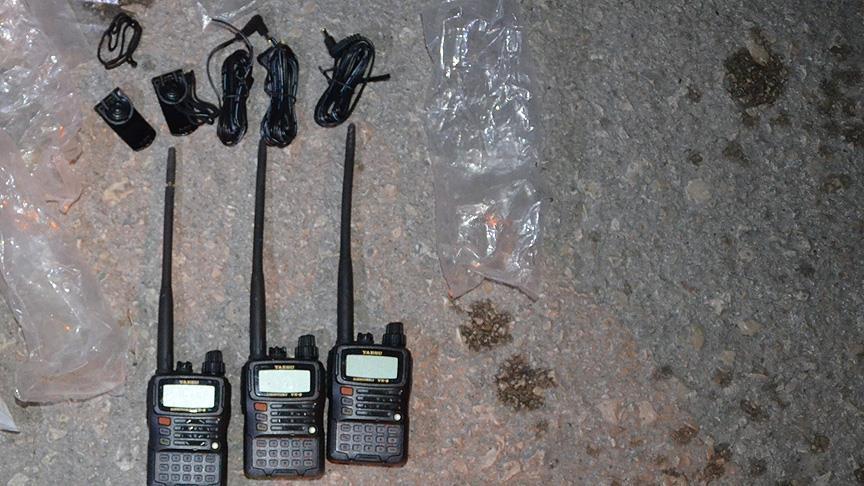
Radio Technology
Standard | APCO-25 TETRA | ||||||||
|---|---|---|---|---|---|---|---|---|---|
Field of Use | Disaster management Health Police Military communication Fire department Public safety | ||||||||
Radio is a communication system that enables wireless transmission of voice and data through electromagnetic waves. Devices that integrate both transmitter and receiver hardware within a single unit are called “radio.” Communication is carried out using analog or digital signals over specific frequency bands. Radio systems can operate in direct communication (simplex), two-way alternate communication (half-duplex), or simultaneous two-way communication (full-duplex) modes.
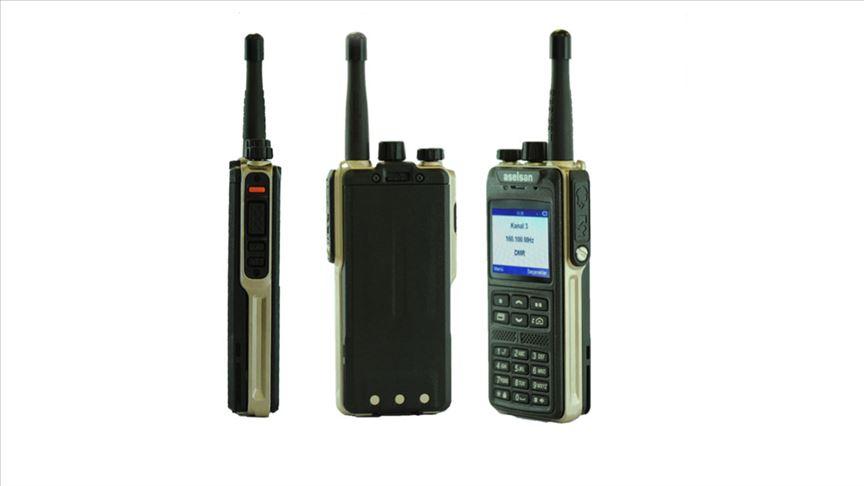
Telsiz (Anadolu Ajansı)
Radio communication began in 1895 when Guglielmo Marconi transmitted the first wireless radio signal. In the early 20th century, radios used primarily in military and maritime applications gradually expanded into civil aviation, security, transportation, and personal communication. The technology experienced rapid development after World War II and gained widespread adoption from the 1970s onward with the introduction of portable devices.
The first generation of radio systems were analog and provided only voice communication. These systems were gradually replaced by digital radio systems due to their susceptibility to interference and eavesdropping. Digital systems offer advantages such as higher quality with lower bandwidth, encrypted communication, data transmission, and group messaging.
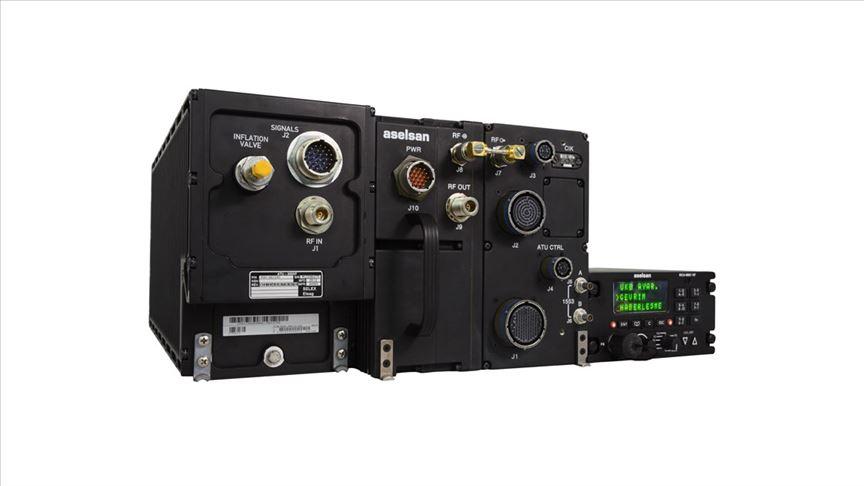
Aselsan marka askeri telsiz (Anadolu Ajansı)
Radio devices operate within frequency bands defined by national and international regulations. The most common frequency ranges for general use are:
The use of these bands is regulated either with or without a license in most countries.
Next-generation radio technologies are advancing through artificial intelligence-assisted signal optimization, PTT systems operating over 5G infrastructure, and software-defined radio (SDR) architectures. Simultaneously, radio systems integrated with drones, robotic systems, and IoT devices are creating new communication opportunities in defense and industrial sectors.
Sayan, Ömer Fatih. *Haberleşmede Millî Teknoloji Hamlesi.* TÜBA Bilim ve Teknoloji Raporları, 2022.Accessed Adresi.
Türkiye Radyo Amateurs Society (TRAC). "Telsiz Nedir ve İcadı."Accessed Adresi.
Şahin, Fatih. “Telsiz Haberleşme Standartları.” *İstanbul Aydın Üniversitesi Dergisi* 5, no. 18 (2015): 1–12.Accessed Adresi.
“KATES: Kamu Telsiz Haberleşme Sistemi Önerisi.” *Polis Dergisi.*Accessed Adresi.

Radio Technology
Standard | APCO-25 TETRA | ||||||||
|---|---|---|---|---|---|---|---|---|---|
Field of Use | Disaster management Health Police Military communication Fire department Public safety | ||||||||
Historical Development
Analog and Digital Radio Systems
Critical Application Areas
Frequency Bands and Regulations
Modern Standards and Technologies
Advantages
Disadvantages