


This article was automatically translated from the original Turkish version.

The soil of Anatolia, shaped by the turbulent currents of the Euphrates, the rocky cliffs of the Taurus Mountains, and the flatlands of Çukurova, is forged by the flags of justice, injustice, and rebellion against oppression. Centuries ago, during the Ottoman dynasty’s rule over Anatolia, we learn from textbooks of the Celali Rebellions—uprisings that exploited the state’s weak authority to impose order against social injustice, all in pursuit of personal gain. Figures such as Köroğlu and Dadaloğlu, immortalized in folk tales as heroes, became the subject of rumors that portrayed them as bringers of justice in places beyond the reach of the state. As time progressed into the 19th century, the growing power of landowners within the state gave rise to feudalism and the emergence of a working class in Anatolia. This landlord system was further strengthened during the Republican era.
Stories abound of landowners inflicting cruelty and injustice upon workers and peasants. Wherever oppression and injustice prevailed, a recurring character emerged in opposition to it. These figures exploited the absence of legal order to establish local mini-states. They demanded tribute from travelers, raided villages to seize food and supplies, and in return offered protection to the people. If any injustice or lawlessness occurred in their territory, they resolved it. As a result, the figures we call outlaws were born. At times, this dynamic reversed: outlaws came under the command of landowners and became groups that oppressed rather than protected the people.
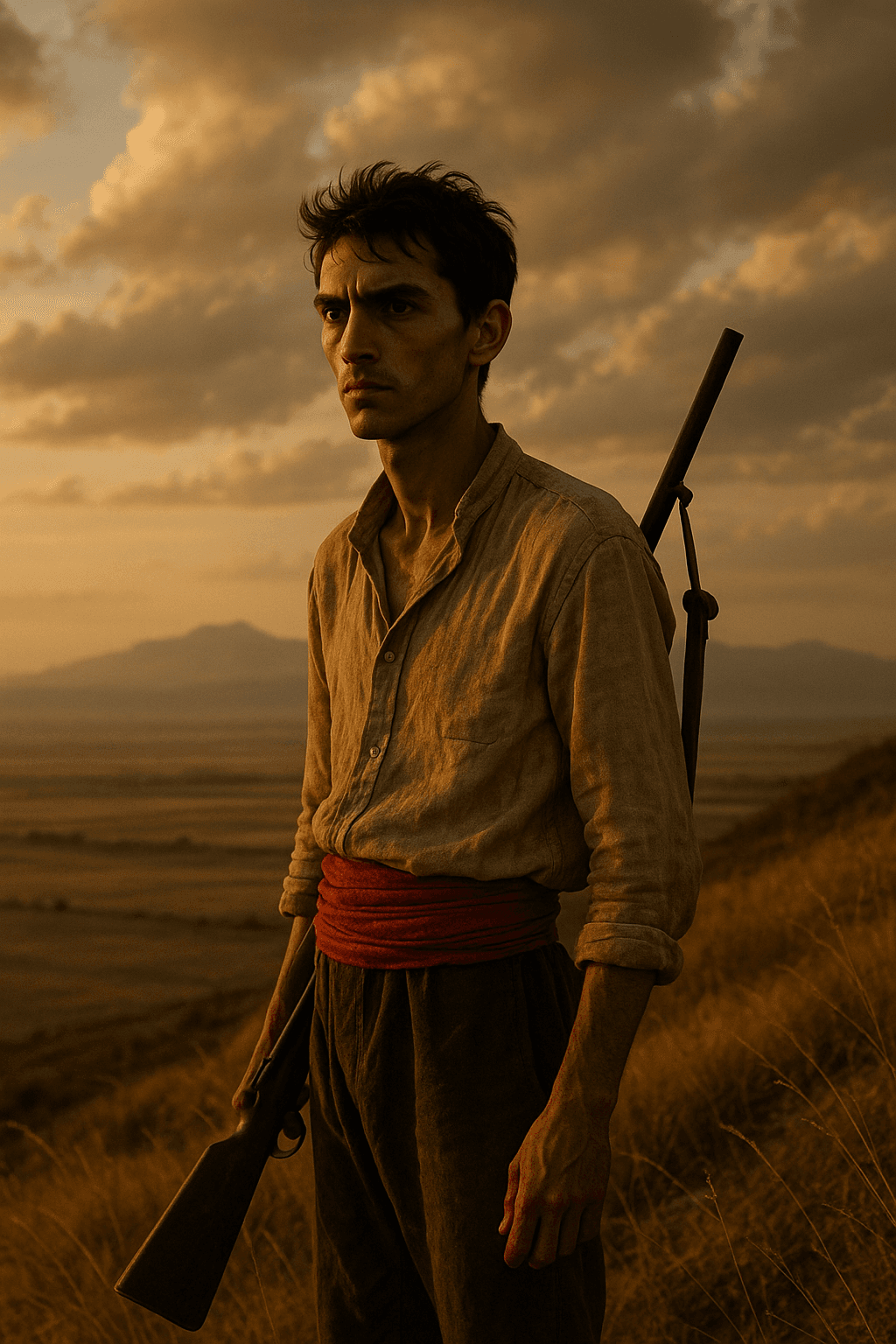
Ince Mehmed Portrait (generated by artificial intelligence)
In Turkish literature, the theme of social justice has been explored through numerous characters and motifs. Among these, the most significant and the one I will examine is Yaşar Kemal’s novel İnce Memed, which portrays an outlaw who became legendary on the fertile lands of Çukurova.
In Turkish literature, the theme of social justice has also been addressed through many different characters and themes. The most important work I will discuss is Yaşar Kemal’s novel “İnce Memed”. İnce Memed, an outlaw who became legendary on the fertile lands of Çukurova, is one of the strongest representatives of this theme.
İnce Memed’s story begins when he takes to the mountains to resist the tyranny of Abid Ağa in his quest to reunite with his beloved. In his confrontations with the gendarmerie, he seeks to wound rather than kill. Along his journey, the characters he encounters strengthen his understanding of social justice. Memed becomes the symbol of hope for the people of Çukurova through communal solidarity, yet he faces both loyalty and betrayal along the way. The novel depicts how deeply the state has been corrupted in the region through its gendarmes, while a subdistrict governor character represents those who resist this corruption.
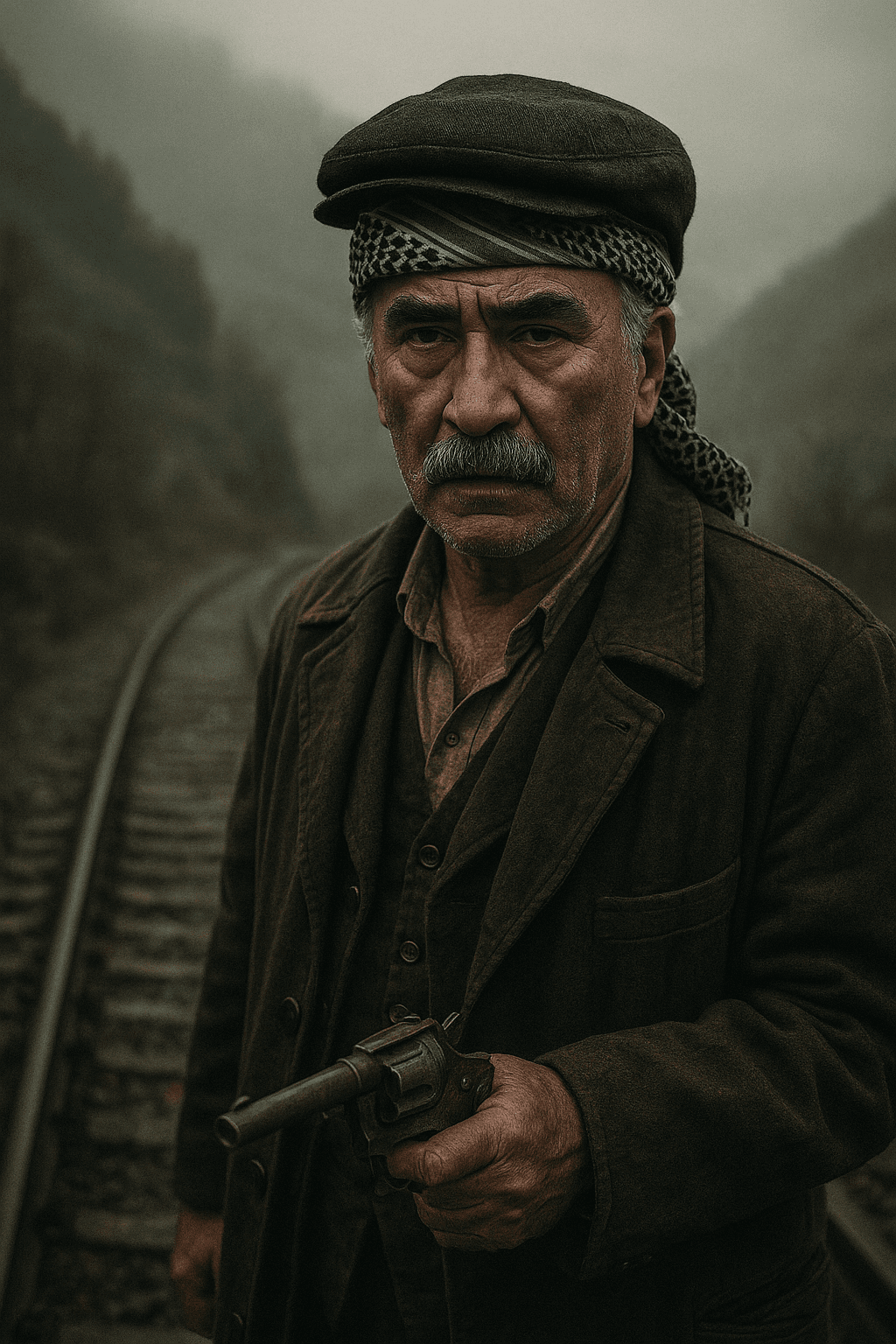
Baran Portrait (generated by artificial intelligence)
We can also see this same worldview in the film Eşkıya, directed by Yavuz Tuğrul in the 1940s. In Turkish cinema, the theme of social justice has likewise been explored through many characters and motifs. Among these, the film Eşkıya and its protagonist Baran stand out most prominently. Through his journey of betrayal and revenge, we clearly witness the decay of society’s corrupt factions. This time, our story unfolds not among steep cliffs but in the rusted streets of the city. Baran, who comes from the mountains to the city after 35 years in prison, is swept into the chaos of a world that has changed beyond recognition. The turbulent waters of the Euphrates have given way to the hypocritical and shameless people of the city. In truth, nothing has changed. Baran sees that the same dynamics that govern the mountains also govern the city: he rescues his friend from the clutches of a loan shark, makes peace with his enemy for his friend’s sake, bows before the woman he loves, and preserves his honor. Yet betrayal, as it was in the mountains 35 years ago, operates in the same way in the city. Throughout this journey, social justice is again sought and secured by the people themselves. When the state remains powerless, outlaws—whether in the mountains or the city—pursue what they believe to be right.
In conclusion, one of these works has become a masterpiece of Turkish literature, while the other sparked a revolution in Turkish cinema. We can say this without even considering their technical merits. There is no difference between İnce Memed and Baran in their fight for what they believe is just. Indeed, this journey is born from the people and ends within them. Anatolia, which gave rise to characters striving to fulfill the necessity of social justice, elevates these outlaws to the status of heroes in the eyes of the people, regardless of whether they come from the city or the countryside.