

`yasar-kemal` Related Article Results

Deniz Küstü (Book)
Yaşar Kemal’s novel Deniz Küstü (The Sea Sulked), published in 1973, is a work that narrates the Anatolian peasant’s struggle with nature and social structures. The novel thematically explores the human relationship with nature, especially the sea, along with hope, despair, and resistance. Content and Theme The main theme of the novel is the impact of the sea on people and the complexity of the relationship established with it. The sea is depicted both as a source of life and as a hostile, alien
EN
Nida Üstün
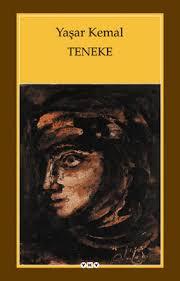
Tin (Book)
Teneke is a novel published by Yaşar Kemal in 1955. It is regarded as one of the author’s early works and stands as one of the significant examples of social realism in Turkish literature. The novel addresses a social conflict set in the rural areas of Çukurova. Throughout the narrative, it explores the利益关系 between powerful landowners and state officials, as well as the struggles of the peasants. Thematically, the work can be grouped under the main headings of land ownership, justice, power and
ENNida Üstün
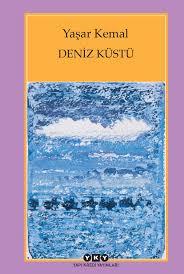
Deniz Küstü (Kitap)
Yaşar Kemal’in 1973 yılında yayımlanan Deniz Küstü adlı romanı, Anadolu’nun yoksul köylüsünün doğayla ve toplumsal yapıyla olan mücadelesini epik bir dille anlatan güçlü bir eserdir. Roman, insanın doğayla, özellikle de denizle kurduğu ilişkiyi, umudu, çaresizliği ve direnişi tematik eksenlere oturtur. Deniz Küstü, Yaşar Kemal’in Anadolu insanını ve onların yaşadığı doğa koşullarını yansıtma ustalığının önemli örneklerinden biridir. İçerik ve Tema Romanın ana teması, denizin insanlar üzerindeki
TRNida Üstün
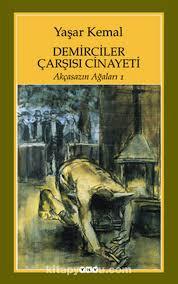
Demirciler Çarşısı Cinayeti (Kitap)
Yaşar Kemal’in 1977 yılında yayımlanan Demirciler Çarşısı Cinayeti adlı eseri, Anadolu’nun küçük bir kasabasındaki toplumsal gerilimler, adalet arayışı ve bireysel vicdanın sorgulanması üzerinden insan doğasını derinlemesine inceler. Roman, Yaşar Kemal’in folklorik anlatımı ve toplumsal eleştirisiyle dikkat çeker. İçerik ve Tema Roman, demirciler çarşısında gerçekleşen bir cinayetin ardından açılan soruşturma ve bu süreçte kasaba halkının yaşadığı sosyal çatışmalar üzerine kuruludur. Eserde, ada
TRNida Üstün
Sea Coast (Book)
Yashar Kemal’s 1973 novel Deniz Küstü is a powerful work that narrates in epic language the struggle of Anatolia’s impoverished villagers with nature and social structures. The novel centers on the relationship between humans and nature—particularly the sea—thematizing hope, helplessness, and resistance. Deniz Küstü stands as one of the most significant examples of Yaşar Kemal’s mastery in reflecting the Anatolian people and their natural environment. Content and Themes The central theme of the
ENNida Üstün
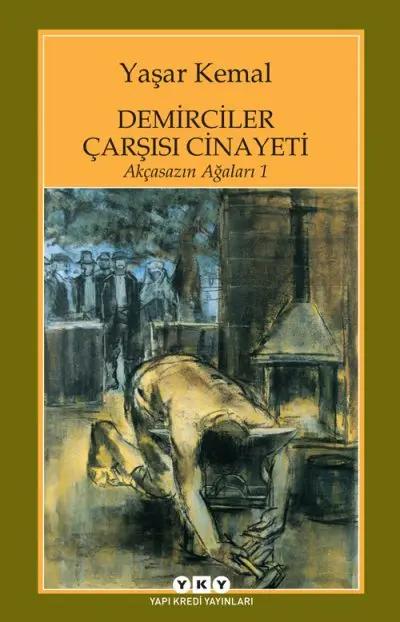
Demirciler Çarşısı Cinayeti (Book)
Yaşar Kemal’s 1977 work Demirciler Çarşısı Cinayeti deeply examines human nature through social tensions in a small Anatolian town, the pursuit of justice, and the questioning of individual conscience. The novel stands out for Yaşar Kemal’s folkloric narrative style and social critique. Content and Theme The story is centered around a murder that takes place in the blacksmiths’ market and the subsequent investigation, focusing on the social conflicts experienced by the townspeople during this pr
ENNida Üstün
 Ye
YeYer Demir Gök Bakır: Taşbaş Menkıbesi
Yer Demir Gök Bakır【1】 novel attributes miracles to Taşbaş, which gradually become legendary, transforming Taşbaş into a mythical hero or a figure from a religious folk tale. In the sections where Kel Aşık appears, the oral tradition’s performance and transmission by minstrels are evident. During the narrative’s timeline, the transmission of the oral tradition and the formation process of Taşbaş’s story unfold simultaneously, creating a parallel. Kel Aşık’s function in the novel is both to estab
EN
Meryem Şentürk Çoban
Teneke (Kitap)
Teneke, Yaşar Kemal tarafından 1955 yılında yayımlanan bir romandır. Eser, yazarın erken dönem yapıtlarından biri olarak kabul edilir ve Türk edebiyatında toplumsal gerçekçilik akımının önemli örneklerinden biridir. Roman, Çukurova’nın kırsal kesiminde geçen bir toplumsal çatışmayı konu alır. Toplumun güçlü toprak ağaları ve devlet görevlileri arasındaki çıkar ilişkileri ile köylülerin mücadelesi eser boyunca işlenir. Tematik olarak, toprak mülkiyeti, adalet, iktidar ve baskı, toplumsal dayanışm
TRNida Üstün
YeYer Demir Gök Bakır’da Taşbaş Menkıbesi
Yer Demir Gök BakırYaşar Kemal, Yer Demir Gök Bakır (1. basım Güven Yayınevi, 1963) ">【1】 romanında Taşbaş’a atfedilen kerametler efsaneleşmekte, Taşbaş da efsanevi bir kahramana veya dini konulu bir halk hikâyesi kahramanına dönüşmektedir. Kel Aşık’ın ortaya çıktığı bölümlerde sözlü geleneğin aşıklar tarafından icrası ve aktarımı görülmektedir. Öykü zamanında hem sözlü geleneğin aktarımı hem de Taşbaş hikâyesinin oluşum süreci eş zamanlı yaşanarak bir paralellik kurulmuştur. Kel Aşık’ın roma
TRMeryem Şentürk Çoban

Rebellion Flag: Baran and İnce Memed as Outlaw Archetypes
The soil of Anatolia, shaped by the turbulent currents of the Euphrates, the rocky cliffs of the Taurus Mountains, and the flatlands of Çukurova, is forged by the flags of justice, injustice, and rebellion against oppression. Centuries ago, during the Ottoman dynasty’s rule over Anatolia, we learn from textbooks of the Celali Rebellions—uprisings that exploited the state’s weak authority to impose order against social injustice, all in pursuit of personal gain. Figures such as Köroğlu and Dadalo
EN
Bilal Çolak