


This article was automatically translated from the original Turkish version.
+1 More
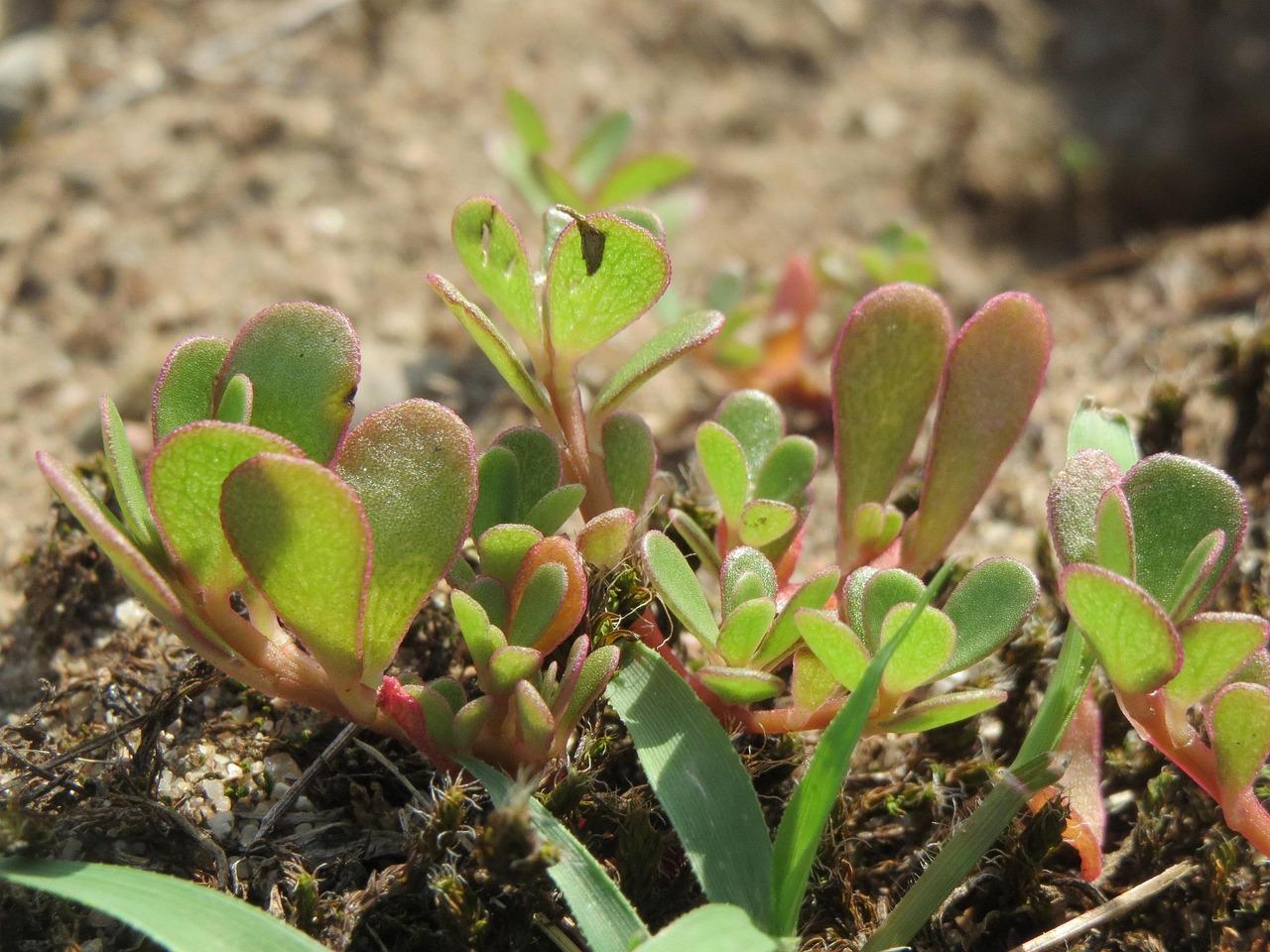
Semiz Otu (Oleracea L.)
Semiz Otu
Scientific Name(s) | Portulaca oleracea L. | ||||||||
|---|---|---|---|---|---|---|---|---|---|
Family | Portulacaceae | ||||||||
Area(s) of Use | Nutrition Traditional medicine Medicinal plant | ||||||||
Semizotu (Portulaca oleracea L.) is an annual, herbaceous plant belonging to the Portulacaceae (purslane family). This species has a wide distribution and is found both in its wild form in nature and cultivated as a vegetable. Known primarily for its use in salads and dishes, semizotu also possesses significant medicinal and pharmacological potential. Due to its content of omega-3 fatty acids, phenolic compounds, vitamins, and minerals, it is a valuable plant in terms of nutrition and public health.
Semizotu is a prostrate-stemmed, fleshy-leaved plant with yellow flowers. Its leaves are arranged alternately or spirally, oval-shaped, and thick-textured. The stem is typically reddish in color and grows horizontally along the soil surface. The plant usually flowers during the summer months and produces numerous small, black seeds within capsule fruits. The seeds are 0.5 mm in diameter, glossy, and black. They exhibit high germination capacity and grow rapidly under favorable conditions. Its drought tolerance enables it to thrive easily in many regions.
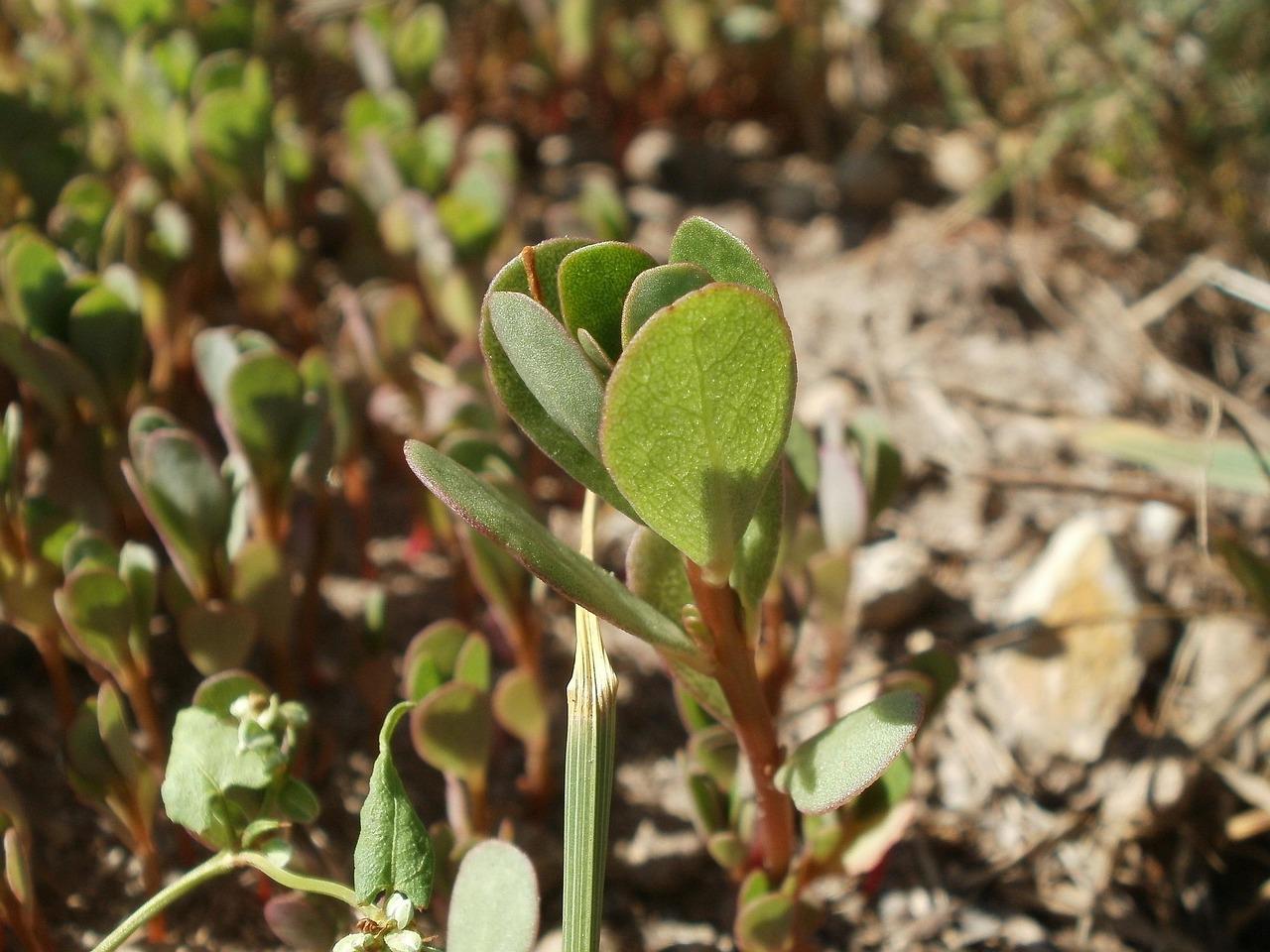
Semiz OtuPixabay
Semizotu contains high levels of water (92–93%), dietary fiber, vitamin C, vitamin E, β-carotene, omega-3 fatty acids (particularly alpha-linolenic acid), flavonoids, and various phenolic compounds. It is also rich in essential minerals such as potassium, magnesium, calcium, and iron.
The plant is particularly rich in linolenic acid, a feature that distinguishes it from other vegetables. Given the known cardioprotective effects of omega-3 fatty acids, semizotu is regarded as an important natural source of these nutrients.
Rich in phenolic compounds, semizotu is also a valuable natural source of antioxidants. The plant exhibits high total phenolic and flavonoid content and demonstrates the ability to reduce the effects of free radicals. This property makes semizotu potentially beneficial in combating cellular aging, immune system disorders, and certain chronic diseases.
Research has shown that roasting semizotu seeds alters their total phenolic and flavonoid content and can influence their fatty acid profile. This processing method directly affects bioavailability and chemical composition.
Semizotu can be consumed raw or cooked. It is commonly used in salads, mixed with yogurt, or incorporated into various dishes. Its mild sour taste and refreshing quality make it a popular choice during summer months.
In traditional medicine, semizotu has been used as a diuretic, antipyretic, and blood purifier. Modern research supports its anti-inflammatory and antioxidant properties. The biological effects of its phenolic compounds are particularly significant in this context.
Semizotu is an easy-to-cultivate, low-maintenance plant. Propagation by seed is common. While it is not highly selective about soil type, it grows more productively in well-drained soils rich in organic matter. It exhibits faster growth under warm climatic conditions.
Accessed November 26, 2025.
Güngören, Muhammed, Sinan Saydam, and Fikret Karataş. “Farklı Yörelerdeki Yabani Semizotu (Portulaca oleracea L.) ile Kültür Ortamında Yetiştirilmiş Semizotunun In Vitro Antioksidatif Kapasitesinin Belirlenmesi.” Fırat Üniversitesi Fen Bilimleri Dergisi 29, no. 2 (2017): 15–22. Accessed https://dergipark.org.tr/tr/download/article-file/343623
Gürses, Ömer L., and Nevzat Artık. “Pazı, Ebegümeci, Semizotu ve Ispanak Sebzelerinin Bileşimi Üzerine Araştırmalar.” Gıda 9, no. 2 (April 1, 1984). Accessed https://dergipark.org.tr/en/download/article-file/78619
Semiz Otu (Portulaca Oleracea L.). Pixabay. Accessed June 23, 2025.
Tunçtürk, Rüveyde. “Fonksiyonel Gıda Olarak Tüketilen Semizotunun (Portulaca oleracea L.) Tıbbi Bitki Olarak Değerlendirilmesi.” Turkish Journal of Scientific Reviews (Türk Bilimsel Derlemeler Dergisi), no. 1 (February 2013): 101–103. Accessed https://dergipark.org.tr/en/download/article-file/417831
“Portulaca oleracea, Purslane, Little Hogweed.” Pixabay, July 15, 2015. Accessed June 23, 2025.

Semiz Otu (Oleracea L.)
Semiz Otu
Scientific Name(s) | Portulaca oleracea L. | ||||||||
|---|---|---|---|---|---|---|---|---|---|
Family | Portulacaceae | ||||||||
Area(s) of Use | Nutrition Traditional medicine Medicinal plant | ||||||||
No Discussion Added Yet
Start discussion for "Purslane (Portulaca oleracea L.) " article
Botanical Characteristics
Composition and Nutritional Value
Fatty Acid Profile
Fenolic Content and Antioxidant Activity
Effect of Roasting
Uses
Nutrition
Medicinal Use
Agriculture and Cultivation