This article was automatically translated from the original Turkish version.
Perseverance Mars Rover
Mission Name | Mars 2020 | ||||||||
|---|---|---|---|---|---|---|---|---|---|
Developing Institution | NASA – Jet Propulsion Laboratory (JPL) | ||||||||
Landing Site | Jezero Crater, Mars | ||||||||
Launch Date | 30 Temmuz 2020 | ||||||||
Landing Date | 18 Şubat 2021 | ||||||||
Launch Vehicle | Atlas V 541 Rocket | ||||||||
Launch Site | Cape Canaveral Space Force Station, Florida | ||||||||
Mission Duration (Planned) | One Mars Year (Approximately 687 Earth Days) | ||||||||
Mission Duration (Extended) | As of 2025, the Mission Is Still Active and Ongoing | ||||||||
Length | Approximately 3 Meters | ||||||||
Width | Approximately 2.7 Meters | ||||||||
Height | Approximately 2.2 Meters | ||||||||
Mass | 1.025 Kilograms | ||||||||
System | MMRTG (Multi-Mission Radioisotope Thermoelectric Generator) | ||||||||
Fuel | Plutonium-238 | ||||||||
Initial Power | Approximately 110 Watts of Electricity | ||||||||
Lifetime | 14+ Years | ||||||||
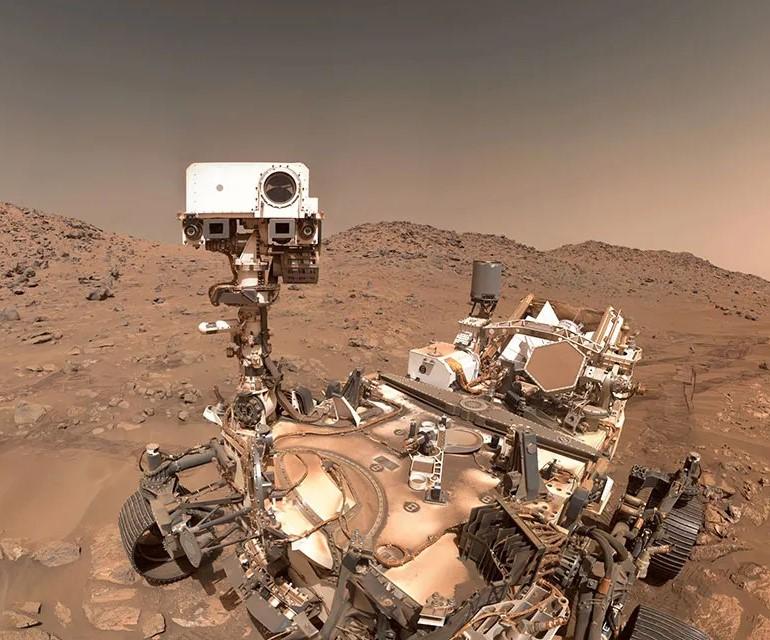
Perseverance is a rover vehicle developed as part of NASA’s Mars 2020 mission and landed on the Red Planet on February 18, 2021. Its primary objectives are to search for signs of ancient astrobiological life on the Martian surface, analyze regions that may have once supported life, gather data about Mars’ geology and climate, and prepare for future human missions. Perseverance was designed based on lessons learned from NASA’s previous Mars missions.
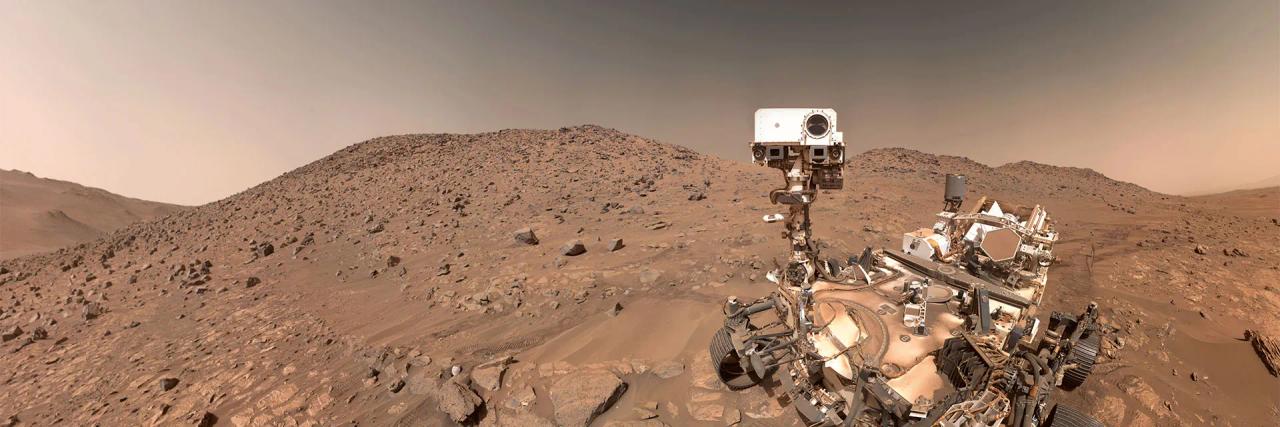
Perseverance Mars Rover (NASA)
Perseverance has a chassis similar to NASA’s previous rover, Curiosity, but with several structural improvements. The vehicle is approximately 3 meters long, 2.7 meters wide and 2.2 meters high. Its weight is about 1,025 kilograms.
Perseverance meets its energy needs using a Multi-Mission Radioisotope Thermoelectric Generator (MMRTG). This system converts heat from the natural decay of plutonium-238 into electrical energy. The MMRTG is essential for long-term operation under Mars’ harsh conditions and provides a more stable power source compared to solar energy.
The rover is equipped with six wheels, each capable of independent movement. This design enables high maneuverability across rugged terrain. Its suspension system is of the “rocker-bogie” type, which helps maintain stability on the Martian surface.
Perseverance Mars Rover Driving Path Animation (YouTube)
SuperCam, which combines a high-resolution camera, laser, and spectrometer systems, analyzes the composition of rocks and soil samples. It enables microscopic examination of the surface through laser pulses.
This system uses an ultraviolet laser to detect organic compounds and minerals. It also scans for molecules of biological significance that could indicate potential signs of life.
PIXL, an X-ray fluorescence spectrometer, determines the chemical composition of surface rocks. It has the capability to analyze at sub-millimeter resolution.
MOXIE is a technology demonstration instrument that produces oxygen from carbon dioxide in the Martian atmosphere. It represents a critical step toward supporting human life and generating fuel for future missions.
RIMFAX, a ground-penetrating radar system, maps subsurface structures and provides information about features up to 10 meters deep.
One of Perseverance’s main goals is to search for traces of past life on Mars. For this purpose, Jezero Crater was selected because it once hosted an ancient river delta and contains geomorphological evidence of past water presence.
The rover collects rock and soil samples and stores them in specialized capsules. These samples are planned to be returned to Earth by a future mission as part of the Mars Sample Return program.
Building a Rock Collection Containing Mars Atmosphere and Loose Surface Material Samples (YouTube)
Systems like MOXIE are being tested for their potential to support life-sustaining infrastructure on Mars. Additionally, Perseverance’s landing system and overall operations provide valuable data for testing technologies intended for human missions.
Ingenuity, a small helicopter deployed alongside Perseverance, became the first vehicle to achieve controlled flight on another planet. This technology demonstration proved that aviation is feasible in the Martian atmosphere. The helicopter plays a supportive role in exploring the areas surrounding Perseverance.
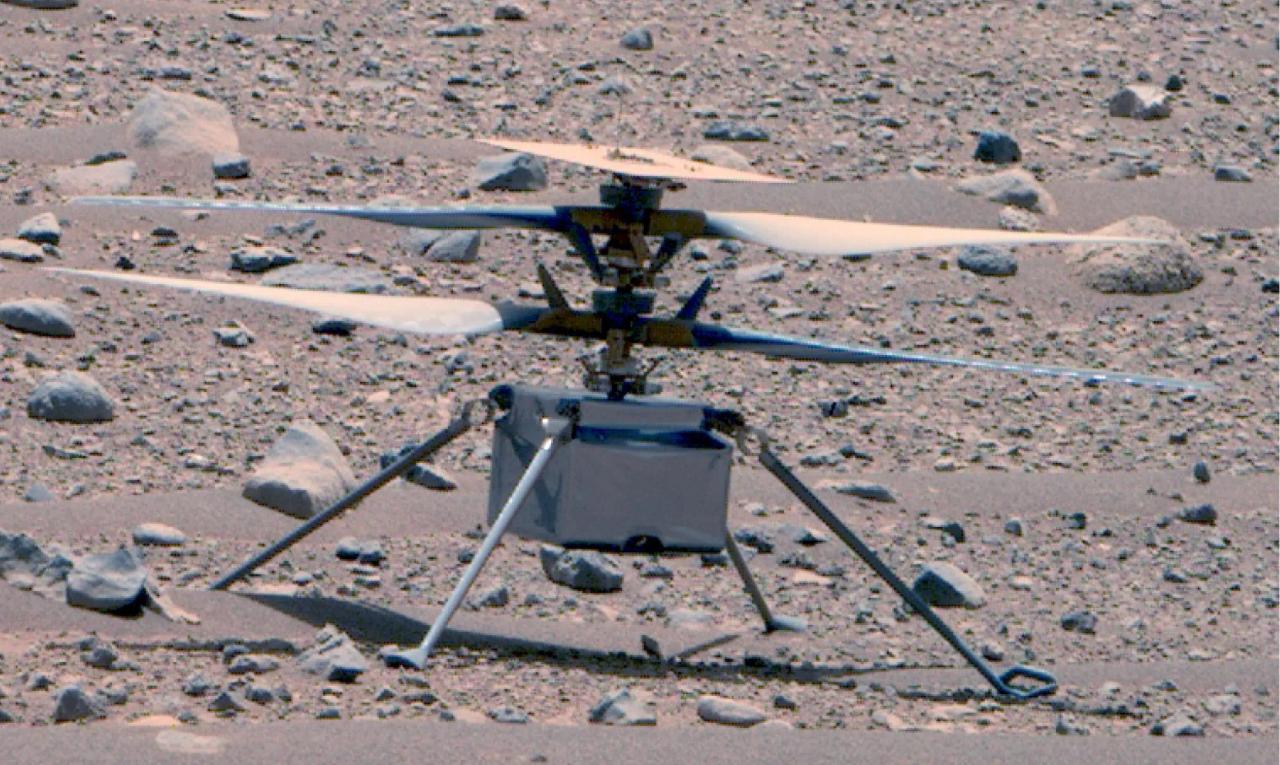
Ingenuity Helicopter (NASA)
Perseverance has confirmed the presence of sedimentary rocks during its surface surveys in Jezero Crater, providing evidence that water once persisted in this region. Organic molecules have been detected in some rocks, though their biological origin has not yet been determined.
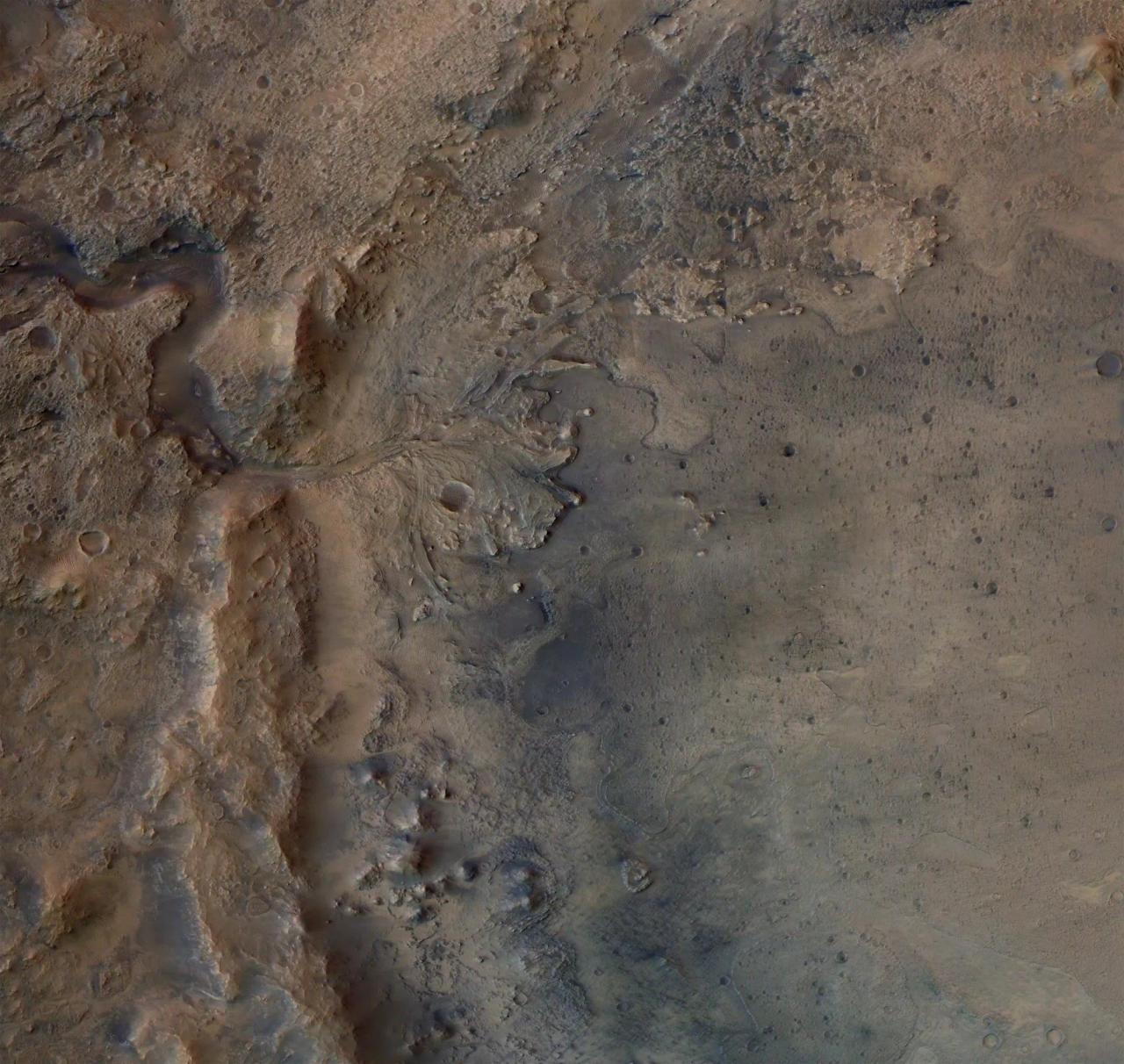
Showing Remnants of an Ancient Delta in Jezero Crater, Mars, in Search of Fossilized Microbial Life Signs (NASA)
Additionally, the MOXIE system has successfully produced oxygen from the Martian atmosphere. This achievement demonstrates the feasibility of in-situ resource utilization on Mars.
Perseverance is one of the most important vehicles in the history of Mars exploration. With its advanced technology and multifaceted scientific objectives, it is providing new and detailed data about Mars. It serves as a critical experimental platform for astrobiology, geology, atmospheric science and engineering. The data it collects are crucial for understanding Mars’ evolution and planning future human missions.
NASA. "Location Map." NASA Science. Accessed June 19, 2025.https://science.nasa.gov/mission/mars-2020-perseverance/location-map/.
NASA. "Mars Rock Samples." NASA Science. Accessed June 19, 2025.https://science.nasa.gov/mission/mars-2020-perseverance/mars-rock-samples/.
NASA. “Devils in Details in Selfie Taken by NASA’s Mars Perseverance Rover.” NASA.gov. Accessed June 19, 2025.https://www.nasa.gov/missions/mars-2020-perseverance/perseverance-rover/devils-in-details-in-selfie-taken-by-nasas-mars-perseverance-rover/
NASA. “Mars 2020 Perseverance.” NASA Science. Accessed June 19, 2025.https://science.nasa.gov/mission/mars-2020-perseverance/
NASA. “NASA’s Perseverance Mars Rover to Take Bite out of ‘Krokodillen.’” NASA.gov. Accessed June 19, 2025.https://www.nasa.gov/missions/mars-2020-perseverance/perseverance-rover/nasas-perseverance-mars-rover-to-take-bite-out-of-krokodillen/
YouTube. "How NASA’s Perseverance Mars Rover Will Collect Rock Samples." YouTube, published by NASA Jet Propulsion Laboratory, July 28, 2020. Accessed June 19, 2025.https://www.youtube.com/watch?v=JWJfiYCo8ao
YouTube. "Perseverance Rover’s First Year on Mars in Two Minutes | NASA." YouTube, published by NASA Jet Propulsion Laboratory, February 16, 2022. Accessed June 19, 2025.https://www.youtube.com/watch?v=iIJcqiqYXG8

Perseverance Mars Rover
Mission Name | Mars 2020 | ||||||||
|---|---|---|---|---|---|---|---|---|---|
Developing Institution | NASA – Jet Propulsion Laboratory (JPL) | ||||||||
Landing Site | Jezero Crater, Mars | ||||||||
Launch Date | 30 Temmuz 2020 | ||||||||
Landing Date | 18 Şubat 2021 | ||||||||
Launch Vehicle | Atlas V 541 Rocket | ||||||||
Launch Site | Cape Canaveral Space Force Station, Florida | ||||||||
Mission Duration (Planned) | One Mars Year (Approximately 687 Earth Days) | ||||||||
Mission Duration (Extended) | As of 2025, the Mission Is Still Active and Ongoing | ||||||||
Length | Approximately 3 Meters | ||||||||
Width | Approximately 2.7 Meters | ||||||||
Height | Approximately 2.2 Meters | ||||||||
Mass | 1.025 Kilograms | ||||||||
System | MMRTG (Multi-Mission Radioisotope Thermoelectric Generator) | ||||||||
Fuel | Plutonium-238 | ||||||||
Initial Power | Approximately 110 Watts of Electricity | ||||||||
Lifetime | 14+ Years | ||||||||
No Discussion Added Yet
Start discussion for "Perseverance Mars Rover" article
Technical Specifications
Dimensions and Structure
Power System
Mobility
Scientific Payload and Instruments
SuperCam
SHERLOC (Scanning Habitable Environments with Raman & Luminescence for Organics and Chemicals)
PIXL (Planetary Instrument for X-ray Lithochemistry)
MOXIE (Mars Oxygen In-Situ Resource Utilization Experiment)
RIMFAX (Radar Imager for Mars' Subsurface Experiment)
Mission and Objectives
Astrobiological Investigation
Sample Collection and Storage
Preparation for Future Human Missions
Ingenuity Helicopter
Scientific Contributions and Initial Findings