This article was automatically translated from the original Turkish version.
Peace be upon you. I am a student of aviation management who aspires to become a pilot. With God’s permission, I would like to introduce the academy where I aim to receive my training upon graduation. Let us now begin a close look at the academy.
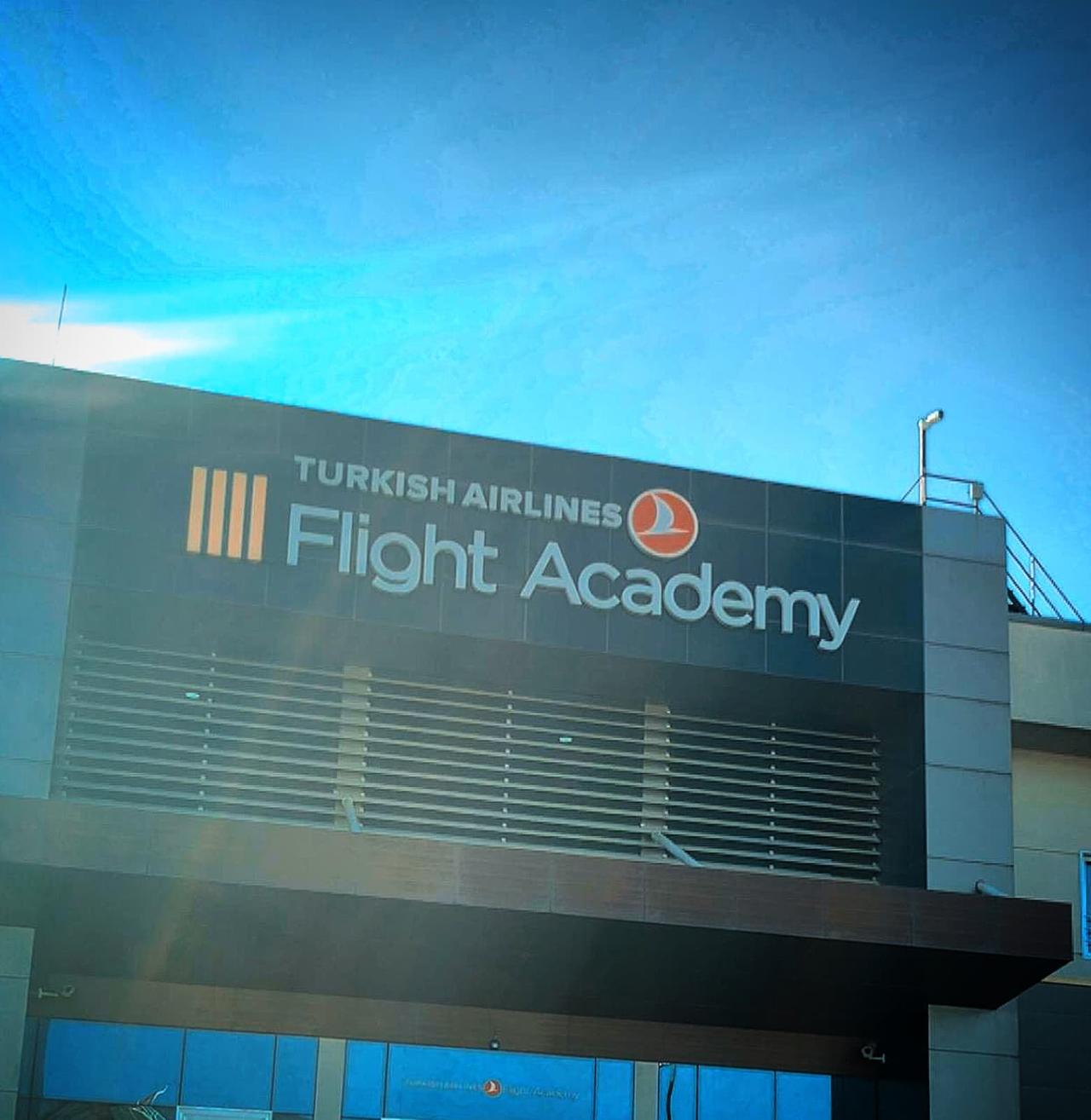
TAFA, Aydın. (Fotoğraf: Mehmet Bağcı)
The aviation sector is one of the fields requiring high-level education and expertise. For this reason, airlines place great importance on the training of qualified pilots. Turkish Airlines Flight Academy (TAFA) is a major educational institution established to meet this need.
TAFA was established as a subsidiary brand of Turkish Airlines with the goal of training pilots for both Turkish Airlines and other airlines. Additionally, the basic training program offered at the academy is the Integrated Airline Transport Pilot (ATP-A) program. Through this program, prospective pilots receive theoretical and practical training at a level sufficient to take on roles in the commercial aviation sector.
Turkish Airlines Flight Academy (TAFA) has continuously pursued development since its establishment. The academy’s institutional structure and training capacity have been progressively strengthened over the years. Here is a brief overview of its developments, friends:
The fundamental objective of Turkish Airlines Flight Academy is clearly defined: to train truly competent pilots using training methods that meet international standards. The educational process does not focus solely on technical knowledge; Turkish Airlines’ corporate values and aviation safety are consistently prioritized.
When examining TAFA’s approach, it is possible to say that it goes beyond traditional educational models. The academy embraces a scientific education model and aims to employ innovative methods. Thus, education is not limited to learning alone; it offers a system open to continuous development.
Equally important is the establishment of a safety culture based on trust within the institution.
Looking ahead, the academy’s goal is highly ambitious: in the long term, it aspires to become one of the world’s leading flight schools in terms of the number of pilots trained, particularly by 2030. With God’s permission, I hope to be one of those pilots.
Turkish Airlines Flight Academy has been conducting its training activities since 2013 at its facilities located at Aydın Çıldır Airport. The academy carries out pilot training comprehensively through its modern training infrastructure and extensive aircraft fleet.
Examining the fleet, we observe a robust structure. TAFA currently operates a total of 84 training aircraft, consisting of 70 single-engine and 14 multi-engine aircraft. The most commonly used aircraft types in the fleet include the Cessna 172S NAV III, Diamond DA40, and Diamond DA42. Additionally, the Extra NG aircraft is used for training purposes.
The simulator infrastructure is equally impressive. The academy has a total of eight flight simulators. Thanks to these simulators, pilot candidates can experience various flight scenarios in a completely safe environment. The simulation quality is exceptionally high.
In addition, the academy’s teaching staff includes a large team of specialized instructors and modern classrooms for theoretical instruction. Thus, the training process is not limited to flying alone; it offers a balanced system encompassing both theoretical and practical components.
Candidates wishing to become pilots at TAFA must apply through Turkish Airlines’ official careers portal. Applicants must meet various criteria, including educational background, foreign language proficiency, age requirements, and physical fitness.
Applicants go through several evaluation stages, including an online English test, psychometric assessments, competency evaluations, human resources interviews, and medical examinations.
Candidates who successfully complete all stages are admitted to the pilot training program.
If you have such aspirations, I believe it is crucial to be sincere in answering questions during the CRM section and panel interviews.
Pilot training at TAFA consists of approximately 14 to 16 months of theoretical and practical instruction. During this period, candidates are trained under the status of Turkish Airlines employees. Theoretical training takes place at Aydın Çıldır Airport, while flight training occurs at airports including Aydın, Uşak, Adana, Kütahya, Selçuk/Efes, and Bodrum. Throughout the training period, candidates are provided with various social benefits, including a salary, accommodation or housing support, meal cards, transportation services, discounted airline tickets, and private health insurance.
Candidates who successfully complete the training program described above begin their duties as second officers within Turkish Airlines.
Simulators play a vital role in pilot training. The FNPT II category simulators used at TAFA enable pilot candidates to receive training under both Visual Flight Rules (VFR) and Instrument Flight Rules (IFR).
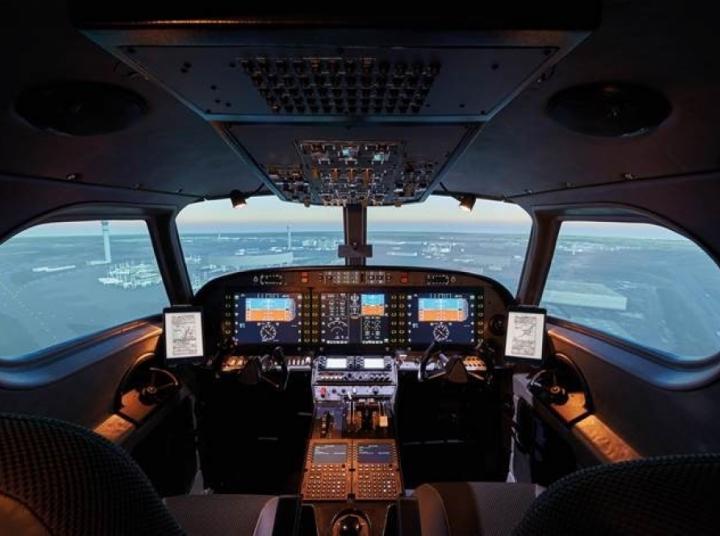
Simülatör Eğitimi Sırasında Çekilen Bir Görüntü. (TAFA)
During simulator training, students experience normal and emergency flight scenarios, thereby enhancing their situational awareness and preparing them more effectively for actual flights.
The simulators used at TAFA are developed by international manufacturers such as Frasca, Mechtronix, Alsim, and Diamond Aircraft. These systems are designed in accordance with modern aviation training standards and certified by the General Directorate of Civil Aviation.
Turkish Airlines Flight Academy offers various programs for pilot training. The academy’s primary training program is the Integrated Airline Transport Pilot (ATP-A) program, which aims to train candidates to a level suitable for commercial airline operations.
In addition, the following training programs are also offered at the academy:
Through these programs, pilot candidates acquire the diverse competencies required by the aviation sector. I found this section particularly appealing, so I would like to provide some additional details on a few of them.
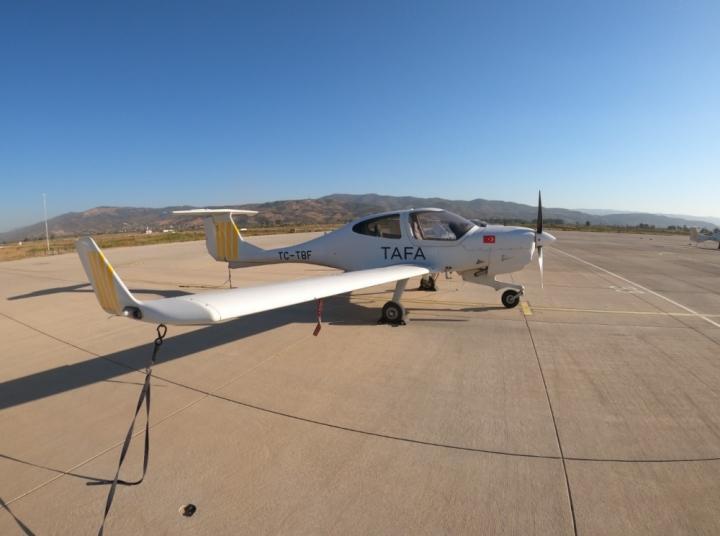
Uçak Filosu. (TAFA)
The PPL(A) training is the foundational pilot license granted to candidates who wish to fly without commercial intent. Through this training, candidates gain the authority to act as pilot in command. The program consists of 100 hours of theoretical training and 45 hours of flight training.
The CPL(A) is the license training required for pilots to operate commercial flights. This program enables candidates to work professionally in the airline industry. The curriculum includes 250 hours of theoretical training and flight training hours that vary depending on the candidate’s progress.
The IR(A) training enables pilots to fly not only visually but also by reference to instruments. It is essential for operating under adverse weather conditions and in accordance with Instrument Flight Rules (IFR). The program includes 150 hours of theoretical training and 50 hours of flight training.
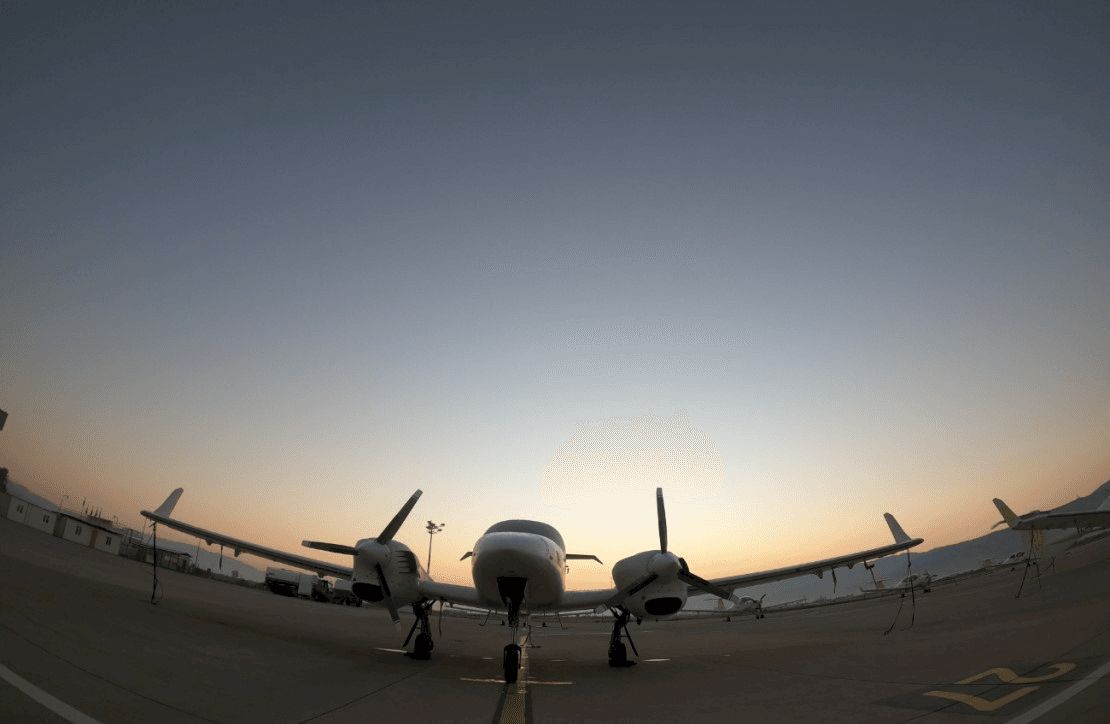
Gece Uçuşuna Hazırlanan Bir Uçak. (TAFA)
This training grants pilots the authority to fly safely under night conditions. It covers the technical and operational requirements of night flying. The program consists of 5 hours of flight training.
The MCC training aims to enhance crew coordination in multi-pilot aircraft. It strengthens communication, task sharing, decision-making, and coordination skills among flight crews. The program includes 25 hours of theoretical training and 20 hours of flight training.
The FI training is the program designed to qualify pilots as flight instructors. Through this course, candidates acquire the competence to deliver both theoretical knowledge and flight instruction. The program consists of 125 hours of theoretical training and 30 hours of flight training.
Turkish Airlines Flight Academy is a significant educational institution dedicated to producing qualified pilots for the aviation sector. Through its comprehensive training programs and modern infrastructure, the academy contributes significantly to the international-standard development of pilot candidates.
As a student of aviation management, I aim to receive my training at this academy after graduation. For many individuals seeking a career in aviation, TAFA offers a vital opportunity and a strong educational environment. I firmly believe that receiving training at this academy will be a major step toward fulfilling my dream of becoming a pilot operating in the skies, with God’s permission.
Turkish Airlines Careers. "Sıkça Sorulan Sorular." Accessed July 1, 2026.https://careers.turkishairlines.com/sikca-sorulan-sorular
Turkish Airlines Flight Academy. "Turkish Airlines Flight Academy." Accessed March 6, 2026.https://www.turkishairlinesflightacademy.com/
Turkish Technic Aviation Academy. "Training Portal." Accessed July 1, 2026.https://training.turkishtechnic.com
Turkish Airlines Flight Academy (TAFA): Training Center for Pilots
Corporate Development Process
TAFA’s Mission and Vision
Training Infrastructure and Fleet
Pilot Candidate Application Process
Training Process
Simulator Training
Programs
Basic and Licensing Training
Rating and Additional Training
Flight Instructor Training
PPL(A) – Private Pilot License Training
CPL(A) – Commercial Pilot License Training
IR(A) – Instrument Rating Training
Night Rating (NR) Training
MCC – Multi-Crew Cooperation Training
FI – Flight Instructor Training