

 Recently Added:
This article was automatically translated from the original Turkish version.
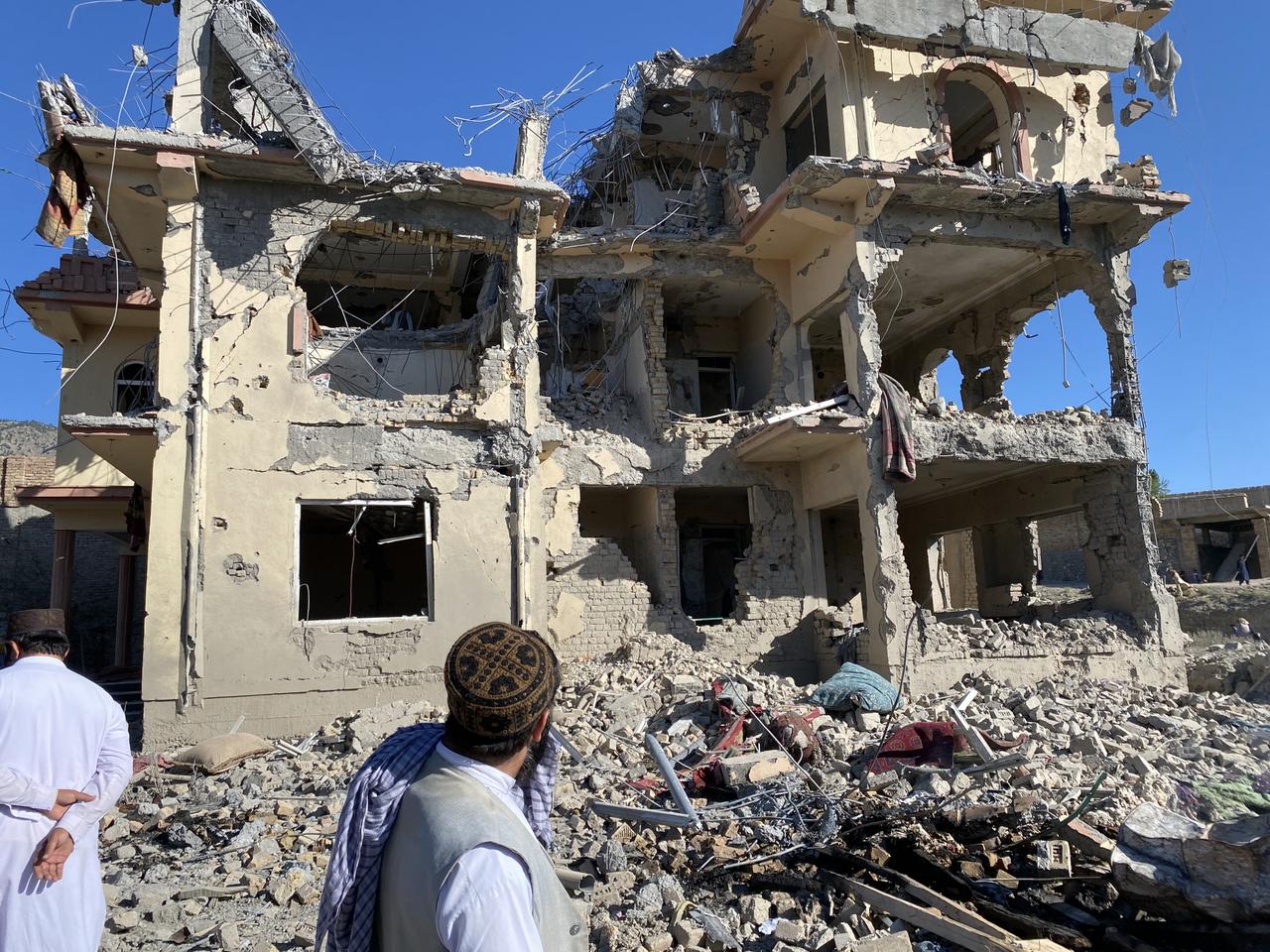
Security tensions between Pakistan and Afghanistan escalated again on 29 June 2026 following air strikes by Pakistan against targets in eastern Afghanistan and simultaneous ground operations. The Pakistani government stated that the operations targeted armed groups operating beyond its borders, while the Taliban administration in Afghanistan reported that numerous civilians were killed in the attacks. These developments have led to a deepening of one of the most serious border crises between the two countries in recent years.
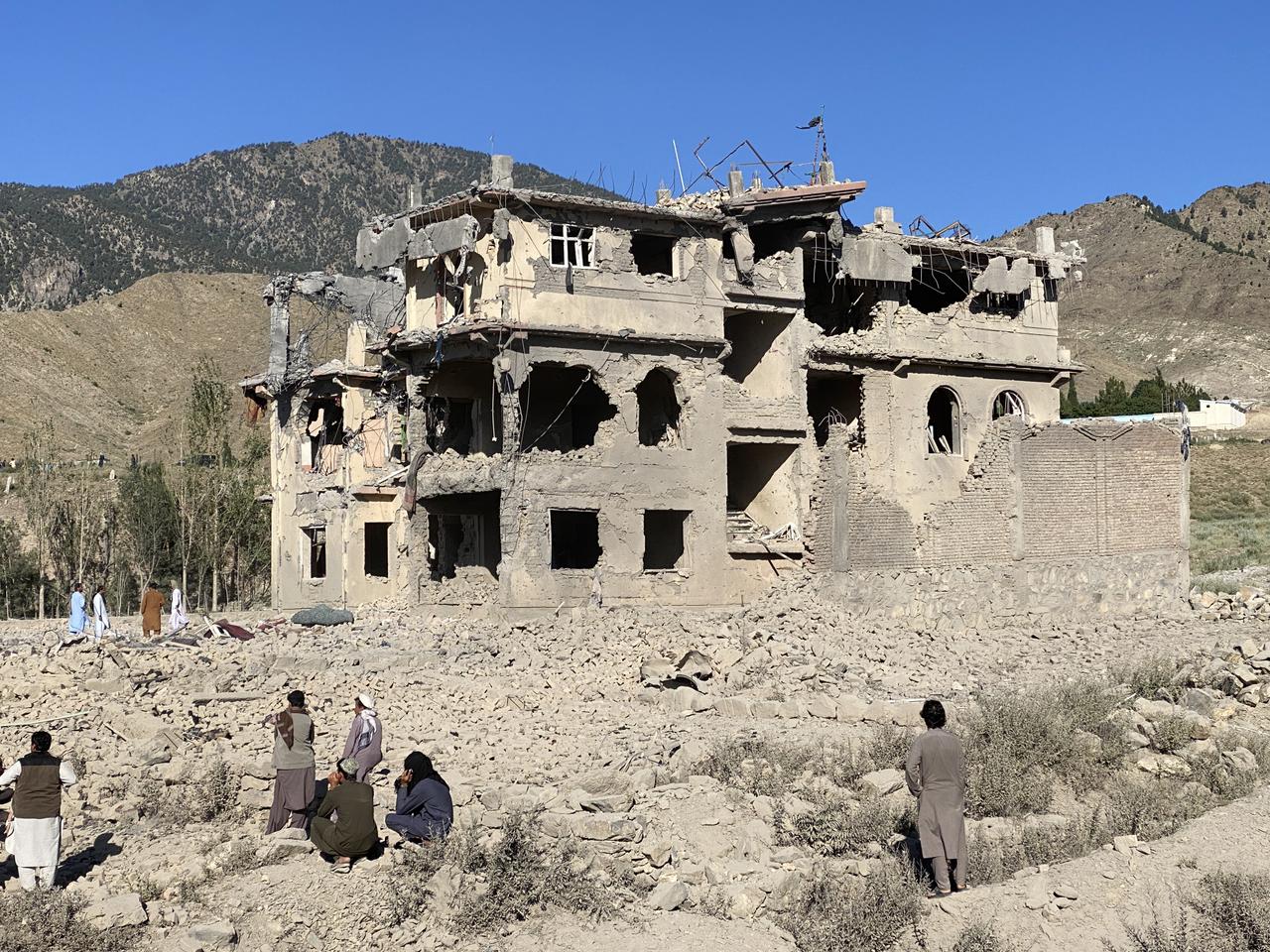
Attacks on the Afghanistan Border (29 June 2026) Anadolu Agency
On 29 June 2026, the Pakistani Armed Forces conducted air strikes against targets identified as belonging to armed groups in the Afghan provinces of Paktiya, Paktika and Kunar, alongside simultaneous ground operations along the border. The Pakistani government stated that camps, shelters, and weapons and ammunition depots linked to the Pakistani Taliban (Tehreek-e-Taliban Pakistan-TTP) and affiliated groups were targeted, and that numerous militants were neutralized. The Islamabad administration emphasized that the operations were carried out in response to a recent surge in terrorist attacks within Pakistan and were conducted within the framework of legitimate self-defense to safeguard national security.
29 June 2026 air strikes resulted in numerous civilian deaths. The Taliban administration in Afghanistan reported that at least 38 civilians, including women and children, were killed and 163 people were injured. The United Nations Assistance Mission in Afghanistan (UNAMA), in its initial assessment, announced that at least 28 civilians were killed and 49 people were injured, warning that the death toll could rise as medical treatment for the wounded continued.
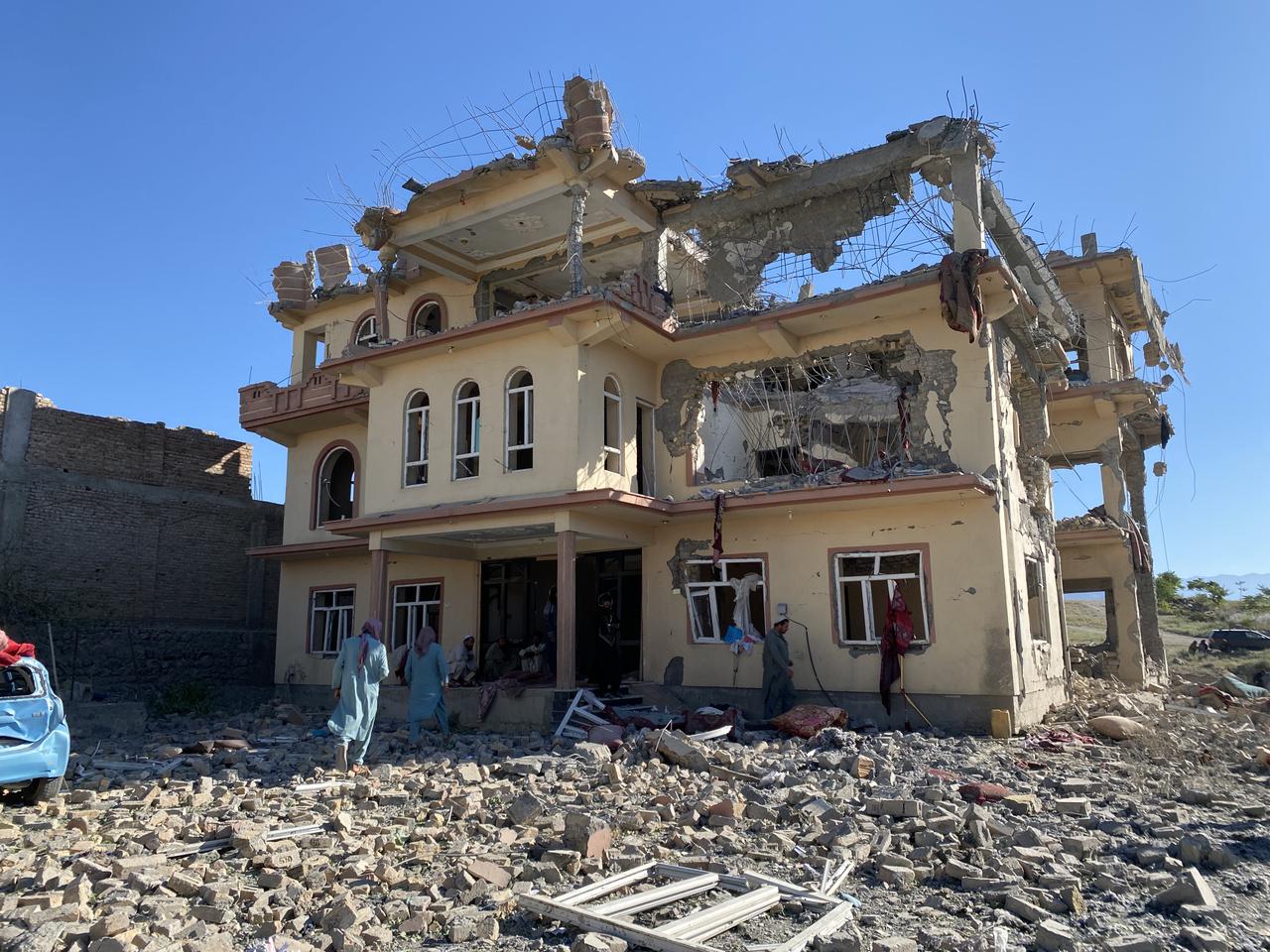
Attacks Conducted by Pakistan on the Afghanistan Border (29 June 2026) Anadolu Agency
According to the Taliban administration, one of the most severe consequences of the attacks occurred in the Chamkani (Samkani) district of Paktiya province. A residential building was struck, resulting in multiple civilian deaths, and individuals who rushed to the site to assist the wounded were subjected to a second air strike. It was also reported that in an attack on a settlement in Paktika province, civilians—mostly women and children—were killed, and a civilian settlement in Kunar province was also affected. Pakistan, however, maintains that only targets linked to armed groups were hit and that civilian settlements were not deliberately targeted.
The Pakistani government stated that the operations were launched in response to an attack on security forces in Karachi on 28 June 2026 that resulted in casualties. Islamabad asserted that the Pakistani Taliban (TTP) and affiliated organizations operating from Afghan territory were responsible for planning attacks within Pakistan and accused the Afghan authorities of providing safe haven to these groups. The Taliban administration in Afghanistan rejected these allegations, asserting that Pakistan’s security issues are an internal matter and that it does not accept any linkage between the attacks and Afghanistan.
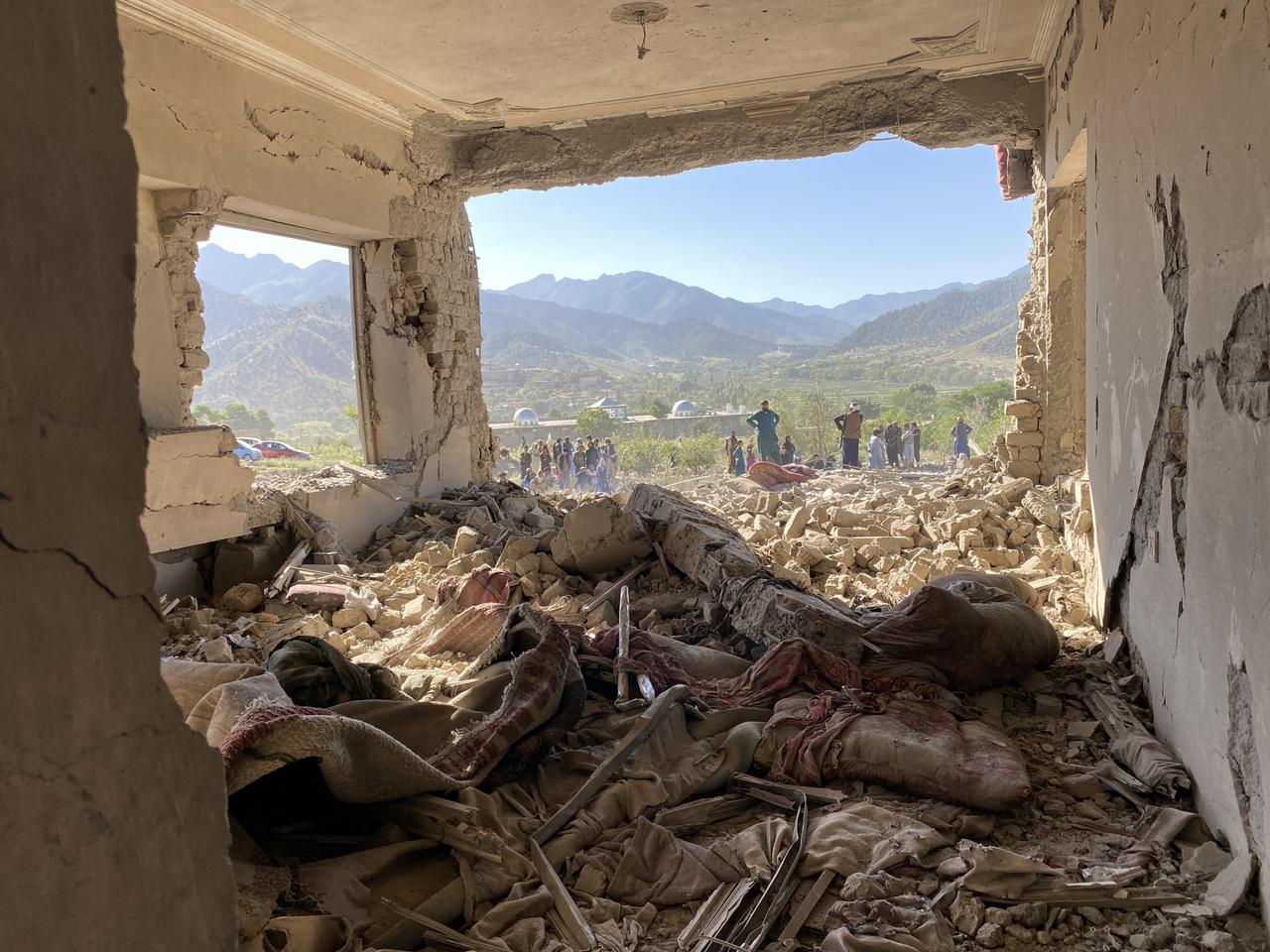
Attacks on the Afghanistan Border (29 June 2026) Anadolu Agency
The Taliban administration in Afghanistan condemned Pakistan’s air strikes as a clear violation of its sovereignty and an attack targeting civilians. Taliban officials argued that the strikes violated international law and declared that they would respond at an appropriate time. They warned that Pakistan’s cross-border operations would further escalate tensions between the two countries and negatively impact regional security.
The operations carried out on 29 June 2026 ended the fragile calm that had been established following large-scale border clashes between Pakistan and Afghanistan in February 2026. The latest developments have revealed that disagreements over border security, counterterrorism, and the presence of armed groups remain unresolved. International organizations and regional observers have assessed that cross-border operations and mutual accusations could trigger a new wave of conflict between the two neighboring countries.
Al Jazeera. "After Afghanistan fires drones into Pakistan, what's next." Accessed July 2, 2026. https://www.aljazeera.com/news/2026/7/1/after-afghanistan-fires-drones-into-pakistan-whats-next
BBC News. "Pakistan launches air strikes in Afghanistan after Karachi attack." Accessed July 2, 2026. https://www.bbc.com/news/articles/c621g086ek4o
Euronews Türkçe. "Pakistan Karaci saldırısı sonrası Afganistan'ın doğusunu vurdu." Accessed July 2, 2026. https://tr.euronews.com/2026/06/29/pakistan-karaci-saldirisi-sonrasi-afganistanin-dogusunu-vurdu
Euronews. "Pakistani airstrikes kill 36 civilians in Afghanistan and wound 160, officials say." Accessed July 2, 2026. https://www.euronews.com/2026/06/29/pakistan-strikes-eastern-afghanistan-killing-dozens-following-karachi-attack
Reuters. "At least 28 killed in Pakistan air operations on Afghanistan, UN says." Accessed July 2, 2026. https://www.reuters.com/world/asia-pacific/pakistan-forces-kill-29-militants-border-operation-ap-reports-2026-06-28/
The Guardian. "Pakistan deadly airstrikes on Afghanistan border kill dozens after Karachi attack." Accessed July 2, 2026. https://www.theguardian.com/world/2026/jun/29/pakistan-deadly-airstrikes-afghanistan-border

Pakistan's air strikes and ground operations against targets in eastern Afghanistan on 29 June 2026 reignited tensions between the two countries. While Islamabad defended its actions as targeting militant camps, the Taliban administration announced that numerous civilians including women and children had been killed in the attacks; the United Nations confirmed the civilian casualties.
No Discussion Added Yet
Start discussion for "Pakistan's Operation Along the Afghanistan Border (June 2026)" article
July 2, 2026
Pakistan’s Cross-Border Operations
July 2, 2026
Civilian Casualties and Humanitarian Impact
July 2, 2026
Pakistan’s Justification for the Operations
July 2, 2026
Afghanistan’s Response
July 2, 2026
Impact on Regional Security