


This article was automatically translated from the original Turkish version.
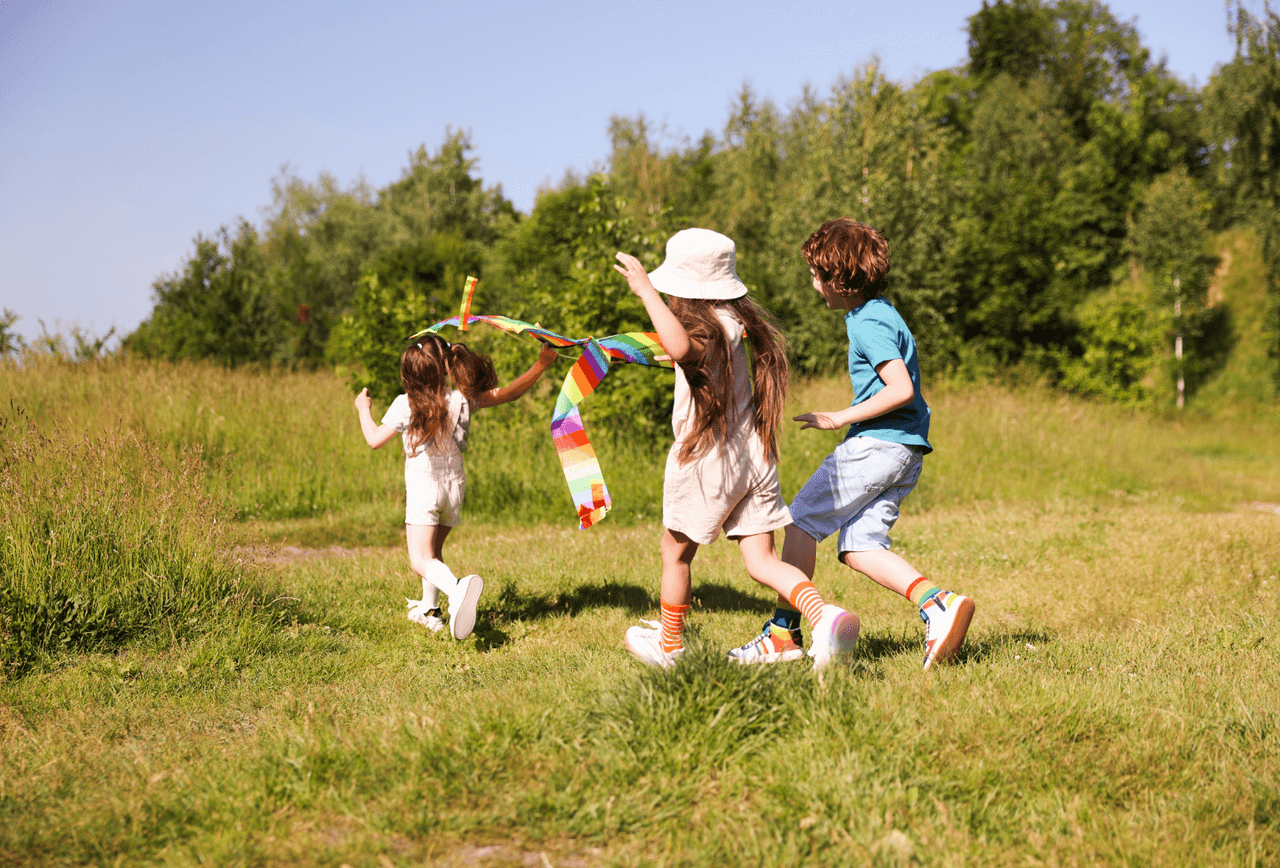
Açık Alan Eğitimi Süreci
(Yapay Zeka ile oluşturulmuştur)
Outdoor Education
Target Audience | Corporate teams, managers, and youth groups aged 5 to 15 | ||||||||
|---|---|---|---|---|---|---|---|---|---|
Methodology | Needs analysis, implementation, feedback, transfer to professional practice cycle | ||||||||
Primary Objective | Enhance team dynamics, develop leadership skills, and strengthen organizational commitment | ||||||||
Basic Philosophy | "Learning by Doing" (Experiential Learning) | ||||||||
Application Area(s) | Indoor spaces Urban areas Marine (sailing) Natural environments | ||||||||
Official Name(s) | Outdoor Education Open Area Education | ||||||||
Outdoor Education (Açık Alan Eğitimi) is a development model based on the learning by doing principle. It aims to help participants acquire lasting knowledge and skills through experiential learning outside their comfort zones in natural or alternative environments.
A professional outdoor education process consists of stages custom-designed for the organization rather than standardized package programs. The process begins with an analysis of the organization’s performance and competency needs using face-to-face or online methods. Based on the findings of this needs analysis, specific activity content and scenarios are designed to support the identified objectives such as leadership communication and trust building.
During the implementation phase participants engage in various activities that require their mental and physical involvement where they apply skills in planning decision making and problem solving. The most critical stage of the education is the feedback and follow-up process in which direct connections are established between outdoor experiences and professional life in the office environment to foster awareness.
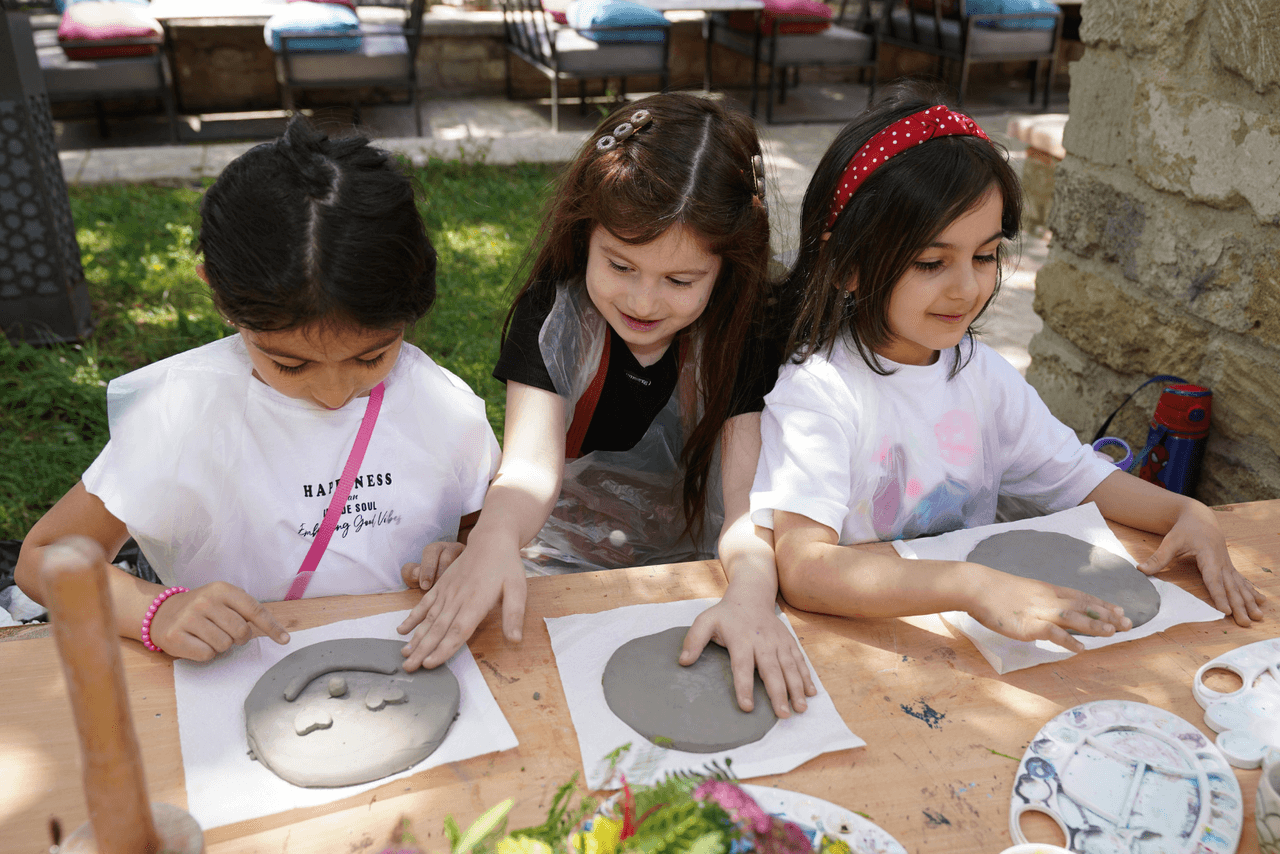
Açık Alan Eğitimi Süreci
(Yapay Zeka ile Oluşturulmuştur)
Outdoor education programs are broadly categorized into two main groups from a logistical perspective: land-based and water-based activities. Land-based activities include subgroups such as ice breaking exercises low and high ropes courses strategy focused projects and scenario based tasks like treasure hunts or crime scene investigations.
Water-based activities typically involve sailing vessels and are designed to maximize team coordination. In addition urban adventures conducted in city centers as well as various art and skill workshops and adventure sports such as rafting rock climbing and orienteering are also part of this educational model’s application tools.
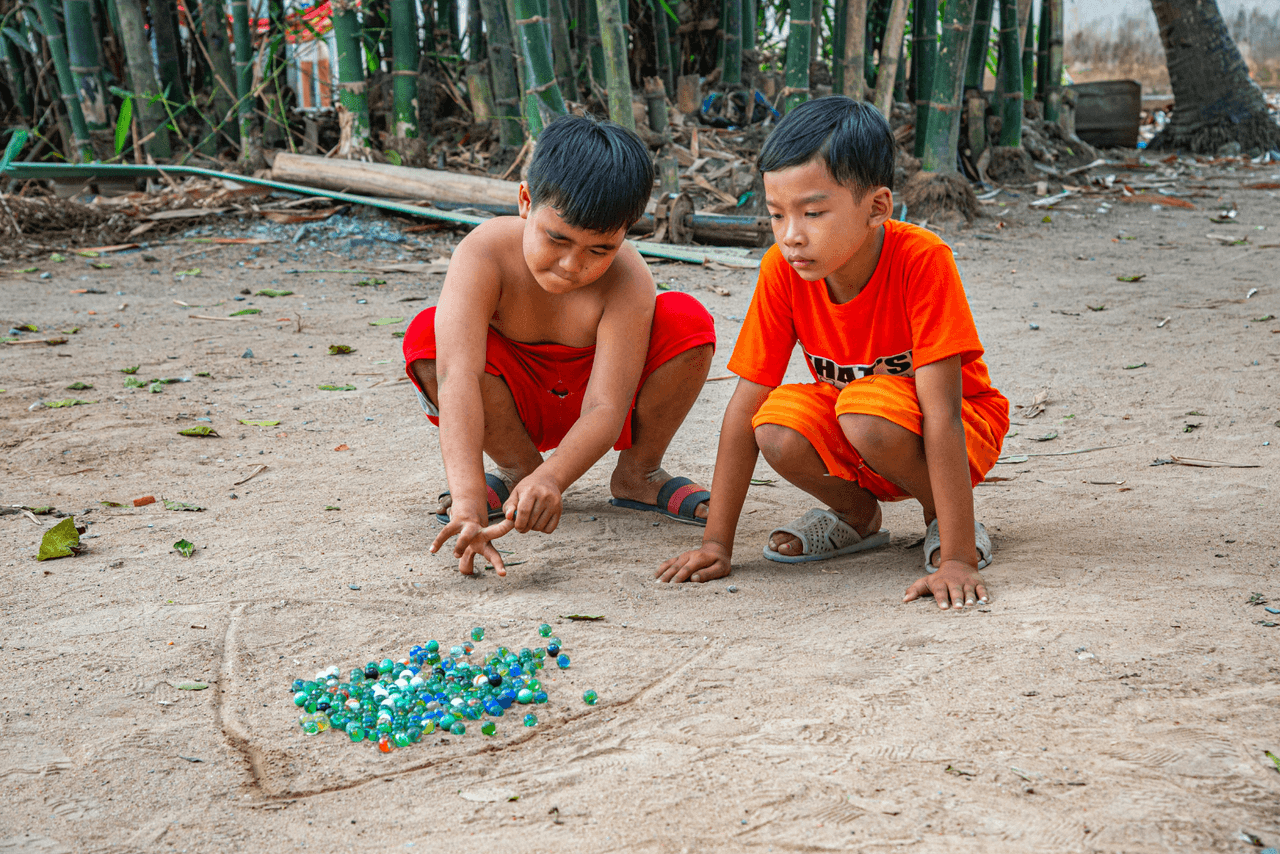
Açık Alan Eğitimi Süreci
(Yapay Zeka ile Oluşturulmuştur)
The primary organizational goal of these programs is to strengthen employees’ sense of belonging renew team spirit and ultimately enhance corporate productivity. The interactions that emerge during outdoor activities help overcome internal team barriers such as lack of trust conflict avoidance and communication breakdowns.
Participants gain the opportunity to experience firsthand skills such as shared authority task distribution and action toward common goals by shedding hierarchical or social biases present in real workplace environments. During crisis periods these programs serve as a strategic tool to reinforce employees’ trust in the organization and increase their job commitment.
The safety of the programs is ensured through professional equipment compliant with international standards and supervision by qualified personnel. For activities such as high ropes courses protective gear including high-strength ropes harnesses carabiners and helmets used in mountaineering and industrial climbing is mandatory.
Training staff typically consist of certified experts in outdoor sports and first aid. Outdoor education programs can be conducted throughout the year depending on geographical and technical capabilities but the most preferred periods are April to June and September to November when weather conditions are more favorable. In cases of extreme weather outdoor activities are supported by modular alternatives adapted for indoor environments.
Mateer, T. J., Joshua Pighetti, B. D. Taff, and Pete Allison. 2023. “Outward Bound and Outdoor Adventure Education: A Scoping Review, 1995–2019.” *Annales Kinesiologiae* 13, no. 2: 143–181. Accessed February 20, 2026. https://doi.org/10.35469/ak.2022.368
Townley, Charles T., Maria Emilia Martinez, and Brandon A. Clark. 2024. “Outdoor Learning at U.S. Higher Education Institutions: A Systematic Review of Research—1996 to 2020.” *SAGE Open* 14 (4). Accessed February 20, 2026. https://doi.org/10.1177/21582440241296784
Öztürk, Şener. 2009. “Outdoor Education/Outdoor Environmental Education: Okulda Eğitimle Bütünleşmiş Mekan‑Dışı Eğitim.” *Milli Eğitim* 181: 131–145. Accessed February 20, 2026. (Scopus, TR Dizin). https://avesis.omu.edu.tr/yayin/1c3c0bf3-8d88-4a1e-8f86-b65177e4190a/outdoor-education-outdoor-environmental-education-okulda-egitimle-butunlestirilmis-mekan-disi-egitim
Açık Alan Eğitimi Süreci
(Yapay Zeka ile oluşturulmuştur)
Outdoor Education
Target Audience | Corporate teams, managers, and youth groups aged 5 to 15 | ||||||||
|---|---|---|---|---|---|---|---|---|---|
Methodology | Needs analysis, implementation, feedback, transfer to professional practice cycle | ||||||||
Primary Objective | Enhance team dynamics, develop leadership skills, and strengthen organizational commitment | ||||||||
Basic Philosophy | "Learning by Doing" (Experiential Learning) | ||||||||
Application Area(s) | Indoor spaces Urban areas Marine (sailing) Natural environments | ||||||||
Official Name(s) | Outdoor Education Open Area Education | ||||||||
No Discussion Added Yet
Start discussion for "Outdoor Education (Open Air Education)" article
Methodology and Application
Application Areas
Organizational Contributions
Safety and Conditions