


This article was automatically translated from the original Turkish version.
Orienteering is a sport that aims to find designated control points using a map and a compass in the shortest possible time. Due to its integration with nature and its combination of physical endurance and mental strategy, it appeals to a broad participant base.
Orienteering emerged in the late 19th century in Sweden as a military training method. Over time, it expanded into civilian activities and became a global sport with the establishment of the International Orienteering Federation (IOF) in 1961.【1】 Today, it continues to develop through championships and competitive events held in many countries.【2】 In Türkiye, orienteering rapidly spread after the founding of the Turkish Orienteering Federation in 2002. Thanks to recent advancements, orienteering continues to grow and expand in Türkiye.
Orienteering competitions are typically held in forested or open areas. Participants must visit designated control points in sequence using a map and compass. The fundamental rules are as follows:
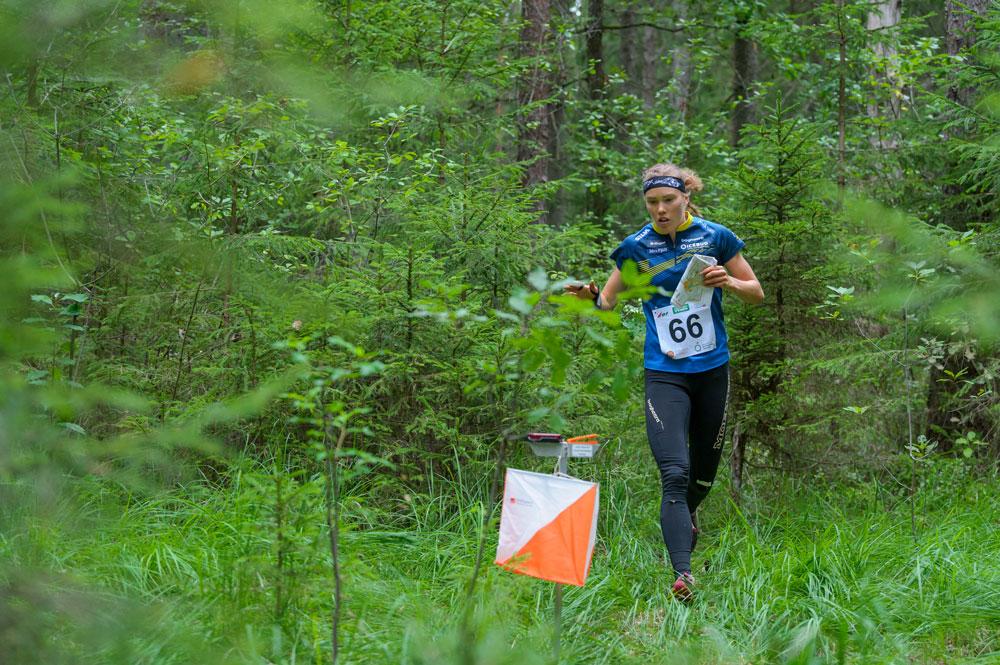
An Orienteering Athlete - International Orienteering Federation
Orienteering is a multifaceted sport that contributes to both physical and mental development. Its main benefits include:
Orienteering is an activity that offers not only physical but also educational and psychological benefits. In educational contexts, it supports the development of map reading and spatial awareness skills. Students who participate in this sport reinforce their understanding of geography, directional knowledge, and strategic thinking. When integrated into school programs, it can promote teamwork among students and enhance their problem-solving abilities.
From a psychological perspective, orienteering has positive effects on individuals. It has been observed to be particularly beneficial for stress management. This activity, conducted in nature, promotes mental relaxation and can boost self-confidence. The processes of navigating independently and solving problems strengthen participants’ self-confidence and independent decision-making skills. In addition, orienteering holds significant value as a social activity. Through club events, competitions, and training sessions, individuals can communicate with others who share similar interests, gain opportunities for socialization, and develop teamwork skills.
British Orienteering. "Newcomers’ Guide to Orienteering." British Orienteering. Accessed February 21, 2025.https://www.britishorienteering.org.uk/newcomers_guide.
Digital Orienteering. "Oryantiringin Kuralları." *Dijital Oryantiring Dergisi*. Accessed February 21, 2025.https://dijital.oryantiring.org.tr/dergi/dori_2023_3/mobile/index.html.
IOG. “Oryantiring Nedir?” İstanbul Orienteering Spor Kulübü - BK. Accessed February 21, 2025.https://www.iog.org.tr/orienteering.asp.
IOG. “Oryantiring ve Çevresel Etkileşim.” İstanbul Orienteering Spor Kulübü - BK. Accessed February 21, 2025.https://www.iog.org.tr/orienteering.asp.
Spormetre Dergisi. "Oryantiringin Fizyolojik Etkileri." Spormetre. Accessed February 21, 2025.https://dergipark.org.tr/tr/pub/spormetre/issue/41294/498998.
[1]
IOG. "Oryantiring Nedir?"İstanbul Orienteering Spor Kulübü - BK.https://www.iog.org.tr/orienteering.asp
[2]
2.British Orienteering. "Newcomers’ Guide to Orienteering." https://www.britishorienteering.org.uk/newcomers_guide
[3]
4.Spormetre Dergisi. "Oryantiringin Fizyolojik Etkileri." https://dergipark.org.tr/tr/pub/spormetre/issue/41294/498998
[4]

History
Rules of Orienteering
Benefits of Orienteering
Educational and Psychological Effects of Orienteering