


This article was automatically translated from the original Turkish version.
+1 More
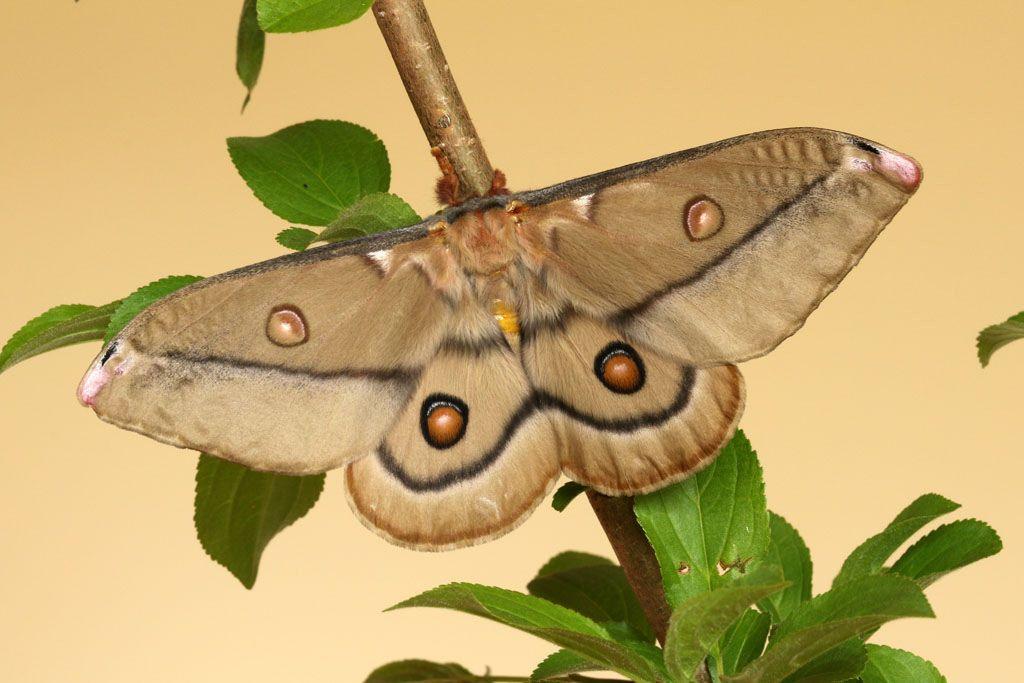
Imperial Scale Insect (Eucalyptus Scale Insect)
Family | Saturniidae | ||||||||
|---|---|---|---|---|---|---|---|---|---|
Team | Lepidoptera | ||||||||
Region Where They Live | Australia | ||||||||
Synonym | Antheraea eucalyptus | ||||||||
Opodiphthera eucalypti (Eucalyptus Moth), also known as the Emperor Gum Moth; is a moth species that feeds on eucalyptus trees and can cause economic damage worldwide. Opodiphthera eucalypti is native to Australia and is widely distributed across eucalyptus trees globally. In regions with intensive eucalyptus plantations, this species can lead to significant economic losses. Its biology, life cycle, and interactions are critically important for effective management of this pest.
Opodiphthera eucalypti is a moth species belonging to the order Lepidoptera. Adults have large, furry wings, while larvae may be green or brown in color. Larvae feed on eucalyptus leaves, and this feeding behavior causes significant damage to the plants.
The life cycle of Opodiphthera eucalypti consists of four main stages: egg, larva, pupa, and adult. Eggs are laid on the underside of tree leaves. Upon hatching, larvae feed on eucalyptus leaves and pass through several developmental stages. The pupal stage occurs in areas near the soil. Adult moths are nocturnal and exhibit a tendency to be attracted to light.
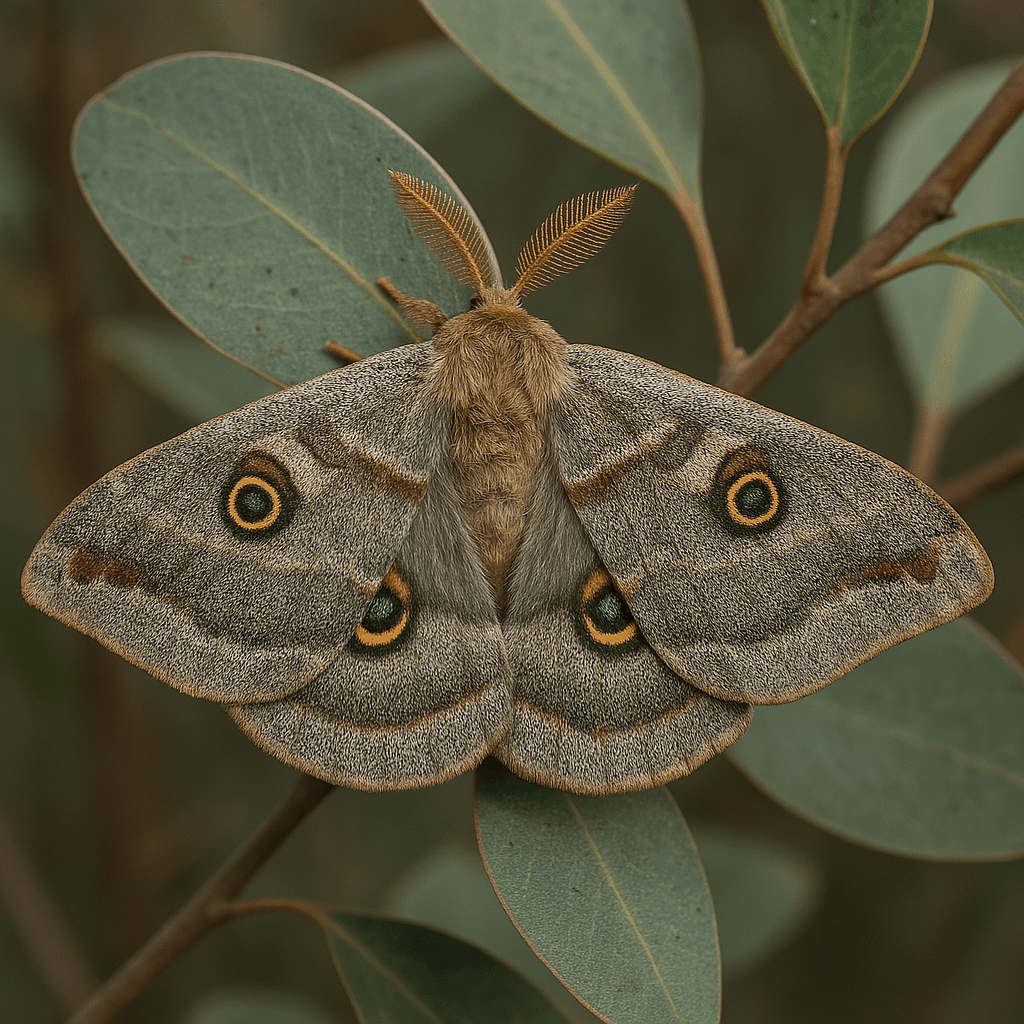
Eucalyptus Moth. Generated by artificial intelligence.
Larvae cause extensive damage to eucalyptus leaves. This damage reduces the trees’ photosynthesis capacity and can lead to growth retardation over the long term. Leaf drop and tree weakening can increase susceptibility to other pests. Furthermore, large populations of this species can result in substantial economic losses.
The impact of Opodiphthera eucalypti on the ecosystem is not limited to the plants it damages. This species interacts with natural enemies and other insects. Parasitoids, predators, and pathogens have the potential to regulate its population. Understanding these interactions can aid in developing biological control strategies.
Control of Opodiphthera eucalypti can be achieved through various methods:
Research on Opodiphthera eucalypti can lead to the development of new approaches for more effective pest management. Advances in genetic engineering and biotechnology may provide new opportunities for controlling this species. Additionally, how environmental changes and global warming affect the spread of this pest is an important area requiring further study. Opodiphthera eucalypti is a species capable of causing significant damage to eucalyptus trees. However, it can be effectively managed with appropriate control strategies. The use of integrated pest management and biological control methods represents the most sustainable approach to controlling this pest.
FaunaNet Australia. "Emperor Gum Moth (Opodiphthera eucalypti)." Web Archive of FaunaNet.gov.au. Archived January 7, 2005. Accessed April 3, 2025.https://web.archive.org/web/20050107031456/http://faunanet.gov.au/wos/factfile.cfm?Fact_ID=205.
Grace, T. D. C. "Establishment of Four Strains of Insect Cells Grown in vitro." *Nature* 195, no. 4843 (August 25, 1962): 788–789.https://doi.org/10.1038/195788a0.

Imperial Scale Insect (Eucalyptus Scale Insect)
Family | Saturniidae | ||||||||
|---|---|---|---|---|---|---|---|---|---|
Team | Lepidoptera | ||||||||
Region Where They Live | Australia | ||||||||
Synonym | Antheraea eucalyptus | ||||||||
No Discussion Added Yet
Start discussion for "Opodiphthera eucalypti (Eucalyptus Moth)" article
Taxonomy and Morphology
Life Cycle and Biology
Damage and Effects
Ecological Interactions
Control Methods