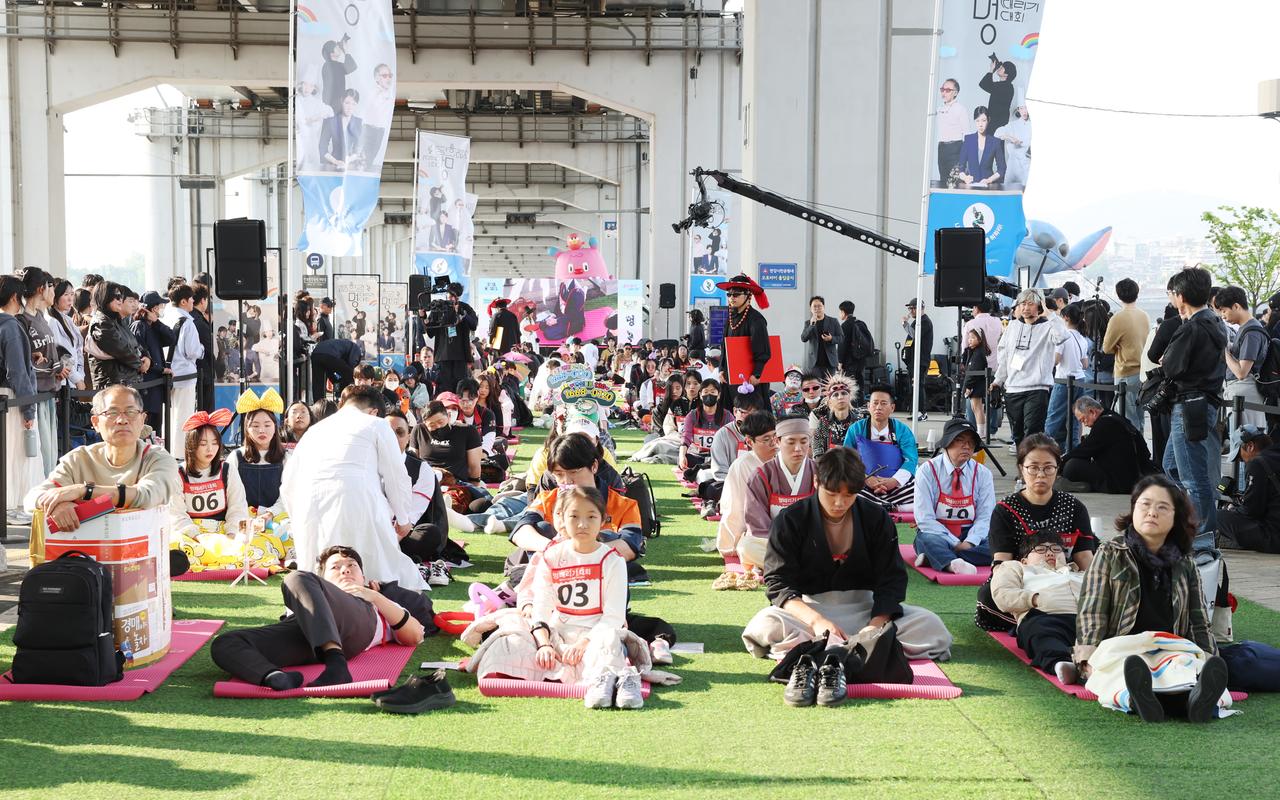
This article was automatically translated from the original Turkish version.
+1 More
Competition Name | Space-Out Competition (International) Do Nothing Competition (Turkish) Staring Contest (Original) | ||||||||
|---|---|---|---|---|---|---|---|---|---|
Type | Stillness-themed competition-event | ||||||||
Initiator | Woopsyang | ||||||||
First Edition | 27 October 2014 Seoul | ||||||||
Competition Date | There is no fixed date. Dates vary by city and country. | ||||||||
Purpose | Making the Need for Stillness/Rest Visible | ||||||||
Duration | 90 Minutes (Core Event) 3 Hours (From Start to Finish) | ||||||||
Main Venue | Han River | ||||||||
Rules | Avoiding Singing or Dancing Abstaining from Food and Drink Consumption Avoiding Laughter or Conversation Avoiding Napping Avoiding Looking at the Phone | ||||||||
Evaluation | Audience Voting Technical Scoring (Heart Rate Stability) | ||||||||
Awarding | Badge Gold-colored cup evoking the figure of a thinking man Certificate Participation certificate | ||||||||
Important Participants | Musician Byung-jin Park Singer Crush News anchor Kwon Seo-ah Former short track speed skater Kwak Yoon-gy | ||||||||
Official Website | https://www.spaceoutcompetition.com | ||||||||
The Nothing to Do Competition, is a public event in which participants perform “doing nothing” by remaining as motionless and silent as possible for a specified duration. The competition’s core rules require participants to refrain from using their phones, speaking, sleeping, or engaging in any distracting behaviors for 90 minutes during the main segment. In this way, the event transforms “doing nothing” from an abstract concept into an observable and measurable practice.
The distinguishing feature of the competition is that it does not leave “doing nothing” as a mere subjective claim; instead, it ties it to evaluative criteria. In practice, the outcome is determined within a framework that combines audience voting with technical assessment. Particularly, among the top group of participants (e.g., the “top 10”) receiving the highest audience votes, the individual with the most stable heart rate graph is targeted to emerge as the winner; heart rate monitoring occurs at regular intervals (e.g., every 15 minutes). Thus, the competition acquires a structure that distinguishes between stillnesses that appear identical from the outside, using physiological stability and public perception as criteria.
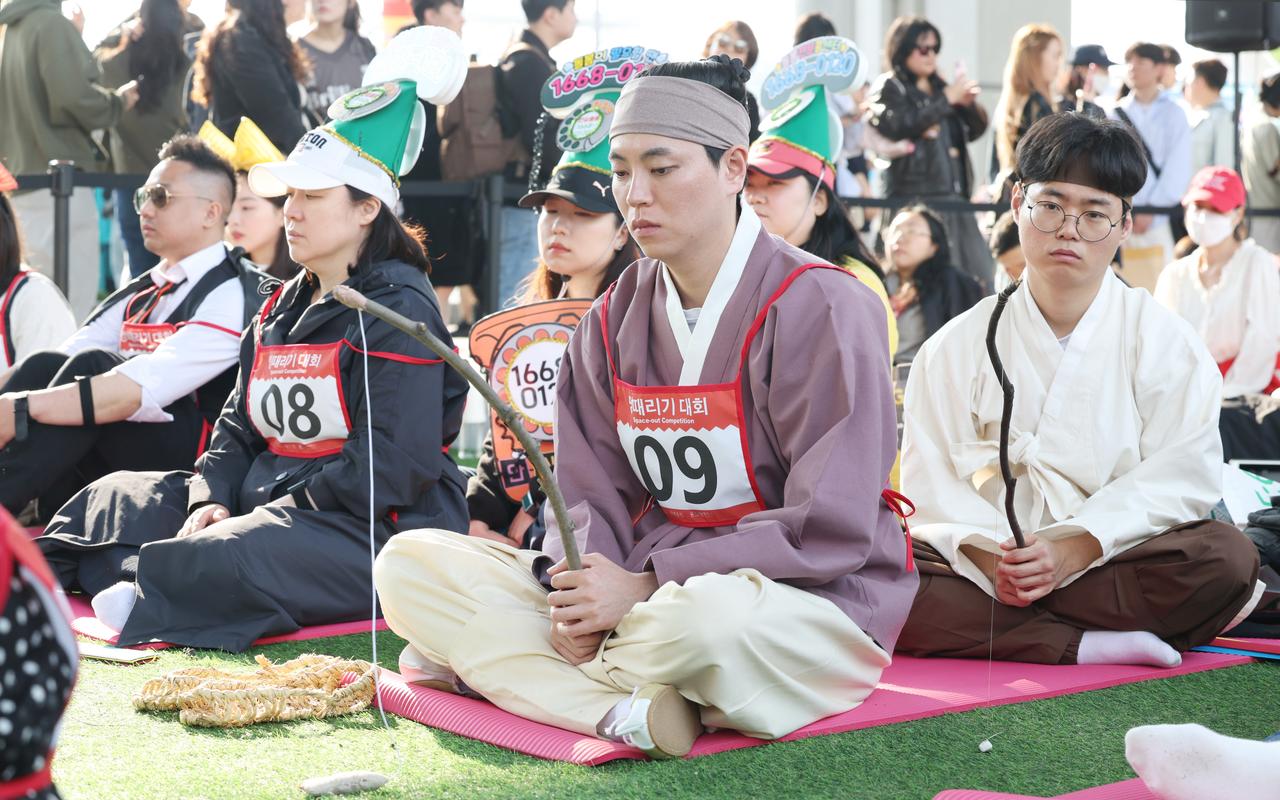
One of the Nothing to Do Competitors (Flickr)
In terms of purpose, The Nothing to Do Competition seeks to make visible the need for rest and mental emptiness in modern urban life. It is known that the competition was launched in 2014 as a public art project, designed as a critique of modern burnout, and has since evolved into a social “ritual.”【2】 In this context, the event offers a public platform to express the pursuit of complete rest and “taking time for oneself” within a competitive and noisy daily life.
The event also engages with contemporary debates about what the mind experiences when “empty.” Neuroscientific interpretations associate silence and stillness with the brain’s default mode network, which is linked to processes such as creativity, memory, and emotional regulation. Correspondingly, findings are cited indicating that solitude and being alone with one’s thoughts can be difficult for many: for instance, one study noted that some participants preferred brief electric shocks over short periods of solitude.【3】 The Nothing to Do Competition brings this tension, identified by such findings, into the public sphere through a format that forces “emptiness” upon participants while simultaneously transforming it into a collective experience.
The emergence of The Nothing to Do Competition is fueled by the tension between individual experience and the shared rhythm of urban life. The creator, Woopsyang, worked in an advertising agency after completing his education in industrial design; his subsequent admission of experiencing burnout grounds the origin context concretely.【4】 During this period, prolonged periods of inactivity generated intense guilt and anxiety; conversely, the idea of making “doing nothing” a deliberate act was seen as a way to alleviate this emotional strain. In an environment where everyone around was constantly working, the collective idea of doing nothing emerged as an escape from the perception of stillness as shameful or indicative of falling behind.
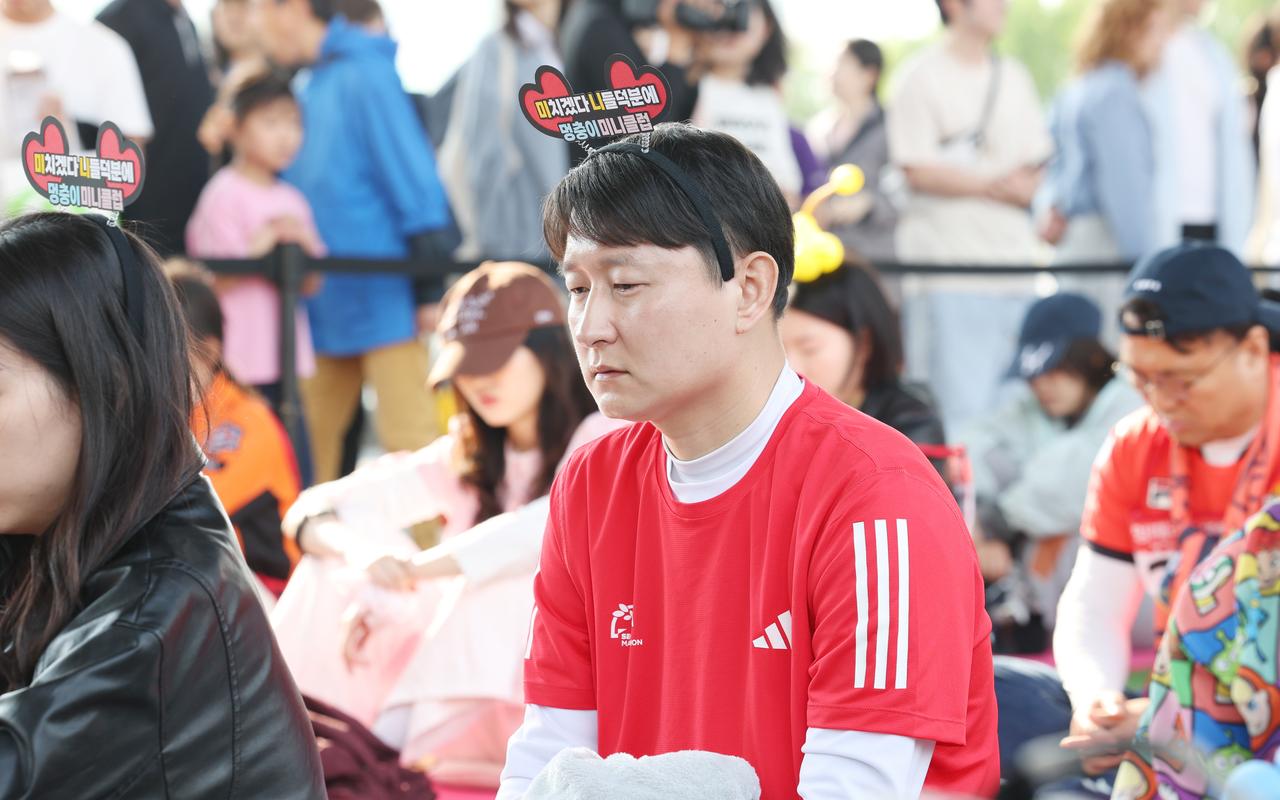
A Couple Participating as a Team (Flickr)
This idea was quickly transformed into a public event format: the first competition was held on October 27, 2014, in Seoul, with the initial aim of encouraging people living in the city’s intense pace to recognize stillness as a legitimate need. Although early slogans framed the idea of mental breaks within the context of the Han River, emphasis was placed on the fact that the initial call found resonance in highly public spaces such as Seoul Plaza. Thus, even in its early years, the competition became a form of performance that transported the practice of private rest into the public realm.
A prominent feature of its development trajectory is the rapid testing of the event at different scales and across diverse geographies. Official chronology records an “international” edition in Beijing on July 4, 2015, and another international competition in Suwon on May 7, 2016.【5】 Within the same year, the Seoul-based regular edition also became clearly established: a separate competition was held on May 22, 2016, along the Han River (Hangang) corridor. Since 2016, the Han River area has become the primary venue for the event; it is now positioned as one of the “main” events in the city’s cultural calendar.
Continuity, interruptions, and turning points are also part of its development trajectory. The competition was not held in 2020 due to the COVID-19 pandemic; otherwise, it has been held annually, establishing itself as a tradition. The 2024 edition was marked as the 10th anniversary, and the memory of the Han River event—such as sharing past winners’ experiences and connecting participants with the previous year’s champion—became a more visible element. In the 2025 edition, competition intensity increased significantly, with approximately 4,500 teams applying and selectivity reaching a ratio of about 57 to 1.【6】 Additionally, notable individuals winning first place in different years—such as singer Crush in 2016 and news anchor Kwon Seo-ah in 2024—has been one of the factors enhancing the competition’s public visibility.
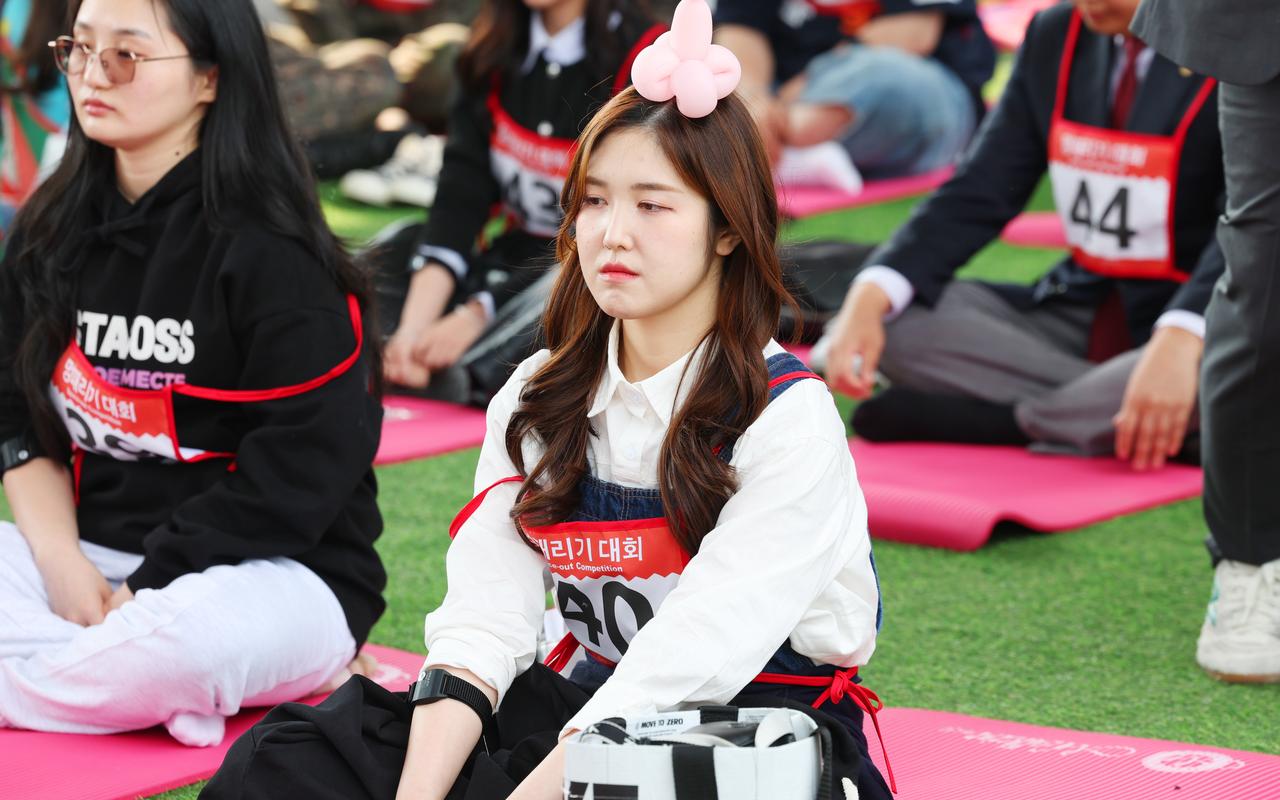
One of the Nothing to Do Competitors (Flickr)
Expansion is not limited to Seoul. Within South Korea, the competition has been regularly organized not only in major cities such as Daejeon, Daegu, Busan, and Incheon, but also in administrative regions such as Gangwon and Jeju, through various public institutions and private companies. On the international scale, as of June 2025, a total of 10 international editions have been held, with recurring editions established in different cities. This pattern demonstrates how the competition evolved from its 2014 origin as a public art idea, into a city tradition centered on the Han River after 2016, and further into a replicable event model at national and international levels.
The format of The Nothing to Do Competition transforms the state of “doing nothing” from a spontaneous moment of rest into a performance defined by time, behavior, and evaluation criteria. The event follows a flow that begins with participants taking their positions on stage and concludes with an award ceremony, with the core being the 90-minute main segment. The entire organizational structure spans approximately three hours, within which participants undergo registration, a brief warm-up/exercise phase (referred to in the event’s terminology as a “doing nothing exercise”), the main segment, and finalization steps.【7】
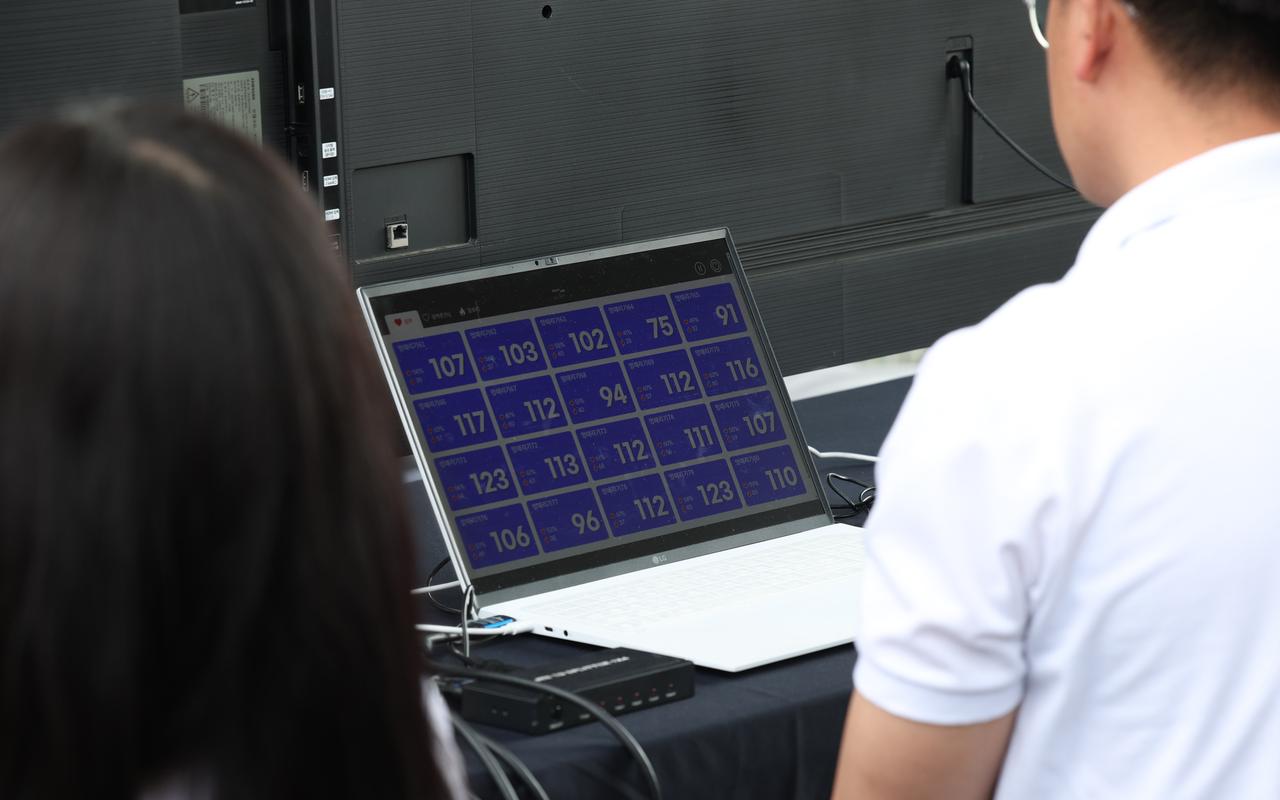
Monitors Tracking Heart Rates (Flickr)
During the main segment, participants are expected to remain calm and motionless within a designated area (usually on a mat), avoid interaction with distracting stimuli, and refrain from any behavior other than “doing nothing.” The rules are deliberately designed to interrupt modern daily habits: checking one’s phone, engaging in conversation, laughing, singing, dancing, or falling asleep are all grounds for disqualification. Similarly, consuming any beverage not provided by organizers—viewed as inconsistent with the event’s “on-site regime”—is also considered disqualifying. This approach reveals that the competition’s principle of “passivity” is defined not only by physical stillness but also by a temporary withdrawal from the economy of communication and attention.
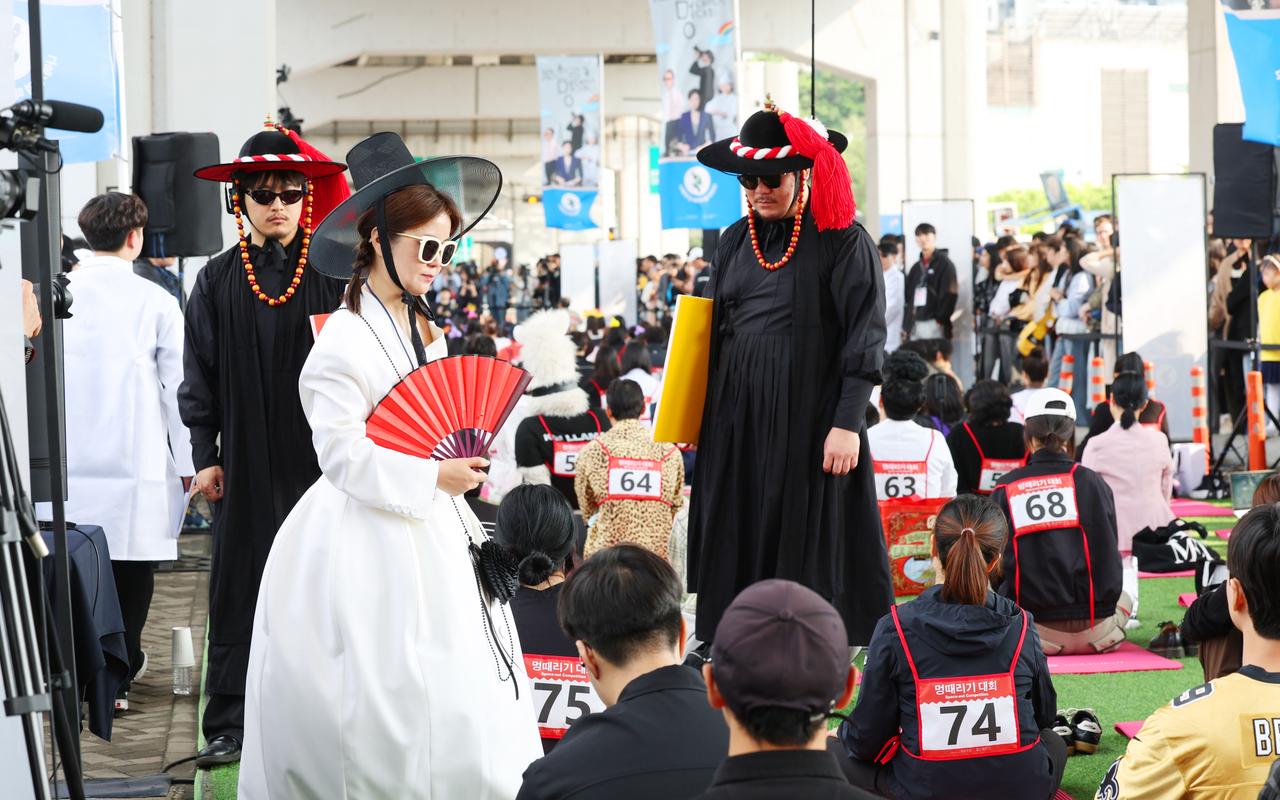
Staff Members Walking Among Competitors (Flickr)
The evaluation system is one of the defining elements of the format. The competition combines scores from audience voting with a technical measurement component. In practice, the fundamental logic is that among participants receiving the highest audience votes, the one with the most stable heart rate graph emerges as the winner. It is noted that heart rate data is monitored throughout the competition and manually checked by staff approximately every 10 to 15 minutes. Thus, a ranking mechanism emerges that distinguishes between outwardly “similar” postures and stillnesses based on physiological stability.
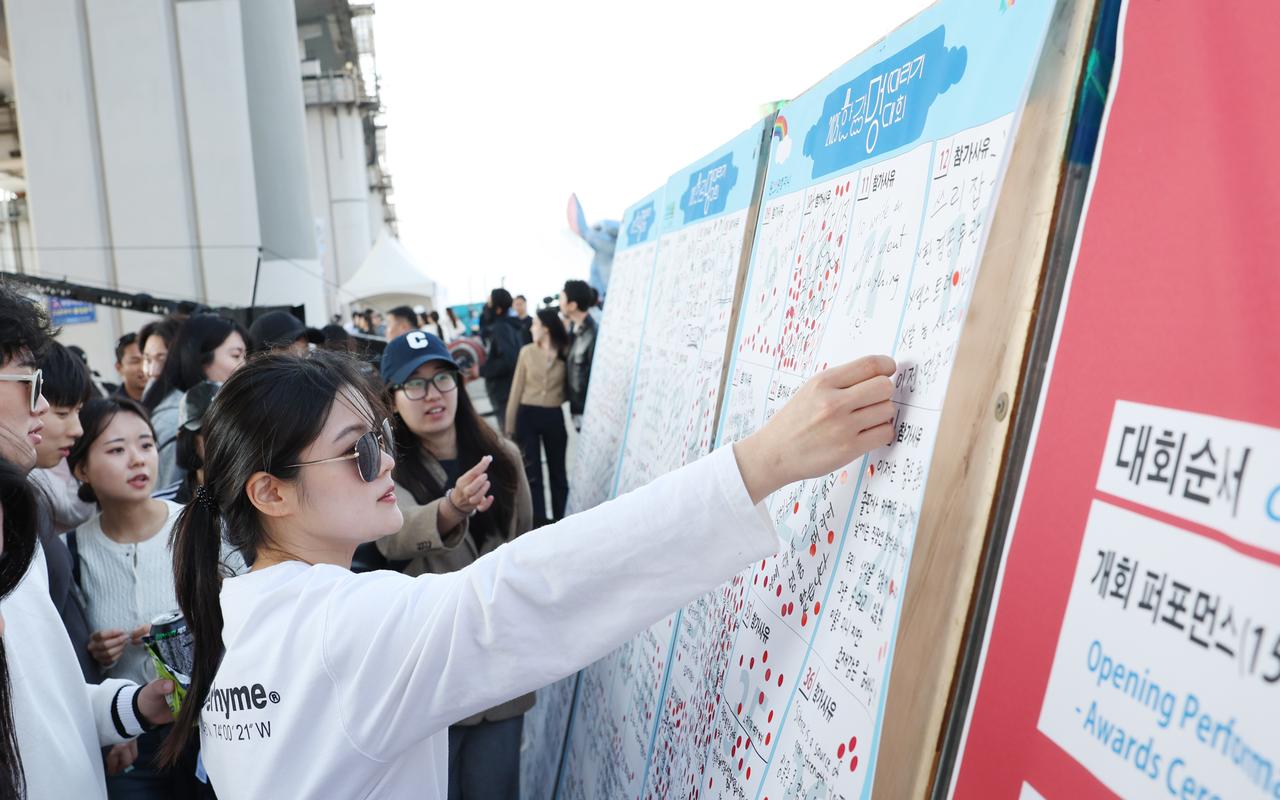
Audience Members Leaving Messages for Competitors (Flickr)
Awarding follows this framework. The first prize includes a cup resembling Rodin’s “The Thinker” (in gold color), along with certificates and badges; in some international editions, additional elements such as an invitation to the next international competition are also awarded. Second and third places receive certificates; all participants are given a participation verification certificate, aiming to preserve the competition’s “competitive” dimension.
This entire set of rules makes visible the competition’s central paradox: the everyday “doing nothing,” which appears ordinary in daily life, becomes here a clearly defined discipline; the competition tests not only the participant’s physical endurance but also their self-regulation capacity against reflexive distractions (phone use, talking, laughing, sleeping).
Since 2016, The Nothing to Do Competition has gained regular visibility along the Banpo Hangang Park corridor on the banks of the Han River in Seoul, as one of the city’s main events. Within this framework, the Jamsu/Jamsugyo Bridge is one of the key structures defining the competition’s spatial identity; in the 2025 edition, it was specifically emphasized that the competition was conducted on the bridge, closed to vehicular traffic. Converting the bridge into a car-free zone creates a safe and controlled environment that supports participants’ prolonged stillness; it also facilitates the management of audience movement, staff mobility, and measurement stations.
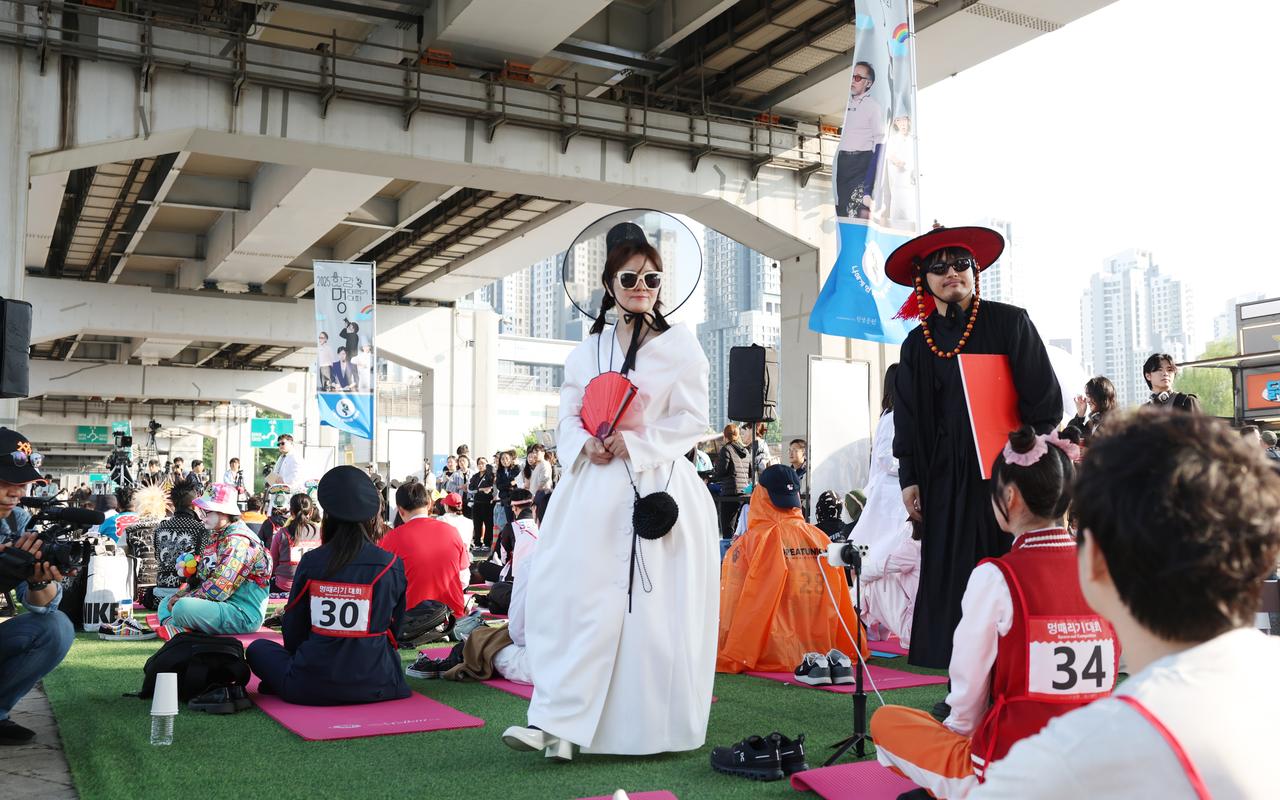
Two Staff Members in Traditional Attire Monitoring Competitors (Flickr)
In terms of timing, the organization connects the 90-minute core segment to a broader flow extending across the venue. After participants are positioned, they undergo a brief warm-up/stretching routine before the competition begins; this is understood as a precaution to reduce potential risks during the “doing nothing” period. Participants, mostly positioned on colorful or pink mats laid on the ground, are spaced apart at defined intervals and made accessible for periodic staff checks. Thus, the goal of “silence and stillness” is sustained without conflicting with logistical needs on-site (measurement, safety, audience lines).
One notable aspect of the organizational structure is the visible signaling system developed for participant management. To enable participants to communicate needs without speaking, a card-based signaling system is used; this allows coordination of support such as water, fans, or brief massages without disrupting the silence regime. Participants deemed to have violated the rules are removed from the competition using an “exit card,” a process conducted under staff supervision to preserve both order and the calm atmosphere. Some staff members are visibly distinguished by distinctive attire (e.g., emphasized as “traditional military uniforms”), making authority and direction functions visible on-site.【8】
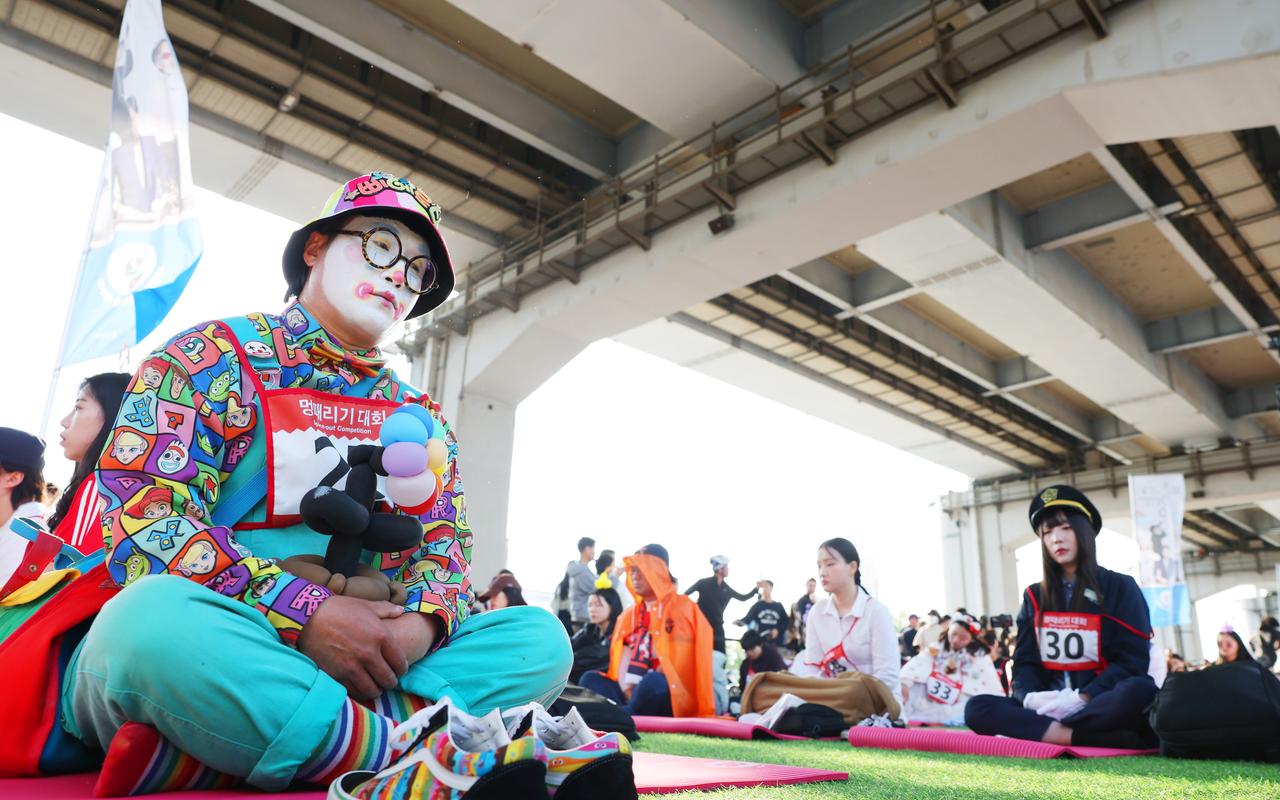
One of the Competitors (Flickr)
Measurement and audience interaction are also components of the organization’s spatial extension. Heart rate checks are conducted every 15 minutes throughout the competition, with a total of six measurements contributing to the final scoring. The movement of teams performing these checks demonstrates that the competition operates as a continuously monitored system. At the same time, the audience’s role is not limited to passive observation: designated voting points are marked, audience preferences are incorporated into scoring, and short texts explaining why participants joined are displayed on panels, with citizens responding to these texts using labels or stickers; this feedback is also integrated into the evaluation process. Thus, the competition is simultaneously regulated through measurement and control, and incorporates audience participation as an integral part of the organization.
Application and capacity management reveal another dimension of the organization’s urban scale. In 2024, to accommodate more people in celebration of the 10th anniversary, the team quota was increased and 10 additional teams were admitted. In 2025, application intensity rose significantly, with approximately 4,500 teams applying and selectivity reaching a ratio of 57 to 1. In contrast, on competition day, the number of participants on-site is drastically reduced; the 2025 edition involved approximately 100 actual participants (through the application-selection-on-site admission chain), indirectly revealing how the event is managed through a selection mechanism.
The participant profile of The Nothing to Do Competition demonstrates that the event addresses not only individual desires for relaxation but also the shared experience of different professional groups in urban life. Participants span a wide spectrum—from students and office workers to nurses, teachers, freelancers, and employees across various service sectors. This diversity becomes visible through the uniforms and clothing choices frequently seen on-site: some participants arrive in professional attire, bringing the roles of daily life (work, caregiving, service, education) onto the competition stage; this visually concretizes the question for spectators: “Who needs rest?”
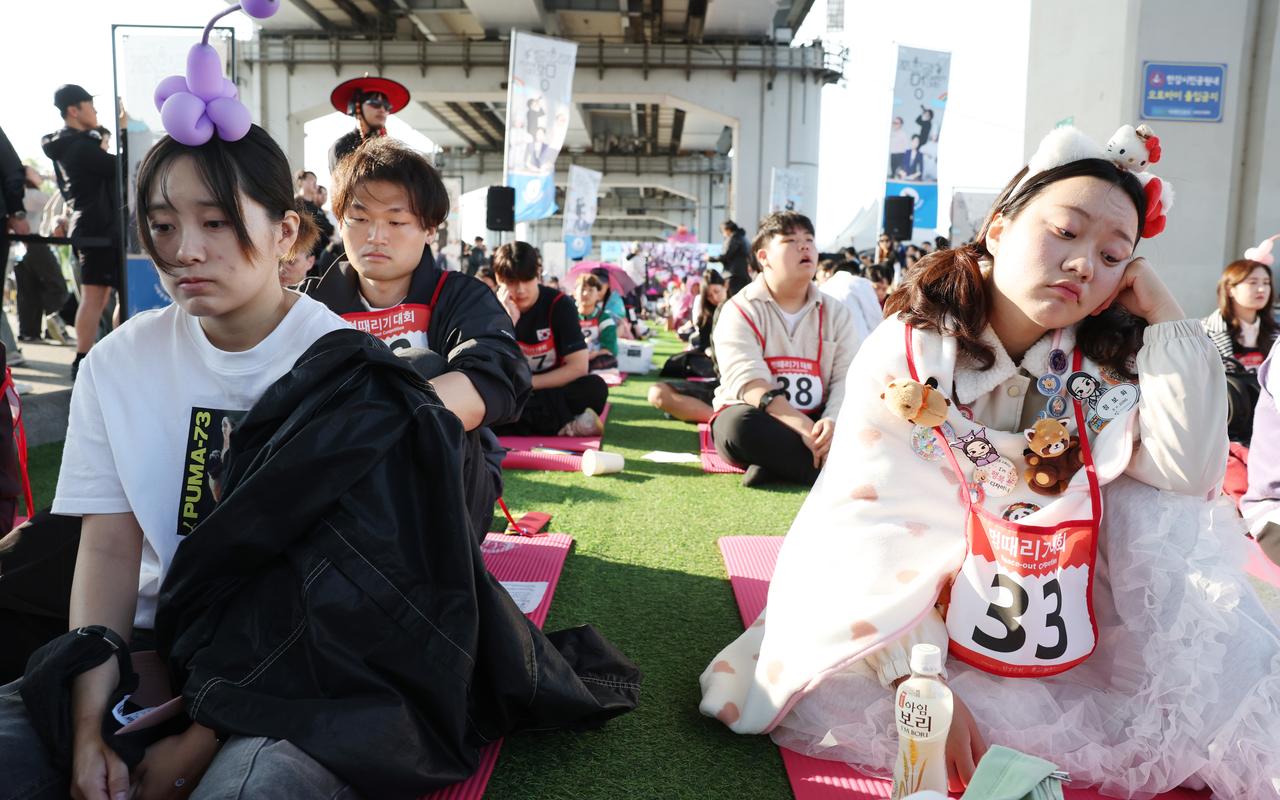
One Frame from The Nothing to Do Competition (Flickr)
Participation is not limited to individuals. It is noted that team participation is permitted, and application volumes are often expressed in terms of “teams.” Team participation enables the practice of “doing nothing” to be structured as a form of collective discipline: participants remain still side by side in the same area, adhering to similar rules. Family participation, especially prominent in international editions, is also notable; for example, some cases feature mothers and children participating together, linking this to daily responsibilities such as children’s sleep schedules or caregiving burdens. Such examples suggest that the competition connects not only with “individual stress” but also with fatigue arising from the continuity of caregiving labor and daily life.
Motivations represent one of the most intense data fields conveying the event’s social meaning. Three main motivational lines emerge from participant statements:
1. Burnout and the Need for Rest: Some participants frame the event as an experience of “complete rest” amid intense work rhythms and mental exhaustion. The competition’s rules (phone ban, silence, remaining still) transform this need into a “mandatory break” that is rarely achievable in daily life.
2. Self-testing and Self-regulation: Although “doing nothing” may appear easy from the outside, narratives within the competition emphasize the difficulty of staying awake for 90 minutes, suppressing reflexive laughter, and remaining motionless despite environmental stimuli. For some, participation is less about relaxation and more about testing self-control and patience.
3. Public Visibility and Sharing: Since the competition transforms an individual rest practice into a public experience, participants experience “staying still” not “alone” but “together.” Audience voting and participants’ expression of their motivations through short messages reinforce this dimension of sharing. In the atmosphere of a city festival, this brings the competition closer to being not just a “performance” but also a “collective ritual.”
Another factor shaping the participant profile is the competition’s increasing visibility over time. The fact that well-known individuals have won first place in certain years—such as singer Crush in 2016 and news anchor Kwon Seo-ah in 2024—is presented as a factor enhancing public awareness of the competition. However, the competition’s structure does not allow it to be read solely through celebrity participation: the extremely high number of applications indicates that a broad segment of the population views the event as a personal space for rest and self-testing.
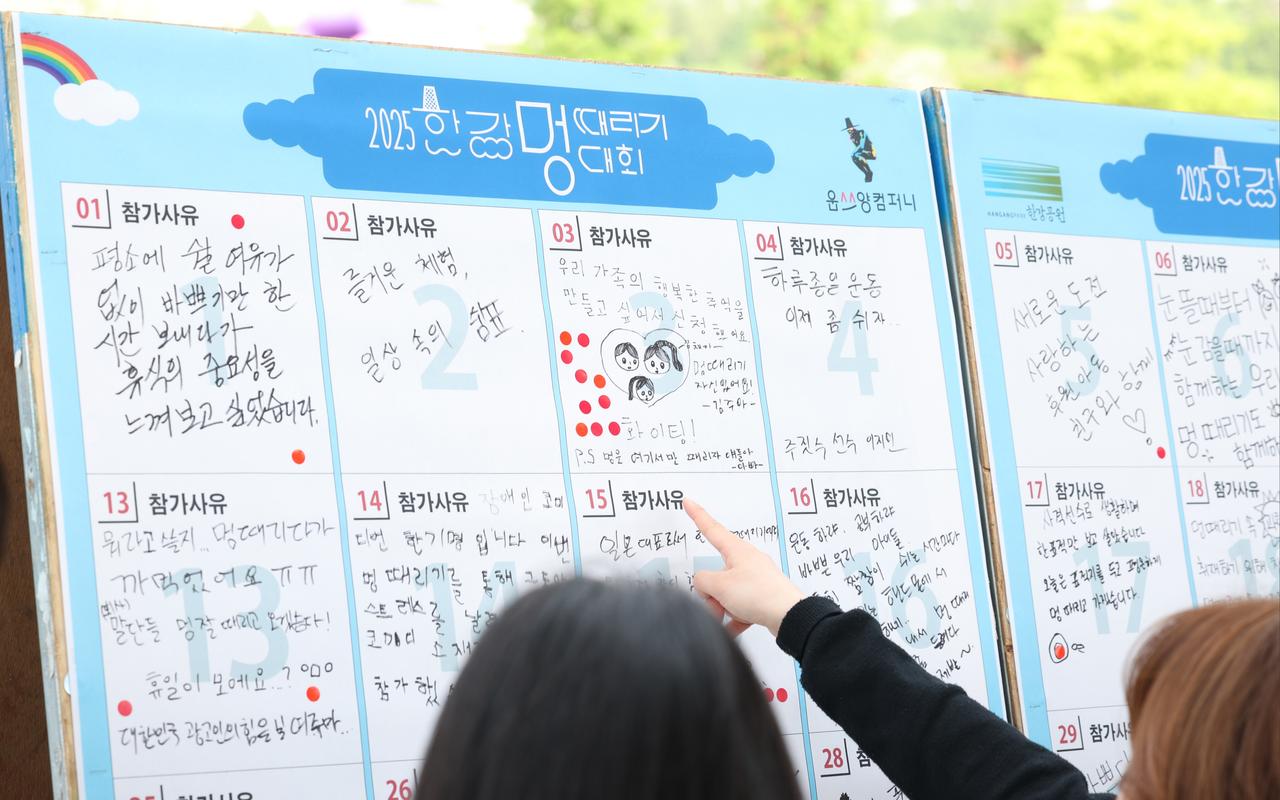
Notes Left by Participants (Flickr)
In conclusion, the participant profile and motivations reflect two dimensions of the competition: on one hand, an individual search for mental emptiness and rest; on the other, a social-level legitimization of “stopping” within a cultural environment where work and productivity dominate.
In The Nothing to Do Competition, the evaluation system transforms the state of “doing nothing” from a mere subjective claim into a rankable performance based on both public perception and measurable biometric data. This approach is one of the competition’s most distinctive features: stillness practices that appear similar from the outside are distinguished by audience preference on one hand and physiological stability on the other.
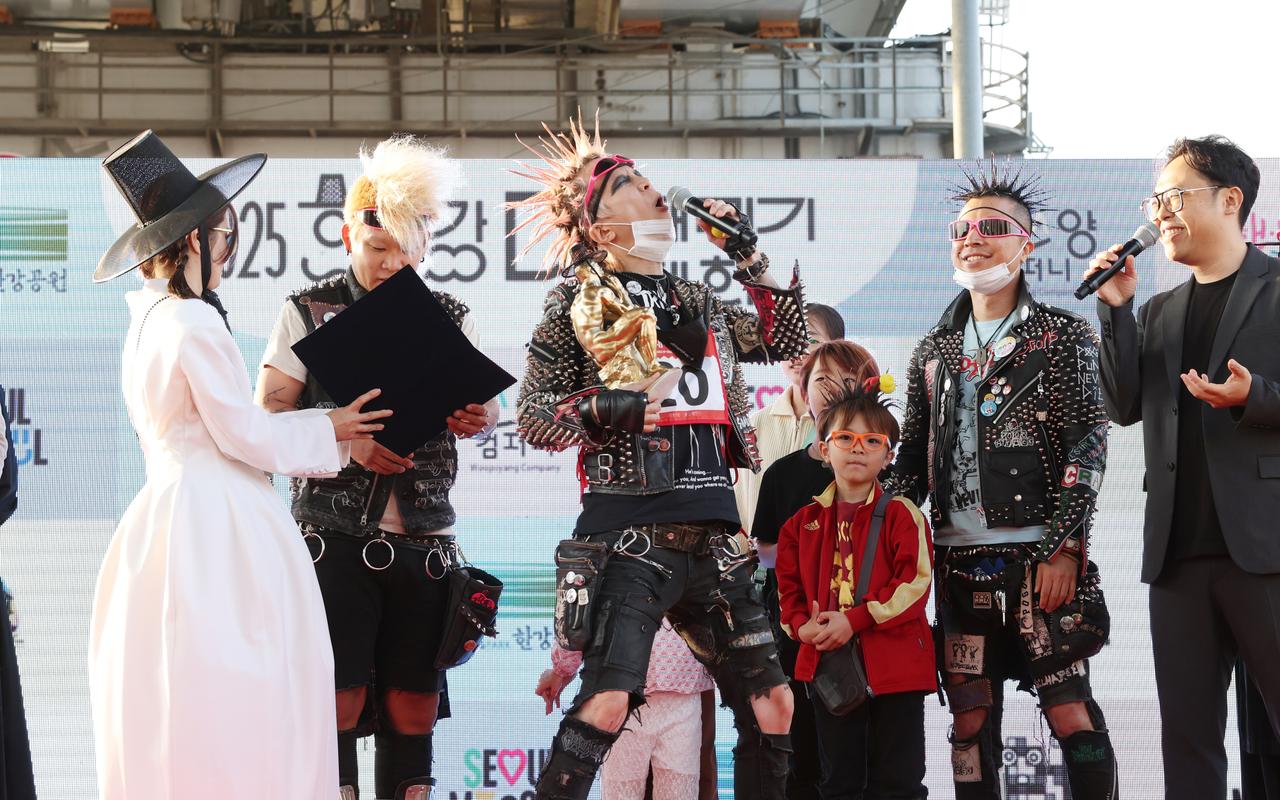
The Winner of The Nothing to Do Competition Holding the Cup (Flickr)
The first component of evaluation is audience voting. The competition area is arranged so spectators can observe participants and cast votes; viewers support the participant they find the “calmest, most stable, or most compelling.” In some editions, short texts explaining why participants joined are displayed on-site, and spectators respond to these texts using labels or similar marking methods.【9】 This mechanism moves the competition beyond a purely inward practice into a social interaction space: both the participant’s posture and its public meaning and resonance are included in evaluation.
The second component is biometric measurement, centered on heart rate. Participants’ heart rates are monitored throughout the competition, and staff conduct manual checks approximately every 15 minutes, with a total of six measurements contributing to the final scoring. The emphasis on “stability” in biometric measurement is crucial: the evaluation logic prioritizes minimal fluctuation in heart rate over the entire 90-minute period rather than momentary low values. Thus, the competition does not view stillness as a mere “pose”; it understands it as a sustained bodily discipline.
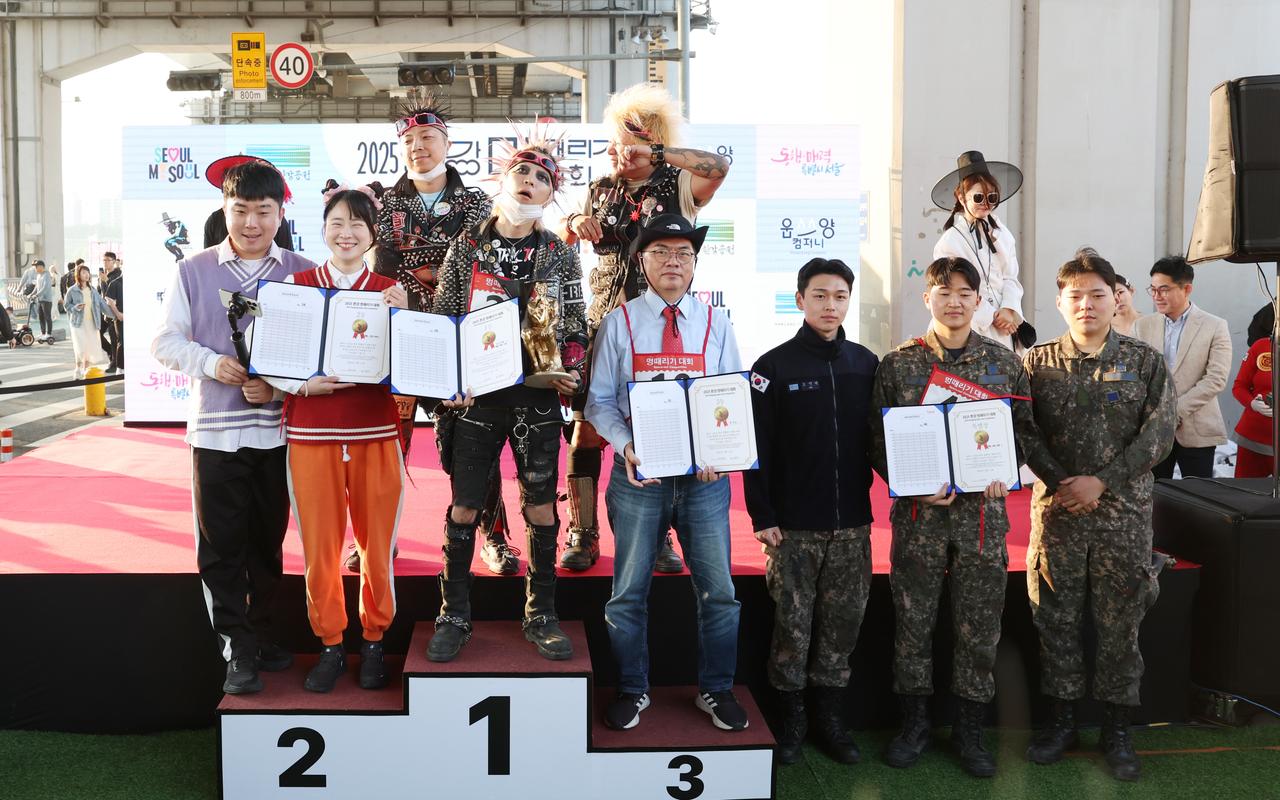
Winners of The Nothing to Do Competition (Flickr)
These two components determine the final structure. In practice, the winner is selected from among the participants receiving the highest audience votes (e.g., the “top group”) based on the most stable heart rate graph. This method supports the competition’s claim to both “public” and “technical” fairness: audience votes represent the social resonance of the performance, while biometric data provides a second layer of validation representing the participant’s bodily and mental control.
Awarding is woven with symbolic elements that support the competition’s artistic identity. The first prize cup is designed to evoke Rodin’s “The Thinker,” accompanied by certificates and badges. Certificates are awarded to second and third place winners, and all participants receive a document verifying their participation, affirming that the competition recognizes participation as “meaningful labor in its own right.” In some international editions, the award may include an additional dimension such as an invitation to the next international competition.
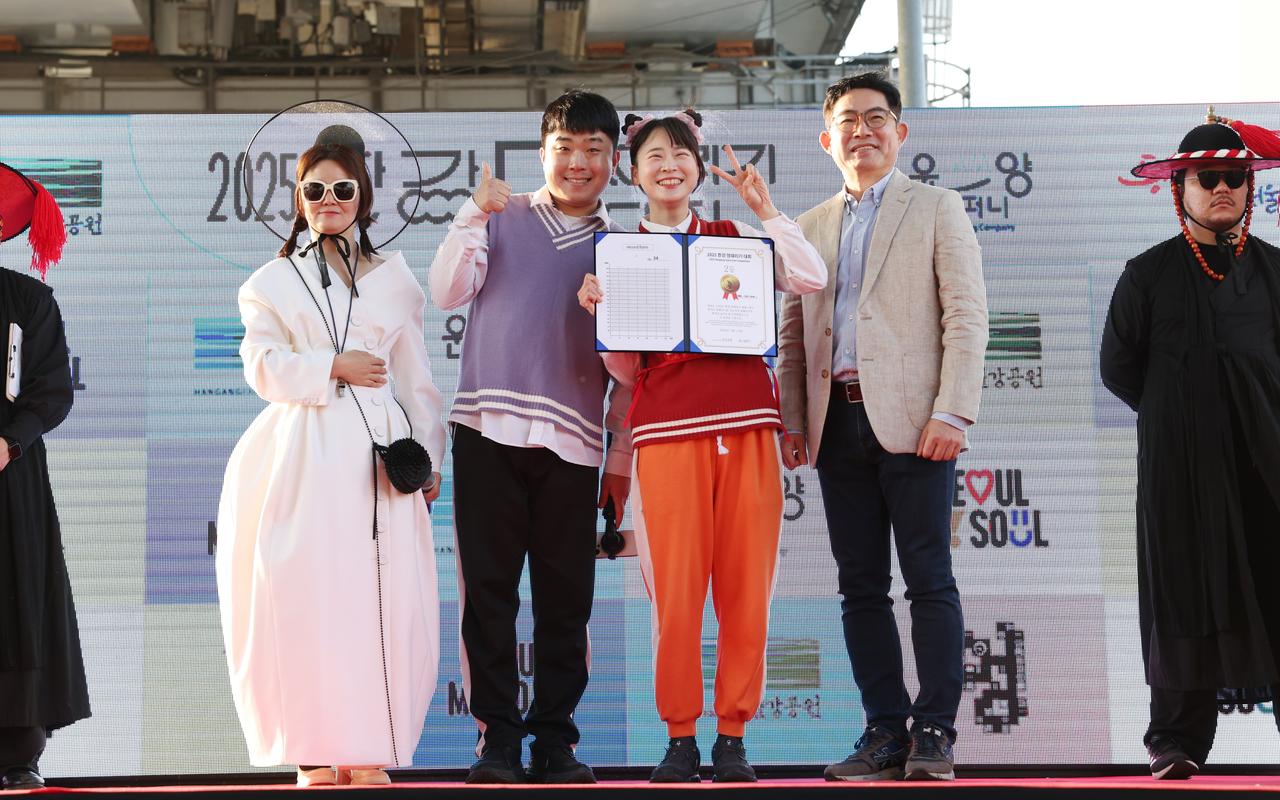
The Team That Came in Second (Flickr)
This system of measurement, evaluation, and awarding reveals the competition’s central tension: although the event advocates “doing nothing,” it does not treat it as a random emptiness but as a rule-bound, observable, and comparable process. Thus, rest, which in modern society often requires justification, is elevated by the competition into the status of a “legitimate performance” through both public and technical criteria.
The social meaning of The Nothing to Do Competition is closely tied to the fact that “rest” in modern urban life has become a behavior often requiring justification. In the competition’s origin narrative, prolonged inactivity is described as generating guilt, while conscious “stopping” is presented as a legitimate need. Within this framework, the competition performs a legitimizing function by placing the act of “doing nothing” into the format of a public event, within a cultural climate where work and productivity dominate. For participants, “emptiness” is no longer a random pause but a practice with defined rules, tested and recognized.
Holding the event along the Han River and especially on car-free bridges like Jamsugyo makes this legitimization visible. Rest and mental emptiness thus move out of private space and become a shared urban experience. Audience voting and participants’ expression of motivations through short texts further contribute to this sharing: the spectator becomes not merely a “viewer” but an agent in the public recognition of the right to rest. Thus, the competition acquires the character of a public ritual organized at the urban scale, rather than an individual practice.
The competition’s social meaning is also constructed around the idea that “doing nothing” can be more difficult than expected. The rules target everyday reflexes such as phone use, talking, laughing, and sleeping, indirectly revealing how powerful the modern attention economy has become. Thus, the competition does not merely address the search for rest but also opens a discussion on distraction and constant stimulation.
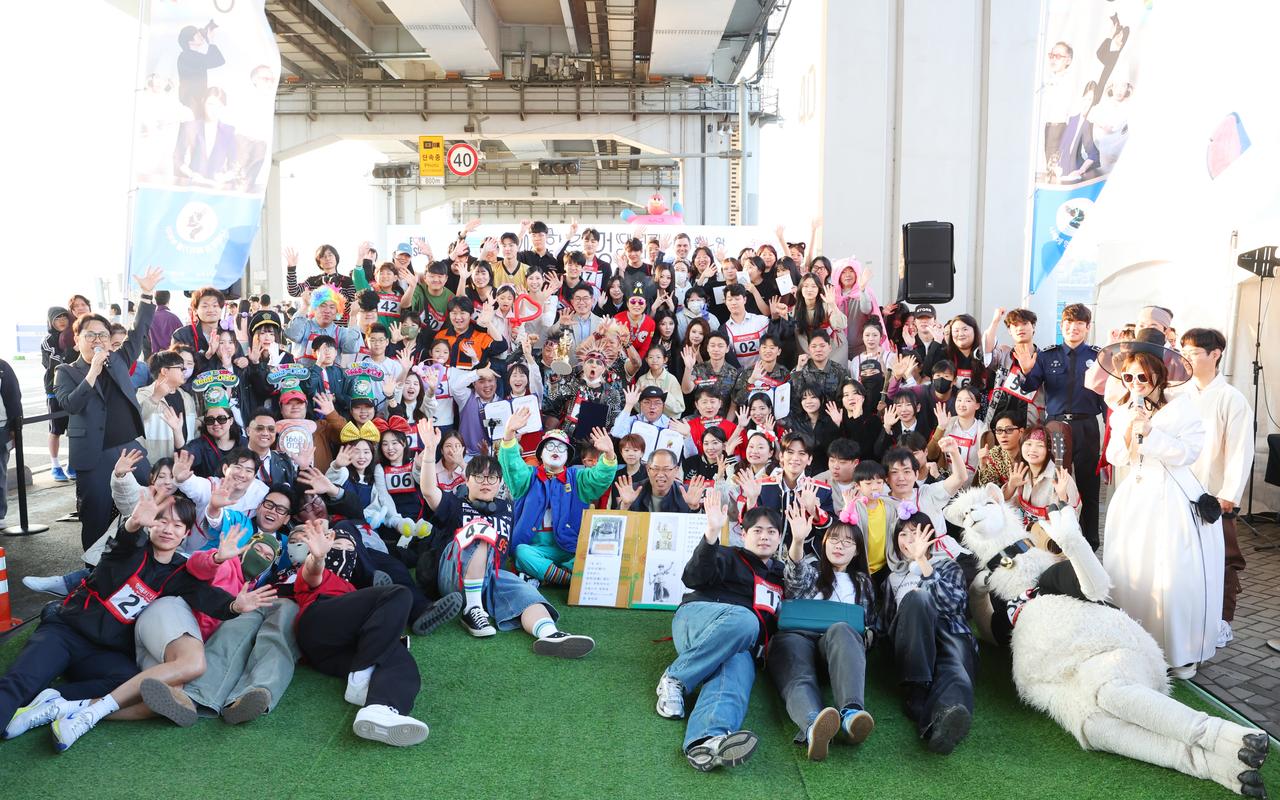
Group Photo Taken After the End of The Nothing to Do Competition (Flickr)
Neuroscientific interpretations associate silence and stillness with the brain’s default mode network, which is linked to processes such as creativity, memory, and emotional regulation. This positions the competition’s concept of “emptiness” not merely as an emotional wish but as a subject of intellectual discourse. Additionally, findings that some people find even brief solitude challenging explain why the competition presents “doing nothing” as a practice that appears easy but is in fact difficult.
The dimension of internationalization demonstrates that the competition has become a transmissible “model.” The inclusion of international editions in Beijing in 2015 and in Suwon in 2016, followed by recurring events in other cities, indicates the format’s adaptability to local contexts. As of June 2025, a total of 10 international editions have been held, providing a quantitative measure of this expansion. Within South Korea, the competition’s expansion beyond Seoul to major cities such as Daejeon, Daegu, Busan, and Incheon, as well as regions such as Gangwon and Jeju, suggests that it has moved beyond being merely a “capital city event” to become a nationally recognized public practice.【10】
Behind this expansion lies a simple yet powerful core: 90 minutes of silence and stillness is an understandable act across diverse cultural contexts; meanwhile, elements such as audience voting and biometric measurement distinguish the event from a simple meditation gathering and preserve its “competition” character. Ultimately, The Nothing to Do Competition has transformed from a local public art idea into a type of event capable of resonating in different contexts because it addresses a shared concern regarding urban life and modern work culture: the value and difficulty of rest.
Da-Hyun, Jung. “‘Space-out’ competition offers respite from stressful, competitive life.” The Korea Times, May 15, 2024. Accessed December 28, 2025.https://www.koreatimes.co.kr/southkorea/society/20240515/space-out-competition-offers-respite-from-stressful-competitive-life
Hyunjin, Shin. “Social Meaning of Communication of the Arts and Form in the Artwork: a Case Study of Woopsyang’s Space-Out Competition.” The Journal of Korean Theatre Studies Association 1, no. 63 (2020): 121–149. Accessed December 28, 2025.https://www.kci.go.kr/kciportal/landing/article.kci?arti_id=ART002597053
Lee, Seung-ku. “Could you do nothing for 90 minutes? In South Korea, it’s a sport.” National Geographic. Accessed December 28, 2025.https://www.nationalgeographic.com/health/article/benefits-of-doing-nothing
Rawat, Preeti, and Minnath Azeez. “Artist stresses need for stillness via Space-out Competition.” Korea.net, September 19, 2022. Accessed December 28, 2025.https://www.korea.net/NewsFocus/HonoraryReporters/view?articleId=234298
Republic of Korea. "2025 Han River Space-Out Competition." Photograph. Flickr. Accessed December 28, 2025.https://www.flickr.com/photos/koreanet/54512139192/in/photostream/.
Republic of Korea. "2025 Han River Space-Out Competition." Photograph. Flickr. Accessed December 28, 2025.https://www.flickr.com/photos/koreanet/54512139202/in/photostream/.
Republic of Korea. "2025 Han River Space-Out Competition." Photograph. Flickr. Accessed December 28, 2025.https://www.flickr.com/photos/koreanet/54512140842/in/photostream/.
Republic of Korea. "2025 Han River Space-Out Competition." Photograph. Flickr. Accessed December 28, 2025.https://www.flickr.com/photos/koreanet/54513004951/in/photostream/.
Republic of Korea. "2025 Han River Space-Out Competition." Photograph. Flickr. Accessed December 28, 2025.https://www.flickr.com/photos/koreanet/54513006041/in/photostream/.
Republic of Korea. "2025 Han River Space-Out Competition." Photograph. Flickr. Accessed December 28, 2025.https://www.flickr.com/photos/koreanet/54513188264/in/photostream/.
Republic of Korea. "2025 Han River Space-Out Competition." Photograph. Flickr. Accessed December 28, 2025.https://www.flickr.com/photos/koreanet/54513188914/in/photostream/.
Republic of Korea. "2025 Han River Space-Out Competition." Photograph. Flickr. Accessed December 28, 2025.https://www.flickr.com/photos/koreanet/54513265738/in/photostream/.
Republic of Korea. "2025 Han River Space-Out Competition." Photograph. Flickr. Accessed December 28, 2025.https://www.flickr.com/photos/koreanet/54513265928/in/photostream/.
Republic of Korea. "2025 Han River Space-Out Competition." Photograph. Flickr. Accessed December 28, 2025.https://www.flickr.com/photos/koreanet/54513266113/in/photostream/.
Republic of Korea. "2025 Han River Space-Out Competition." Photograph. Flickr. Accessed December 28, 2025.https://www.flickr.com/photos/koreanet/54513266208/in/photostream/.
Republic of Korea. "2025 Han River Space-Out Competition." Photograph. Flickr. Accessed December 28, 2025.https://www.flickr.com/photos/koreanet/54513267278/in/photostream/.
Republic of Korea. "2025 Han River Space-Out Competition." Photograph. Flickr. Accessed December 28, 2025.https://www.flickr.com/photos/koreanet/54513267928/in/photostream/.
Republic of Korea. "2025 Han River Space-Out Competition." Photograph. Flickr. Accessed December 28, 2025.https://www.flickr.com/photos/koreanet/54513268023/in/photostream/.
Republic of Korea. "2025 Han River Space-Out Competition." Photograph. Flickr. Accessed December 28, 2025.https://www.flickr.com/photos/koreanet/54513359615/in/photostream/.
Republic of Korea. "2025 Han River Space-Out Competition." Photograph. Flickr. Accessed December 28, 2025.https://www.flickr.com/photos/koreanet/54513361070/in/photostream/.
Seoul Metropolitan Government. “Ever so competitive 2025 Hangang Space-out Competition.” Accessed December 28, 2025.https://english.seoul.go.kr/ever-so-competitive-2025-hangang-space-out-competition/.
Seoul Metropolitan Government. “Seoul Hosts 10th Anniversary ‘Hangang Space-Out Competition’ Next Month to Find the Master of Space-Out.” Seoul Metropolitan Government, April 26, 2024. Accessed December 28, 2025.https://english.seoul.go.kr/seoul-hosts-10th-anniversary-hangang-space-out-competition-next-month-to-find-the-master-of-space-out/
Space Out Competition. "History." Accessed December 28, 2025.https://www.spaceoutcompetition.com/info.
Space Out Competition. "International Space-out Competition." Accessed December 28, 2025.https://www.spaceoutcompetition.com/intl-competition.
Space Out Competition. "Korea National Competition." Accessed December 28, 2025.https://www.spaceoutcompetition.com/koreanational.
Space Out Competition. "Rule." Accessed December 28, 2025.https://www.spaceoutcompetition.com/videos.
[2]
Seung-ku Lee, “Could you do nothing for 90 minutes? In South Korea, it’s a sport,” National Geographic, Erişim 28 Aralık 2025, https://www.nationalgeographic.com/health/article/benefits-of-doing-nothing.
[3]
Seung-ku Lee, “Could you do nothing for 90 minutes? In South Korea, it’s a sport,” National Geographic, Erişim 28 Aralık 2025, https://www.nationalgeographic.com/health/article/benefits-of-doing-nothing.
[4]
Preeti Rawat ve Minnath Azeez, “Artist stresses need for stillness via Space-out Competition,” Korea.net, 19 Eylül 2022, Erişim 28 Aralık 2025, https://www.korea.net/NewsFocus/HonoraryReporters/view?articleId=234298.
[5]
Space Out Competition, “International Space-out Competition,” Erişim 28 Aralık 2025, https://www.spaceoutcompetition.com/intl-competition.
[6]
Seoul Metropolitan Government, “Ever so competitive 2025 Hangang Space-out Competition,” Seoul Metropolitan Government, Erişim 28 Aralık 2025, https://english.seoul.go.kr/ever-so-competitive-2025-hangang-space-out-competition/.
[7]
Space Out Competition, “Rule,” Erişim 28 Aralık 2025, https://www.spaceoutcompetition.com/videos.
[8]
Seoul Metropolitan Government, “Ever so competitive 2025 Hangang Space-out Competition,” Seoul Metropolitan Government, Erişim 28 Aralık 2025, https://english.seoul.go.kr/ever-so-competitive-2025-hangang-space-out-competition/.
[9]
Seoul Metropolitan Government, “Ever so competitive 2025 Hangang Space-out Competition,” Seoul Metropolitan Government, Erişim 28 Aralık 2025, https://english.seoul.go.kr/ever-so-competitive-2025-hangang-space-out-competition/.
[10]
Space Out Competition, “Korea National Competition,” Erişim 28 Aralık 2025, https://www.spaceoutcompetition.com/koreanational.

Competition Name | Space-Out Competition (International) Do Nothing Competition (Turkish) Staring Contest (Original) | ||||||||
|---|---|---|---|---|---|---|---|---|---|
Type | Stillness-themed competition-event | ||||||||
Initiator | Woopsyang | ||||||||
First Edition | 27 October 2014 Seoul | ||||||||
Competition Date | There is no fixed date. Dates vary by city and country. | ||||||||
Purpose | Making the Need for Stillness/Rest Visible | ||||||||
Duration | 90 Minutes (Core Event) 3 Hours (From Start to Finish) | ||||||||
Main Venue | Han River | ||||||||
Rules | Avoiding Singing or Dancing Abstaining from Food and Drink Consumption Avoiding Laughter or Conversation Avoiding Napping Avoiding Looking at the Phone | ||||||||
Evaluation | Audience Voting Technical Scoring (Heart Rate Stability) | ||||||||
Awarding | Badge Gold-colored cup evoking the figure of a thinking man Certificate Participation certificate | ||||||||
Important Participants | Musician Byung-jin Park Singer Crush News anchor Kwon Seo-ah Former short track speed skater Kwak Yoon-gy | ||||||||
Official Website | https://www.spaceoutcompetition.com | ||||||||
No Discussion Added Yet
Start discussion for "Nothing to Do Contest" article
Origins and Development Trajectory
Format and Rules
Space, Timing, and Organizational Structure
Participant Profile and Motivations
Measurement, Evaluation, and Awarding
Cultural-Social Meaning and Internationalization