This article was automatically translated from the original Turkish version.
+1 More
Location | Istanbul, Eyüpsultan, Nişancı | ||||||||
|---|---|---|---|---|---|---|---|---|---|
Architect | Mimar Sinan | ||||||||
Patron | Nişancı Celâlzâde Mustafa Paşa | ||||||||
Construction Date | 950 (A.D. 1543) | ||||||||
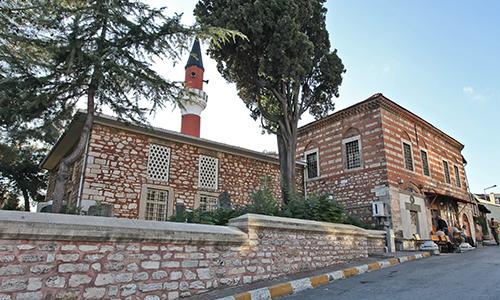
Nişancı Mustafa Paşa Camii is a 16th-century Ottoman structure located in the Nişancı neighborhood of the Eyüpsultan district in Istanbul.
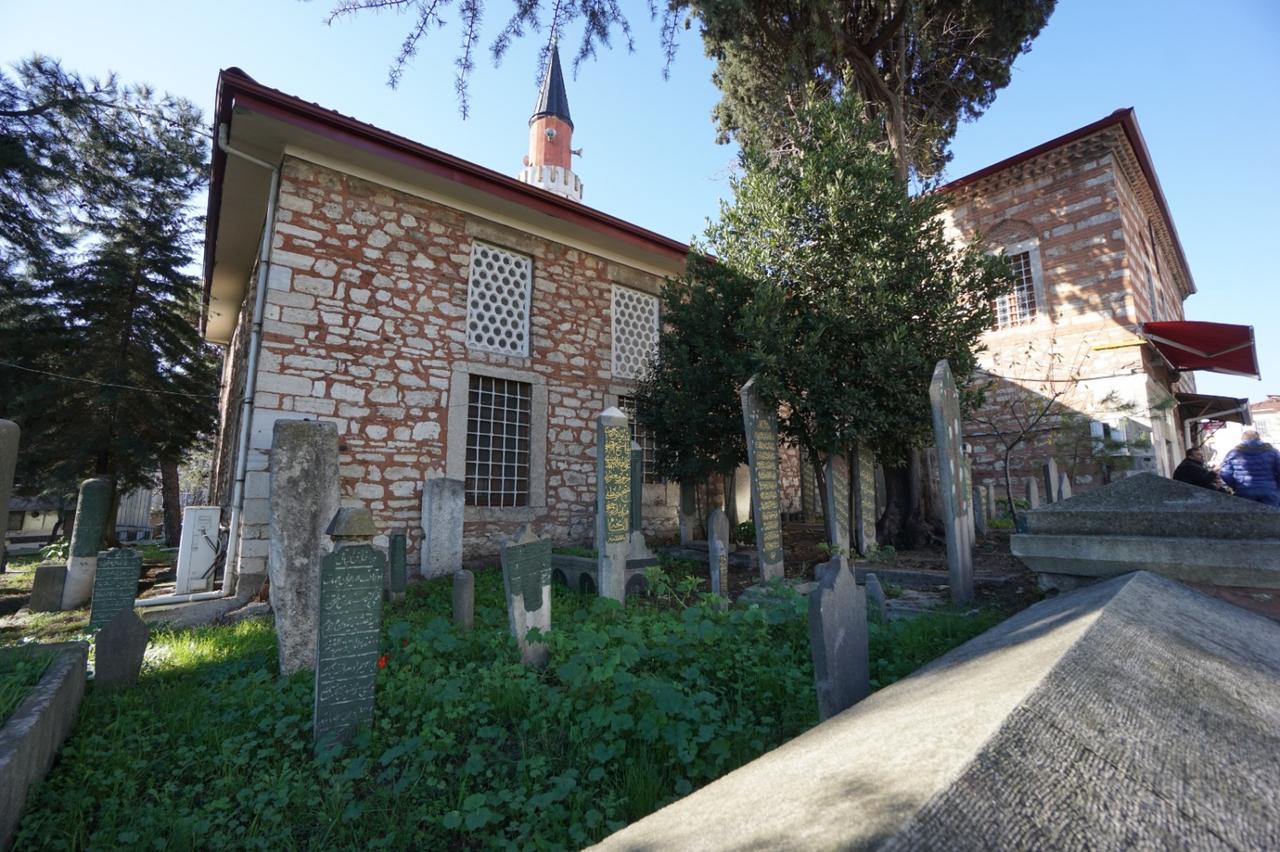
Nişancı Mustafa Paşa Camii (İ.B.B. Kültürel Miras Koruma Müdürlüğü)
The mosque was commissioned by Nişancı Celâlzâde Mustafa Paşa, after whom the neighborhood is named, and who held important positions in the Ottoman bureaucracy. Architecturally, the building is considered part of the corpus of works by Mimar Sinan.【2】
Although no foundation inscription survives on the mosque, various sources date its construction to 950 AH (1543 CE). The patron, Mustafa Paşa, served as nişancı for 23 years during the reign of Kanuni Sultan Süleyman, participated in the Siege of Szigetvár, and was present at the sultan’s death.
He was reappointed as nişancı during the accession of Selim II and remained in this office until his death in 975 (1567). The mosque suffered damage in fires during the 18th century and underwent significant restoration during this period.【3】
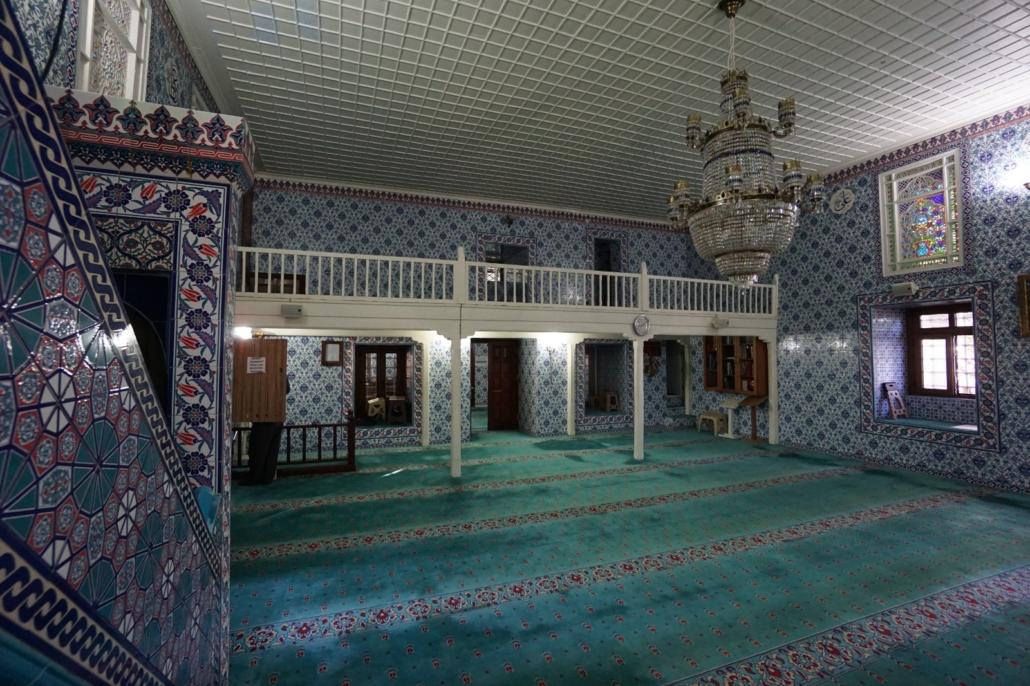
Nişancı Mustafa Paşa Camii features a plan close to square and was constructed using a rubble masonry system with rough stone. The interior is covered by a wooden ceiling and a broken roof. The prayer hall is illuminated by two rows of windows, and a gallery is located on the northern wall.
The final congregation area of the mosque was reconstructed in 1975 in accordance with its original form. The minaret, situated in the northwestern corner of the mosque, has a polygonal shaft. The base and balcony of the minaret are built of cut stone, while the rest of the shaft is covered in cement plaster. The portion of the structure up to the balcony retains its original character.【4】
A large burial ground dating from the 18th and 19th centuries lies to the qibla side and around the mosque. In addition to the founder Mustafa Paşa, several prominent figures of the era are buried here. The tomb of Mustafa Paşa is a circular sarcophagus with a rounded headstone dated 975 (1567). The epitaph on the gravestone reads: “May divine mercy be upon Mustafa, 975.”【5】
Other significant tombs in the burial ground include:
Culture Inventory. "Nişancı Mustafa Paşa Camii." Accessed July 10, 2026.https://kulturenvanteri.com/yer/nisanci-mustafa-pasa-camii/
Eyüpsultan Belediyesi. "Nişancı Mustafa Camii." Accessed July 10, 2026.https://www.eyupsultan.bel.tr/tr/main/pages/nisanci-mustafa-camii/952
İ.B.B. Cultural Heritage Protection Directorate. "Nişancı Mustafa Paşa Camii." Accessed July 19, 2026.https://kulturelmiras.ibb.istanbul/nisanci-mustafa-pasa-camii/
[2]
İ.B.B. Kültürel Miras Koruma Müdürlüğü. "Nişancı Mustafa Paşa Camii." Erişim Tarihi 19 Temmuz 2026. https://kulturelmiras.ibb.istanbul/nisanci-mustafa-pasa-camii/
[3]
Eyüpsultan Belediyesi. "Nişancı Mustafa Camii." Erişim Tarihi 10 Temmuz 2026. https://www.eyupsultan.bel.tr/tr/main/pages/nisanci-mustafa-camii/952
[4]
İ.B.B. Kültürel Miras Koruma Müdürlüğü. "Nişancı Mustafa Paşa Camii."
[5]
Eyüpsultan Belediyesi. "Nişancı Mustafa Camii."
[6]
Eyüpsultan Belediyesi. "Nişancı Mustafa Camii."

Location | Istanbul, Eyüpsultan, Nişancı | ||||||||
|---|---|---|---|---|---|---|---|---|---|
Architect | Mimar Sinan | ||||||||
Patron | Nişancı Celâlzâde Mustafa Paşa | ||||||||
Construction Date | 950 (A.D. 1543) | ||||||||
No Discussion Added Yet
Start discussion for "Nişancı Mustafa Mosque" article
History and Construction
Architectural Structure
Burial Ground and Tomb Structures