

`istanbultarihi` Related Article Results
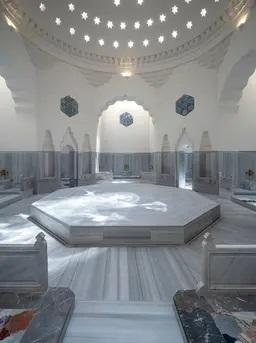
Zeyrek Çinili Hamam Museum
Zeyrek Çinili Hamam is a structure located in the Kırkçeşme Neighborhood of İstanbul’s Fatih district, and is considered among the distinguished examples of Ottoman bath (hamam) architecture. It was built in the 16th century by Mimar Sinan upon the request of Barbaros Hayreddin Paşa, the Kaptanıderya (Grand Admiral) of the Ottoman navy. Although the building was neglected for many years, it regained function in 2023 after comprehensive restoration work that began in 2010 and lasted for thirteen
EN
Melahat Pamuk
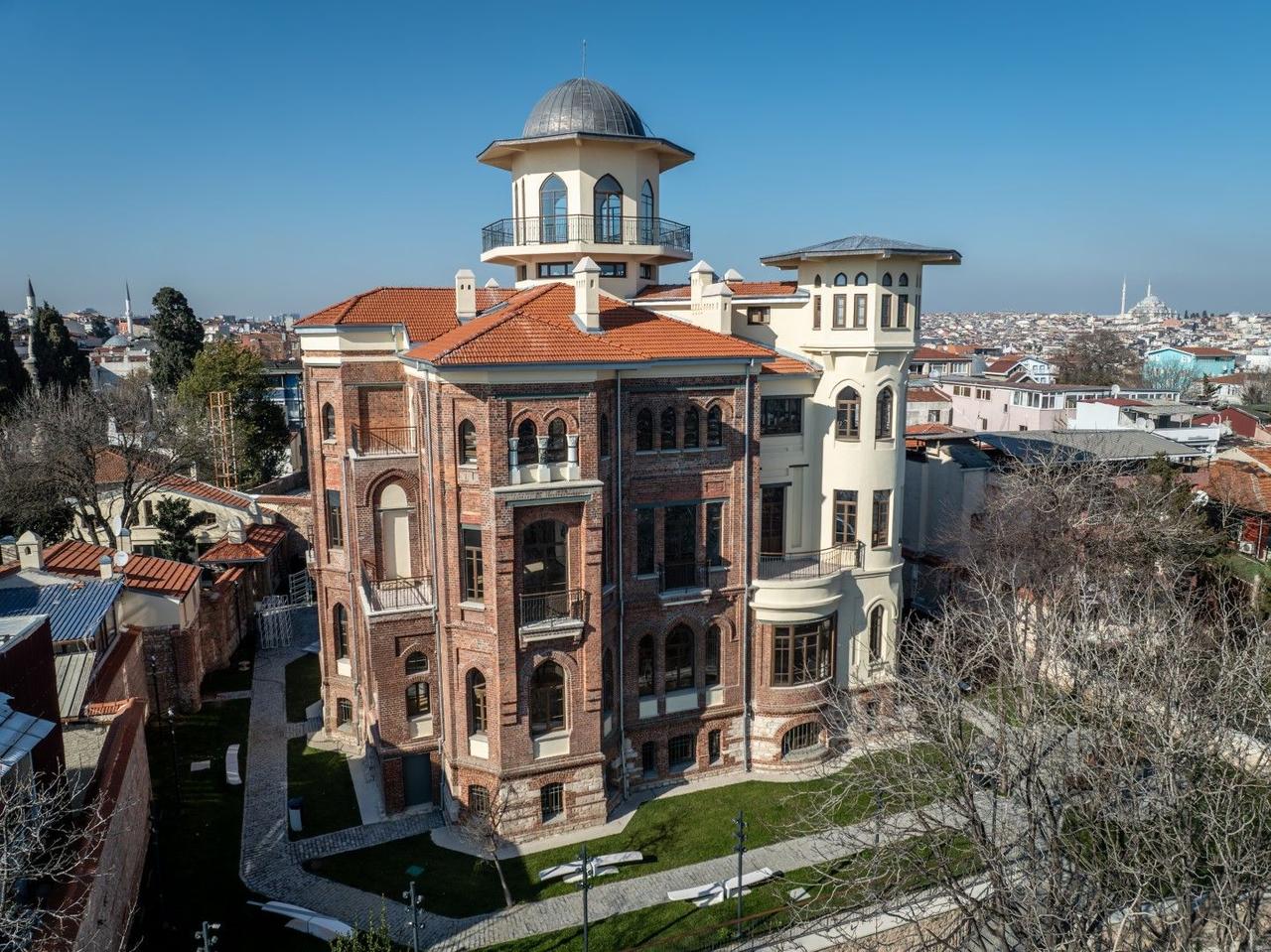
Bulgur Palas
Bolulu Habib Bey Mansion, or as it is known, Bulgur Palas, is an example of early 20th-century civil architecture located on Kocamustafapaşa Hill, one of the seven hills of the city, in İstanbul’s Fatih district. The building is one of the structures that narrates İstanbul's urban history through its construction process, which is related to the political and economic developments of the period, and its different phases of use. Architectural Features Bulgur Palas is located within a courtyard su
ENMelahat Pamuk
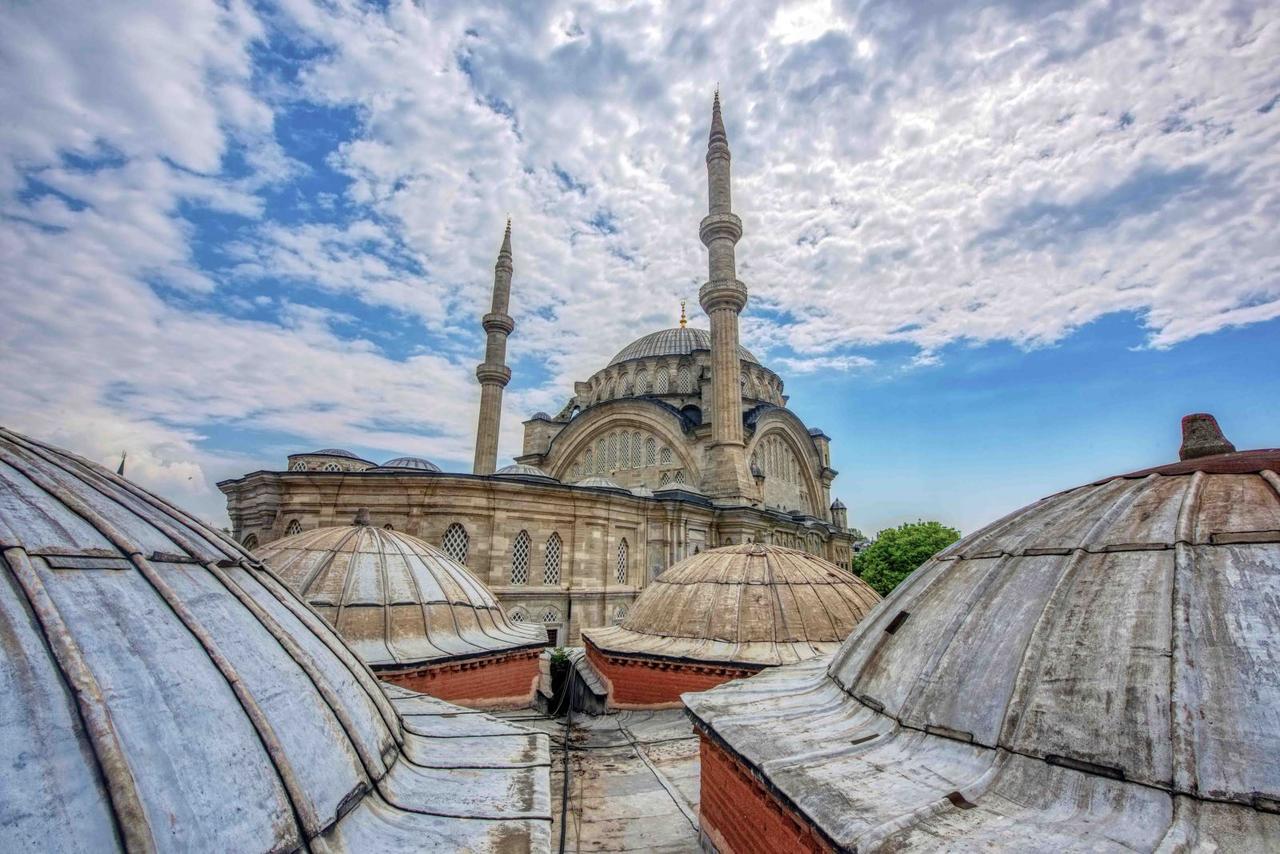
Nuruosmaniye Mosque
Nuruosmaniye Mosque is a mosque built in the 18th century and considered one of the most important works of the Ottoman Westernization period. The word “Nuruosmaniye” means “the light of the Ottomans.” Nuruosmaniye Mosque is located in Istanbul’s Nuruosmaniye district (Molla Fenari Neighborhood), on Vezirhan Street. In the place where the mosque now stands, there used to be the masjid of Fatıma Hatun. The construction initiated by Sultan Mahmud I in 1748 was halted upon his death; it was then co
ENMelahat Pamuk
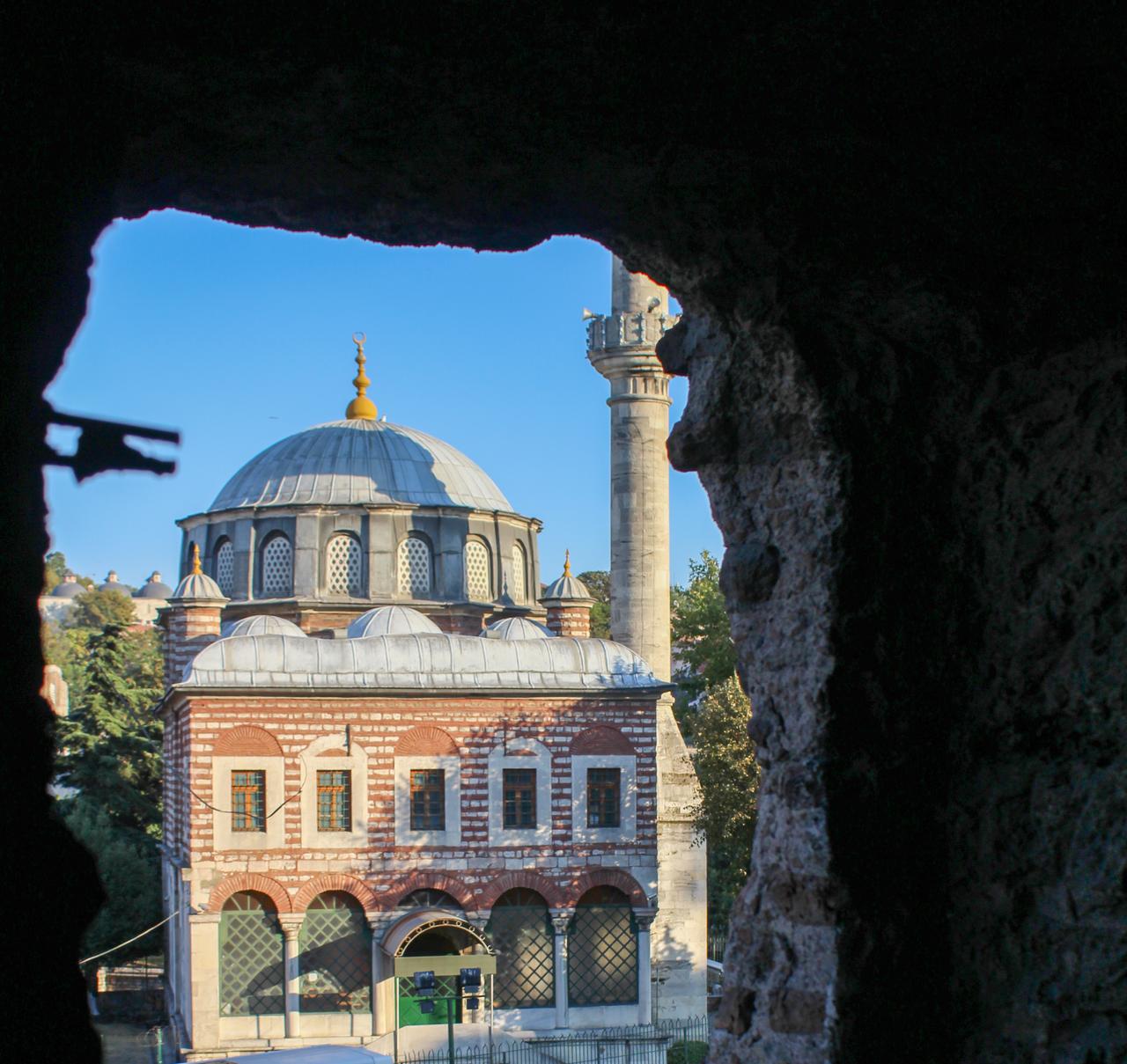
Şebsefa Hatun Mosque
Şebsefa Hatun Mosque is a mosque located on Atatürk Boulevard in Unkapanı, in Istanbul’s Fatih district. It was commissioned by Şebsefa Fatma Hatun, the sixth consort (kadınefendi) of Sultan Abdulhamid I, in the last quarter of the 18th century. The mosque is part of a small-scale complex consisting of a cemetery (hazire), an elementary school (sıbyan mektebi), shops, and fountains. Şebsefa Hatun Mosque (Photo: Melahat Pamuk) " image-element-format="right" image-source="https://cdn.t3pedia.org/m
ENMelahat Pamuk
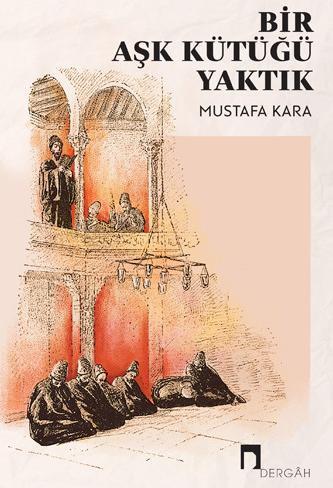
We Set Fire to a Log of Love (Book)
Bir Aşk Kütüğü Yaktık (We Set Fire to a Log of Love) is a work by Prof. Dr. Mustafa Kara that compiles articles, essays, and studies that shed light on the history of Turkish Sufism. It was published in October 2023 as part of Dergâh Publications' Contemporary Islamic Thought series. Subject The book examines the development of Sufi culture in Istanbul and Bursa through the symbolism of the expression "we set fire to a log of love, and threw it over Anatolia," which refers to the mission of Abdu
EN
Muhammed Samed Acar
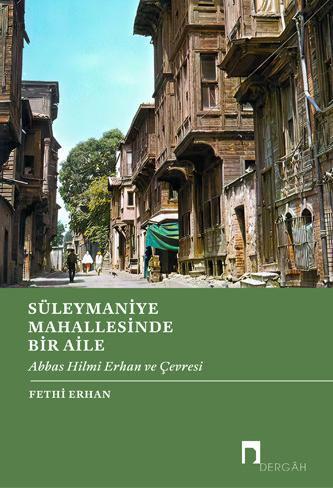
A Family in the Süleymaniye Neighborhood (Book)
A Family in the Süleymaniye Neighborhood (Süleymaniye Mahallesinde Bir Aile) is a memoir written by Fethi Erhan and published by Dergâh Publications in April 2024. The work provides a detailed account of the author's family life in Istanbul's Süleymaniye and Vefa neighborhoods between 1914 and 1969, including their neighborly relations and the social structure of the period. Subject Summary Since Fethi Erhan was born in Süleymaniye in 1944, the book narrates the life of his family and their surr
ENMuhammed Samed Acar

Ramadans of Old Istanbul (Book)
Old Istanbul Ramadans (Eski İstanbul Ramazanları) is a work of a memoiristic and social-historical nature, authored by Halit Fahri Ozansoy (1891-1971), one of the prominent poets and writers of the Fecr-i Âtî and Beş Hececiler (The Five Syllabists) periods. Published by Dergâh Publications as part of its "Anatolia Library" series, the book conveys in detail the Ramadan atmosphere, traditions, and social life of Istanbul in the final periods of the Ottoman Empire and the early years of the Republ
ENMuhammed Samed Acar
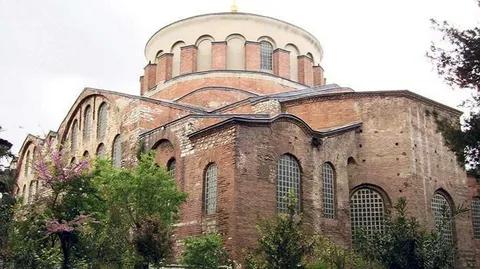
Hagia Irene Church Museum
The Hagia Irene Church is an early Byzantine structure located in the first courtyard of Topkapı Palace in Istanbul. Having served both religious and military functions throughout its history, the structure embodies traces of different eras under one roof. Today, it continues to function as a cultural venue, hosting concerts and exhibitions. History The Hagia Irene Church is located within the first courtyard of Topkapı Palace in the historical peninsula of Istanbul. It stands out as one of the
EN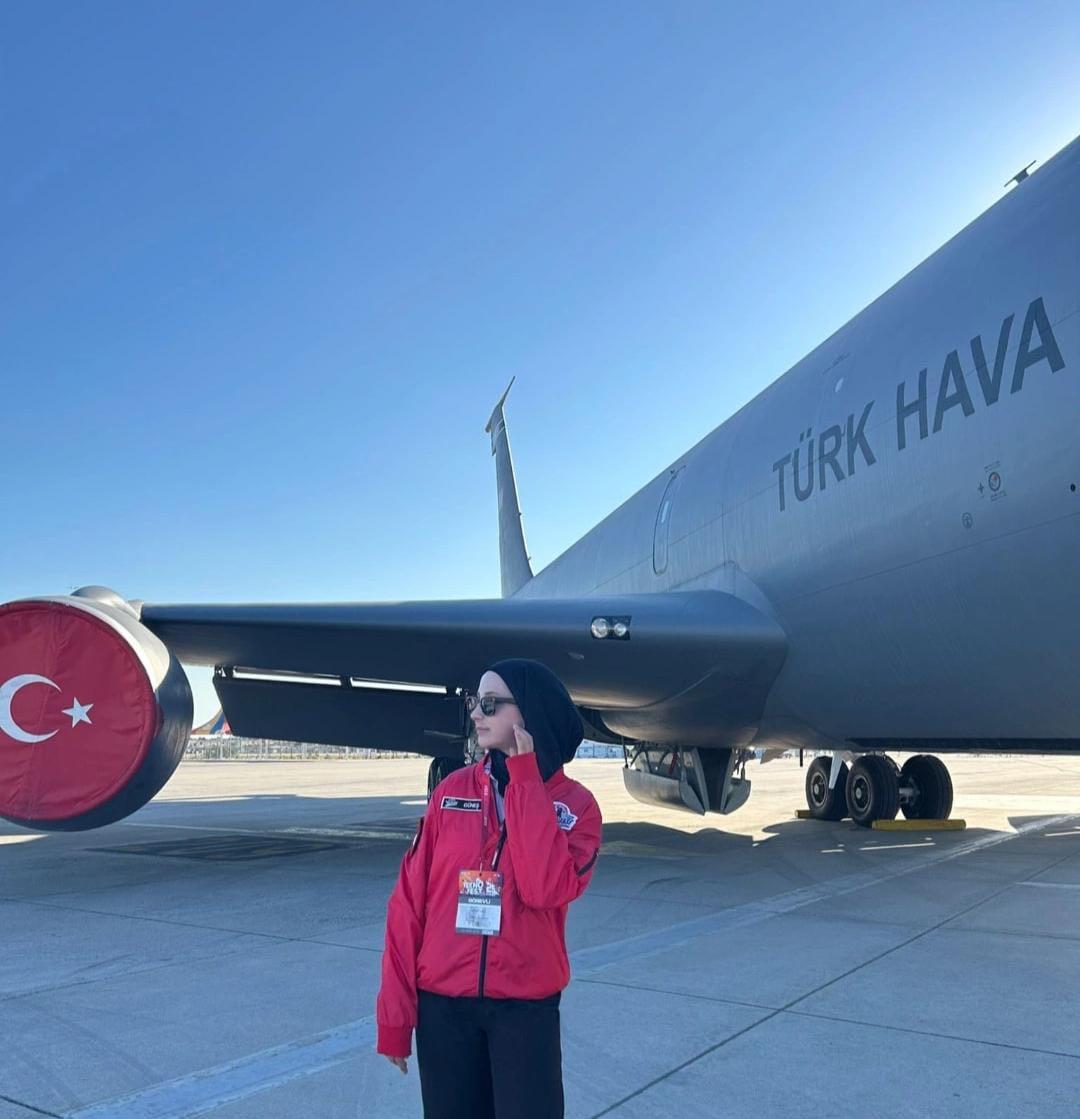
Ahsen Güneş
Air Force Museum
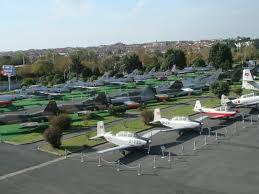
The Air Force Museum is located in the Yeşilköy district of Istanbul, Türkiye, adjacent to the military airport. The museum is one of the main institutions documenting the history of Turkish aviation. Its collection includes various aircraft models as well as materials related to the historical development of the Turkish Air Force and the evolution of aviation science. The museum complex includes both open-air exhibition areas and indoor exhibition halls. With this structure, it offers visitors
ENAhsen Güneş
Mirmiran Mehmet Ağa Türbesi
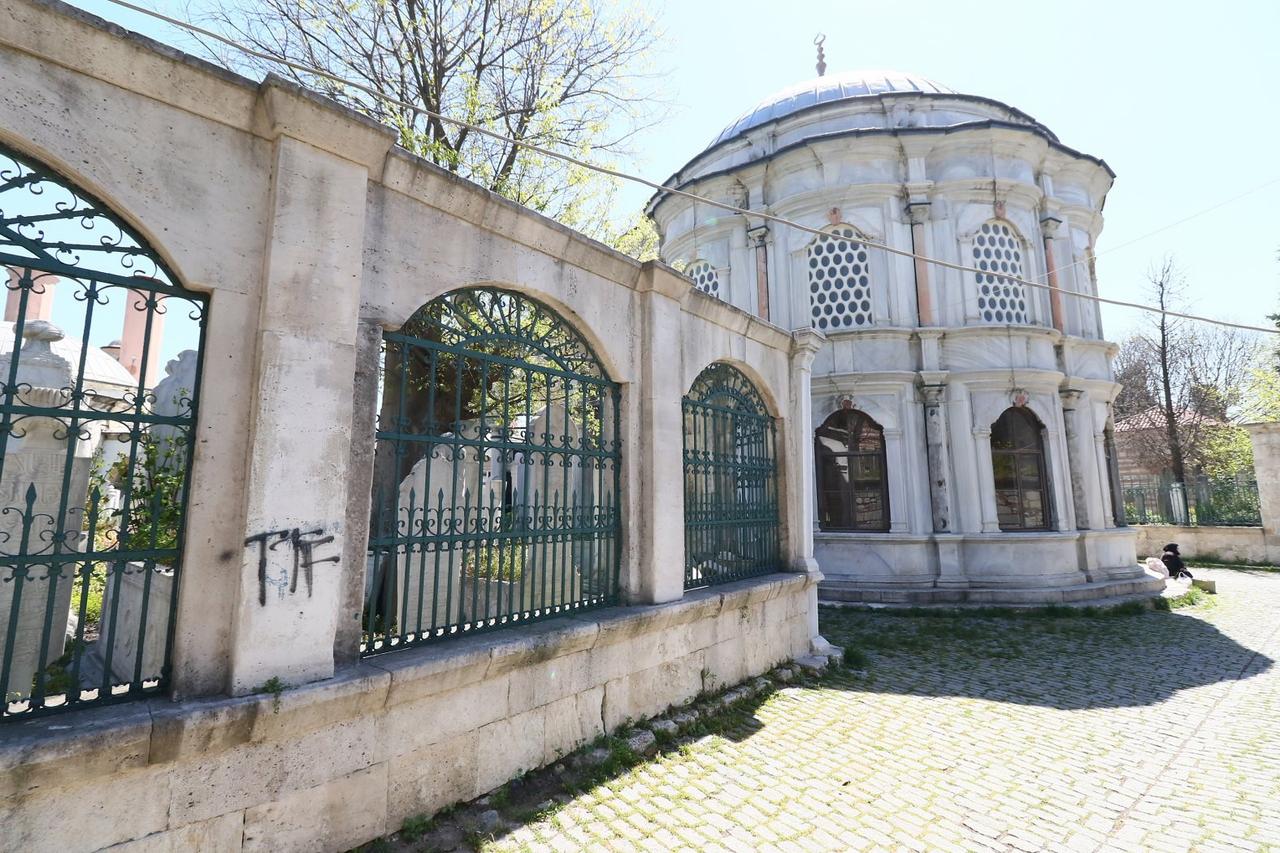
The Mirmiran Mehmet Ağa Türbesi is located in the Eyüpsultan district of İstanbul, between Camii Kebir Caddesi and Beybaba Sokağı. The main entrance to the complex is situated on Beybaba Sokağı. The türbe is situated within a large courtyard, which contains a well.【1】 Architectural Structure and Exterior Facade Design The structure is built of cut stone and has a ten-sided plan with a single dome. None of the ten sides feature windows; however, the facades with window openings are arranged in a
EN
Gözde Cabadak