


This article was automatically translated from the original Turkish version.
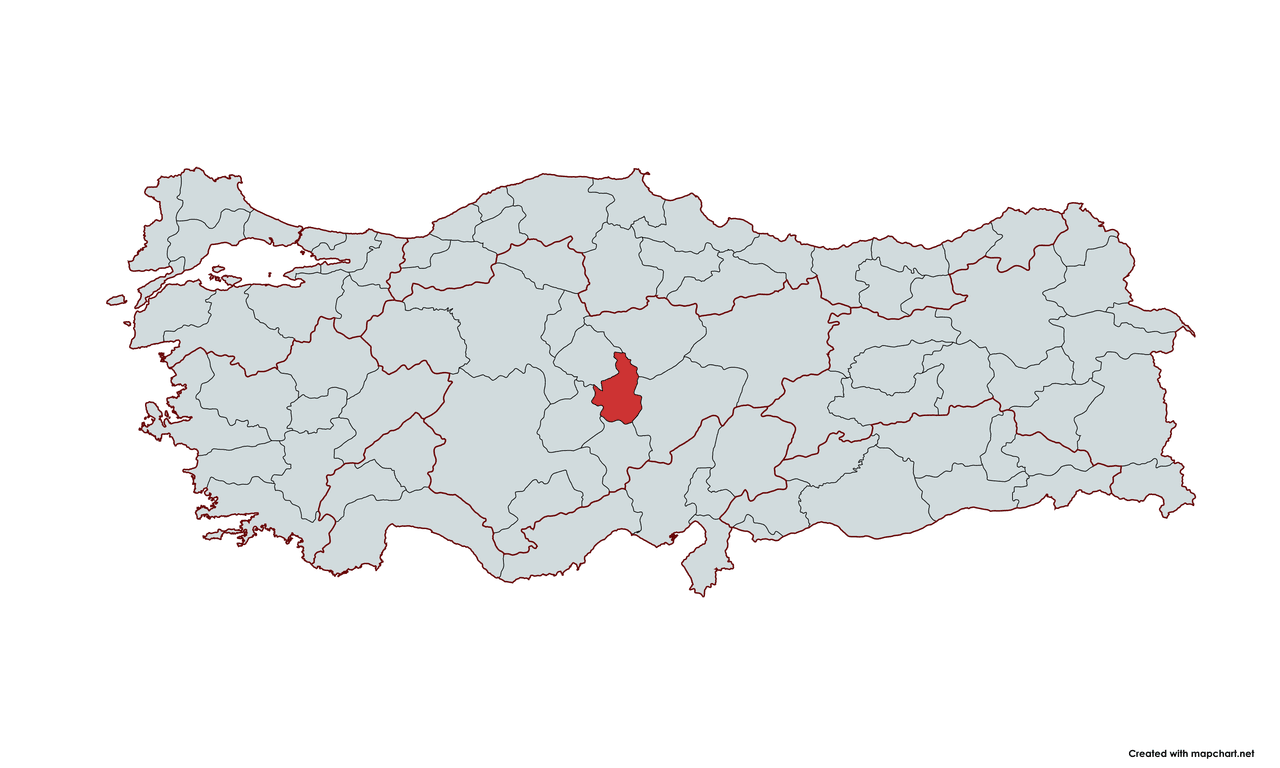
Nevşehir
Country | Türkiye | ||||||||
|---|---|---|---|---|---|---|---|---|---|
Region | Central Anatolia Region | ||||||||
Population | 317952 | ||||||||
Area (km²) | 5467 | ||||||||
Climate | Continental Climate | ||||||||
Important Places | Cappadocia, Göreme, Derinkuyu, Asmalı Konak, Kızılçukur | ||||||||
Area Code | 0384 | ||||||||
License Plate Code | 50 | ||||||||
Governor | Ali Fidan | ||||||||
Metropolitan Municipality Mayor | Rasim Arı | ||||||||
Nevşehir is a province located in the Central Anatolia Region of Türkiye. Known as the center of Cappadocia, Nevşehir offers a major tourist destination characterized by its rock formations, fairy chimneys, and underground cities. Additionally, due to its volcanic history, the region possesses a rich geological structure. Nevşehir also has a rich historical past, having served as a home to various civilizations including the Hittites, Persians, Romans, Byzantines, Seljuks, and Ottomans. This historical heritage has been preserved through numerous ancient cities, churches, mosques, and other structures.
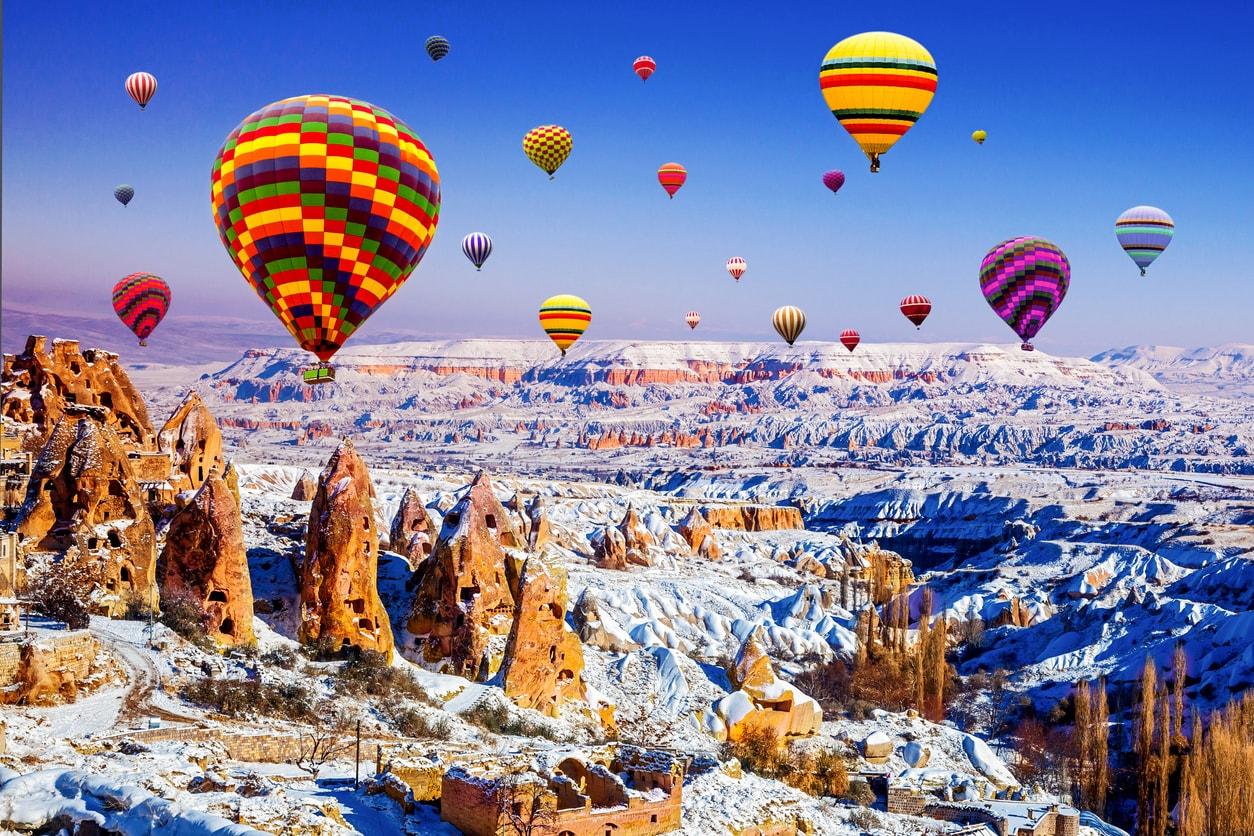
Nevşehir, Cappadocia
Nevşehir’s economy is largely based on agriculture, tourism, and mining. The worldwide fame of Cappadocia’s tourist attractions plays a significant role in the province’s economic structure. Key agricultural products in the region include viticulture, apples, and potatoes. Moreover, traditional crafts such as onyx stone carving and pottery are important economic activities in Nevşehir. With its natural and cultural heritage, Nevşehir holds strategic importance at both regional and national levels.
Since ancient times, the region has been one of its significant settlements and has hosted various civilizations throughout history. Its strategic location, particularly along trade routes and through its underground cities, has drawn considerable attention. Throughout history, Nevşehir came under the influence of major civilizations such as the Hittites, Persians, Romans, Byzantines, Seljuks, and Ottomans. In the 18th century, it acquired a modern urban identity through the development initiatives of Ottoman Grand Vizier Damad İbrahim Pasha. The city, which gained provincial status during the Republican era, today stands out for its historical heritage and tourism potential.
Nevşehir’s earliest known name is believed to have been Nyssa; however, it remains uncertain whether this name referred to present-day Nevşehir or to the village of Nar. From around 1650 BCE, the region remained under Hittite rule for an extended period. In the 12th century BCE, it came under the influence of Aegean migrations, and in the 7th century BCE, it was affected by invasions from the Cimmerians and Scythians from the Caucasus. Later, it continued to exist as an important settlement during the Assyrian, Persian (550–332 BCE), Kingdom of Cappadocia, Roman, and Byzantine periods.
During the Byzantine era (6th–9th centuries), Nevşehir and its surroundings became a refuge area for Christian populations, with underground cities constructed by carving into the soft rock. With the arrival of Islamic incursions into Anatolia in the 7th century, the region became a border zone between Muslims and Byzantines. At the same time, the spread of iconoclasm in Byzantium led to an increase in the Christian population in the region.
After the Battle of Manzikert in 1071, Nevşehir was incorporated into Seljuk territories, but following the Battle of Kösedağ in 1243, it fell under the influence of the Mongol Ilkhanids. In the mid-14th century, the region passed under the control of the Eretnids and later the Karamanids. Although the Ottomans captured the region in 1398, after the Battle of Ankara in 1402, it was returned to the Karamanids by Timur. Nevşehir was definitively conquered by the Ottomans in the 15th century and incorporated into Ottoman administration.
After coming under Ottoman rule, a village named Muşkara existed on the site of present-day Nevşehir. In the early 18th century, Ottoman Grand Vizier Damad İbrahim Pasha initiated a major construction project, transforming Muşkara village into a town. This newly established settlement was named “Nevşehir” in 1725 and was also referred to as “Nevşehr-i Dilârâ” in Ottoman bureaucratic correspondence.
Damad İbrahim Pasha commissioned the construction of a mosque, medrese, caravanserai, bathhouse, primary school, and public kitchen. During this period, Nevşehir became an important center. Throughout the 18th and 19th centuries, it continued to grow within the Ottoman urban system, remaining a major center for agriculture and trade.
In 1924, Nevşehir was a district center subordinate to Niğde; it attained provincial status in 1954. During the Republican era, the city developed through viticulture, agriculture, and trade, eventually becoming a prominent center due to tourism.
Nevşehir and its surroundings became one of the most important centers of Cappadocia and, beginning in the 1980s, emerged as a major tourist destination attracting large numbers of visitors. In the 2000s, increasing tourism activities began to constitute a significant portion of the city’s economy.
Nevşehir is a province located in the Central Anatolia Region, near the center of the area known as Cappadocia. Covering a vast area, Nevşehir is renowned for its historical, cultural, and natural beauty. It borders Aksaray to the east, Konya to the west, Niğde to the south, and Kırşehir to the north. Geographically, although Nevşehir lies within the steppe structure of Central Anatolia, it features a diverse topography.
The most distinctive feature of Nevşehir’s geography is its predominantly volcanic rock formations, which have created the world-famous rock structures and fairy chimneys characteristic of Cappadocia. To the west and south of Nevşehir, high mountains and volcanic plateaus dominate, while the eastern areas are flatter and covered with fertile agricultural land. The highest mountain in the region is Mount Erciyes, rising to nearly 3,000 meters. Mount Erciyes has become not only a major center for mountaineering and winter sports in Nevşehir but also for surrounding provinces.
One of Nevşehir’s most important geographical features is the presence of underground cities. Most of the rock settlements in the Cappadocia region were constructed underground. These settlements were built throughout history to protect the local population from wars and enemy raids. These underground cities enhance Nevşehir’s historical richness and geographical appeal.
Nevşehir’s natural wealth extends beyond its fairy chimneys. The region is also notable for its valleys, volcanic rocks, reservoirs, and underground water sources. Particularly Kızılçukur Valley, Güvercinlik Valley, and Ihlara Valley are among the region’s unique natural wonders. These valleys attract tourists with hiking trails, rock churches, and caves adorned with frescoes.
This geographical diversity enables Nevşehir to develop in agriculture, tourism, and culture. Moreover, settlements in the region are typically filled with homes carved from volcanic rock, which serve as important elements reflecting the area’s historical heritage.
Nevşehir has a continental climate characterized by hot, dry summers and cold, snowy winters. Summer temperatures can reach up to 35°C, while winter temperatures can drop to -10°C. However, higher altitude areas in Nevşehir experience a cooler climate. These climatic conditions allow for the cultivation of key agricultural products such as wheat, barley, sugar beet, and potatoes. Additionally, grape and watermelon cultivation are widespread. The valleys and fairy chimneys of Cappadocia form the region’s unique natural structure and hold great significance for tourism.
As of 2024, the population of Nevşehir province is 317,952. Population density remains slightly below the national average due to the region’s geographical structure and climatic conditions. The provincial capital, Nevşehir city, is the largest settlement and also serves as the economic, cultural, and administrative center. Furthermore, the tourist appeal of Cappadocia results in a significantly higher temporary population during the summer months due to both domestic and international tourists. In rural areas, population density is lower, with villages and towns being the predominant settlement types.
Nevşehir’s economy is largely based on agriculture, animal husbandry, and tourism. The region, with its fertile soils, is known for producing crops such as grapes, potatoes, pumpkin, and apples. In addition to grapes and apricots, the region’s internationally renowned product, the unique “Nevşehir potato,” stands out as a major agricultural commodity. Moreover, many farms in the province contribute significantly to the livestock sector through sheep and cattle breeding.
The largest economic sector in Nevşehir is tourism. As a key part of Cappadocia, Nevşehir attracts domestic and international tourists with its natural and cultural richness. Fairy chimneys, underground cities, historic churches, and valleys form the foundation of tourism activities in the region. Additionally, hotels, restaurants, and tour companies in the area make substantial contributions to the tourism sector. Traditional crafts such as pottery and onyx stone carving are also important economic sectors contributing to the local economy.
Pottery holds an important place in Nevşehir’s economy and is particularly associated with the district of Avanos. Pottery is a tradition in Cappadocia dating back to ancient times, even to the Hittite period. Avanos has become an ideal region for ceramic production due to the high-quality clay brought by the Kızılırmak River and the suitable clay deposits in its surroundings. The fatty red clay used in pottery is processed through various methods to produce a superior ceramic paste. This paste is shaped by skilled artisans and typically sold as handmade pottery at local markets and to tourists.
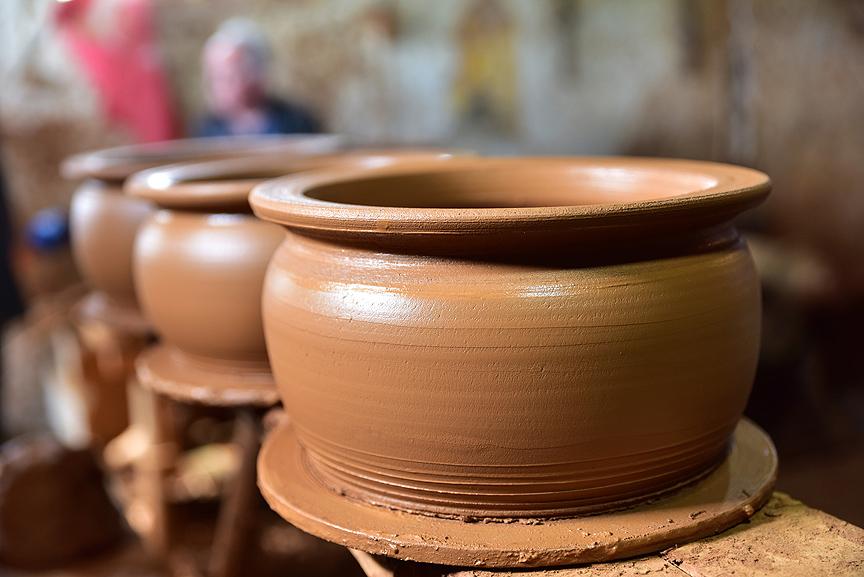
Pottery
Onyx stone craftsmanship also occupies an important position among Nevşehir’s traditional crafts. Onyx stone, found abundantly around Hacıbektaş, typically appears in white, pink, red, and black colors. Its veined structure allows for the creation of aesthetic decorative items through color combinations. Onyx is used in the production of personal accessories, jewelry, and household items. This stone craftsmanship, shaped by hand and adorned with various motifs, has become both a source of livelihood for the local population and a contributor to the region’s handicraft tourism.
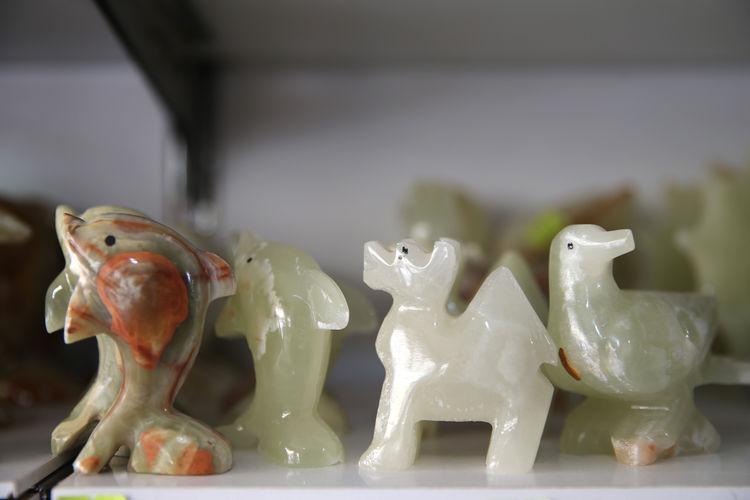
Onyx Stone Craftsmanship
Nevşehir is a major tourist center due to its unique geography, historical richness, and cultural heritage in the Cappadocia region. The area is famous for its fairy chimneys, underground cities, rock dwellings, and historic churches. These natural and historical assets attract millions of tourists annually. Cappadocia offers various outdoor activities such as hot air balloon tours, horseback safaris, mountain biking, and trekking routes. Additionally, important tourist sites such as the Göreme Open-Air Museum, Zelve Valley, and the underground cities of Kaymaklı and Derinkuyu are among the most visited attractions.
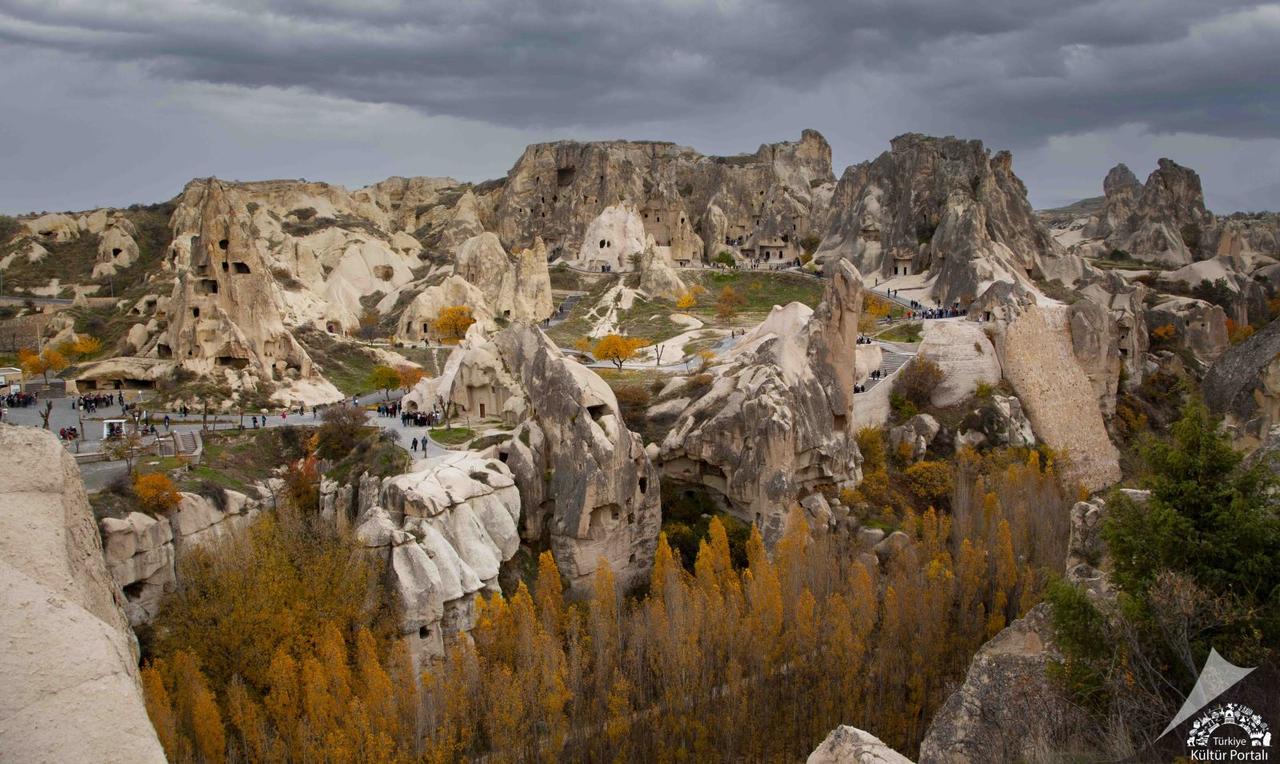
Göreme Open-Air Museum
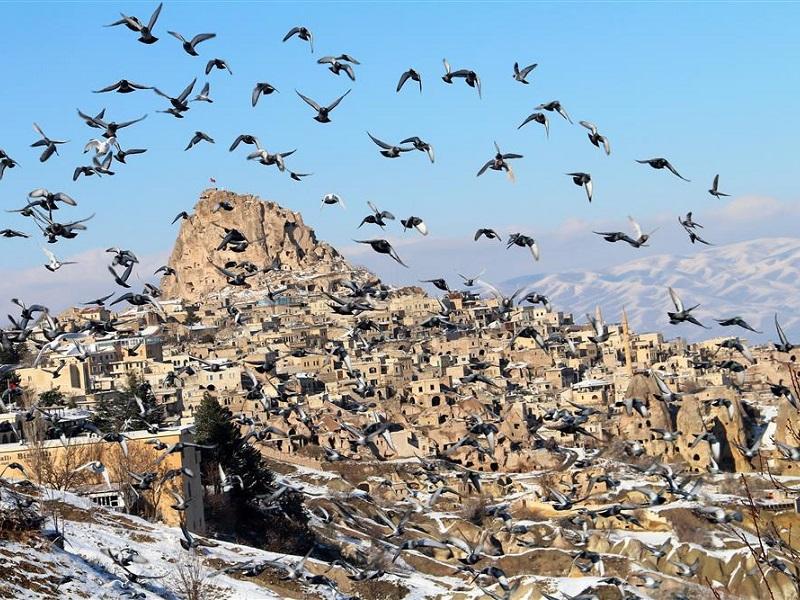
Güvercinlik Valley
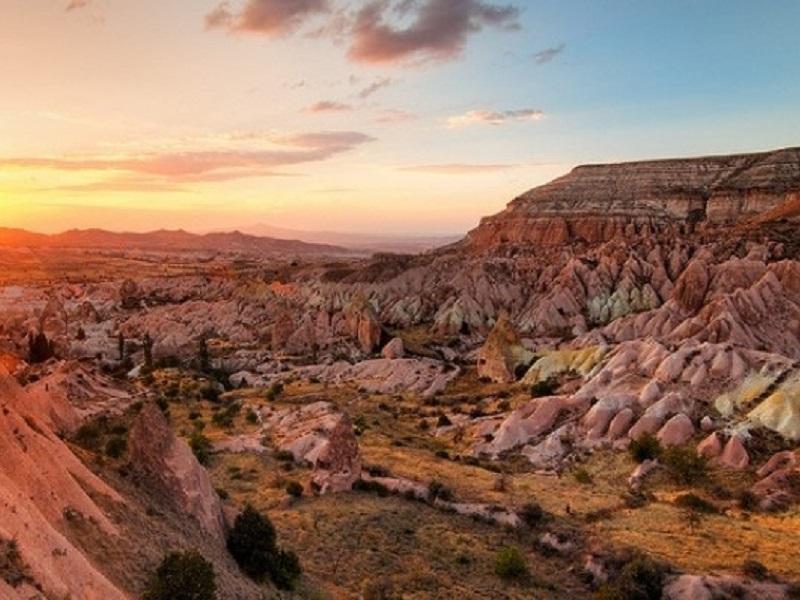
Kızılçukur Valley
The region’s contribution to tourism is not limited to its natural beauty. Cappadocia’s traditional crafts, especially pottery and onyx stone craftsmanship, make significant contributions to the local economy. In Avanos, pottery stands out as one of the region’s traditional crafts, while jewelry and decorative items made from onyx stone around Hacıbektaş attract tourists. Nevşehir also draws attention through its cultural festivals and events. Annual festivals showcase the local population’s traditional way of life, offering visitors the opportunity to experience the region’s rich culture. These elements make Nevşehir an attractive destination for both domestic and international tourists.
Cappadocia is a region in Central Anatolia, Türkiye, renowned for its historical and natural richness. Covering parts of the provinces of Kayseri, Nevşehir, Aksaray, and Niğde, this area is known for its unique fairy chimneys, underground cities, and rock-carved structures formed by centuries of erosion of volcanic rock. Cappadocia, with its natural beauty and historical heritage, is listed on the UNESCO World Heritage List. The region preserves traces of numerous local communities and civilizations and is recognized as one of the most important sites in Christian history. Cappadocia has hosted various civilizations, which left behind underground cities, churches, monasteries, and ruins.
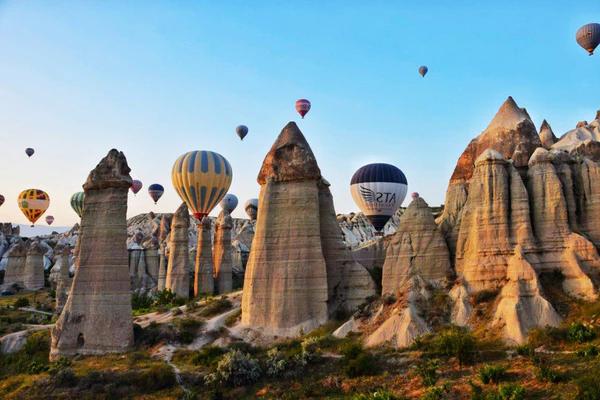
Cappadocia Fairy Chimneys
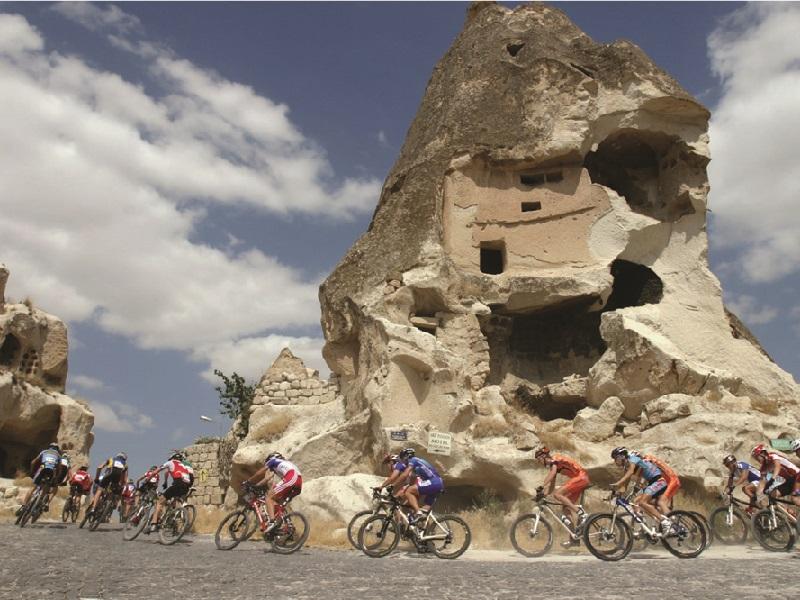
Bicycling in Cappadocia
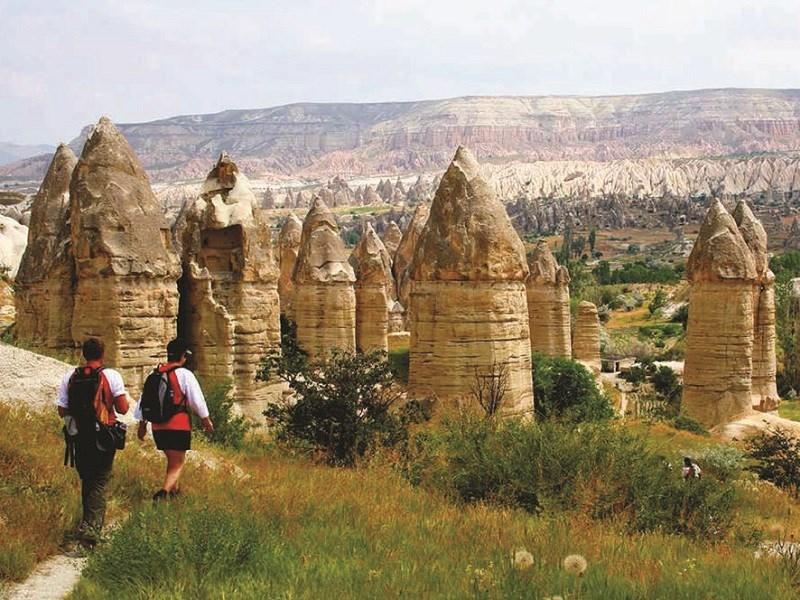
Trekking in Cappadocia
Asmalı Konak is a historic building located within the boundaries of Nevşehir province, in the Mustafapaşa neighborhood of the Ürgüp district. With a history of 180 years, this mansion is an excellent example of traditional Cappadocian architecture. The mansion particularly attracts tourists and holds significant historical and cultural value for the region. Today operating as a restaurant and hotel, Asmalı Konak offers visitors a traditional Cappadocian accommodation experience.
The mansion stands out with its spacious structure of 42 rooms. Mustafapaşa neighborhood, located approximately five kilometers from Ürgüp center, is renowned for its historical and cultural fabric. Asmalı Konak is regarded by the local community as an important cultural heritage and is a popular destination for both domestic and international tourists. The mansion is a significant structure contributing to the region’s tourism potential and serves as an excellent stop for those wishing to explore the rich history of Cappadocia.
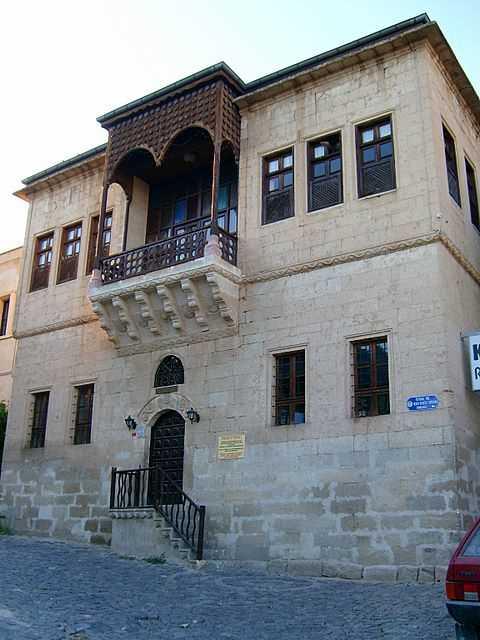
Asmalı Konak
Nevşehir cuisine is influenced by the traditional dishes of the Cappadocia region and features a rich diversity. The region’s dishes reflect a blend of historical heritage, local ingredients, and traditional cooking methods. One of the most famous dishes of Nevşehir cuisine is testi kebabı. Testi kebabı is a highly flavorful and unique dish made by cooking meat and vegetables inside a special clay pot. This dish is both delicious and visually striking, as the pot is broken open at the table to reveal the hot meal inside.
Another famous dish of the region is Nevşehir mantı. Nevşehir mantı consists of thin dough filled with minced meat and spices, boiled, and served. In addition, due to the region’s rich agricultural structure, vegetables and legumes hold an important place in the local culinary culture. Pumpkin dessert, various yufka-based börek pastries, kuymak, and tarator are among the other common delicacies in Nevşehir’s traditional cuisine.
The Governor of Nevşehir is Ali Fidan. Born in 1970 in the Gerede district of Bolu, Fidan graduated from the Public Administration Department of the Faculty of Political Sciences at Istanbul University. He began his career in the civil service in 1994 and served as district governor in various locations. From 2013 to 2015, he worked as Director General of the Directorate General of Provinces, and from 2015 to 2016, he served as Governor of Düzce. From 2016 to 2018, he held the position of Undersecretary at the Ministry of National Defense. He was appointed Governor of Nevşehir in 2023.
The Mayor of Nevşehir is Rasim Arı. Born in 1975, Arı completed his studies at the Faculty of Theology at Marmara University and later earned a master’s degree at the Faculty of Communication at Selçuk University. After holding various advisory roles in the public sector, he was elected Mayor of Nevşehir in the 2019 local elections and re-elected in the 2024 elections. He also serves as Treasurer of the United Cities and Local Governments Middle East and West Asia Regional Organization (UCLG-MEWA).
Nevşehir consists of seven districts, 24 municipalities, 16 towns, and 151 villages.
"Nevşehir," Kültür Portalı. Accessed February 13, 2025.https://www.kulturportali.gov.tr/arama/nevşehir.
"Nevşehir," TDV İslâm Ansiklopedisi, Accessed February 13, 2025,https://islamansiklopedisi.org.tr/nevsehir.
"Şehrimiz," Nevşehir Valiliği. Accessed February 13, 2025.http://www.nevsehir.gov.tr/sehrimiz
Turkish Statistical Institute. Accessed February 12, 2025.https://cip.tuik.gov.tr/.

Nevşehir
Country | Türkiye | ||||||||
|---|---|---|---|---|---|---|---|---|---|
Region | Central Anatolia Region | ||||||||
Population | 317952 | ||||||||
Area (km²) | 5467 | ||||||||
Climate | Continental Climate | ||||||||
Important Places | Cappadocia, Göreme, Derinkuyu, Asmalı Konak, Kızılçukur | ||||||||
Area Code | 0384 | ||||||||
License Plate Code | 50 | ||||||||
Governor | Ali Fidan | ||||||||
Metropolitan Municipality Mayor | Rasim Arı | ||||||||
No Discussion Added Yet
Start discussion for "Nevşehir (Province)" article
History
Ancient Period and Early History
Byzantine and Early Islamic Period
Seljuk and Beylik Periods
Ottoman Period and the Founding of Nevşehir
Republican Era and Modern Nevşehir
Geography
Landforms
Climate
Population
Economy
Culture
Pottery and Onyx Stone Craftsmanship
Tourism
Cappadocia
Asmalı Konak
Regional Cuisine
Administration
Districts of Nevşehir