


Type(s) | Architectural Element | ||||||||
|---|---|---|---|---|---|---|---|---|---|
Period of Use | Ottoman Empire (especially 16th–19th centuries) | ||||||||
Material(s) | Cut stone | ||||||||
Function(s) | To facilitate mounting and dismounting from a horse or carriage | ||||||||
Placement | Mansion entrances, Mosques, Inns, Palace fronts | ||||||||
The mounting stone is a stone architectural element that emerged in Ottoman urban and rural architecture, particularly during periods when equestrian transportation systems were widespread. These structures served not only a functional purpose but also carried symbolic significance. Positioned along roadsides, at the entrances of mansions, in the courtyards of mosques and madrasahs, in front of inns, or at palace gates, mounting stones were designed to facilitate mounting or dismounting from a horse or carriage. Aimed especially at providing convenience for socially prioritized groups such as the elderly, women, high-ranking officials, or religious leaders, these stones also functioned as markers of spatial organization and social order.
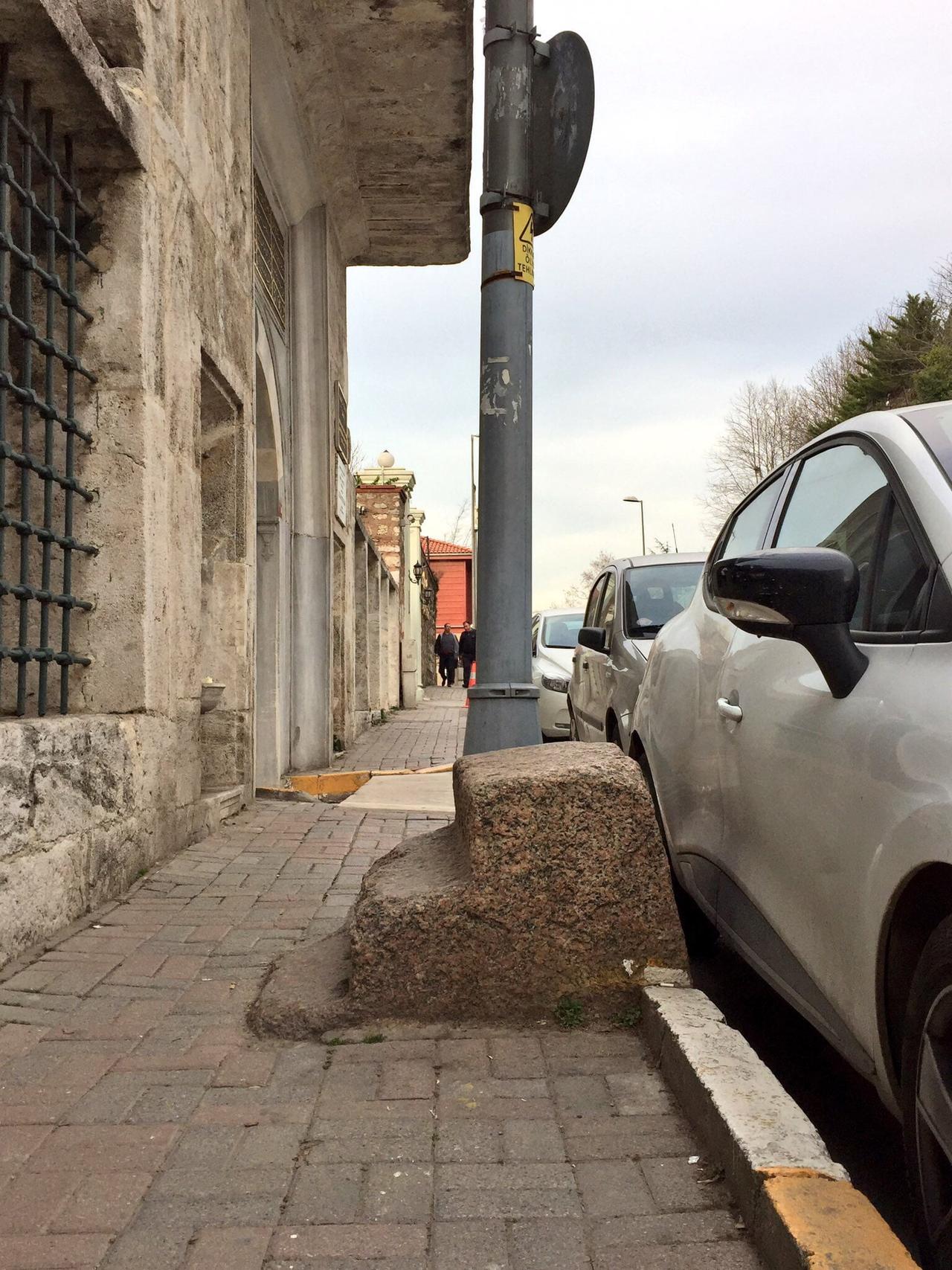
Mounting Stone, Beylerbeyi Mosque (Kültür Envanteri)
The mounting stone traces its origins to a tradition dating back to the Anatolian Seljuks. The strong relationship between horses and the nomadic Turkic communities of Central Asia was carried over into Ottoman urban life, giving rise to the need for mounting stones as a natural outcome of equestrian transportation. Examples of these structures can be found in written and visual sources beginning in the 15th century. By the 16th and 17th centuries, they had become an integrated part of architectural planning, especially in major cities, where they were standardized elements of mansions and religious-social complexes (külliyes). In Ottoman society, mounting stones also functioned as symbols of social hierarchy and status—grander forms were constructed in the residences of state officials, while more modest examples were placed in public structures accessible to the general populace.
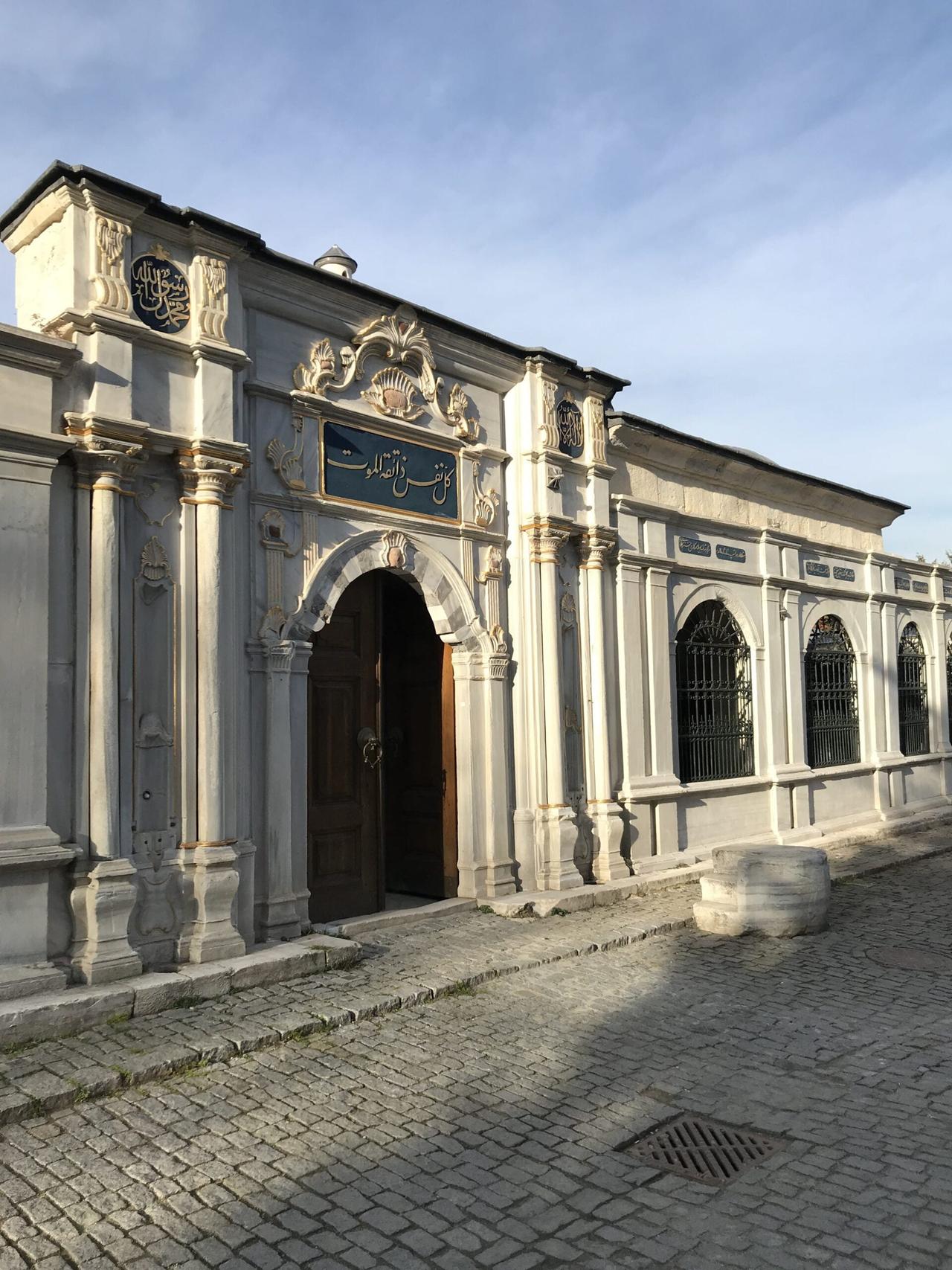
Mounting Stone, Cülüs Way (Kültür Envanteri)
Mounting stones were typically made of cut stone, especially limestone or basalt. Their height generally ranged from 50 to 70 cm, though some exceptional examples could reach up to one meter.
Mounting stones were not only architectural and functional elements but also symbolic representations of cultural and social dynamics. In Ottoman society, horseback riding was associated with masculinity, nobility, and displays of power. Thus, the presence of a mounting stone conveyed social messages about the building’s owner—for instance, a grand mounting stone in front of a mansion could imply that the owner was a high-ranking official.
These stones also held a place in cultural memory, appearing in folk narratives and literary works through expressions such as “farewell at the mounting stone,” “the concubine waiting by the stone,” or “loss of honor upon descending the stone.”
In the context of Ottoman urban planning, mounting stones were integrated into the street texture. They were often placed in alignment with structures such as mosques, madrasahs, tekkes (dervish lodges), and mansions, creating an axis at the entrances. As part of the transportation infrastructure, mounting stones were directly linked to the city’s circulation network. Thus, they functioned not only as tools serving individual needs but also as markers used in organizing public space.
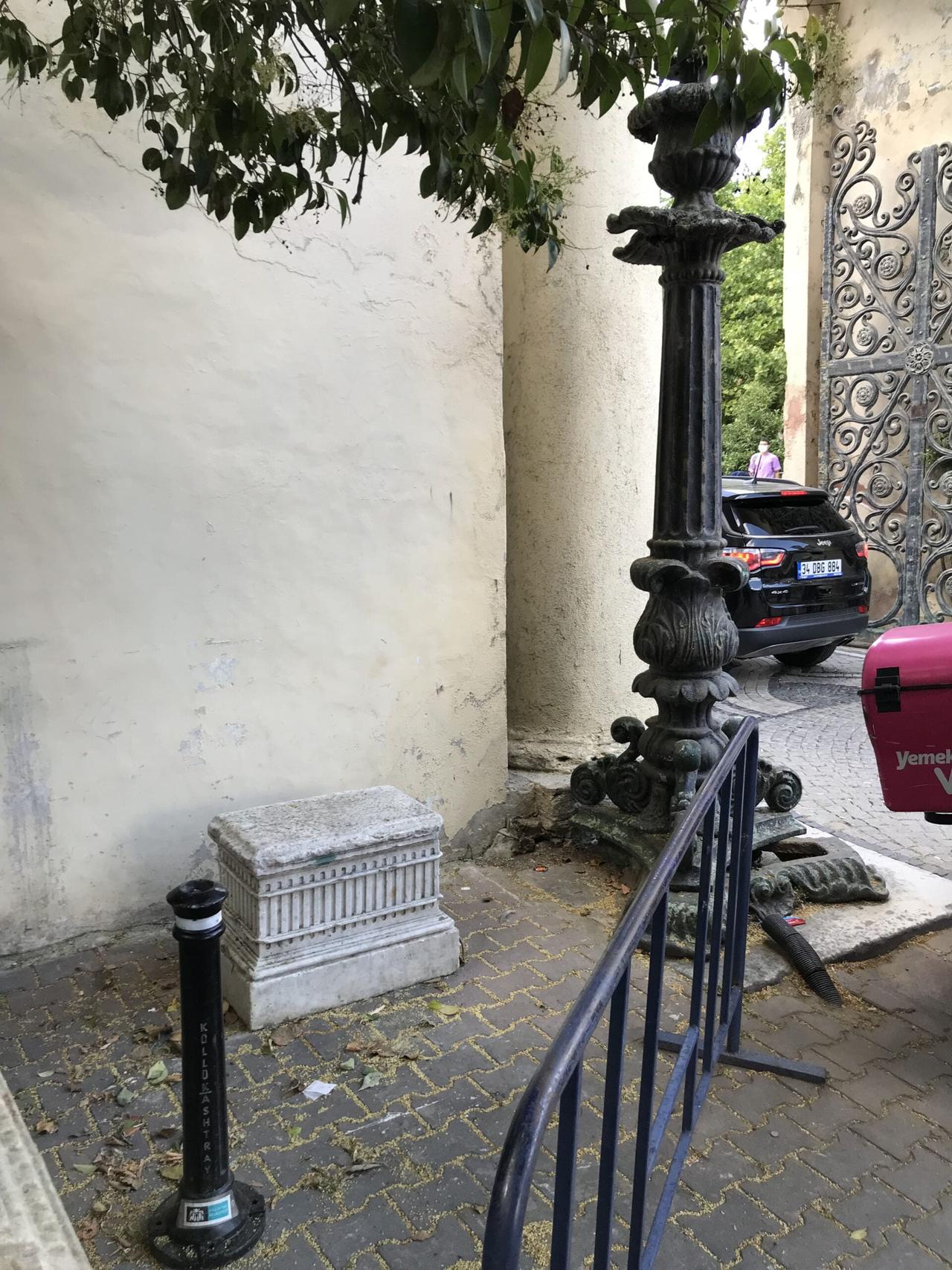
Mounting Stone, Yıldız Park (Kültür Envanteri)
Today, many mounting stones have either disappeared or become detached from their original context due to modern urbanization, road-widening projects, sidewalk renovations, or general neglect. Although some have been relocated to museum gardens or placed in front of newly constructed public buildings, such displacement often leads to a loss of the stone’s contextual and historical significance.
Original and preserved examples can still be found in cities such as Istanbul (particularly in Eyüpsultan and Üsküdar), Bursa, Edirne, Amasya, and Safranbolu. The Turkish Ministry of Culture and Tourism has initiated projects aimed at the restoration and official registration of these stones. Additionally, local municipalities are taking steps to protect those located within designated urban conservation zones.
Mounting stones not only provided practical solutions related to transportation in Ottoman urban architecture, but also played an important role in shaping and organizing public spaces.
Vardar, Kadriye Figen. “Rüstem Paşa Camii Taş Süslemelerinin Değerlendirilmesi.” Türkiyat Mecmuası 27, no. 1 (2017): 367–393. Accessed May 19, 2025. https://isamveri.org/pdfdrg/D00135/2017_1/2017_1_VARDARKF.pdf.
Konyalı, İbrahim Hakkı. Abideleri ve Kitabeleri ile Konya Tarihi. Konya: Konya Belediyesi Yayınları, 1964.
Kuban, Doğan. Osmanlı Mimarisi. İstanbul: Yapı Kredi Yayınları, 2007.
Kültür Envanteri. ''Binek Taşı, Cülüs Yolu.'' Accessed May 19, 2025. https://kulturenvanteri.com/yer/binek-tasi-culus-yolu/#17.1/41.04837/28.934855.
Kültür Envanteri. ''Binek Taşı, Yıldız Parkı.'' Accessed May 19, 2025. https://kulturenvanteri.com/yer/binek-tasi-yildiz-parki/#16.47/41.045843/29.01717.
Kültür Envanteri. ''Binek Taşı, Beylerbeyi Camii.'' Accessed May 19, 2025. https://kulturenvanteri.com/yer/binek-tasi-beylerbeyi-camii/#17.1/41.044804/29.046263.

Type(s) | Architectural Element | ||||||||
|---|---|---|---|---|---|---|---|---|---|
Period of Use | Ottoman Empire (especially 16th–19th centuries) | ||||||||
Material(s) | Cut stone | ||||||||
Function(s) | To facilitate mounting and dismounting from a horse or carriage | ||||||||
Placement | Mansion entrances, Mosques, Inns, Palace fronts | ||||||||
Historical Background
Structural Features
Cultural and Social Significance
Position in the Urban Fabric
Contemporary Status and Preservation Efforts
This article was created with the support of artificial intelligence.