


This article was automatically translated from the original Turkish version.
+2 More
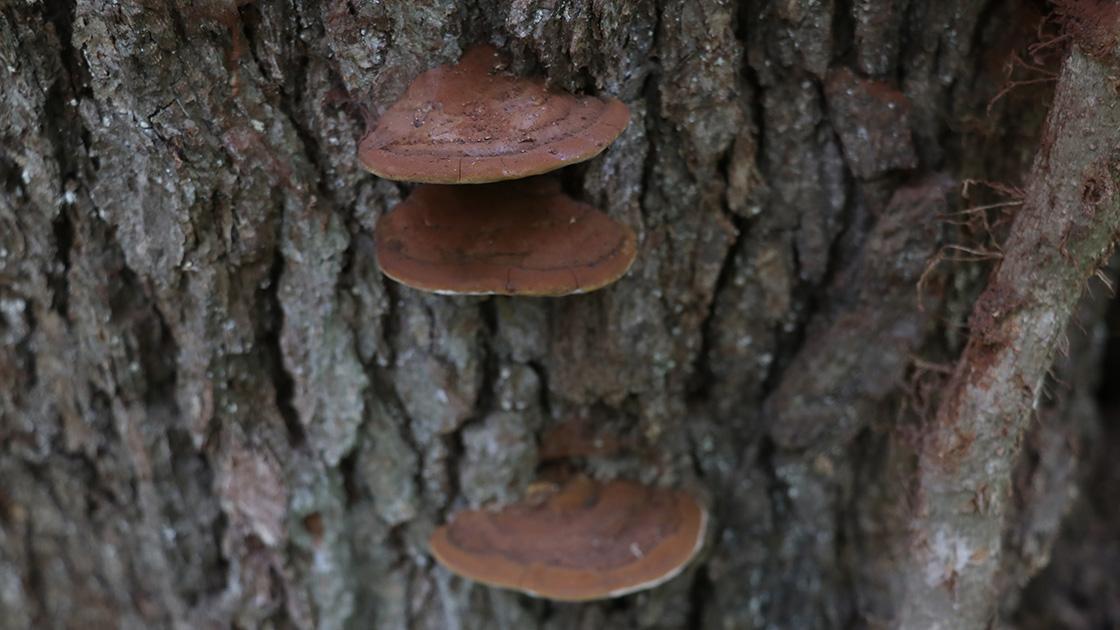
(AA)
Medicinal Fungi
Type | Macromycete | ||||||||
|---|---|---|---|---|---|---|---|---|---|
Application Area | Food Industry Cosmetic Traditional Medicine Pharmaceutical Nutraceutical | ||||||||
Key Bioactive Components | Polysaccharides (Beta-Glucan) Terpenoids Phenolic Compounds (Hispolon) Lentinan Krestin (PSK) | ||||||||
Common Effects | Anticancer Anti-inflammatory Antioxidant Immunomodulator (Immune Regulator) | ||||||||
Consumption Forms | Tablet Capsule Tea Powder | ||||||||
Prominent Types | Ganoderma Lucidum (Reishi) Lentinula Edodes (Şitaki) Trametes Versicolor (Hindi Kuyruğu) Grifola Frondosa (Maitake) Hericium Erinaceus (Lion's Mane) Inonotus Obliquus (Chaga) | ||||||||
Medicinal Mushrooms are macrofungi containing bioactive compounds and have been used in traditional medicine for centuries. Today, their potential health benefits such as immune support, anticancer and antioxidant effects are being scientifically investigated.
The health effects of medicinal mushrooms stem from a variety of bioactive components they contain. These include polysaccharides (particularly β-glucans), terpenoids, phenolic compounds, vitamins and minerals. Scientific studies have reported that these components exhibit various pharmacological activities.
One of the most extensively studied properties of medicinal mushrooms is their ability to regulate the immune system. Mushroom-derived β-glucans have been reported to enhance macrophage function and increase the body’s resistance to various infections.Ganoderma lucidum (Reishi) tea is considered one of the most natural methods to strengthen the immune system.
Many medicinal mushrooms have been reported to possess antitumor activity. This effect is often achieved not by directly killing cancer cells but by activating the body’s immune response. Certain phenolic compounds such as hispolon have been shown to exhibit anticancer activity through mechanisms including cell cycle arrest and induction of apoptosis (programmed cell death). Some mushroom polysaccharides such as lentinan, schizophyllan and Krestin (PSK) have been commercialized and are used in anticancer therapies.
Medicinal mushrooms are significant sources of antioxidants due to their phenolic compounds and other bioactive substances. These properties protect against cellular damage caused by oxidative stress. Additionally, many species are known to possess anti-inflammatory properties.
Numerous medicinal mushroom species are mentioned in the literature and traditional medicine. Some of these include:
One of the most widely used and most academically researched species in Asian traditional medicine. It is found naturally in almost all regions of Türkiye and, due to its hard, woody structure, is not consumed directly but used as tea or extract. Archaeological findings dating back to the Neolithic period indicate that this mushroom has been used since ancient times.
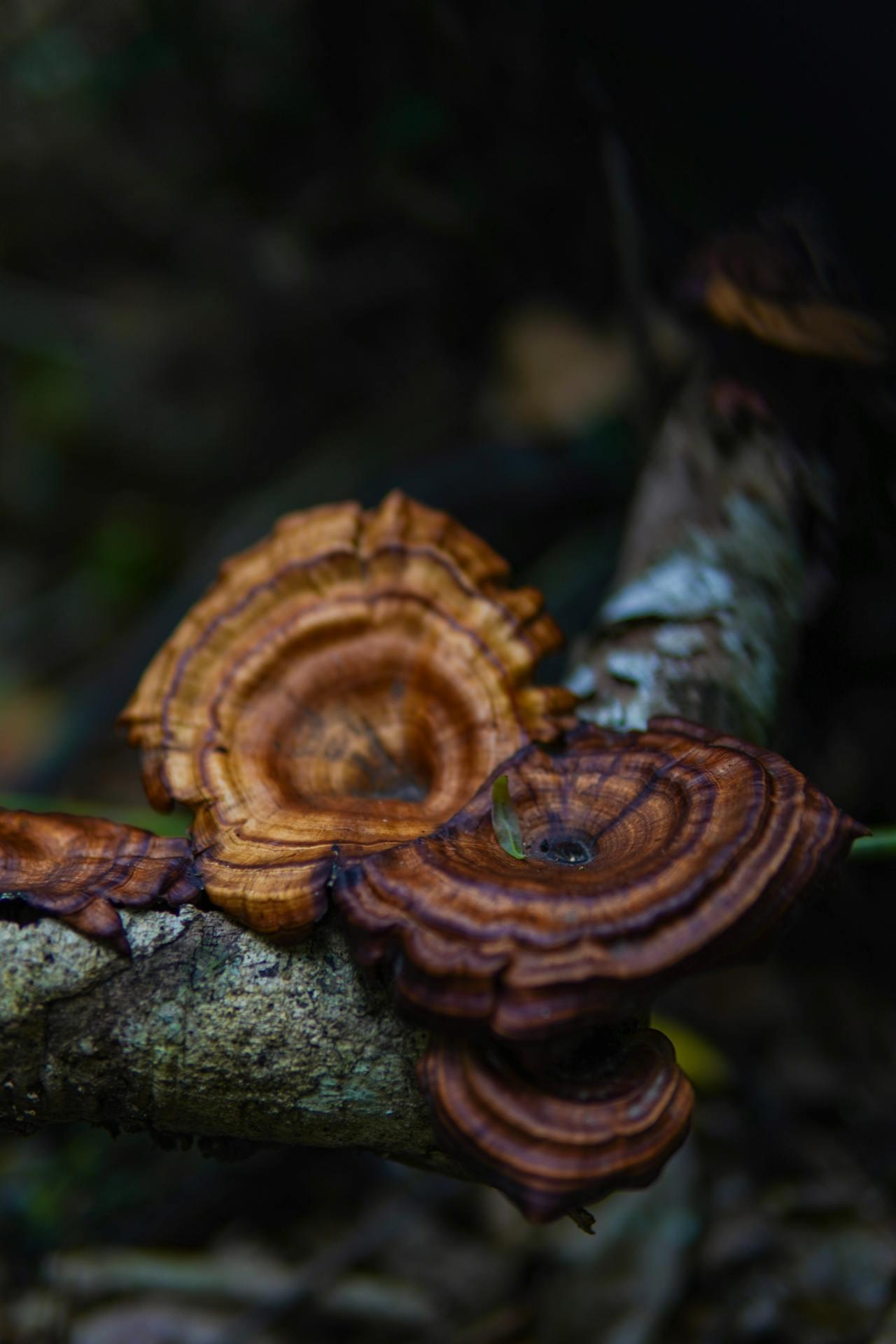
Ganoderma lucidum (Pexels)
A widely cultivated species for both food and medicinal purposes. It is used in the food, pharmaceutical and cosmetic industries due to its nutritional value and bioactive components. Industrial production without chemical inputs is carried out at a facility established within Afyonkarahisar Health Sciences University (AFSÜ). It is the source of lentinan, a compound used in stomach cancer treatment.
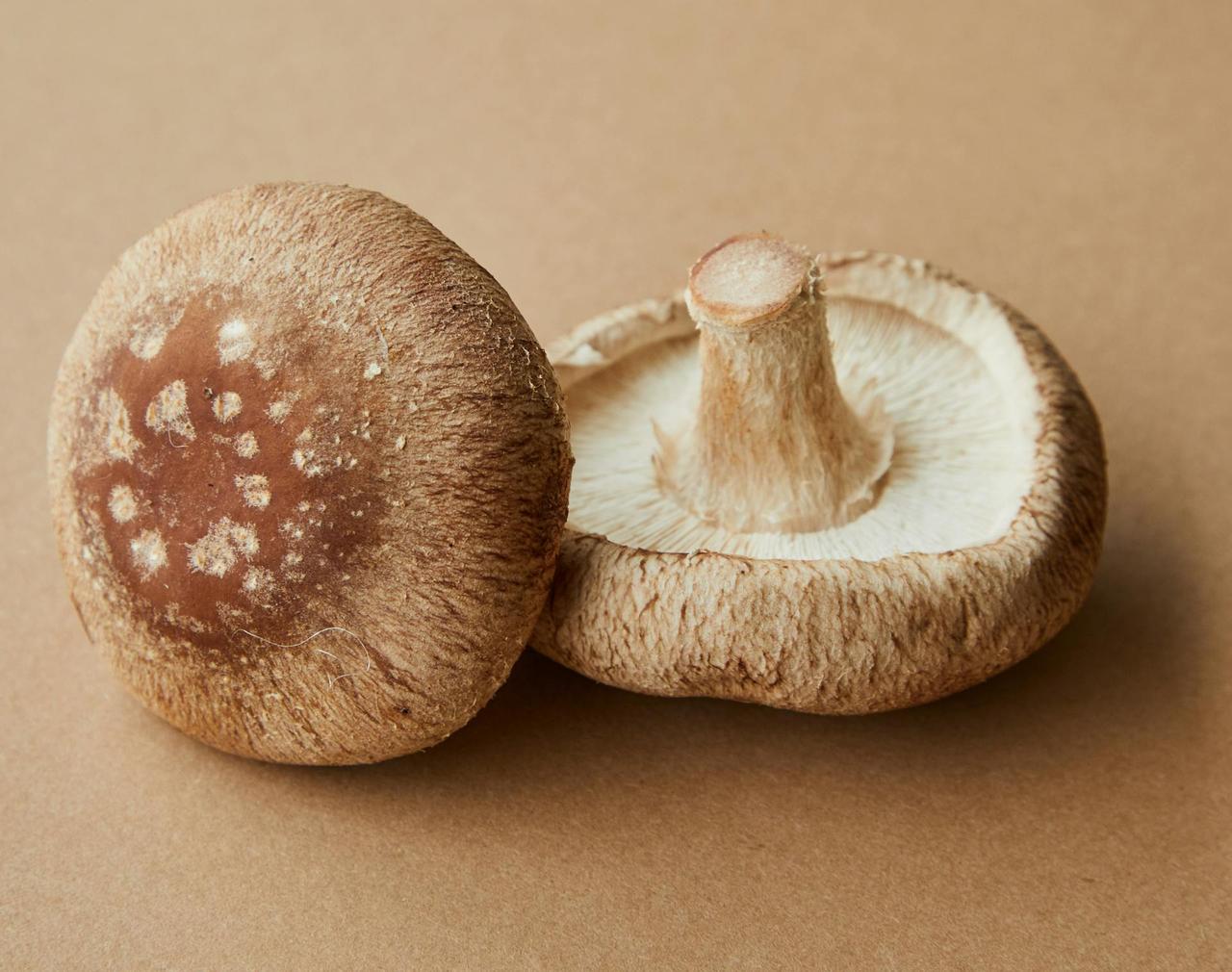
Lentinula edodes (Pexels)
The beta-glucan compound D-fraction isolated from this mushroom has been reported to have immune-enhancing and antitumor effects.
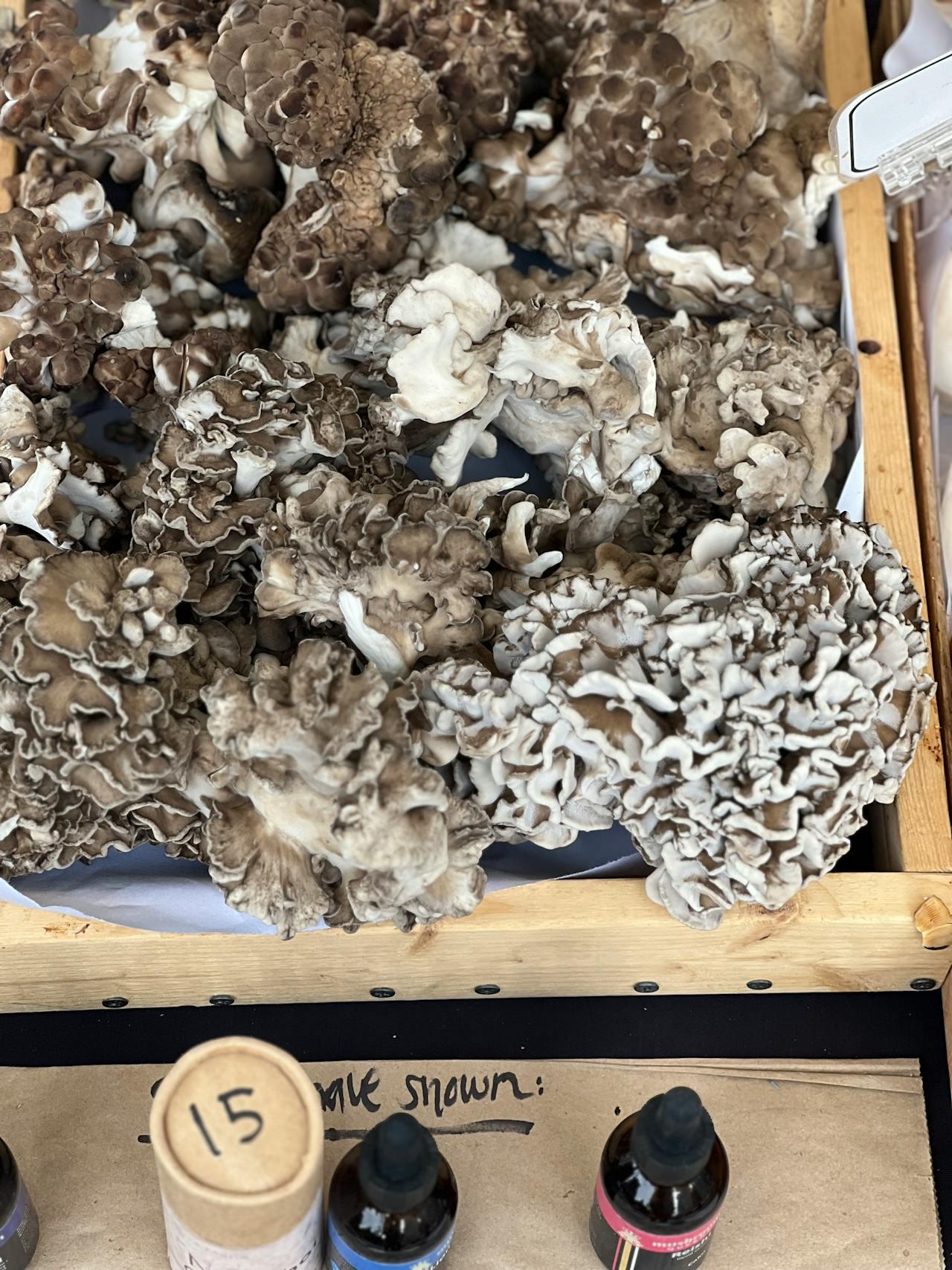
Grifola frondosa (Pexels)
This edible and medicinally valuable mushroom is among the most extensively analyzed species.
Known particularly for its antioxidant activity, it is one of the rapidly growing species in medicinal mushroom cultivation.
It is reported to be a common and economically valuable species found naturally in Türkiye. The polysaccharide-K (PSK, Krestin), known for its immune-supporting properties, has been isolated from this mushroom, traditionally consumed as tea in Asian traditional medicine..
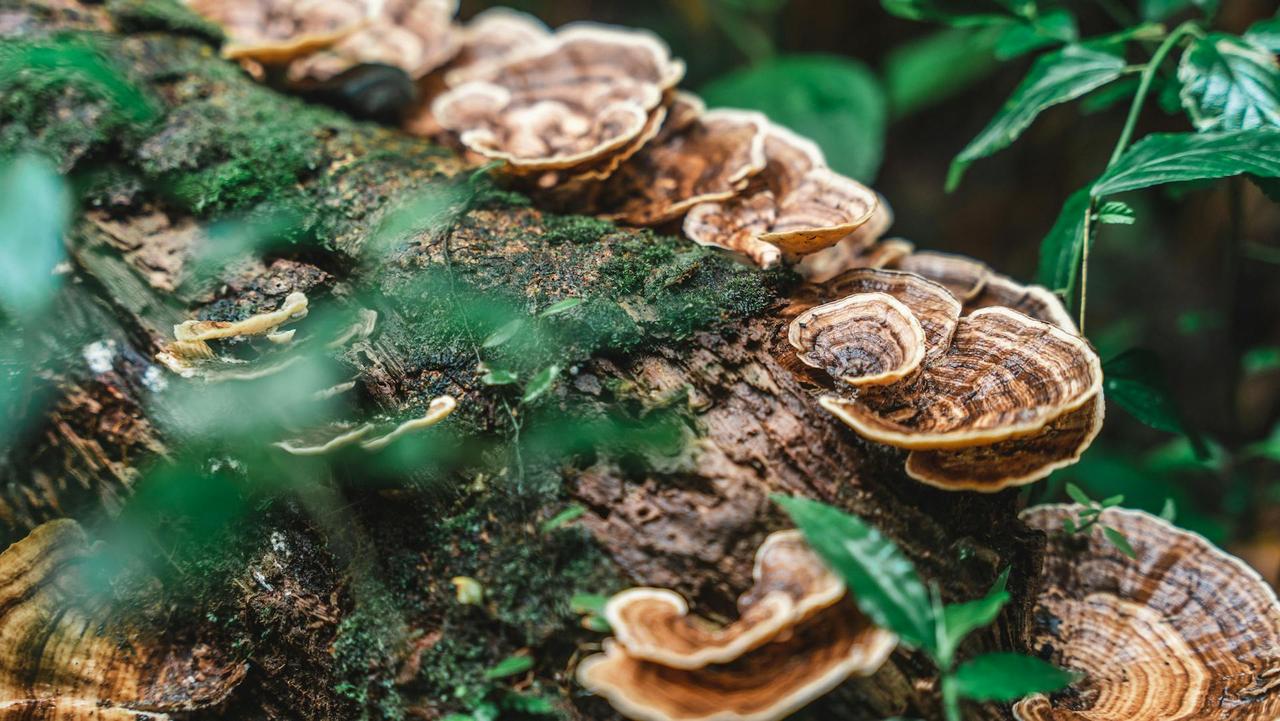
Trametes versicolor (Pexels)
Especially Auricularia auricula-judae has been used in Asian traditional medicine for treating ulcers, throat disorders and eye inflammations. Anticoagulant, hypoglycemic and hypolipidemic effects have also been reported.
This mushroom, known to have been used since prehistoric times, has been employed in Traditional Chinese Medicine for treating various ailments.
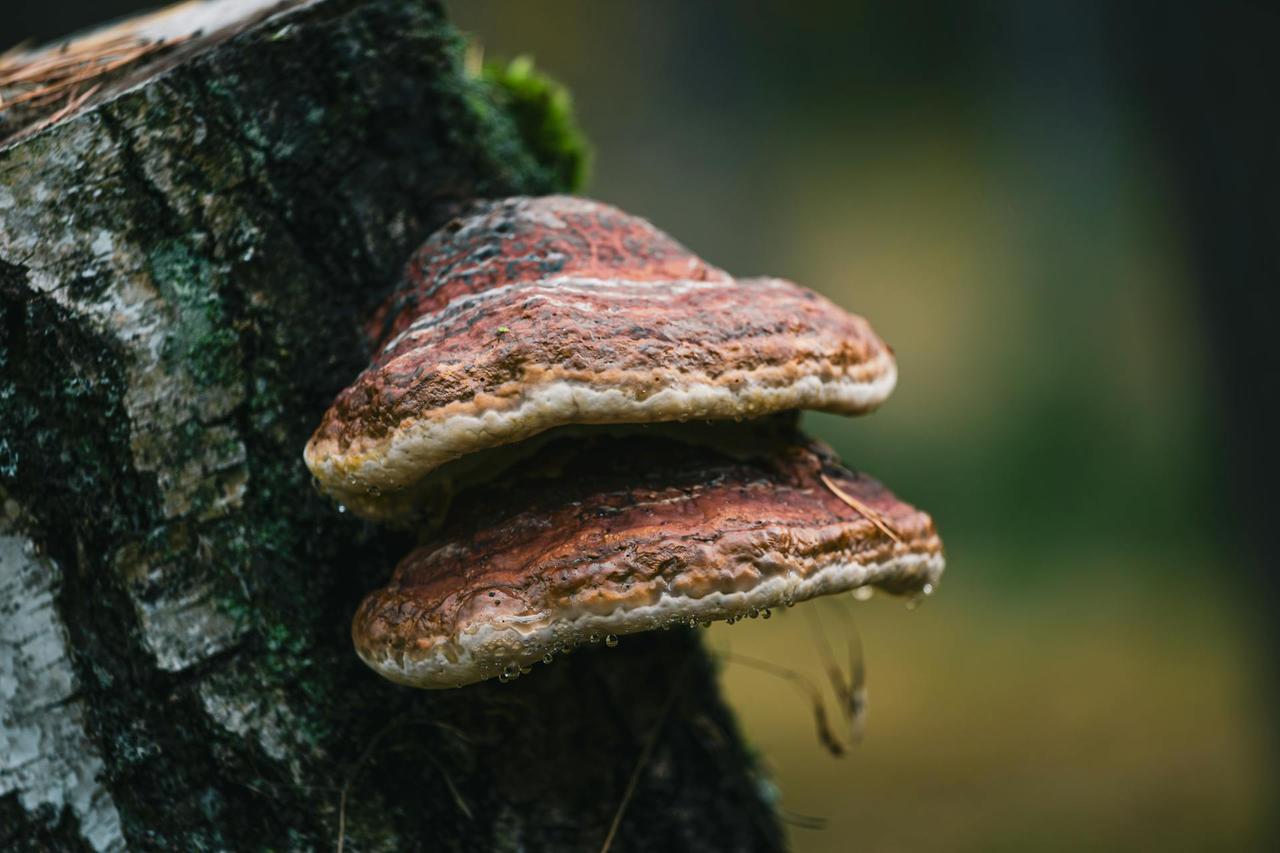
Fomes fomentarius (Pexels)
It has been traditionally used in Asian countries for treating leukorrhea and regulating blood pressure.
It has been reported that the Cherokee, Aztec and Maya peoples used it, particularly to stop bleeding after childbirth.
Medicinal mushrooms have traditionally been consumed as teas and tonics. In recent years, with increasing scientific research, they have begun to be used in various other fields.
As an adjuvant therapy known as mycotherapy, they are used to strengthen the immune system and prevent infections.
Extracts derived from medicinal mushrooms are evaluated for use in pharmaceutical raw materials, dietary supplements and functional foods.
Due to their bioactive components, they also hold potential applications in the food and cosmetic industries.
However, most scientific studies on medicinal mushrooms are still at the in vitro (cell culture) level. Further clinical studies are needed to fully understand the mechanisms of action, toxicity and effects on human health.
In Türkiye, interest in medicinal mushrooms and academic research has accelerated over the past 20 years. Some key initiatives in this field include:
Afyonkarahisar Health Sciences University (AFSÜ), with support from the Zafer Development Agency, is implementing the project “Cultivation of Edible and Medicinal Mushrooms.” Under this project, shiitake mushrooms have been industrially produced without chemical inputs, and the first harvest has been completed. The production facility established at AFSÜ includes experimental rooms, laboratories, cold storage and packaging areas. The aim is for this facility to provide raw material support for pharmaceutical and dietary supplement research in Türkiye.
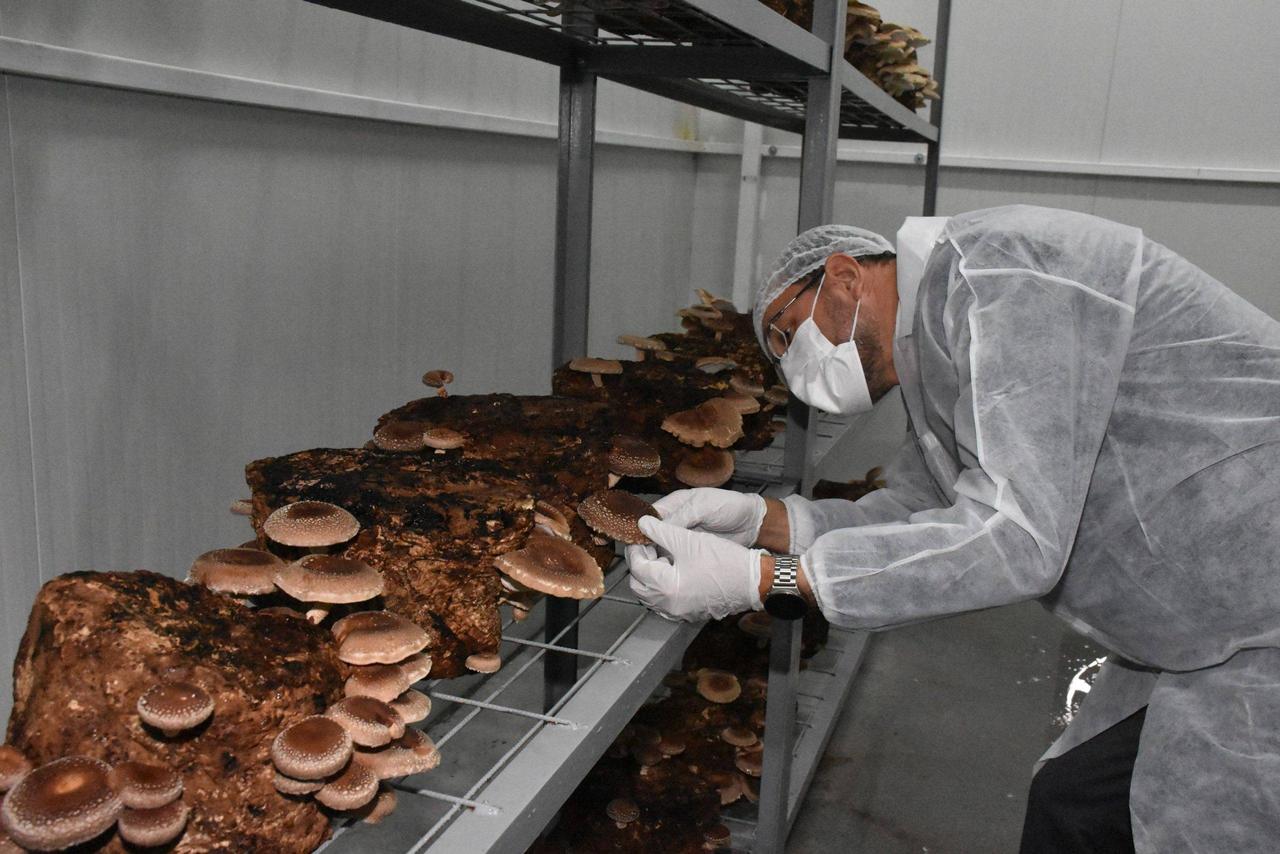
First Medicinal Mushroom Harvest at AFSÜ (AFSÜ)
Field studies are being conducted on medicinal mushrooms naturally growing in various regions of Türkiye such as Yalova forests. One objective of these studies is to improve native medicinal mushroom species in Türkiye and produce local mycelium (spawn) using biotechnological methods to reduce dependency on imports in this field.
Medicinal mushrooms have significant economic potential through production, cultivation and trade. In Europe, the use of medicinal mushrooms as dietary supplements has become highly popular over the past 50 years. In Türkiye, species such as porcini, Caesar and emperor mushrooms, which grow naturally and hold an important place in European cuisine, are collected and exported. This has made mushroom foraging an important income source for local communities in regions such as Armutlu district of Yalova. Institutional initiatives such as the project at AFSÜ aim to scale medicinal mushroom production to an industrial level, creating new opportunities for activities and employment for local farmers, industrialists and graduates..
The use of unproven alternative products, especially during active treatment phases, is not recommended. However, recent academic studies have increased interest in the field, enabling mushroom foraging to become a livelihood source for the public.
Afyonkarahisar Sağlık Sciences University. “Üniversitemizde İlk Tıbbi Mantar Hasadı Gerçekleştirildi.” Accessed June 20, 2025.https://afsu.edu.tr/universitemizde-ilk-tibbi-mantar-hasadi-gerceklestirildi/.
Aliaksei Semirski. "Ağaçtaki Kahverengi Fomes fomentarius’un Yakın Çekimi." Pexels. Accessed June 20, 2025.https://www.pexels.com/tr-tr/fotograf/agactaki-kahverengi-fomes-fomentarius-un-yakin-cekimi-29101841/.
Anadolu Ajansı. “Yalova Ormanlarında Yetişen Tıbbi Mantar Türlerini Araştırıyorlar.” Accessed June 20, 2025.https://www.aa.com.tr/tr/bilim-teknoloji/yalova-ormanlarinda-yetisen-tibbi-mantar-turlerini-arastiriyorlar/2691833.
Bulam, Sanem, Aysu Pekşen, and Nebahat Şule Üstün. "Yenebilir ve Tıbbi Mantarların Gıda Ürünlerinde Kullanım Potansiyeli." *Mantar Dergisi* 10, no. 3 (2019): 137–151.https://doi.org/10.30708/mantar.644367
Chait Goli. "Yosun ve Mantarlarla Kaplı Doğal Zemin." Pexels. Accessed June 20, 2025.https://www.pexels.com/tr-tr/fotograf/yosun-mantarlar-mantar-kapatmak-15261775/
Erol, Selime Semra, and Hakan Allı. "Liquidambar orientalis Mill. Üzerinde Tespit Edilen Asya Geleneksel Tıbbında Önemli Bazı Tıbbi Mantarlar." *Bütünleyici ve Anadolu Tıbbı Dergisi* 5, no. 3 (2024): 85–97.https://doi.org/10.53445/batd.1552964
Karakaş, Hasan. *Ekonomik Coğrafya Açısından Bir Araştırma: Tıbbi Mantar*. Master's thesis, Marmara Üniversitesi, 2024.https://www.proquest.com/openview/5a3c71a90468539ac202f13c2d7a2db4/1?pq-origsite=gscholar&cbl=2026366&diss=y
Laker. "Beyaz Yüzeyde Kahverengi ve Beyaz Mantarlar." *Pexels*. Accessed June 20, 2025.https://www.pexels.com/tr-tr/fotograf/beyaz-yuzeyde-kahverengi-ve-beyaz-mantarlar-6157030/.
Natalia S. "Mantarlar (ID: 28930877)." *Pexels*. Accessed June 3, 2025.https://www.pexels.com/tr-tr/fotograf/28930877/
Pak, Elif Nisa. "Kanserle Savaşta Doğal Bir Güç: Tıbbi Mantarlardaki Hispolonun Anti-Kanser Etkileri." *Mantar Dergisi* 15, no. 1 (2024): 50–59.https://doi.org/10.30708/mantar.1454931
Paul. "Ağaç Kabuğundaki Reishi Mantarlarının Yakın Çekimi." Pexels. Accessed June 20, 2025.https://www.pexels.com/tr-tr/fotograf/agac-kabugundaki-reishi-mantarlarinin-yakin-cekimi-29215990/.
Turp, Gülen Yıldız, and Meltem Boylu. "Tıbbi ve Yenilebilir Mantarlar & Et Ürünlerinde Kullanımı." Yüzüncü Yıl Üniversitesi Tarım Bilimleri Dergisi 28, no. 1 (2018): 144–153.https://doi.org/10.29133/yyutbd.397683
Öztürk, Aysun, and Ö. Utku Çopur. "Mantar Bileşenlerinin Teröpatik Etkileri." *Bahçe* 38, no. 1 (2009): 19–24.https://dergipark.org.tr/en/download/article-file/39679

(AA)
Medicinal Fungi
Type | Macromycete | ||||||||
|---|---|---|---|---|---|---|---|---|---|
Application Area | Food Industry Cosmetic Traditional Medicine Pharmaceutical Nutraceutical | ||||||||
Key Bioactive Components | Polysaccharides (Beta-Glucan) Terpenoids Phenolic Compounds (Hispolon) Lentinan Krestin (PSK) | ||||||||
Common Effects | Anticancer Anti-inflammatory Antioxidant Immunomodulator (Immune Regulator) | ||||||||
Consumption Forms | Tablet Capsule Tea Powder | ||||||||
Prominent Types | Ganoderma Lucidum (Reishi) Lentinula Edodes (Şitaki) Trametes Versicolor (Hindi Kuyruğu) Grifola Frondosa (Maitake) Hericium Erinaceus (Lion's Mane) Inonotus Obliquus (Chaga) | ||||||||
No Discussion Added Yet
Start discussion for "Medicinal Mushrooms" article
Bioactive Components and Common Effects
Immunomodulatory Effect
Anticancer Effect
Antioxidant and Anti-inflammatory Effect
Major Medicinal Mushroom Species
Ganoderma Lucidum (Reishi Mushroom)
Lentinula Edodes (Shiitake Mushroom)
Grifola Frondosa (Maitake Mushroom)
Hericium Erinaceus (Lion’s Mane Mushroom, Bearded Tooth)
Inonotus Obliquus (Chaga Mushroom)
Trametes Versicolor (Turkey Tail Mushroom)
Auricularia Species (Jelly Ear Mushroom)
Fomes Fomentarius (Tinder Fungus)
Schizophyllum Commune (Split Gill Mushroom)
Puffball Mushroom
Applications and Research
Traditional and Complementary Medicine (TCM)
Pharmaceutical and Nutraceutical Products
Food and Cosmetic Industries
Initiatives and Research in Türkiye
Production and Industrial Applications
Development of Native Species
Economic Potential
Safety and Precautions