


This article was automatically translated from the original Turkish version.
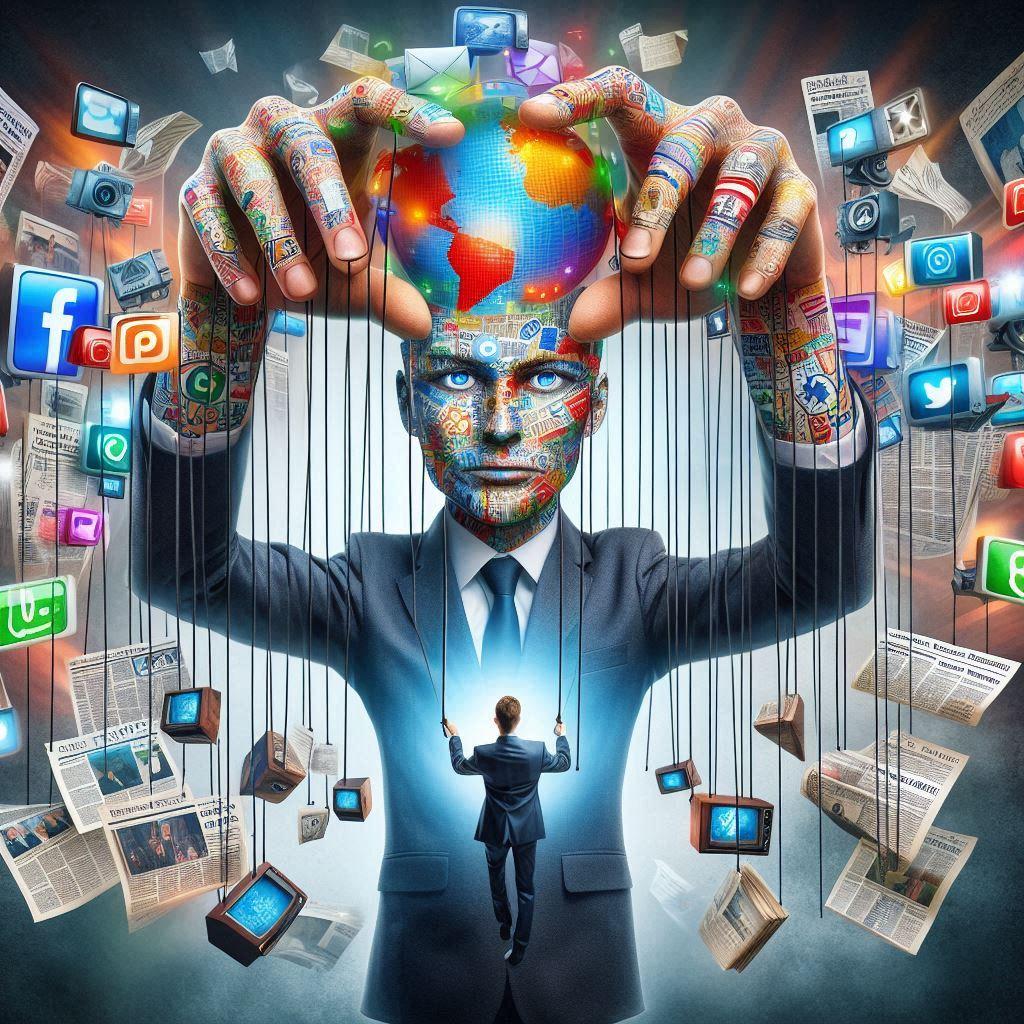
Media manipulation refers to the deliberate direction, distortion, or shaping of information and perceptions through media channels. This process is typically employed with the aim of influencing the thoughts of society or individuals, reinforcing an ideological stance, or altering public perceptions of a social event. Media manipulation is carried out through the professional organization and strategic presentation of media content.
With the impact of the digital age, media manipulation has become more complex and has emerged as a major source of rapidly spreading disinformation. Social media platforms have strengthened this process through fast-moving information flows and targeted manipulation techniques based on personal data. At the same time, media manipulation can hinder public access to information, make it difficult for individuals to make objective decisions, and contribute to social polarization. The power of media in information dissemination can generate both positive and negative effects.
Medya Manipülasyonunu Yansıtan Bir Görsel (Yapay Zeka İle Oluşturulmuştur.)
Media manipulation has held a significant place in human history. Initially used for propaganda purposes, media gradually became part of broader manipulation strategies. The use of media as a tool of manipulation became especially prominent in the 20th century alongside the evolution of technology and media channels.
Early examples of media manipulation can be observed especially during wartime. During World War I, governments used propaganda to control public perception of the war. Newspapers, brochures, and posters were used to mobilize public opinion in support of the war or to cultivate negative feelings toward the enemy. During World War II, media manipulation became more systematic, with states attempting to influence and direct public perception of the war’s course.
The Cold War era is another important example of how media manipulation was used as an instrument of ideological conflict. The United States and the Soviet Union actively used media channels to counter each other’s propaganda and reinforce their own ideologies. Television, radio, and cinema began to be used as key tools for shaping mass opinion during this period. The power of media played a critical role for both sides in controlling the perceptions of their own populations and other countries.
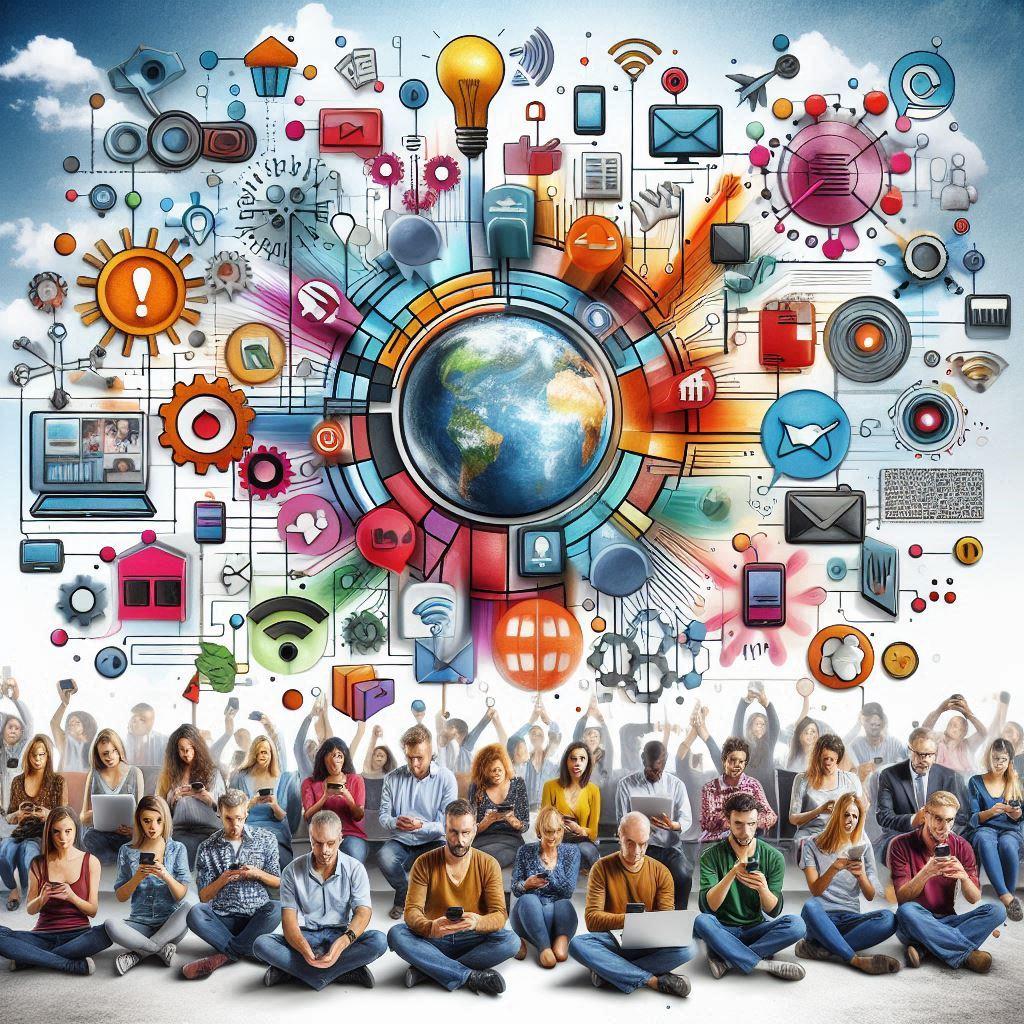
From the late 1990s onward, the rise of digital media and the internet transformed the scale of media manipulation. With the widespread adoption of social media platforms, the ways in which individuals acquire news and information have undergone fundamental change. In the digital age, social media has become a major instrument for manipulation. Especially during elections, social events, and political developments, social media platforms have become central hubs for rapidly spreading disinformation. The influence of algorithms has deepened social polarization by ensuring users encounter only content similar to their own views.
In recent years, media manipulation has become more sophisticated with the development of targeted manipulation techniques based on personal data. Big data analytics and artificial intelligence technologies now enable more effective implementation of media manipulation. Social media algorithms play a major role in altering perceptions or reinforcing specific viewpoints by delivering personalized content to individuals. This process can be effective across a wide range of areas, from political campaigns to consumer behavior.
Bireyleri Ele Geçirmiş Medya Görseli (Yapay Zeka İle Oluşturulmuştur.)
Media manipulation is a process carried out through various methods. These methods are strategically used to influence public opinion, guide social perception, or strengthen a particular ideology. Among the most common methods of media manipulation are language manipulation, visual manipulation, use of social media algorithms, and the dissemination of disinformation and fake news.
Language is one of the fundamental tools of media manipulation. Specific linguistic usage can shape the audience’s perception and thought patterns. Media outlets can alter public perception of an event, person, or group by using particular words, phrases, or terms. For example, terms such as “terrorist” or “patriot” can be used to influence a group’s or individual’s standing, value, or credibility in society. Such language manipulation enables individuals to view events or people from a specific perspective.
Visuals are another frequently used technique in media manipulation. Photographs, videos, and other visual content possess the power to capture attention and establish emotional connections. Editing visuals, selective framing, or distorted presentation of an event can enhance the impact of manipulation. For instance, selected photographs depicting a protest as violent can prevent viewers from understanding the full context of the event. The misleading or deliberately distorted presentation of visuals requires greater effort from audiences to question the accuracy of media content.
Disinformation is the act of spreading false or misleading information. Fake news refers to content disseminated through media with the intent to mislead the public and manipulate social perception. Such content is typically sensational, attention-grabbing, and easily shareable. Fake news is often designed to trigger emotional reactions such as fear, anger, or other strong emotions. With the influence of the internet and social media, disinformation spreads rapidly and can significantly impact critical processes such as social events or elections.
In the digital age, media manipulation has become more targeted through algorithms. Social media platforms analyze users’ interests, past behaviors, and personal data to deliver specific content. These algorithms can deepen polarization by ensuring users encounter only content aligned with their existing views. This type of targeted manipulation can limit individuals’ access to information and reinforce specific ideologies.
Media can manipulate by selectively presenting information, sometimes distorting the truth or omitting key details. Selective information presentation involves highlighting only certain aspects of news or events. This method can lead viewers to perceive events from a particular perspective. For example, a news program may portray a protest as violent while ignoring the underlying social causes behind it. Such manipulation can cause the public to perceive events in a biased manner.
Another method of media manipulation is presenting an event or statement out of context. This often manifests through the distortion of quotations or images. By showing only a portion of a speech or event, the audience may form a false impression. Media can present a topic in a way that serves a specific agenda, preventing viewers from making accurate evaluations.
Media can employ various techniques to trigger emotional responses from viewers. This is often achieved through visual materials and dramatized news reports. For example, war reports that emphasize suffering, famine, disasters, or tragic events can encourage viewers to accept a particular viewpoint. Emotional manipulation is an effective tool for convincing the public to adopt a specific ideological stance.
Medya Manipülasyonunu Yansıtan Bir Görsel (Yapay Zeka İle Oluşturulmuştur.)
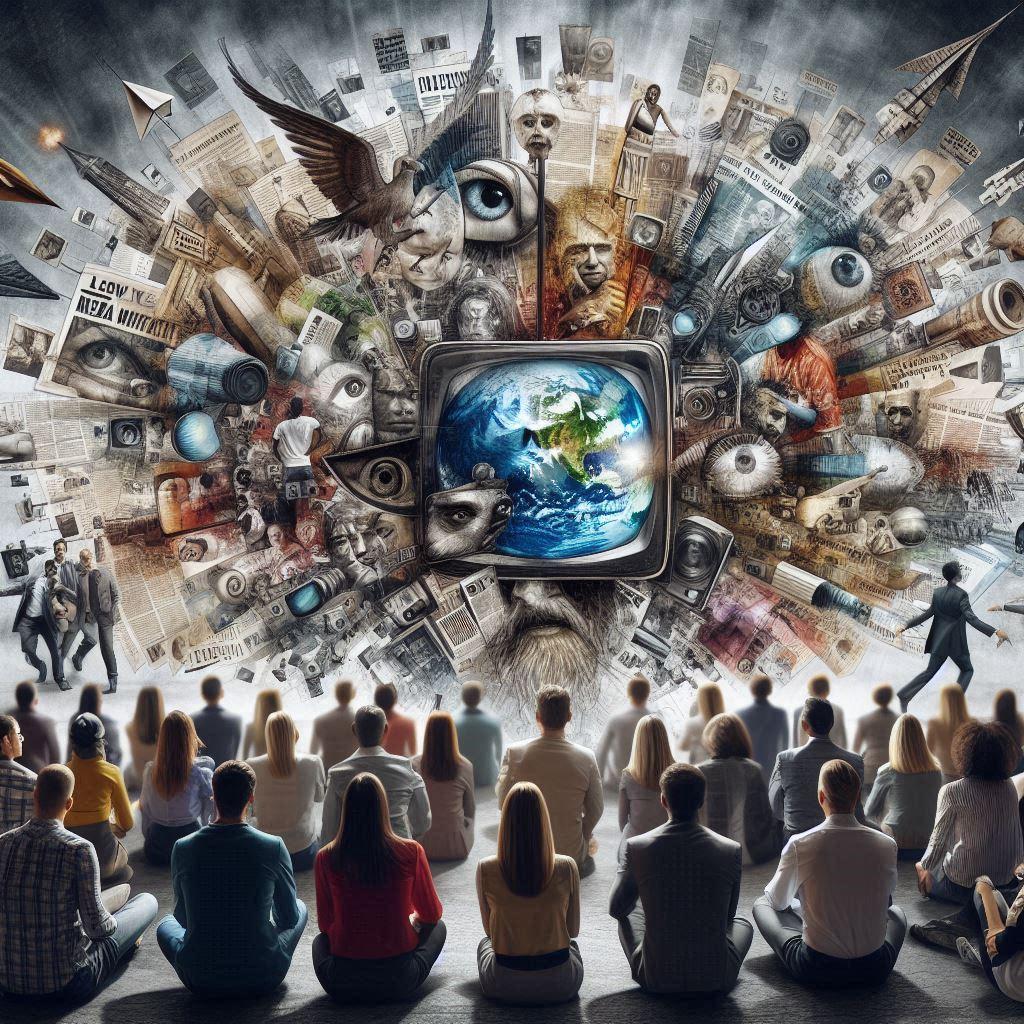
Traditional media includes print publications, radio, television, and cinema, and media manipulation has historically played a significant role on these platforms. Until the mid-20th century, traditional media operated as a one-way communication structure, typically controlled by a limited number of media organizations. These institutions played a crucial role in shaping public opinion by employing various manipulation techniques that amplified their influence on society. In traditional media, manipulation aims to guide public perception through methods such as distortion, suppression, or misleading presentation of content.
The foundations of traditional media manipulation were laid through the use of propaganda. Propaganda involves the use of media tools to promote a specific viewpoint or ideology and guide public opinion. Major conflicts such as World War II were periods of intense propaganda, where media was used to stir nationalist sentiments and create a pro-war atmosphere. Governments and political actors used media to legitimize war efforts and demonize enemies.
Traditional media, particularly television and radio, had the capacity to reach large audiences, which strengthened media manipulation. Media organizations sometimes operated under the influence of governments, corporations, or specific interest groups, presenting news and content in a particular manner. The way such content was delivered could shape the public’s perception of reality.
In traditional media, a large portion of media outlets were controlled by specific corporations or states. This ownership structure significantly influenced how media content was shaped. Particularly in monopolized media systems, content could be manipulated to serve the interests of its owners.
Traditional media organizations have ethical guidelines intended to limit manipulation methods, but these rules have not always been effectively enforced. Media ethics require journalists and media outlets to adhere to principles of accuracy, impartiality, and fairness. However, commercial interests and political pressure can lead to violations of these ethical standards.
Digital media, particularly with the widespread adoption of the internet and social media platforms, has elevated media manipulation to an unprecedented scale. Unlike traditional media’s one-way communication model, digital media offers great flexibility in allowing users to produce and publish content. This enables manipulation to occur faster and more widely. In the digital world, media manipulation does not merely shape the flow of information but can directly influence individuals’ thought processes, attitudes, and behaviors.
Social media, as a platform that has changed how users create, share, and interact with content, is a primary arena for media manipulation. These platforms enable users not only to consume news but also to comment on and disseminate content. This interaction can accelerate the spread of misinformation and foster misunderstandings. Key manipulation techniques include fake accounts (bots), trolling, algorithmic curation, and the echo chamber effect.
The digital media environment enables misleading content to spread rapidly. Fake news, disinformation, and manipulative content can reach a wide audience in a very short time through social media platforms. Especially disinformation campaigns aimed at influencing voter behavior are among the clearest examples of media manipulation in the digital world. Additionally, visual and video manipulations using technologies such as deepfake can present fabricated content in highly convincing ways.
Digital platforms track every user action to deliver personalized content recommendations. This enables manipulation tailored to topics likely to capture users’ attention. Personalized advertisements and content can be used to reinforce existing beliefs or guide users toward specific actions. Such manipulations often occur outside the user’s conscious awareness and can significantly influence their decision-making.
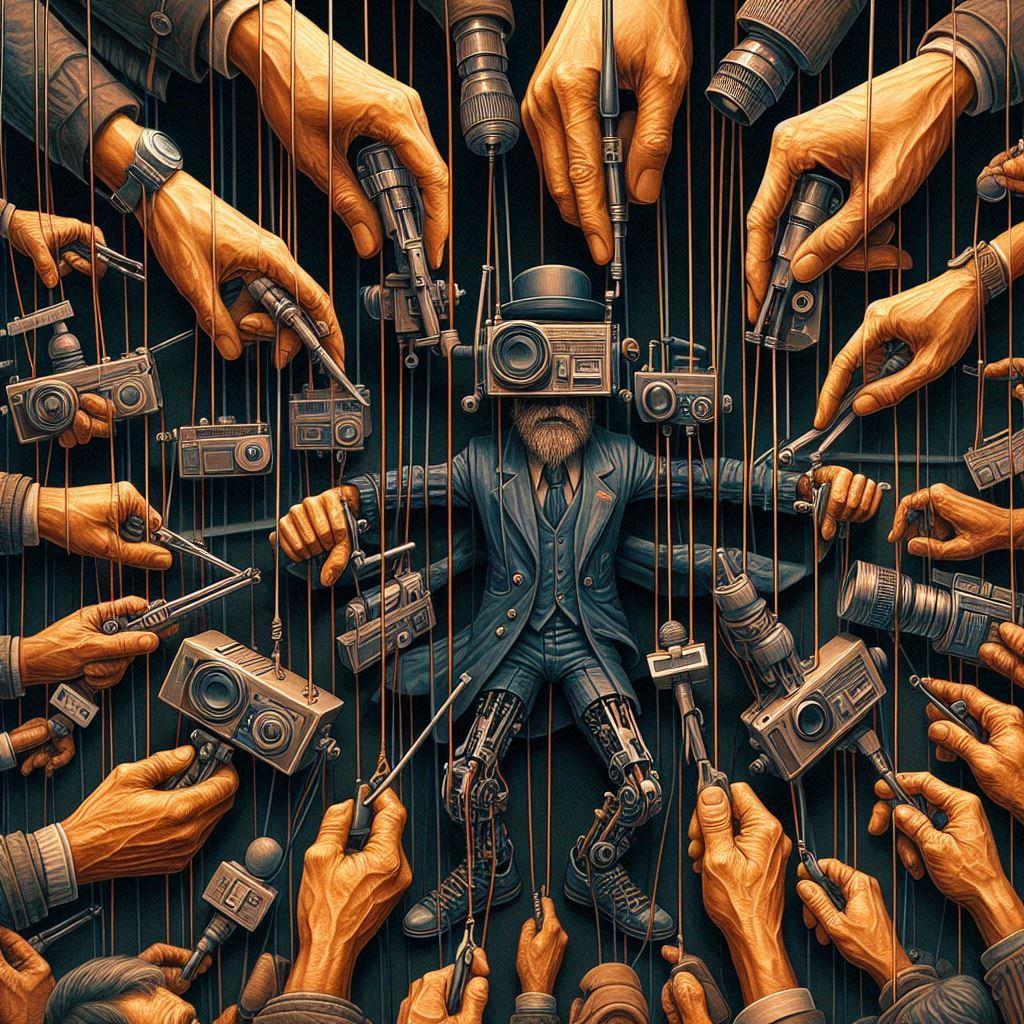
Digital media manipulation is not limited to interactions among users; it is also used by those in power. Governments, large corporations, or political actors can use digital platforms as tools for manipulation. During elections or social events, state-managed propaganda via digital media can be used to promote a specific ideology or policy. For example, government censorship on social media platforms or the dissemination of content designed to guide public opinion reveals the role of digital manipulation in power relations.
Media manipulation in the digital world can become a threat to democracy. Manipulations hinder the public’s ability to make informed decisions and endanger elections based on free will. Moreover, disinformation spread through digital media alters public perception of social events and undermines democratic values. The direction of mass opinion creates opportunities for the abuse of media power, potentially compromising the functioning of democratic processes.
Medya Manipülasyonunu Yansıtan Bir Görsel (Yapay Zeka İle Oluşturulmuştur.)
Media manipulation is a powerful tool that shapes how individuals access information, social perception, and public opinion. The dissemination of misinformation, disinformation, and the systematic promotion of specific viewpoints can affect social structures in various ways. These impacts span a broad spectrum from individual cognitive processes to broader social dynamics. The social effects of media manipulation typically manifest in areas such as perception management, polarization, erosion of trust, transformation of social values, and damage to confidence in democratic processes.
Media manipulation plays a crucial role in determining how the public thinks about social events and individuals. Media outlets can shape public opinion by emphasizing certain content while ignoring others. This process becomes especially evident during elections, protests, and major social events. By directing viewers with targeted content, media can alter social perception and convince the public to adopt a particular viewpoint. As a result, when individuals are exposed to less diverse information, homogenized thinking can emerge in society.
One of the most prominent social effects of media manipulation is the deepening of polarization. Especially digital and social media platforms allow individuals to encounter only content similar to their own views. This prevents exposure to differing perspectives and reinforces their existing beliefs. As a result, society can divide into polarized groups, and misunderstanding between those with opposing views can increase. Polarization is a condition that threatens social harmony and leads to loss of trust among individuals. When media encourages this polarization, it can intensify long-term social unrest.
Media manipulation can undermine public trust in media outlets and information sources in general. The spread of disinformation and false information leads people to question the reliability of news sources. Particularly, fake news on social media further erodes trust. When people believe it is increasingly difficult to discern the truth, their confidence in the credibility of media diminishes. This makes it harder to make informed decisions and weakens public trust in institutions, politicians, and media organizations.
Media manipulation can lead to changes in social values over time. While media reinforces societal norms and values, it can also manipulate them. When the same messages are consistently emphasized in media content, individuals’ perceptions of accepted social norms can change. For example, beauty standards, gender roles, or cultural values can be continuously reshaped through media. Such manipulations can lead individuals to redefine social values and accelerate the evolution of cultural norms.
Media manipulation poses a significant obstacle to the formation of public opinion, which is critical for the healthy functioning of democracy. Disinformation and manipulative content during elections make it difficult for voters to make informed decisions. Moreover, manipulation via social media carries the potential to interfere with election outcomes and harm public free will. This can damage democratic values, reduce public confidence in electoral processes, and ultimately lead to political instability. People may become skeptical about voting or even abstain from participating due to manipulation.
Media manipulation can also affect social movements and protests. Media can alter public perception of these movements by distorting events or highlighting only certain aspects. For instance, when the violent elements of a protest are emphasized while the underlying social and economic causes are ignored, the movement’s social legitimacy can be questioned and its ability to gain public support can be hindered. Additionally, media manipulation can be used to suppress or discredit social movements.
Işık, Erman. Algı Yönetimi ve Manipülasyon Bağlamında Sosyal Medya: Terörizmle Mücadelede Türkiye Örneği. ProQuest Dissertations & Theses, Marmara Üniversitesi, 2024. Accessed May 3, 2025.
Köroğlu, Şamil İbrahim. Çarpıtılmış Gerçekliğin İnşası - Medya ve İletişim Mesleklerinde Manipülasyon / Manipülatif İletişimin Görünümleri. Düşünce ve Toplum Sosyal Bilimler Dergisi, no. 5, 2021. Accessed May 3, 2025.
Vedat Şafak Yamı. “Dijital Manipülasyon ve Medya Etiği,” Academia.edu, 2011, Accessed May 3, 2025.https://www.academia.edu/1005898/D%C4%B0J%C4%B0TAL_MAN%C4%B0P%C3%9CLASYON_VE_MEDYA_ET%C4%B0%C4%9E%C4%B0.
Özdemir, Fatih. “Reklamın Öteki Yüzü: Manipülasyon.” Academia.edu, 2011. Accessed May 3, 2025.https://www.academia.edu/5213603/Reklam%C4%B1n_%C3%96teki_Y%C3%BCz%C3%BC_Manip%C3%BClasyon_The_Other_Side_of_Advertisement_Manipulation

Historical Development
Early Period: Wars and Propaganda
The Cold War and Modern Propaganda
The Digital Age and the Rise of Social Media
Today: Targeted Manipulation and Algorithms
Methods of Media Manipulation
1. Language Manipulation
2. Visual Manipulation
3. Disinformation and Fake News
4. Algorithms and Targeted Manipulation
5. Selective Information Presentation
6. Distortion and Context-Free Use
7. Emotional Manipulation
Media Manipulation in Traditional Media
1. Origins of Propaganda and Manipulation
2. Perception Management in Traditional Media
3. Media Ownership and Power Relations
4. Media Ethics and Manipulation
Media Manipulation in the Digital World
1. The Role of Social Media and Manipulation Techniques
2. Disinformation and Misleading Content
3. Data Collection and Personalized Manipulation
4. Media-Power Relations and Digital Manipulation
5. Digital Media and Democracy
Social Impacts
1. Perception Management and Public Opinion Formation
2. Social Polarization
3. Erosion of Trust
4. Transformation of Social Values
5. Erosion of Confidence in Democratic Processes
6. Manipulation of Social Movements