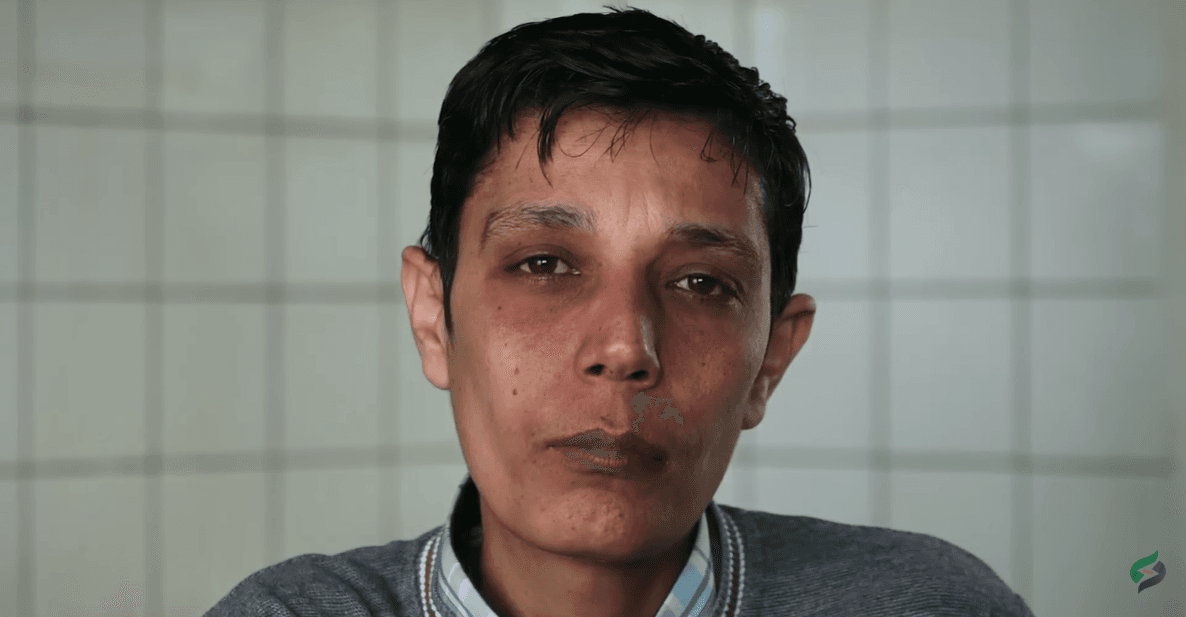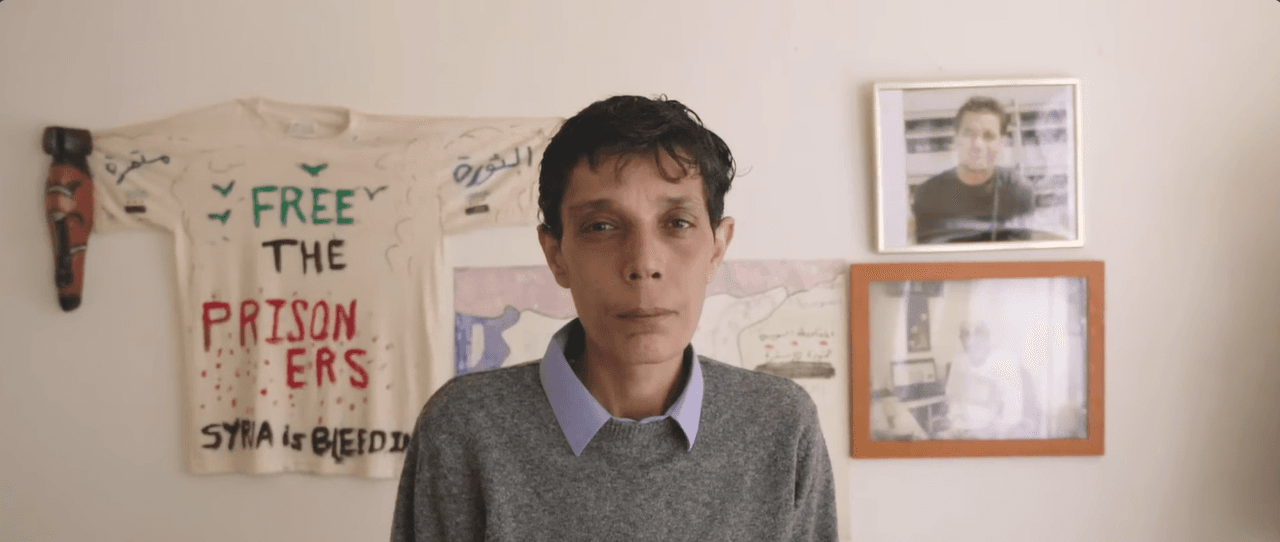

Full Name | Mazen al-Hamada | ||||||||
|---|---|---|---|---|---|---|---|---|---|
Year of Birth | 1977 | ||||||||
Place of Birth | Deir ez-Zor Türkiye | ||||||||
Date of Death | December 2024 | ||||||||
Place of Death | Sednaya Prison Damascus Türkiye | ||||||||
Cause of Death | Severe Torture | ||||||||
Identity | Activist | ||||||||
Date of First Arrest | March 2012 | ||||||||
Return to Syria and Date of Loss | 22 February 2020 | ||||||||
Mazen al-Hamada (1977, Deir ez-Zor – 2024, Damascus), a Syrian human rights activist and regime opponent. From the earliest days of the Syria uprisings that began in 2011, he participated in pro-democracy protests and became known internationally for his awareness campaigns regarding prison conditions in Syria and the enforced disappearances【1】 of individuals.
Mazen al-Hamada Tells His Story (Syrian Emergency Task Force)
Mazen al-Hamada was born in 1977 in Deir ez-Zor, eastern Syria, into a middle-class family with leftist political leanings and opposition to the regime. Before the war, Hamada worked for a French company. He actively participated in the anti-regime demonstrations sparked by the Arab Spring in 2011 and was detained several times during this period.
In March 2012, he was arrested along with friends while attempting to deliver baby formula to a besieged suburb of Damascus.
Following his arrest in 2012, Hamada was first taken to the al-Mezze (al-Mazzeh) security unit near the airport and later transferred to Facility 601, known as a military hospital but which he described as a “slaughterhouse.” He was assigned the number 1858 there.
Over the course of approximately 18 months in detention, he endured severe torture in facilities later documented in the “Caesar” photographs. According to recorded testimonies, his ribs were broken, torture devices were attached to his genitalia, he was sexually assaulted, and he suffered physical violence so extreme that his urine contained blood.【2】 Under torture, he was forced to sign a false confession admitting to baseless charges including arms possession, murder, attempted coup, and terrorism.【3】 During this first detention period, his fiancée was killed.
Hamada was released in 2013 as a result of pressure from international human rights organizations and various diplomatic initiatives.
After his release, Hamada returned to his hometown of Deir ez-Zor but was forced to leave Syria when he became a target of ISIS. He departed the country in 2013 and in 2014 relocated to the Netherlands, where he was granted asylum.
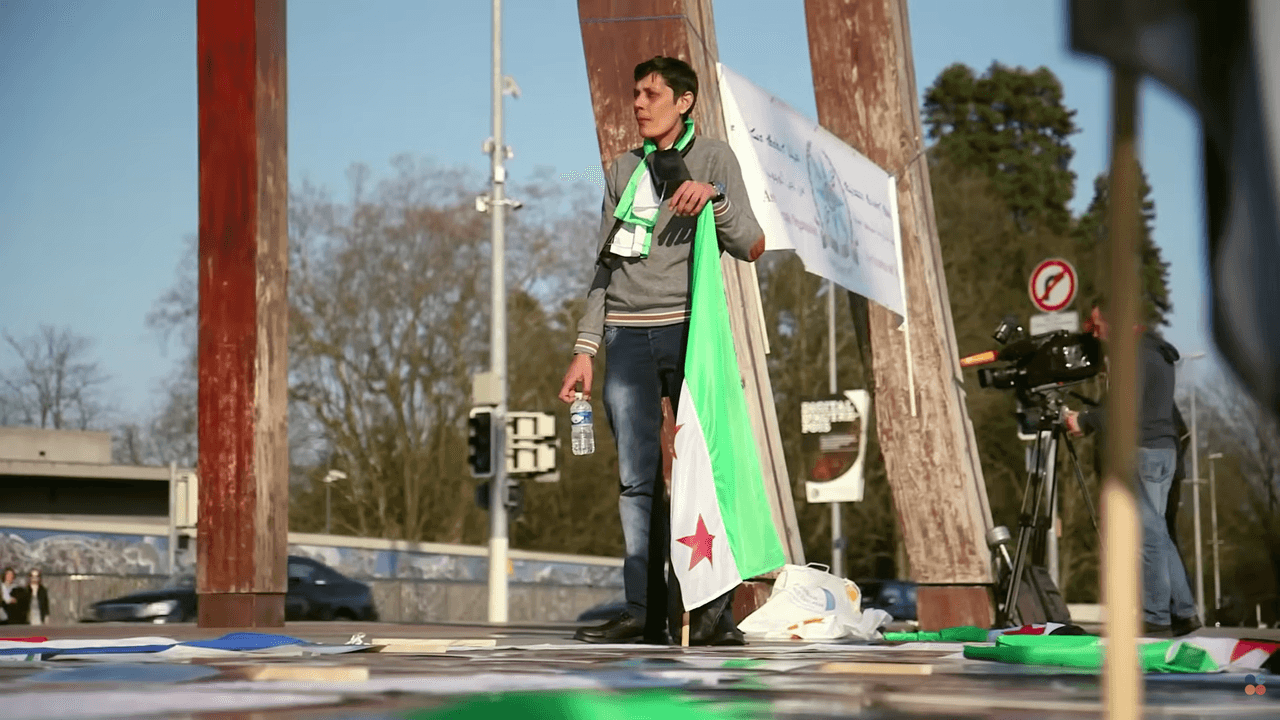
Mazen al-Hamada Birleşmiş Milletler Binası Önünde (DocRoom)
After settling in the Netherlands, he began working as a key witness to expose the conditions faced by tens of thousands of detainees in Syrian prisons. Collaborating with the Syrian Emergency Task Force (SETF), he traveled to the United States and spoke to broad audiences, from members of Congress to university students, about prison conditions. In 2017 he appeared in the documentary “Syria’s Disappeared,” directed by Sara Afshar.
Mazen al-Hamada returned to Syria on 22 February 2020. According to statements from his close circle and family, his decision was influenced by disillusionment with the international community’s inaction, his search for a political solution to the war, the false security guarantees offered by the regime’s “amnesty” announcement, and threats that his family remaining in Syria would be arrested and killed if he did not return.
He was arrested the moment he landed at Damascus International Airport and has not been seen since. He was added to the list of enforced disappearances. His last digital trace was a WhatsApp activity record from the day of his arrest, 22 February 2020.
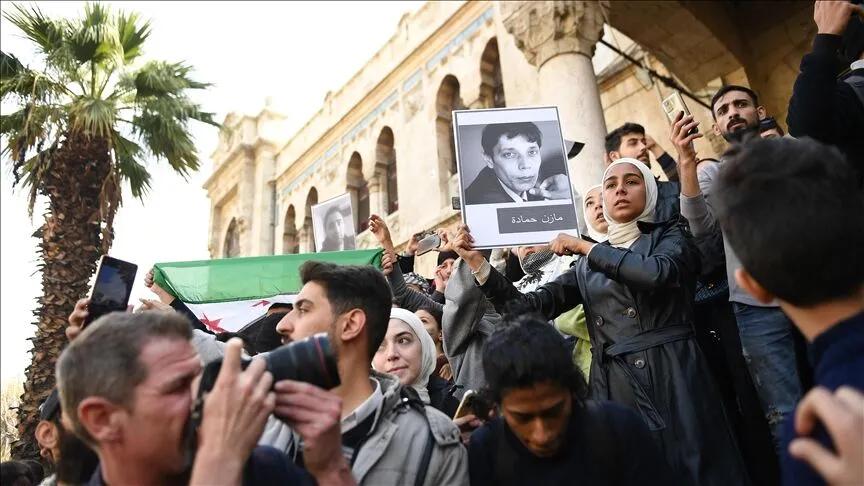
Cenaze Töreni (AA)
In December 2024, shortly before the collapse of the Syrian regime and the takeover of Hama by opposition forces, Hamada’s lifeless body was found in Damascus’s Sednaya Prison. Severe signs of torture were evident on the body. According to forensic experts, the cause of death was severe electric shock.【5】 Additionally, fractures were found on both wrists,【6】 facial fragmentation, a broken nose, burn marks and bruises on various parts of the body.【7】 The body was identified by his family at the Haresta Military Hospital morgue.
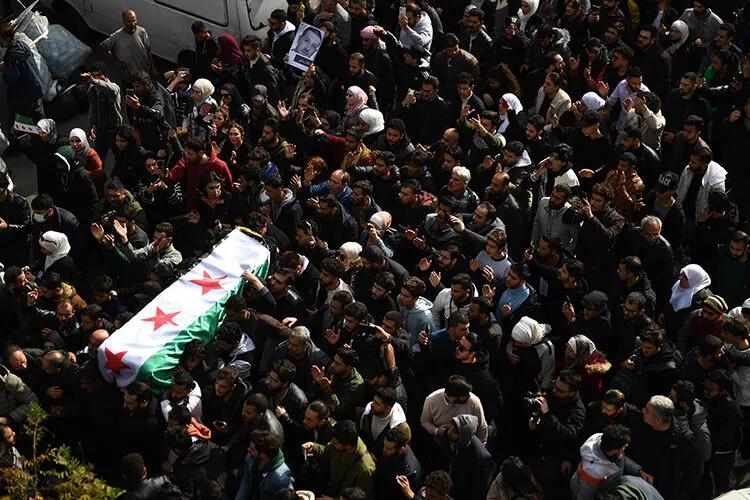
Cenaze Töreni (AA)
Hamada’s funeral was held in Damascus in December 2024, immediately after the fall of the Baath regime. His body, retrieved from al-Mujtahid Hospital, was carried through Hizaj Square and buried in a suburb of Damascus. The funeral, attended by thousands and marked by the carrying of 2011 revolution flags, turned into a mass protest demanding justice for the disappeared.
ABC News. "Famous Syrian activist Mazen Al-Hamada found dead in Damascus 'slaughterhouse' prison." Accessed July 22, 2026.
AP News. "Funeral for activist turns into call for justice for other missing Syrians." AP News. December 12, 2024. Accessed July 22, 2026.
Anadolu Ajansı. "Suriye'de işkence altında ölen aktivist Hamada için Şam'da cenaze töreni yapıldı." Anadolu Ajansı. December 12, 2024. Accessed July 22, 2026.
BBC News. "'I wish he'd lived to see new Syria' - Crowds bury anti-Assad activist." BBC News. December 13, 2024. Accessed July 22, 2026.
DocRoom. "SYRIA'S DISAPPEARED: The Case against Assad (2019) | BAFTA-nominated Documentary | DocRoom." YouTube, July 30, 2025. Accessed July 22, 2026.
Syria Justice and Accountability Centre. "Inside the Alaa M. Trial #101: Al-Mazzeh 601: A Slaughterhouse, Not A Hospital." Syria Justice and Accountability Centre. July 9, 2025. Accessed July 22, 2026.
Syrian Emergency Task Force. "Mazen Al-Hamada." Syrian Emergency Task Force. Accessed July 22, 2026.
Syrian Emergency Task Force. "Mazen al-Hamada Tells His Story of Being in Syria's Prisons." YouTube, March 28, 2023. Accessed July 22, 2026.
Web documentary Echoes of IS. "Mazen." YouTube, November 23, 2017. Accessed July 22, 2026.
[1]
Zorla kaybedilme (enforced disappearance), bir kişinin devlet görevlileri veya devletin desteği, onayı ya da göz yummasıyla hareket eden kişiler tarafından özgürlüğünden yoksun bırakılması (gözaltına alınması, kaçırılması veya alıkonulması) ve ardından bu durumun inkâr edilmesi ya da kişinin akıbeti veya bulunduğu yer hakkında bilgi verilmemesi anlamına gelir.
[2]
Syria Justice and Accountability Centre. "Inside the Alaa M. Trial #101: Al-Mazzeh 601: A Slaughterhouse, Not A Hospital." Syria Justice and Accountability Centre. 9 Temmuz 2025. Erişim tarihi: 23 Temmuz 2026.https://syriaaccountability.org/inside-the-alaa-m-trial-101-al-mazzeh-601-a-slaughterhouse-not-a-hospital/
[3]
Syria Justice and Accountability Centre. "Inside the Alaa M. Trial #101: Al-Mazzeh 601: A Slaughterhouse, Not A Hospital." Syria Justice and Accountability Centre. 9 Temmuz 2025. Erişim tarihi: 23 Temmuz 2026.
[5]
Syria Justice and Accountability Centre. "Inside the Alaa M. Trial #101: Al-Mazzeh 601: A Slaughterhouse, Not A Hospital." Syria Justice and Accountability Centre. 9 Temmuz 2025. Erişim tarihi: 23 Temmuz 2026.
[6]
Syria Justice and Accountability Centre. "Inside the Alaa M. Trial #101: Al-Mazzeh 601: A Slaughterhouse, Not A Hospital." Syria Justice and Accountability Centre. 9 Temmuz 2025. Erişim tarihi: 23 Temmuz 2026
[7]
BBC News. "'I wish he'd lived to see new Syria' - Crowds bury anti-Assad activist." BBC News. December 13, 2024. Accessed July 23, 2026.

Full Name | Mazen al-Hamada | ||||||||
|---|---|---|---|---|---|---|---|---|---|
Year of Birth | 1977 | ||||||||
Place of Birth | Deir ez-Zor Türkiye | ||||||||
Date of Death | December 2024 | ||||||||
Place of Death | Sednaya Prison Damascus Türkiye | ||||||||
Cause of Death | Severe Torture | ||||||||
Identity | Activist | ||||||||
Date of First Arrest | March 2012 | ||||||||
Return to Syria and Date of Loss | 22 February 2020 | ||||||||
Early Years and Activism
Detention and Torture
Exile and International Work
Return to Syria and Enforced Disappearance
Death and Funeral