


Max Ernst
Spouse | Luise Straus (1918–27) Marie-Berthe Aurenche (1927–42) Peggy Guggenheim (1942–46) Dorothea Tanning (1946–76) | ||||||||
|---|---|---|---|---|---|---|---|---|---|
Date of birth | 1891-04-02 | ||||||||
Place of birth | Brühl/Germany | ||||||||
Date of death | 1976-04-01 | ||||||||
Place of death | Paris/France | ||||||||
Nationality | German | ||||||||
Field | Painting Statue Poetry | ||||||||
Movements | Dadaism, Surrealism | ||||||||
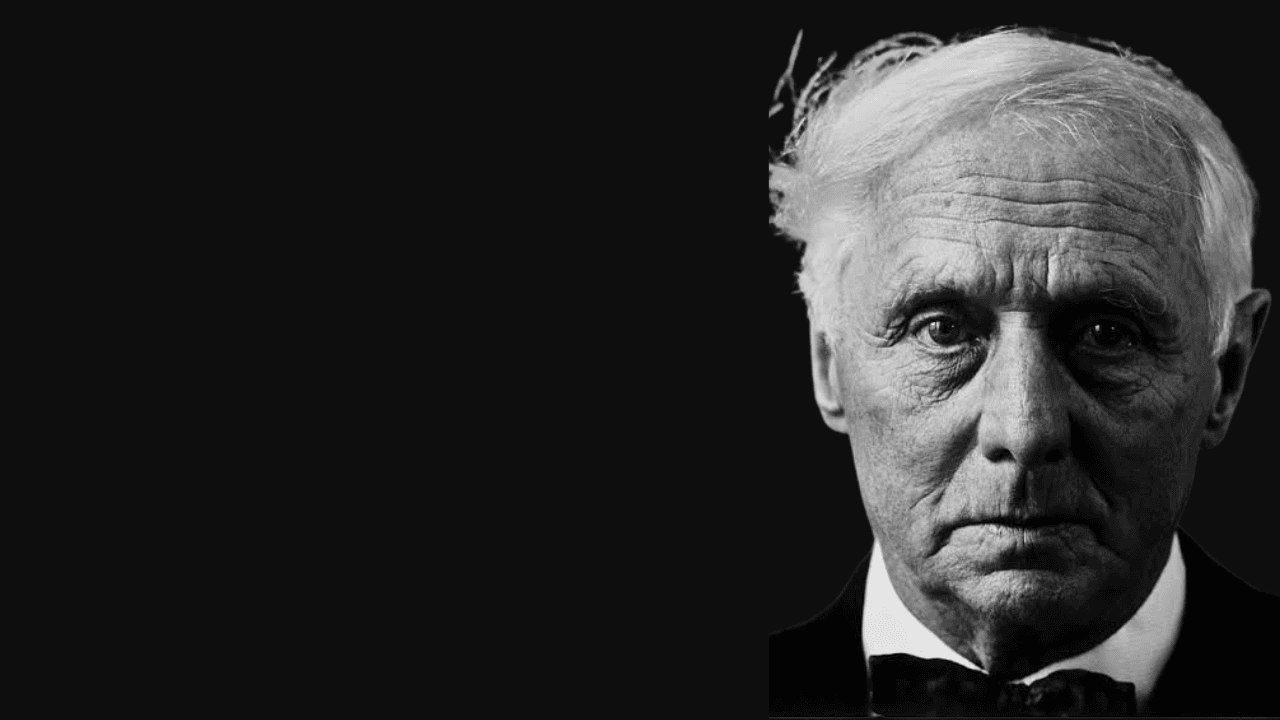
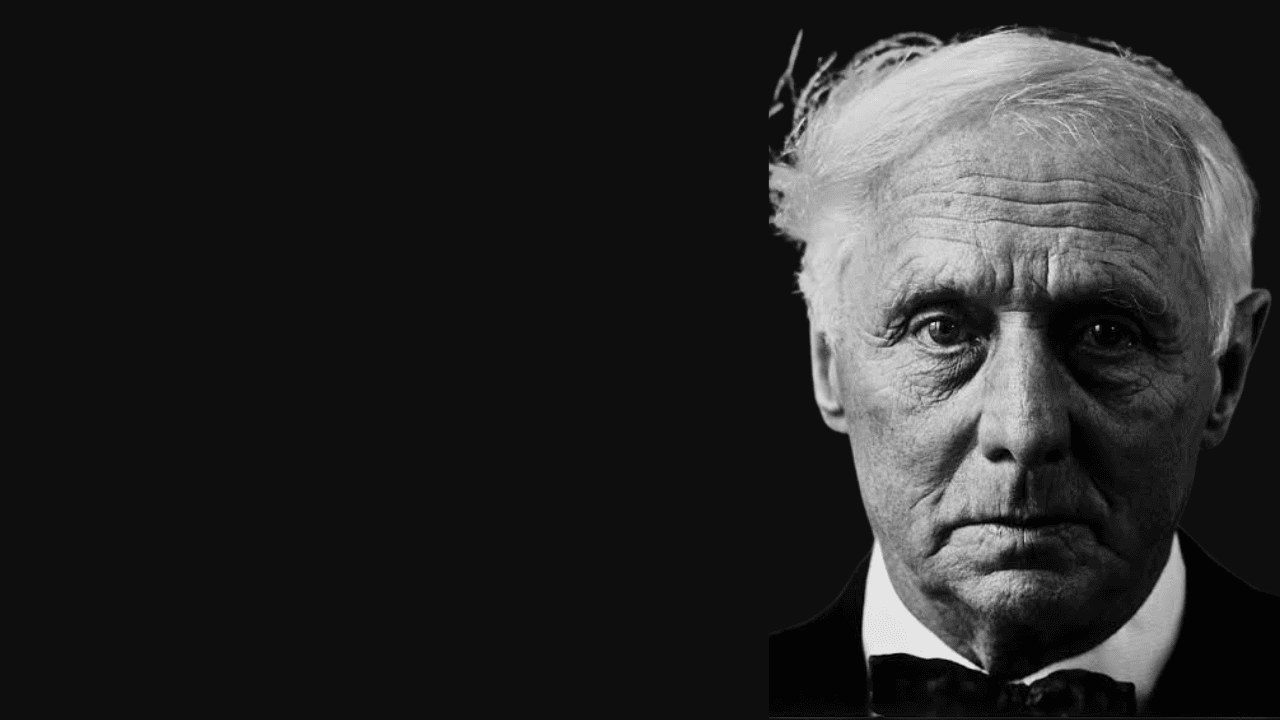
Ernst, a German painter, sculptor, graphic artist and poet, is regarded as one of the most important artists of the 20th century. Ernst made significant contributions to the Dada and Surrealist like art movements and established a profound connection between art and life through these movements.
Max Ernst - Artists Mucciaccia Gallery
Max Ernst was born on 2 April 1891 in the town of Brühl, Germany. The youngest of six children in a middle-class Catholic family, Ernst developed an interest in art from an early age. His father, an amateur painter and teacher at a school for the deaf and mute, taught Max what he knew about painting. In 1909, Ernst enrolled at the University of Bonn, where he studied a wide range of subjects including art history, philosophy, psychology and psychiatry. However, he did not receive formal art training and chose instead to develop his artistic interests in a more independent manner.
Max Ernst joined the German army in 1914 when World War I began. The years of war completely halted his artistic activity. However, after the war he returned to art, continuing his work with new perspectives and ideas. The traumas and experiences of the war deeply influenced his art, leading him to explore psychological and unconscious themes, particularly those related to psychoanalysis.
After the war, Ernst’s artistic outlook rapidly changed. In 1919 he returned to Cologne and joined the Dada movement. Alongside Jean Arp and Alfred Grünwald, he co-founded the Cologne Dada Group, generating widespread repercussions in the art world. Dada emerged as a reaction against traditional artistic conventions, aiming to question the very meaning of art. Within this movement, Ernst developed many innovative techniques, producing unconventional artworks through collage, photomontage and other experimental methods.
In 1920 Ernst moved to Paris, where he met leading figures of the Surrealist movement, André Breton and Paul Éluard. During this period he was influenced by Surrealism’s emphasis on the unconscious and the power of dreams, developing a more abstract and fantastical visual language. In the early 1920s, Ernst made major advances in his art by developing techniques such as frottage (transferring the texture of a surface onto paper) and grattage (scraping dried paint).
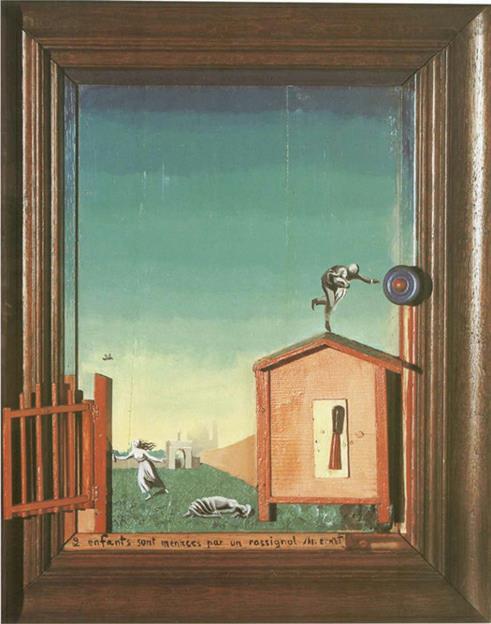
Max Ernst's work 'Two Children are Threatened by a Nightingale'
Max Ernst continually pursued innovation in his art and embraced numerous experimental approaches. He deepened the aesthetics of Surrealism through methods such as decalcomania (pressing paint between two surfaces) and frottage. In 1926, together with Spanish painter Joan Miró, he developed a technique called “forgiveness.” In 1929 he created the collage novel “100 Heads of Woman”. This work exemplifies his efforts to combine words and images to construct a rich meaning world.
World War II dramatically transformed Max Ernst’s life. When Nazi Germany occupied France, Ernst was arrested. However, with the help of friends he was released after a short time. As part of the wave of artists fleeing Germany, he settled in the United States in 1941. In America, he contributed to the development of Abstract Expressionism. In the United States, Max Ernst was recognized not only as a painter but also as one of the most important figures in the art world. After settling in New York, he helped shape the Abstract Expressionist movement alongside other Surrealists.
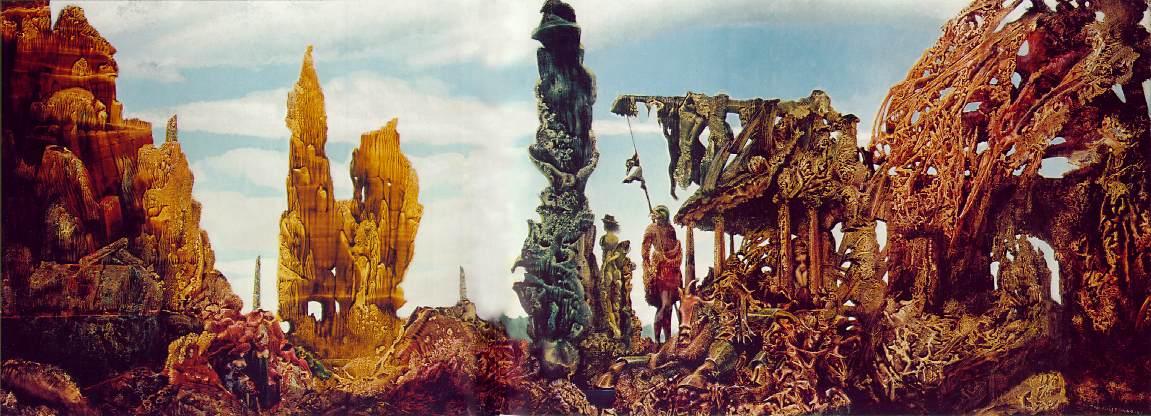
Max Ernst's work 'Europe After the Rain II'
Max Ernst returned to France in 1953 and continued his artistic work there. In 1975 the Solomon R. Guggenheim Museum organized a retrospective exhibition of his art. Ernst died in Paris on 1 April 1976 and was buried in Père Lachaise Cemetery.
Max Ernst’s art has secured his place not only as a central figure in the Dada and Surrealist movements but also as one of the most important artists of the 20th century. Through his innovative techniques and psychological insights, Max Ernst played a vital role in shaping modern art.
"Max Ernst and His Paintings." Max Ernst Official Website. Accessed February 9, 2025.Accessed Adresi.
Mucciaccia Gallery. "Max Ernst." Mucciaccia Gallery.com. Accessed February 9, 2025.Accessed Adresi.
İstanbul Sanat Evi. "Max Ernst Hayatı ve Eserleri." İstanbulsanatevi.com. Accessed February 9, 2025.Accessed Adresi.

Max Ernst
Spouse | Luise Straus (1918–27) Marie-Berthe Aurenche (1927–42) Peggy Guggenheim (1942–46) Dorothea Tanning (1946–76) | ||||||||
|---|---|---|---|---|---|---|---|---|---|
Date of birth | 1891-04-02 | ||||||||
Place of birth | Brühl/Germany | ||||||||
Date of death | 1976-04-01 | ||||||||
Place of death | Paris/France | ||||||||
Nationality | German | ||||||||
Field | Painting Statue Poetry | ||||||||
Movements | Dadaism, Surrealism | ||||||||
Early Life and Education
World War I and Its Impact on His Art
Involvement in Dada and Surrealism
Technical Innovations and Artistic Development
World War II and Its Aftermath
Later Years and Legacy