


This article was automatically translated from the original Turkish version.
Massachusetts Institute of Technology
Slogan | Scientia ac Labore (With Science and Labor) Mens et Manus (Mind and Hand) | ||||||||
|---|---|---|---|---|---|---|---|---|---|
Establishment | 10 April 1861 | ||||||||
Type(s) | Private | ||||||||
Language of Instruction | English | ||||||||
Affiliation | New England Commission of Higher Education (NECHE) | ||||||||
Rector | Sally Kornbluth | ||||||||
Academic Staff | 1,069 (2023 data) | ||||||||
Number of Students | 858 Total: 11 201 graduate 7 657 undergraduate 4 | ||||||||
Graduates | 140,000+ (worldwide) | ||||||||
Academic Units | 30+ Interdisciplinary Research Laboratories 1 College (Schwarzman College of Computing 5 Schools | ||||||||
Location | USA Massachusetts Cambridge | ||||||||
Campuses | MIT.nano (Nanotechnology Center) MIT Sloan (Boston) Lincoln Laboratory (Lexington) Main Campus (Cambridge) | ||||||||
School Colors | Cardinal Red (#A31F34) and Gray (#8A8B8C) | ||||||||
Sports | 500+ student sports clubs 33 NCAA Division III teams (The Engineers) | ||||||||
Website(s) | mit.edu | ||||||||
Additional Information | 2023 QS World University Rankings: #1 29 National Medal of Technology and Innovation recipients 59 National Medal of Science recipients 96 Nobel Laureates | ||||||||
Notable Alumni | Ilene S. Gordon (Industry leader) Richard Feynman (Physicist) Buzz Aldrin (Astronaut) Kofi Annan (7th UN Secretary-General) | ||||||||
Research Budget | Annual $800 million+ | ||||||||
Massachusetts Institute of Technology (MIT) is one of the world’s leading universities in science, technology, and engineering. Founded in 1861, the institute is located in the city of Cambridge near Boston. Guided by its motto “Mens et Manus” (Mind and Hand), MIT is renowned for its educational model that integrates theoretical knowledge with practical application.
The Massachusetts Institute of Technology (MIT) was established on 10 April 1861 by a charter approved by the Massachusetts General Court. Its founder, William Barton Rogers, envisioned an educational system that provided applied scientific training required by the Industrial Revolution. Due to the American Civil War, instruction began in 1865 in Boston’s Back Bay neighborhood, and in 1916 the institute moved to its current campus along the Charles River in Cambridge.
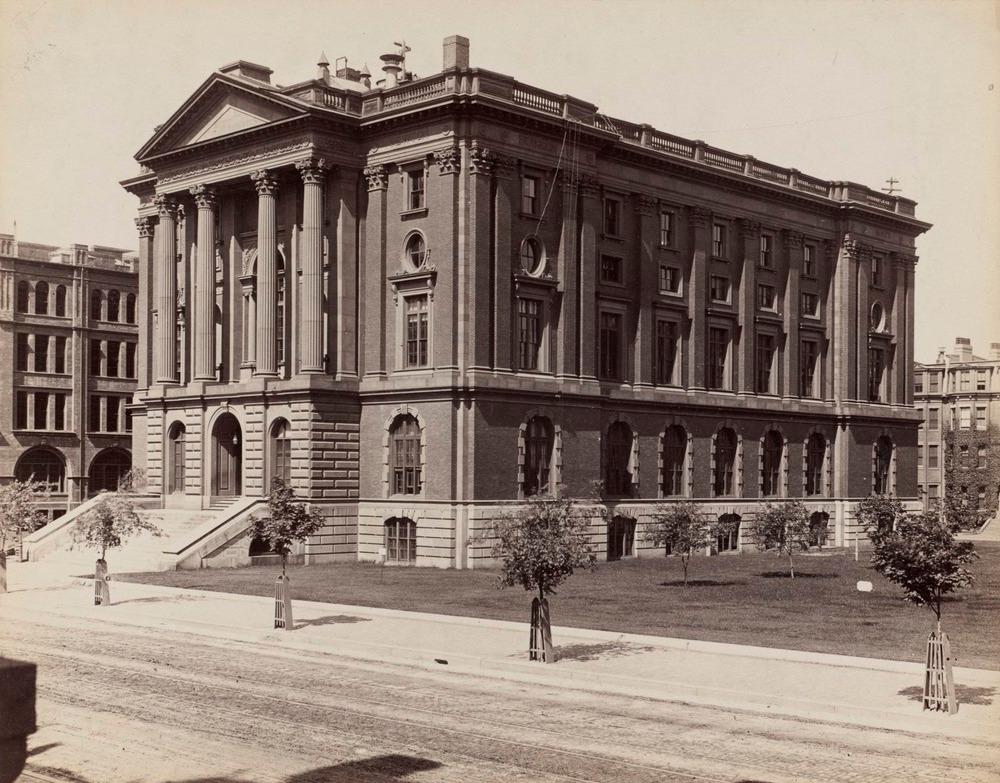
The First Building of MIT in Boston (mit.edu)
Key milestones in MIT’s historical development include:
MIT’s academic structure is divided into five main schools and one college. According to the QS World University Rankings, MIT ranks first globally in engineering and computer science, and is among the world’s top institutions in physics, economics, and architecture.
The structural organizations within MIT are as follows:
As of the 2023–2024 academic year:
MIT’s impact in research is demonstrated through groundbreaking innovations spanning from radar technology to internet protocols, from CRISPR gene editing to mRNA vaccine technology. Much of this work has been conducted at prestigious research centers such as the MIT Radiation Laboratory, CSAIL, and the Koch Institute.
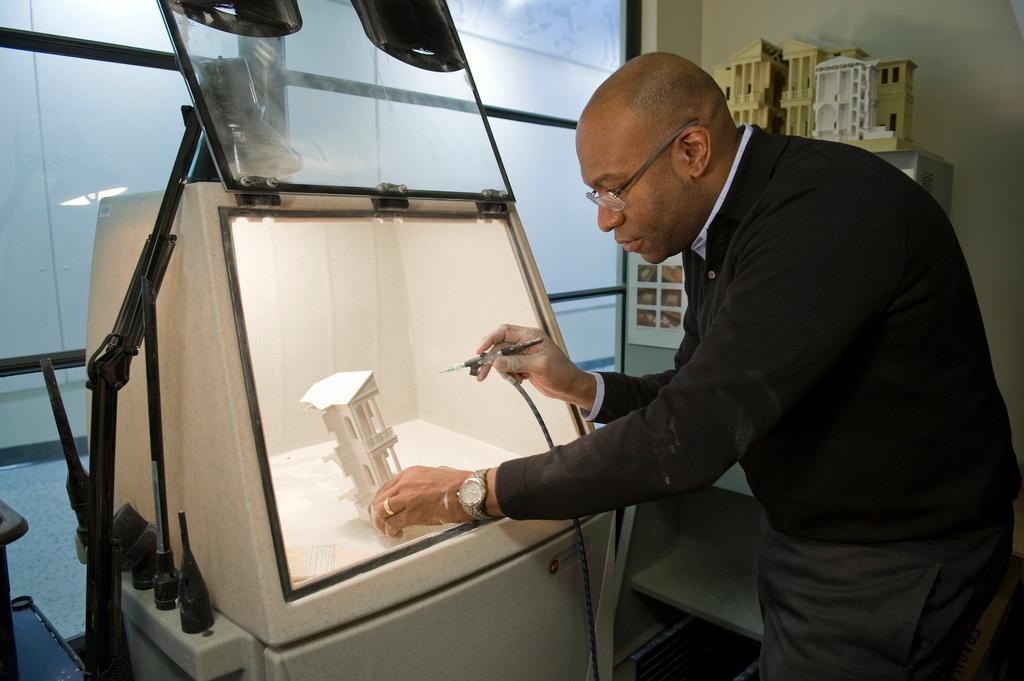
A MIT professor is working on an architectural model.
MIT’s research ecosystem comprises the following components:
With a student body of 11,520 as of 2023, the institution has an admission rate of approximately 5%, and students come from over 150 countries. Prominent features of campus culture include more than 500 student clubs, the “hack” tradition, and athletic teams competing in NCAA Division III.
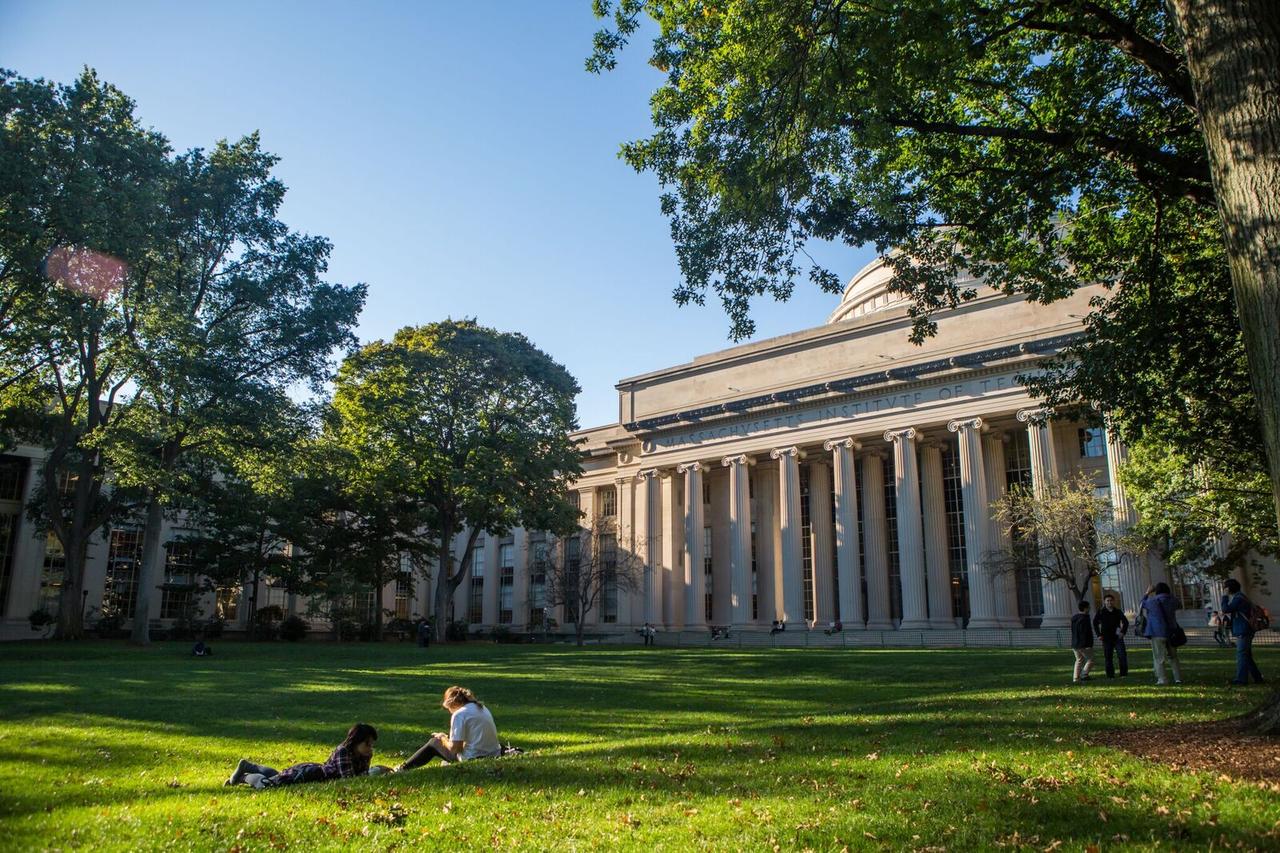
MIT’s campus spans 168 acres and includes the following key facilities:
MIT’s global influence is embodied in the more than 30,000 companies founded by its alumni. These companies have generated 4.6 million jobs and an annual economic contribution of $1.9 trillion, underscoring MIT’s worldwide impact.
MIT’s visionary approach to access to knowledge is exemplified by the MIT OpenCourseWare project. This platform offers over 2,500 free online courses and, with more than 500 million page views, is the world’s most comprehensive open educational resource.
The MIT Media Lab continues to shape the technological landscape through innovative projects ranging from electronic ink to programming languages for children (Scratch), wearable technologies, and social robots.
Under its 2030 vision, the institution has set ambitious goals including a carbon-neutral campus, a framework for artificial intelligence ethics, and leadership in space research. MIT’s efforts to combat climate change are detailed extensively on its official website.
Massachusetts Institute of Technology. "About MIT." Accessed June 15, 2023.
Massachusetts Institute of Technology. "Academics." Accessed June 15, 2023.
Massachusetts Institute of Technology. "Campus Life." MIT Admissions. Accessed June 15, 2023.
Massachusetts Institute of Technology. "Campus Life." MIT Admissions. Accessed June 15, 2023.
Massachusetts Institute of Technology. "Facts." MIT News Office. Accessed June 15, 2023.
Massachusetts Institute of Technology. "MIT OpenCourseWare." Accessed June 15, 2023.
Massachusetts Institute of Technology. "Research at MIT." Accessed June 15, 2023.
Massachusetts Institute of Technology. "Timeline of MIT History." Accessed June 15, 2023. https://www.mit.edu/timeline/.
QS Quacquarelli Symonds. "Massachusetts Institute of Technology (MIT)." QS World University Rankings. Accessed June 15, 2023.
U.S. News & World Report. "Massachusetts Institute of Technology Rankings." Best Colleges. Accessed June 15, 2023.
Massachusetts Institute of Technology
Slogan | Scientia ac Labore (With Science and Labor) Mens et Manus (Mind and Hand) | ||||||||
|---|---|---|---|---|---|---|---|---|---|
Establishment | 10 April 1861 | ||||||||
Type(s) | Private | ||||||||
Language of Instruction | English | ||||||||
Affiliation | New England Commission of Higher Education (NECHE) | ||||||||
Rector | Sally Kornbluth | ||||||||
Academic Staff | 1,069 (2023 data) | ||||||||
Number of Students | 858 Total: 11 201 graduate 7 657 undergraduate 4 | ||||||||
Graduates | 140,000+ (worldwide) | ||||||||
Academic Units | 30+ Interdisciplinary Research Laboratories 1 College (Schwarzman College of Computing 5 Schools | ||||||||
Location | USA Massachusetts Cambridge | ||||||||
Campuses | MIT.nano (Nanotechnology Center) MIT Sloan (Boston) Lincoln Laboratory (Lexington) Main Campus (Cambridge) | ||||||||
School Colors | Cardinal Red (#A31F34) and Gray (#8A8B8C) | ||||||||
Sports | 500+ student sports clubs 33 NCAA Division III teams (The Engineers) | ||||||||
Website(s) | mit.edu | ||||||||
Additional Information | 2023 QS World University Rankings: #1 29 National Medal of Technology and Innovation recipients 59 National Medal of Science recipients 96 Nobel Laureates | ||||||||
Notable Alumni | Ilene S. Gordon (Industry leader) Richard Feynman (Physicist) Buzz Aldrin (Astronaut) Kofi Annan (7th UN Secretary-General) | ||||||||
Research Budget | Annual $800 million+ | ||||||||
No Discussion Added Yet
Start discussion for "Massachusetts Institute of Technology" article
Founding and Historical Development
Academic Structure and Educational Model
Research and Innovations
Notable Scientific Contributions
Campus Life and Student Profile
Global Impact
Economic Impact of MIT Alumni
Open Educational Resources
MIT Media Lab and Innovative Projects
Key Research Centers
2030 Vision and Future Goals