


This article was automatically translated from the original Turkish version.
+1 More
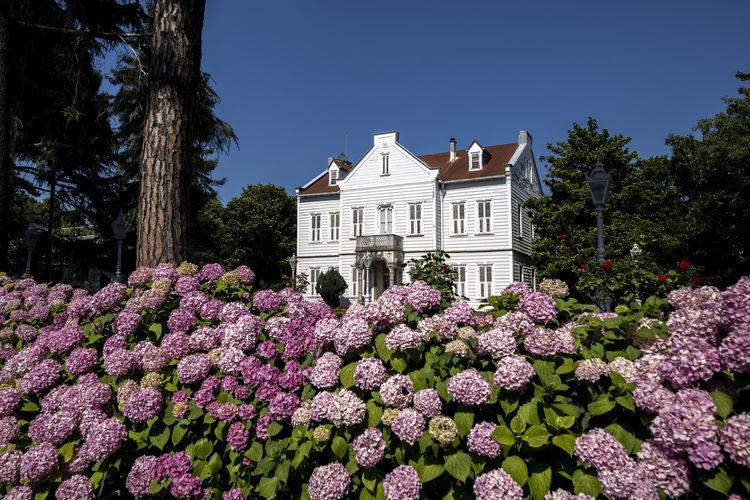
Maslak Kasırları
Location | Sarıyer - Istanbul/Türkiye | ||||||||
|---|---|---|---|---|---|---|---|---|---|
Commissioned by | Sultan Abdülaziz (1860s) | ||||||||
Affiliated Institution | Presidency of the Republic of Türkiye, National Palaces | ||||||||
Architectural Feature | Turkish house plan type | ||||||||
Prominent Structures | Lemon house Lemon storehouse Bathhouse Viewing pavilion Mâbeyn-i Hümâyûn (reception hall) Kasr-ı Hümâyûn (harem) | ||||||||
Historical Use | 1984–present: Museum-house and cultural activity area Ottoman period prince's residence 1937–1982: Military sanatorium | ||||||||
İstanbul’s northern region, in the Maslak neighborhood of the Sarıyer district, lies the historical complex known as Maslak Kasırları, one of the late Ottoman palace architecture examples. Located within a forested area of approximately 170,000 square meters, Maslak Kasırları consists of the Kasr-ı Hümâyûn, Mâbeyn-i Hümâyûn, Seyir Köşkü, Limonluk, a hamam, the ağalar dairesi, a mutfak and a sera. It served as a residence for Sultan II. Abdülhamid during both his time as a prince and as sultan.
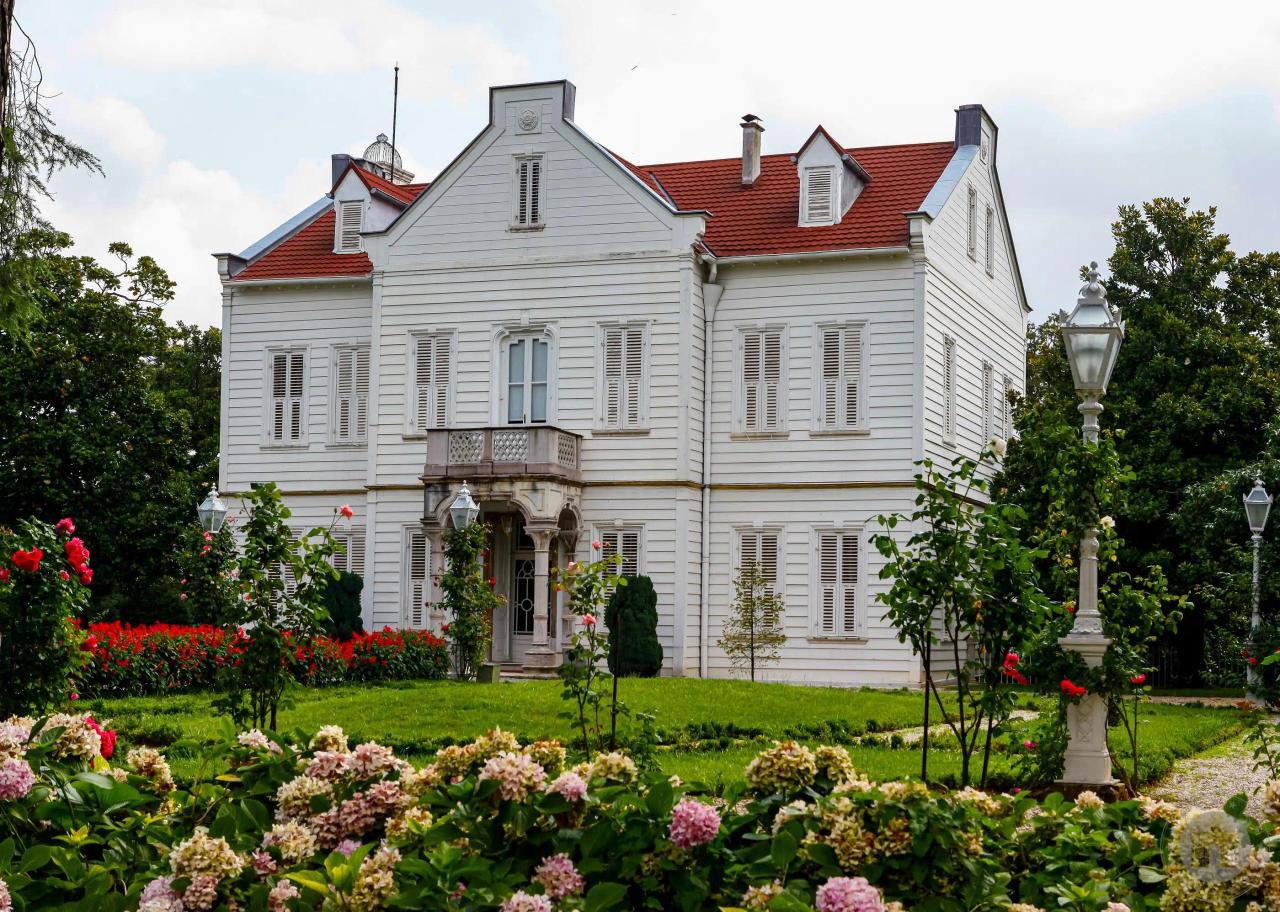
Maslak Kasrı (T.C. Milli Saraylar Başkanlığı)
The area where Maslak Kasırları stands was used as a hunting and leisure ground by Ottoman sultans, especially during the reign of Sultan II. Mahmud (1808–1839). Although no exact date exists for the construction of the complex, it is known that the current buildings were largely erected during the reign of Sultan Abdülaziz (1861–1876). In 1868, Sultan Abdülaziz assigned Maslak Kasırları to his nephew Şehzade Abdülhamid Efendi. From that date onward, the complex did not serve merely as a residence but evolved into a self-sustaining living area that hosted agricultural, livestock and carpentry activities. During his years there, Şehzade Abdülhamid expanded the grounds by purchasing surrounding land and incorporated the entire estate into the Ottoman farm system under the name Maslak Çiftlikât-ı Hümâyûnu. He established direct contact with the local population, gave music lessons to his children, composed poetry and musical pieces, and worked in the carpentry workshop. The fact that Maslak Kasrı was the very place from which he was summoned to the Ottoman throne in 1876 has added historical depth to the structure.
Following the proclamation of the Republic, Maslak Kasırları was used as a military sanatorium between 1937 and 1982, serving as a center for the protection of individuals who carried the tuberculosis bacillus but had not yet contracted the disease. In 1984, after a comprehensive restoration, the complex was incorporated into the National Palaces Administration under the Presidency of the Republic of Türkiye and opened to the public as a müze-ev museum. Today, it holds a place among Istanbul’s cultural heritage sites, recognized for both its historical identity and its natural landscape value.
Maslak Kasırları is a group of buildings reflecting the characteristic features of late 19th-century Ottoman residential architecture, designed in harmony with the natural environment. Located within a vast forested area of approximately 170,000 square meters, the complex illuminates the civil architecture of its era in terms of both planning and decoration. The main building, Kasr-ı Hümâyûn, follows the traditional Turkish house floor plan and served as the harem; adjacent to it, the Mâbeyn-i Hümâyûn functioned as the sultan’s official reception space. Additional auxiliary structures such as the Seyir Köşkü, Ağalar Dairesi, hamam, limonluk with its associated külhan, a telegraph room, mutfak (matbah), a water reservoir, a guard room, a bird keeper’s room and a bahçıvan room, as well as a stable (tavla), were all designed to meet the daily needs of the residents.
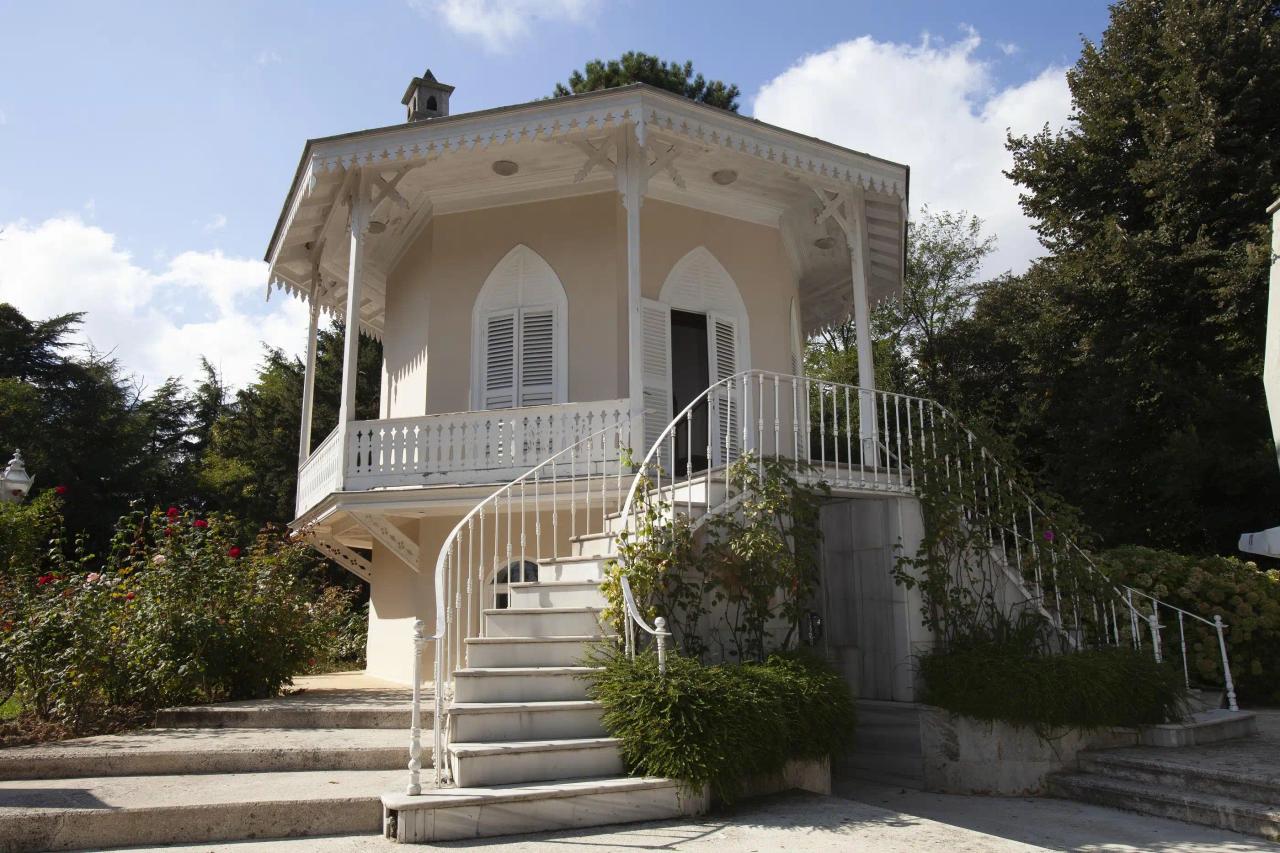
Çadır Köşkü (T.C. Milli Saraylar Başkanlığı)
The architectural composition of the kasırlar reflects an integrated approach with nature. The buildings are situated in a commanding position overlooking the Bosphorus and the Black Sea, blending seamlessly with the dense surrounding yeşil doku. Interior spaces display refined examples of Ottoman decorative arts: wooden ceiling reliefs, pencil drawings on walls and delicate ornamentation enhance the aesthetic value of the buildings. The camellias blooming in the limonluk, especially during the kış months, have become an integral part of the architectural aesthetic from a botanical perspective. The pathways connecting the buildings and the garden landscaping ensure both the functional and visual unity of the complex.
Throughout its transition from the Ottoman period to the Republic, Maslak Kasırları served various functions and underwent several physical alterations. After decades of abandonment, the complex underwent comprehensive restoration in 1984. These efforts aimed to reveal and preserve the original architectural elements without damaging the historical fabric of the structure.
Under the restoration program, Kasr-ı Hümâyûn, Mâbeyn-i Hümâyûn, Limonluk, Seyir Köşkü, gardens and auxiliary buildings were renovated in accordance with original designs, based on documents, memorabilia and period photographs. Interior decorations, ceiling reliefs and wall ornamentations were meticulously restored by expert teams using original materials. Garden layouts were redesigned according to landscape architecture principles, and climate control systems enabling the cultivation of tropical plants in the sera were modernized.
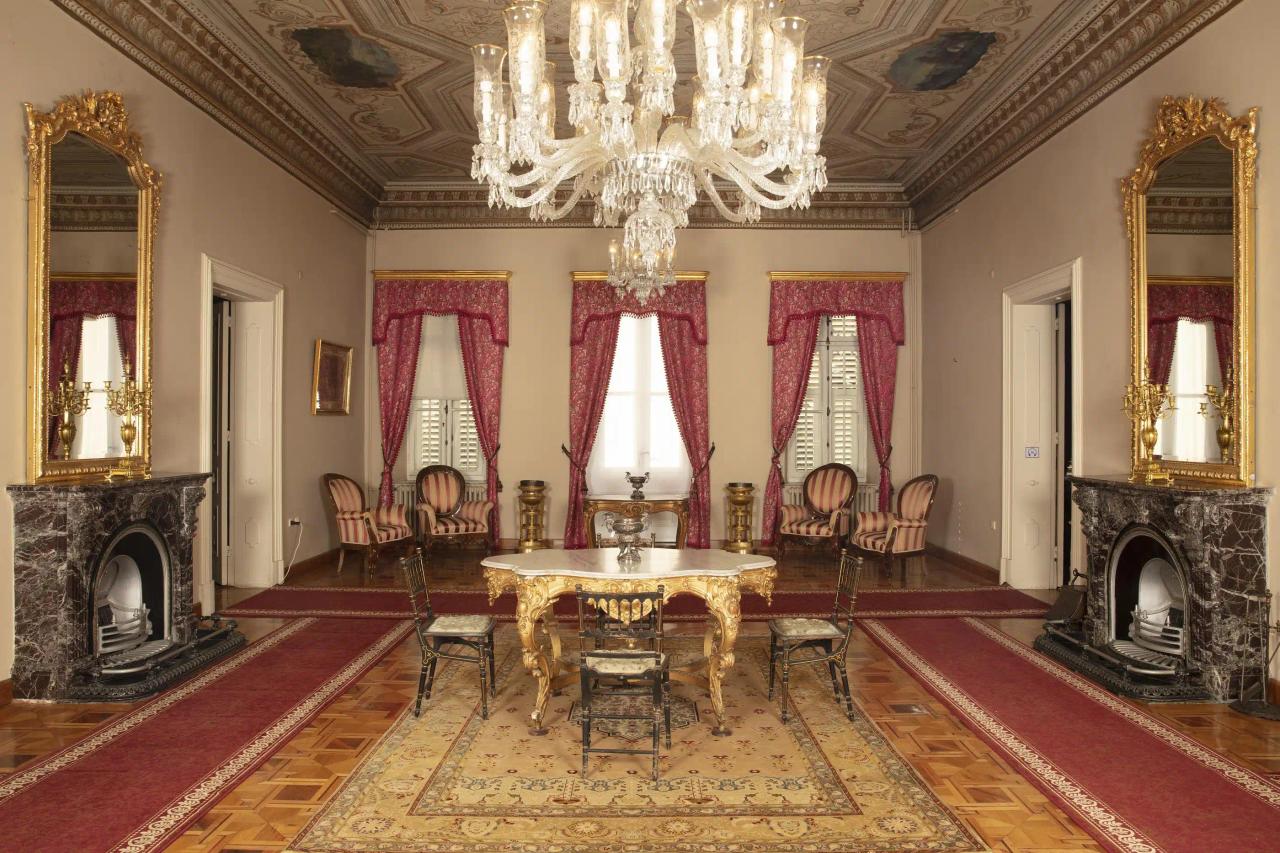
İç Mekan (T.C. Milli Saraylar Başkanlığı)
Maslak Kasırları holds historical importance as one of the final palace complexes of the Ottoman era and as the residence of Sultan II. Abdülhamid during his years as a prince. His simple yet productive life here—engaging in activities ranging from carpentry to literature and music—transformed the complex from a mere residence into a vibrant cultural üretim center.
Its use as a military sanatorium during the Republican period enabled the structure to assume a health-based social function. After restoration, its status as a publicly accessible museum brought its educational and kültür purposes to the forefront. Today, the buildings serve as exhibition, reception and leisure spaces, securing their place in the collective memory as both historical documents and publicly accessible cultural assets.
Anadolu Ajansı. "Maslak Kasrı FPV dron ile görüntülendi." Accessed April 14, 2025.https://www.aa.com.tr/tr/kultur/maslak-kasri-fpv-dron-ile-goruntulendi/3060306
Ministry of Culture and Tourism. "Maslak Kasırları." Türkiye Kültür Portalı. Accessed April 14, 2025.
Türkiye Cumhuriyeti Cumhurbaşkanlığı Milli Saraylar Başkanlığı. "Maslak Kasrı." *Milli Saraylar.* Accessed April 14, 2025.https://www.millisaraylar.gov.tr/Lokasyon/10/Maslak-Kasri

Maslak Kasırları
Location | Sarıyer - Istanbul/Türkiye | ||||||||
|---|---|---|---|---|---|---|---|---|---|
Commissioned by | Sultan Abdülaziz (1860s) | ||||||||
Affiliated Institution | Presidency of the Republic of Türkiye, National Palaces | ||||||||
Architectural Feature | Turkish house plan type | ||||||||
Prominent Structures | Lemon house Lemon storehouse Bathhouse Viewing pavilion Mâbeyn-i Hümâyûn (reception hall) Kasr-ı Hümâyûn (harem) | ||||||||
Historical Use | 1984–present: Museum-house and cultural activity area Ottoman period prince's residence 1937–1982: Military sanatorium | ||||||||
History
Architectural Features
Restoration Works
Cultural and Social Significance