This article was automatically translated from the original Turkish version.
+1 More
Building Name | Paşa Çeşmesi (Beyazıt Cami Çeşmesi) | ||||||||
|---|---|---|---|---|---|---|---|---|---|
Location | Kırklareli, Merkez, Kocahıdır Mahallesi | ||||||||
Area | 9 m² | ||||||||
Construction Year | 1622 | ||||||||
Patron | Gülabi Ahmet Paşa | ||||||||
Period | Osmanlı | ||||||||
Ownership | Kırklareli Belediyesi | ||||||||
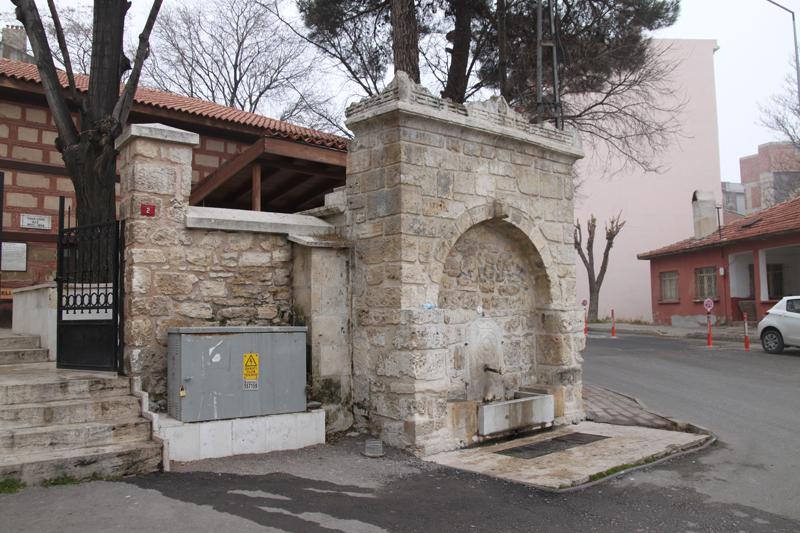
Paşa Çeşmesi is a single-faced wall fountain constructed from cut stone in 17th-century Ottoman architectural style, located in the center of Kırklareli.
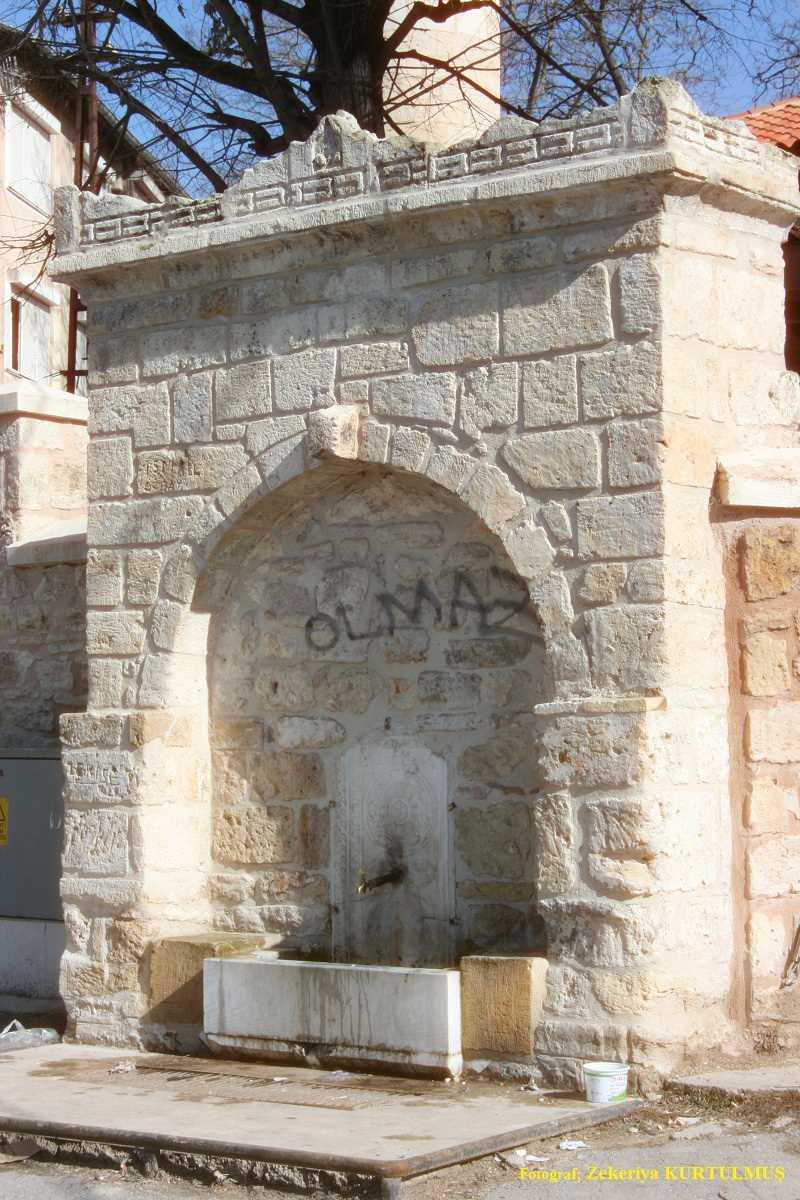
Paşa Çeşme (Türkiye Kültür Portalı)
Paşa Çeşmesi was built in 1622 by Gülabi Ahmet Paşa during the restoration of Paşa Camii (Beyazıt Camii). The structure is an example of Ottoman architectural heritage and is also referred to in endowment records and inventory reports as Beyazıt Cami Çeşmesi. Over its historical course, the structure has undergone maintenance in various periods and was most recently restored in 2008 by the General Directorate of Foundations in conjunction with the mosque.【1】
The fountain is situated within the boundaries of Kocahıdır Neighborhood in the Central District of Kırklareli Province. The structure is located adjacent to the western corner of the courtyard wall of Paşa Camii on Paşa Çeşme Street. Registered as an immovable cultural heritage with inventory number 39-01-812, the fountain occupies an area of nine square meters on parcel 6, within plot 52 of cadastre section 197.【2】
Paşa Çeşmesi has a square and rectangular plan and was constructed using rubble masonry technique with cut Küfeki stone. The front façade features a recessed pointed arch with circular forms. The keystone at the center of the arch is designed to project outward. The fountain has a single spout and a marble trough at its base.【3】
The aesthetic details of the structure are concentrated on the mirror stone and cornice sections. The edges of the marble mirror stone are bordered with moldings, and its center features floral motifs arranged in a circular rosette pattern. The upper part of the fountain terminates in a profiled stone cornice and an ornamental crown structure. These decorative elements reflect the characteristic features of classical Ottoman fountain architecture.
Paşa Çeşmesi is currently an active public structure that continues to function with flowing water in its original capacity. The immovable property is owned by the Kırklareli Municipality and holds first-degree monumental protection status. Decisions regarding its preservation were officially recorded following approvals by the Regional Board for the Protection of Cultural Heritage in 1990, 1991 and 2016. The fountain is reported to be in good physical condition and preserves its historical significance within the traditional urban fabric of the region.【4】
Kırklareli Kültür Varlıkları Envanteri. "Paşa Çeşmesi (Beyazıt Cami Çeşmesi)." *kirklarelienvanteri.gov.tr.* Accessed July 11, 2026.https://kirklarelienvanteri.gov.tr/pasa-cesmesi-beyazit-cami-cesmesi-280
Türkiye Kültür Portalı. "Paşa Çeşme - Kırklareli." T.C. Kültür ve Turizm Bakanlığı. Accessed July 11, 2026.https://www.kulturportali.gov.tr/turkiye/kirklareli/gezilecekyer/pasa-cesme
[1]
Kırklareli Kültür Varlıkları Envanteri, "Paşa Çeşmesi (Beyazıt Cami Çeşmesi)," kirklarelienvanteri.gov.tr, Erişim Tarihi 11 Temmuz 2026, https://kirklarelienvanteri.gov.tr/pasa-cesmesi-beyazit-cami-cesmesi-280
[2]
Kırklareli Kültür Varlıkları Envanteri, "Paşa Çeşmesi (Beyazıt Cami Çeşmesi)."
[3]
Kırklareli Kültür Varlıkları Envanteri, "Paşa Çeşmesi (Beyazıt Cami Çeşmesi)."
[4]
Kırklareli Kültür Varlıkları Envanteri, "Paşa Çeşmesi (Beyazıt Cami Çeşmesi)."

Building Name | Paşa Çeşmesi (Beyazıt Cami Çeşmesi) | ||||||||
|---|---|---|---|---|---|---|---|---|---|
Location | Kırklareli, Merkez, Kocahıdır Mahallesi | ||||||||
Area | 9 m² | ||||||||
Construction Year | 1622 | ||||||||
Patron | Gülabi Ahmet Paşa | ||||||||
Period | Osmanlı | ||||||||
Ownership | Kırklareli Belediyesi | ||||||||
No Discussion Added Yet
Start discussion for "Kırklareli Paşa Çeşme" article
History and Endowment Information
Location and Site Characteristics
Architectural Structure and Material Features
Decorative Elements
Current Condition and Protection Status