


This article was automatically translated from the original Turkish version.
Kimchi is one of the most iconic dishes of Korean cuisine. This traditional food, made from fermented vegetables, is typically prepared using napa cabbage and radish, among other ingredients. It is enriched with garlic, ginger, chili powder (gochugaru), fish sauce, and green onion to produce a rich aroma and sharp flavor. Kimchi is not merely a garnish but is also regarded as a nutritional powerhouse and is served at nearly every meal in Korean cuisine.
The origins of kimchi extend back to Korea’s ancient agricultural societies. The earliest kimchi recipes are believed to have consisted of fermented vegetables. The need to preserve vegetables during Korea’s cold winters led to the development of fermented foods like kimchi. The spicy kimchi we know today became popular only after chili peppers were introduced to Korea in the 16th century.
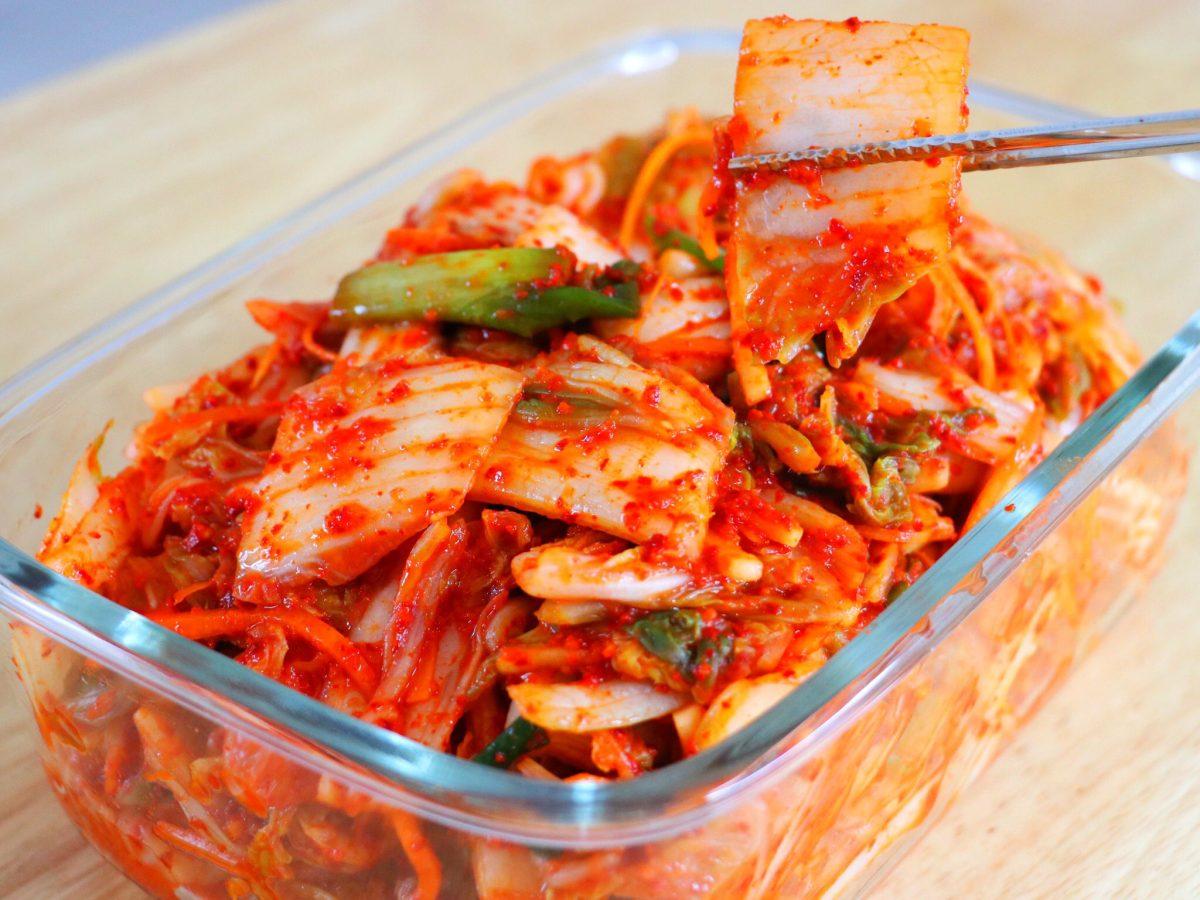
Kimchi is among the most important elements of Korean cuisine.
Kimchi comes in many different varieties depending on the ingredients used and the preparation method. Some popular types include: Baechu Kimchi (classic kimchi), Kkakdugi (kimchi made with cubed radish), Oi Sobagi (a mild and refreshing type made with cucumber), Mul Kimchi (a less spicy, fermented, watery kimchi) and Yeolmu Kimchi (a type made with young radishes and their green leaves).
Kimchi is a fermented food rich in beneficial probiotics. These probiotics support gut health, improve digestion, and strengthen the immune system. Additionally, kimchi contains important nutrients such as vitamin C, beta-carotene, and antioxidants. Some studies suggest that kimchi may aid in weight management and reduce inflammation.【1】
Making kimchi is a time-consuming process, yet the steps are relatively simple.【2】 The general steps are as follows:
1. Salting the vegetables and drawing out excess water.
2. Preparing the spice mixture (chili powder, garlic, ginger, fish sauce, etc.).
3. Coating the vegetables with the spice mixture.
4. Fermenting the mixture in a container (typically for several days to several weeks).
Kimchi is regarded as a fundamental element of Korean culture. Korea’s traditional kimchi-making ritual, known as kimjang, was inscribed on UNESCO’s Intangible Cultural Heritage List in 2013.【3】 Kimchi is not just a dish but also a social activity that brings communities together.
In recent years, kimchi has gained significant popularity on the global culinary scene. The rise of health trends and growing interest in Asian cuisine have contributed to its spread worldwide. Today, many restaurants and markets offer both traditional and modern varieties of kimchi.

History
Varieties
Health Benefits
Preparation
Cultural Significance
Global Popularity