

Kemaliye Village Mosque
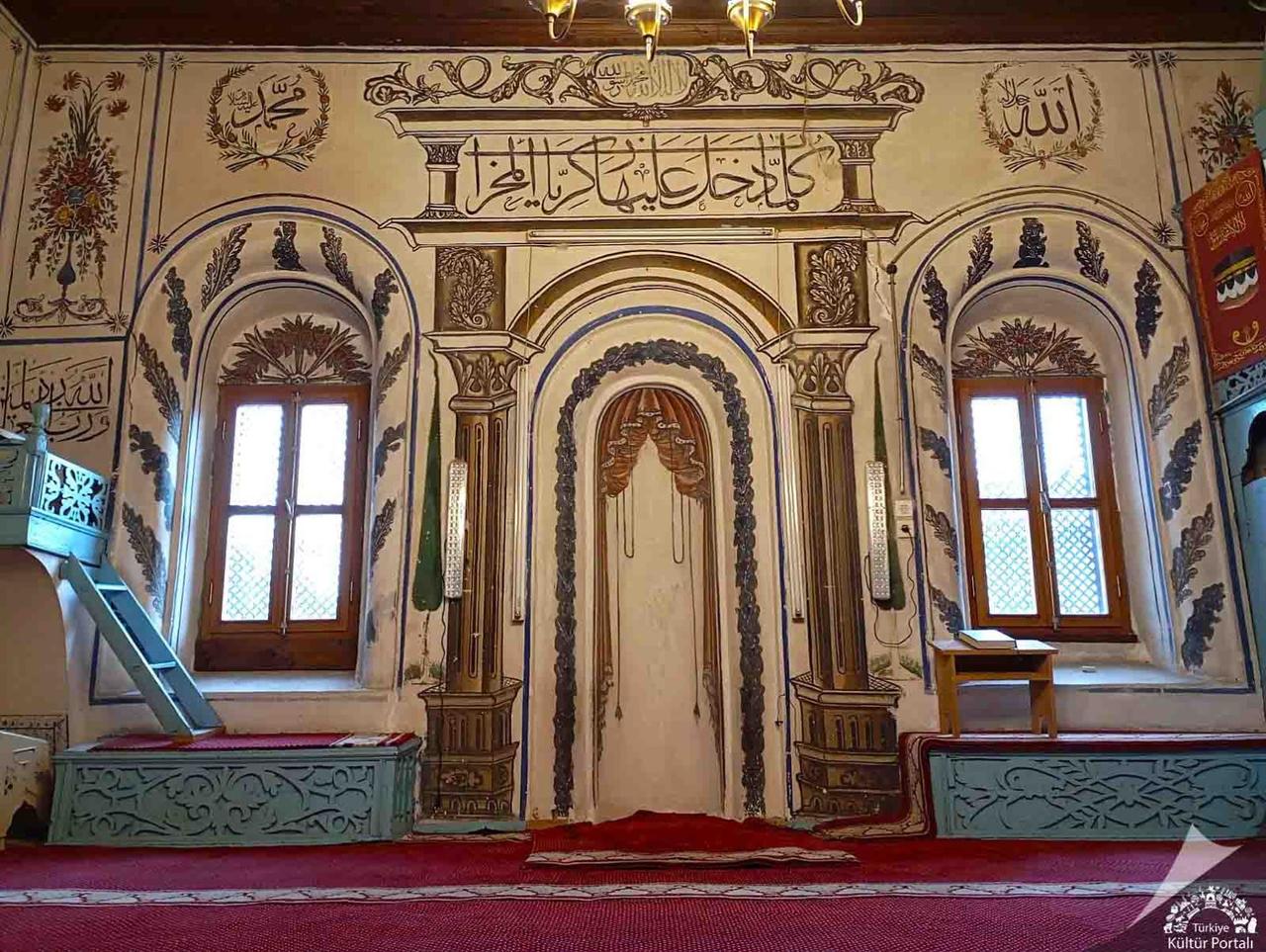
🕌 Kemaliye Village Mosque is located in Kemaliye Village, within the Keles district of Bursa. It was constructed in the late 1800s. Although the mosque appears simple from the outside it draws attention with its colorful interior decorations. It is one of the significant examples of Westernization-era architecture in Anatolia featuring woodwork and wall paintings.
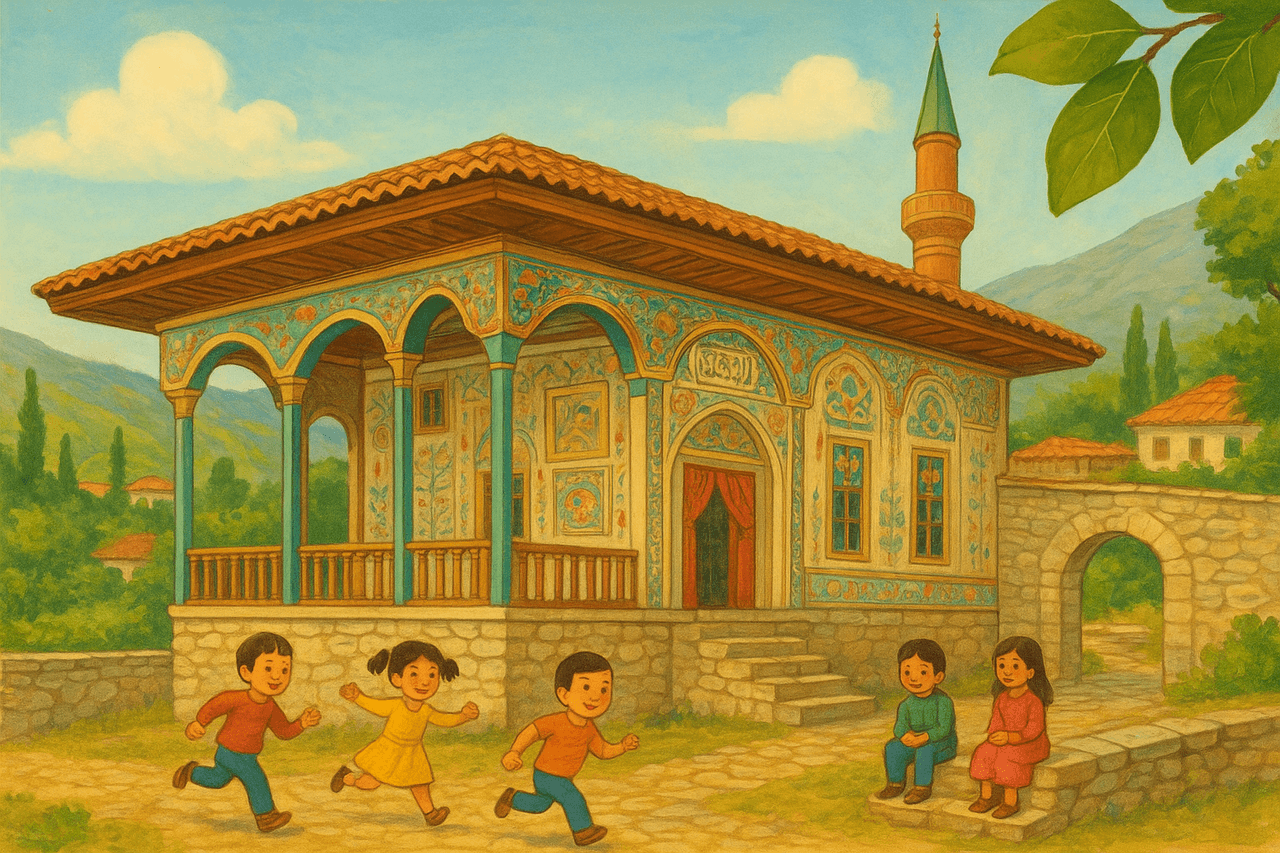
(Generated by Artificial Intelligence.)
📍Location and History
Kemaliye Village is approximately 10 kilometers from the center of Keles district. Formerly known as Kızılkise the village was a settlement area of the Yörük tribes during the Ottoman period.
Although the exact construction date is unknown according to the inscription on the entrance door the mosque was completed between 1874 and 1875. According to local accounts the decorative elements were crafted by Greek artisans.
In 2010 the mosque was restored by the Bursa Metropolitan Municipality.
🏛️ Architectural Features
-The mosque has a rectangular plan.
-Inside it features a flat wooden ceiling with a central ornamental dome decorated with floral and leaf motifs.
-The mihrab is adorned with a red curtain motif flanked by columns and plant designs.
-The wooden minbar and pulpit are crafted with fine carving work.
-The section designated for women is situated on wooden pillars.
-The mosque’s minaret is currently made of reinforced concrete but was originally constructed of wood.
🎨 Decorations
The most striking feature of Kemaliye Village Mosque is its wall paintings and inscriptions. On the eastern wall are depictions of city gates towers and plane trees. On the western wall are representations of Mecca and the Kaaba. On the northern wall are banners featuring crescents and stars alongside floral vases. In the final congregation area are images of tombs and banners.
In addition the walls bear inscriptions of Allah Muhammad the Four Caliphs and numerous Quranic verses. These inscriptions are typically framed with ornate floral motifs.
🎭 Significance in Art History
Kemaliye Village Mosque holds a unique place among Westernization-era mosques in Anatolia. Through its interior decorations it preserves:
-The religious sentiments of the local population
-Sufi symbols such as the plane tree the ear of grain and the banner
-And the aesthetic sensibilities of its time.
This mosque continues to be used by villagers today serving as a bridge between the past and the present.