

`woodworking` Related Article Results

Saw Machine
A saw is a mechanical processing machine equipped with a moving cutting mechanism, generally used for cutting materials such as wood, metal, or stone. In industry, the term “saw” is most commonly used synonymously with “circular saw” and is considered a fundamental tool especially in woodworking. Saw machines may have circular, band, or reciprocating blades and can operate manually, semi-automatically, or fully automatically. Historical Development The first saw machines emerged in the 18th cent
EN
Yusuf İslam Tuğla
 Ak
AkAksaray Ulu Camii (Karamanoğlu Mehmed Bey Camii)
Aksaray Ulu Camii was constructed in the 12th century as one of the examples of Anatolian Seljuk architecture. The founder of the mosque is Rükneddin Mesud, son of Seljuk Sultan II. Kılıçarslan. The construction of the building reflects the political and cultural atmosphere of the Seljuk period and has survived to the present day as an important structure in the development of religious architecture. Restoration During the Karamanid Period By the 15th century, the mosque had been repaired and ex
EN
Meltem Saraç
Akköy Yukarı Camii
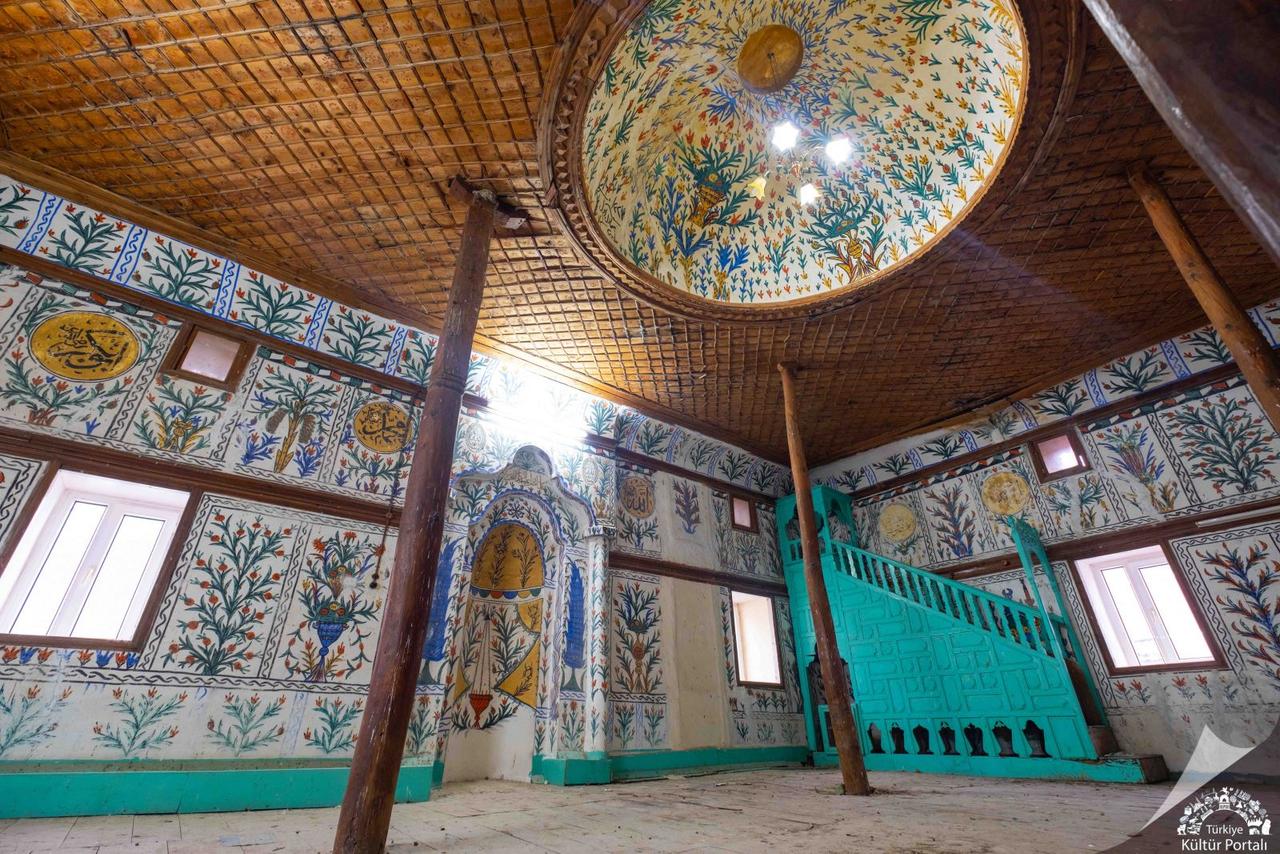
In the Akköy Neighborhood of the Pamukkale District in Denizli, there is a unique mosque. This mosque is known as Akköy Yukarı Camii or, among the local population, as Eski Cami. It attracts attention for its decorations and wooden craftsmanship. It was built approximately 200 years ago. When Was It Built? The exact date of construction is unknown. However, based on its architecture, it is believed to have been built at the end of the 18th century or the beginning of the 19th century. According
EN
Sevgi Kıraç
Church of the Virgin Mary
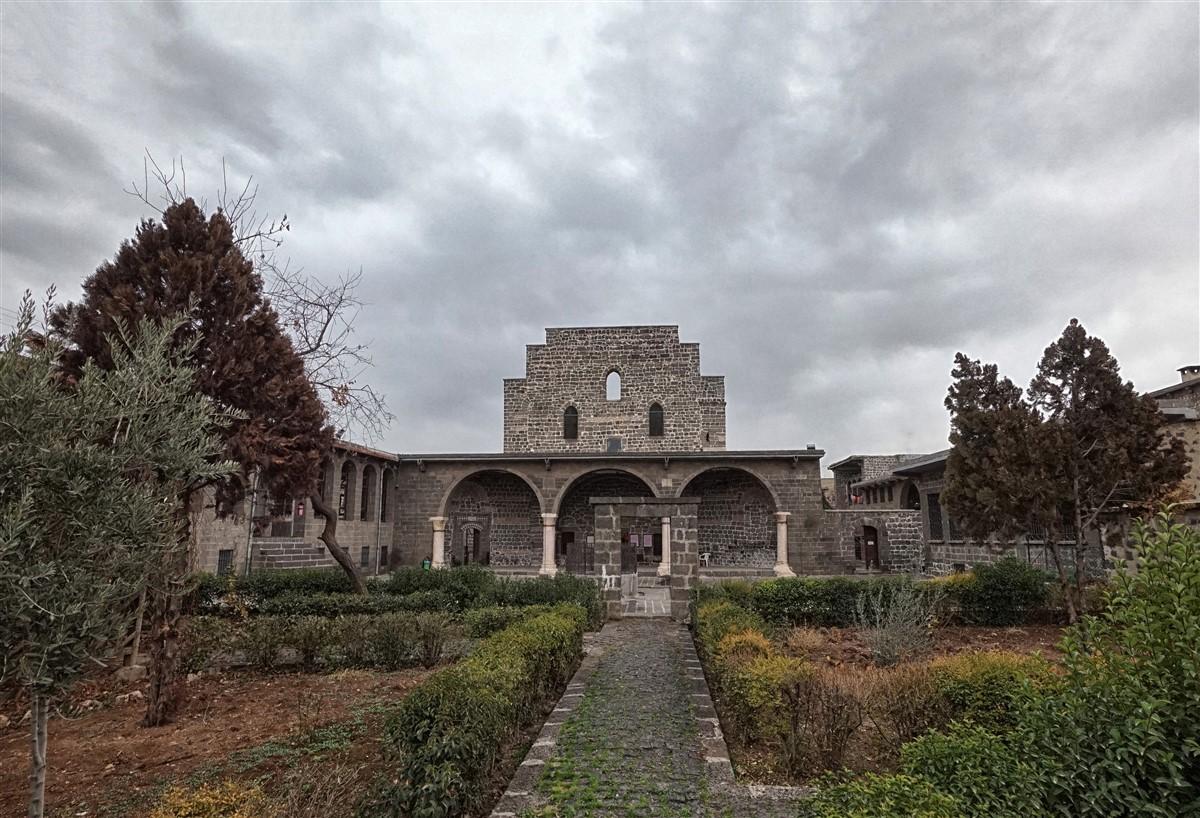
Mary Mother Church is a historically and architecturally significant structure located in the Lalebey neighborhood of the Suriçi region in Diyarbakır, still functioning as a church today. The property belongs to the Ancient Syriac Mary Mother Church Community Foundation. Although its exact construction date is unknown, various theories have been proposed. Inventory records prepared by the Diyarbakır Archaeology Museum Directorate date the structure to the 3rd century. Some researchers suggest th
EN
Mehmet Tahir Özbey
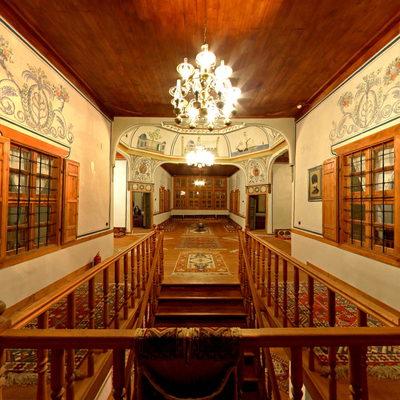
Karaman Hürrem Dayı House
Hürrem Dayı Evi is a historic residence located in the center of Karaman province, possessing a history of approximately 300 years and exhibiting characteristic features of Ottoman civil architecture. Historical Background The building is a historic residence that embodies the characteristic features of Ottoman civil architecture and is recognized in literature as one of the surviving examples of traditional Turkish house architecture in Anatolia. Dating to the late Ottoman period, the structure
EN
Gözde Cabadak
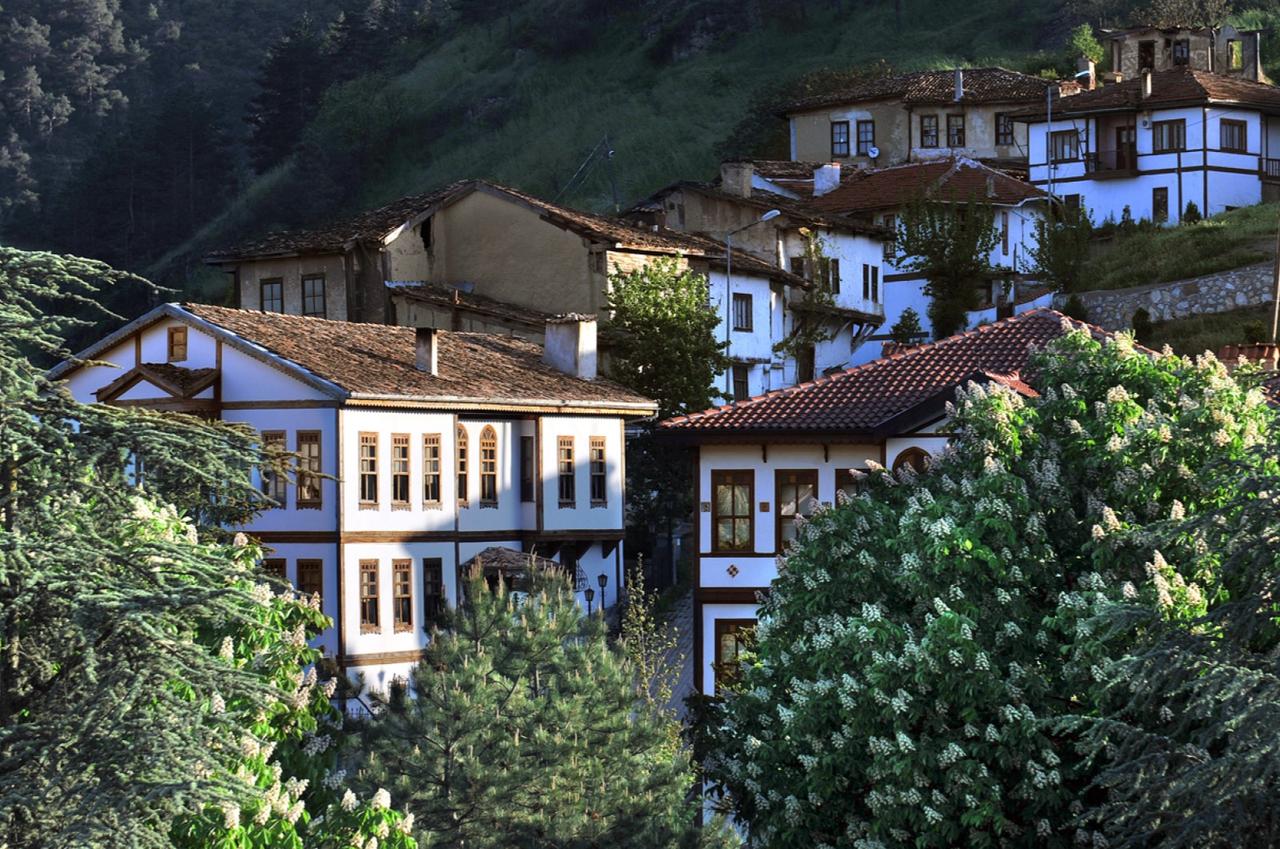
Taraklı (District)
Sakarya Province’s southern location, Taraklı is a settlement notable for its distinctive geographical features and history. The district is particularly known for its well-preserved wooden houses from the Ottoman period, which represent impressive examples of civil architecture. Its natural beauty and rich cultural heritage have made Taraklı an important destination for both history enthusiasts and nature lovers. For centuries bearing traces of various civilizations, Taraklı has retained a uniq
EN
Veysel Safa Kürkçü
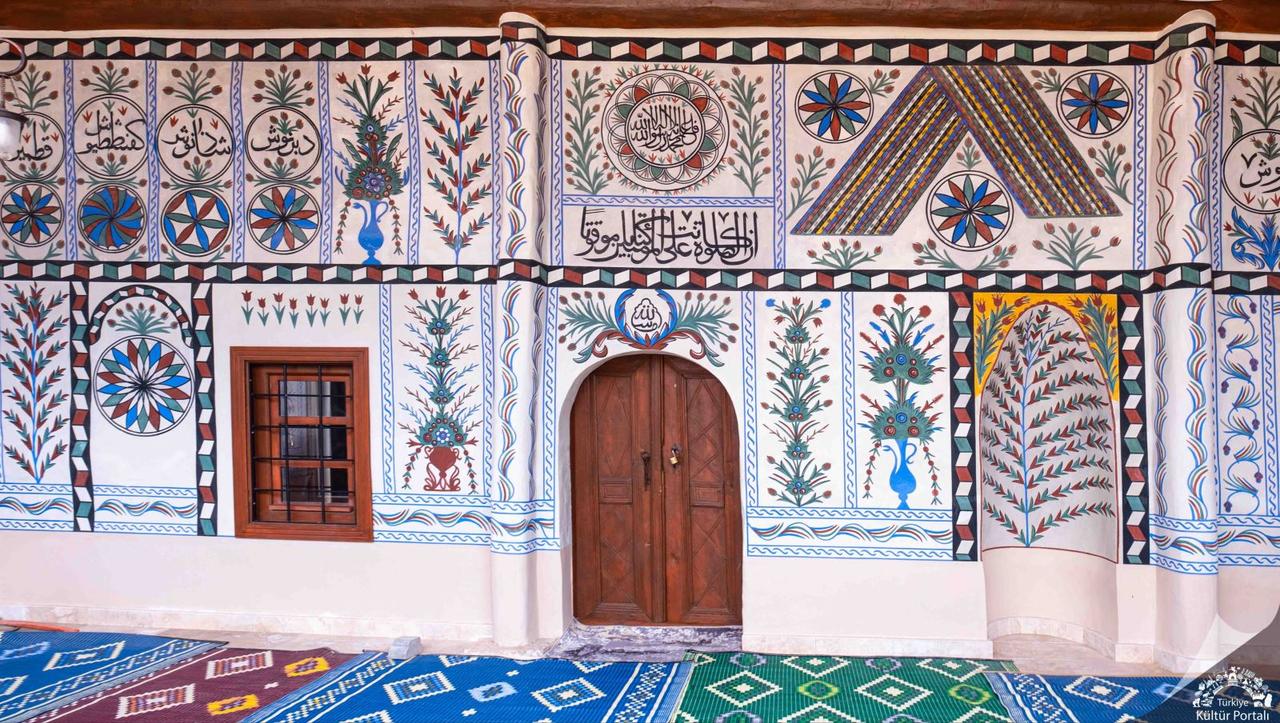
Belenardıç Camii
Exactly in the center of Belenardıç Village, located in the Pamukkale district of Denizli, there is a uniquely special mosque. This mosque is named Belenardıç Camii. It was built in 1884 by Halil Ağa. Its colorful wall decorations and wooden craftsmanship place it at the heart of the village’s religious and cultural life. The inscription above the mosque’s entrance bears the year 1884, confirming that the structure was built by Halil Ağa approximately 140 years ago. 🏛️ Architectural Features Be
ENSevgi Kıraç
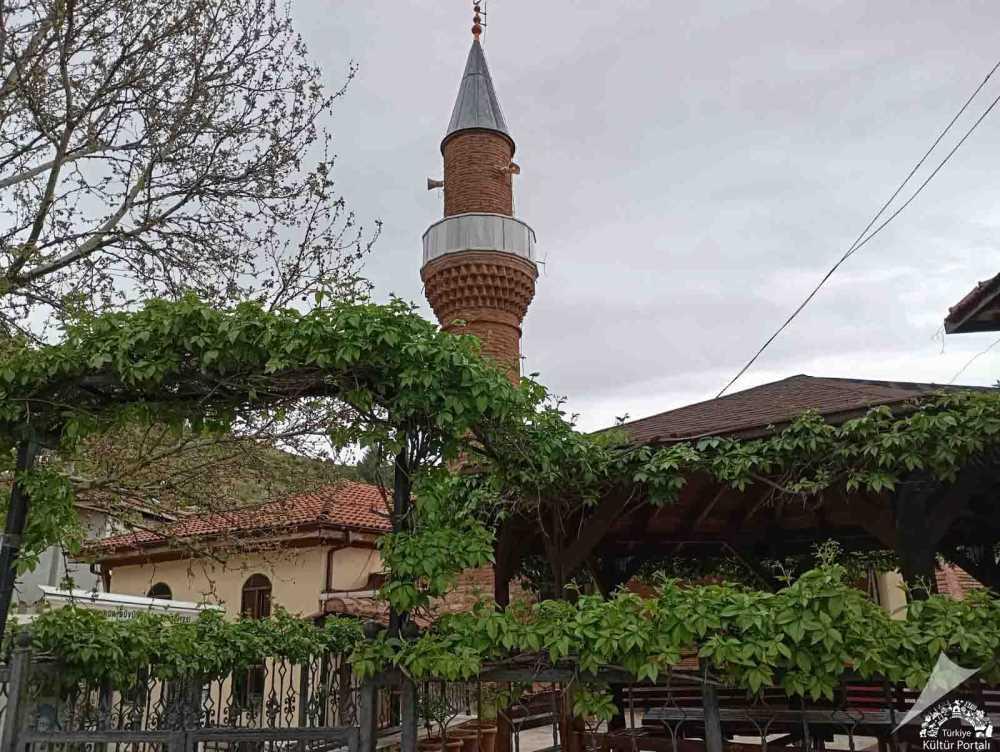
Kemaliye Village Mosque
🕌 Kemaliye Village Mosque is located in Kemaliye Village, within the Keles district of Bursa. It was constructed in the late 1800s. Although the mosque appears simple from the outside it draws attention with its colorful interior decorations. It is one of the significant examples of Westernization-era architecture in Anatolia featuring woodwork and wall paintings. 📍Location and History Kemaliye Village is approximately 10 kilometers from the center of Keles district. Formerly known as Kızılkis
ENSevgi Kıraç
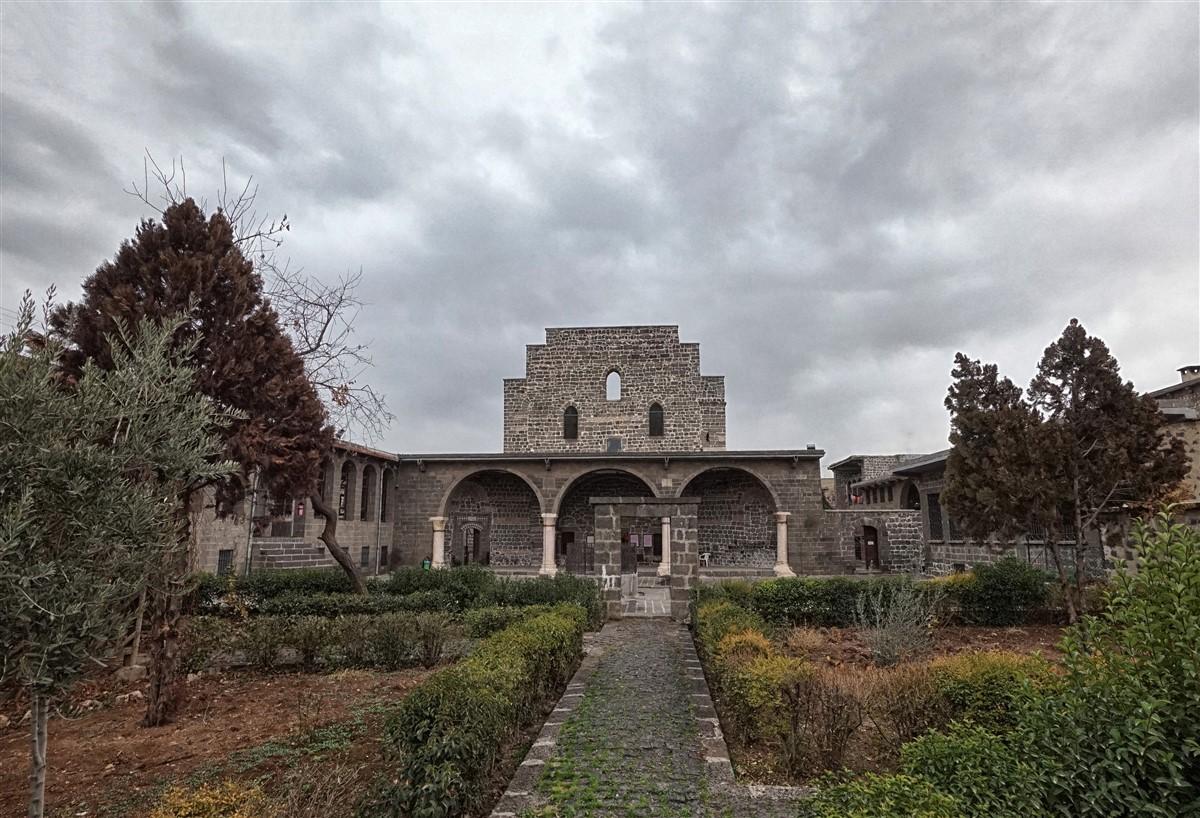
Church of the Virgin Mary
Mary Main Church, located in the Lalebey neighborhood of the Suriçi district in Diyarbakır, on place land, is a historically and architecturally significant structure that continues to serve its original function to this day. Ownership belongs to the Syriac Mar Maryam Church Community Foundation. Although the exact construction date is unknown, various theories have been proposed. Archaeological inventory sheets prepared by the Diyarbakır Archaeology Museum Directorate date it to the 3rd century
EN
Mehmet Tahir Özbey
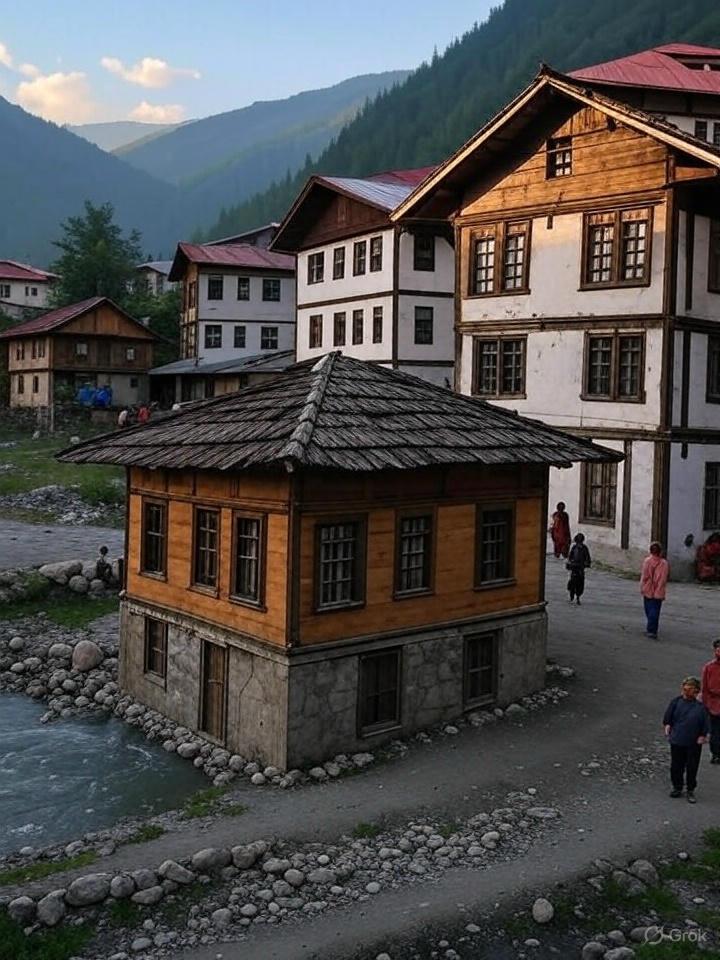
Şavşat Houses
The traditional rural houses in Şavşat district of Artvin are original architectural examples shaped by the region’s harsh climatic conditions, social structure, and cultural values. These houses are typically constructed using timber-frame techniques and serve the patriarchal family structure in which multiple generations share the same living space. Architectural Plan and Spatial Organization Şavşat houses generally consist of three to four rooms. A defining feature of the floor plan is the ce
ENKardelen Durukan