


This article was automatically translated from the original Turkish version.
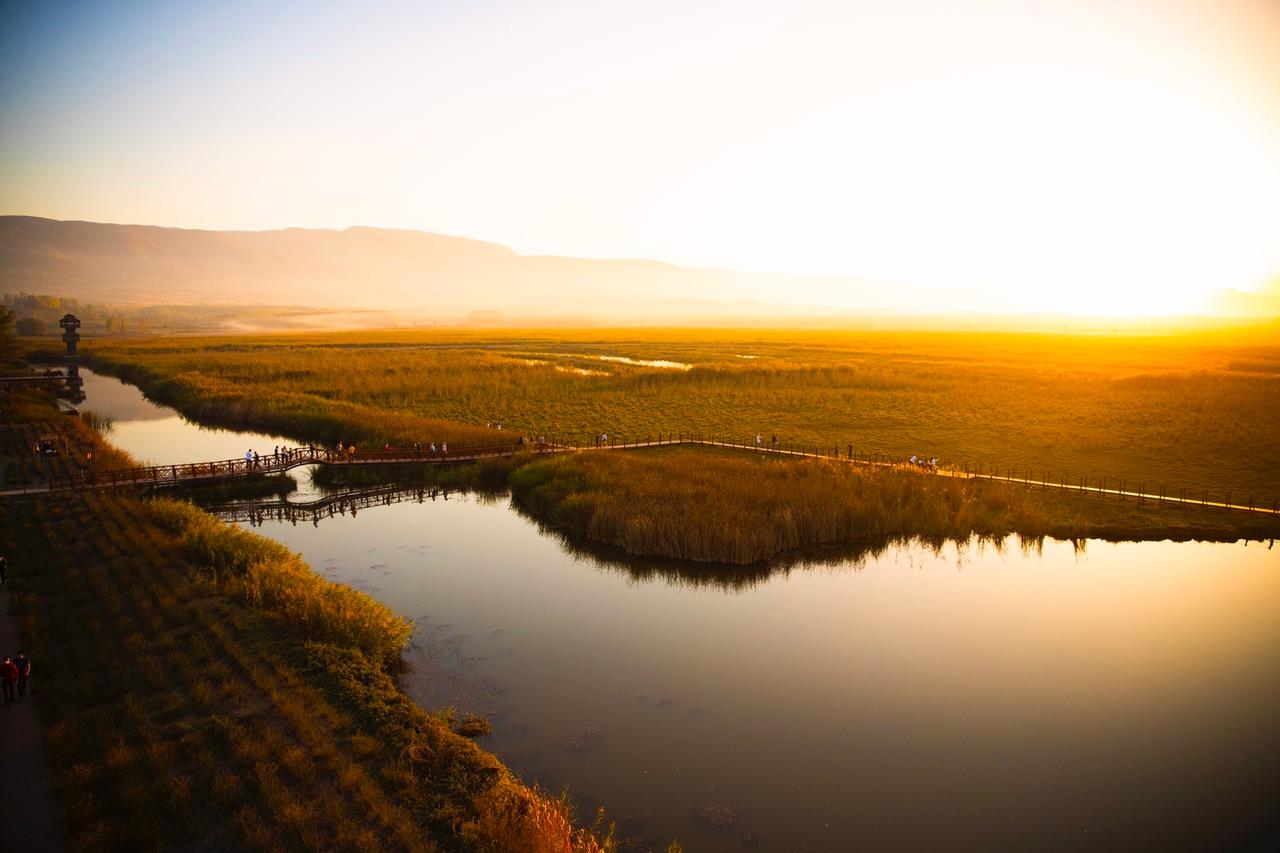
Kaz Lake
Location | Tokat/Turhal - Pazar | ||||||||
|---|---|---|---|---|---|---|---|---|---|
Reservoir Type | Freshwater Lake/Wetland | ||||||||
Surface Area | 1000 hectares (10,000,000 m²) | ||||||||
Elevation | 620 metres | ||||||||
Biodiversity | More than 110 bird species (duck, heron, goose, flamingo, etc.) | ||||||||
Kaz Gölü, Tokat province’s Turhal and Pazar districts, located at a site yer. This wetland is approximately 25 kilometers from the city center of Tokat and, with an elevation of 620 meters and a surface area of about 1,000 hectares, is one of the largest wetlands in the region. In an area dominated by a continental climate, the lake’s surroundings have become a major attraction for nature enthusiasts throughout the year.
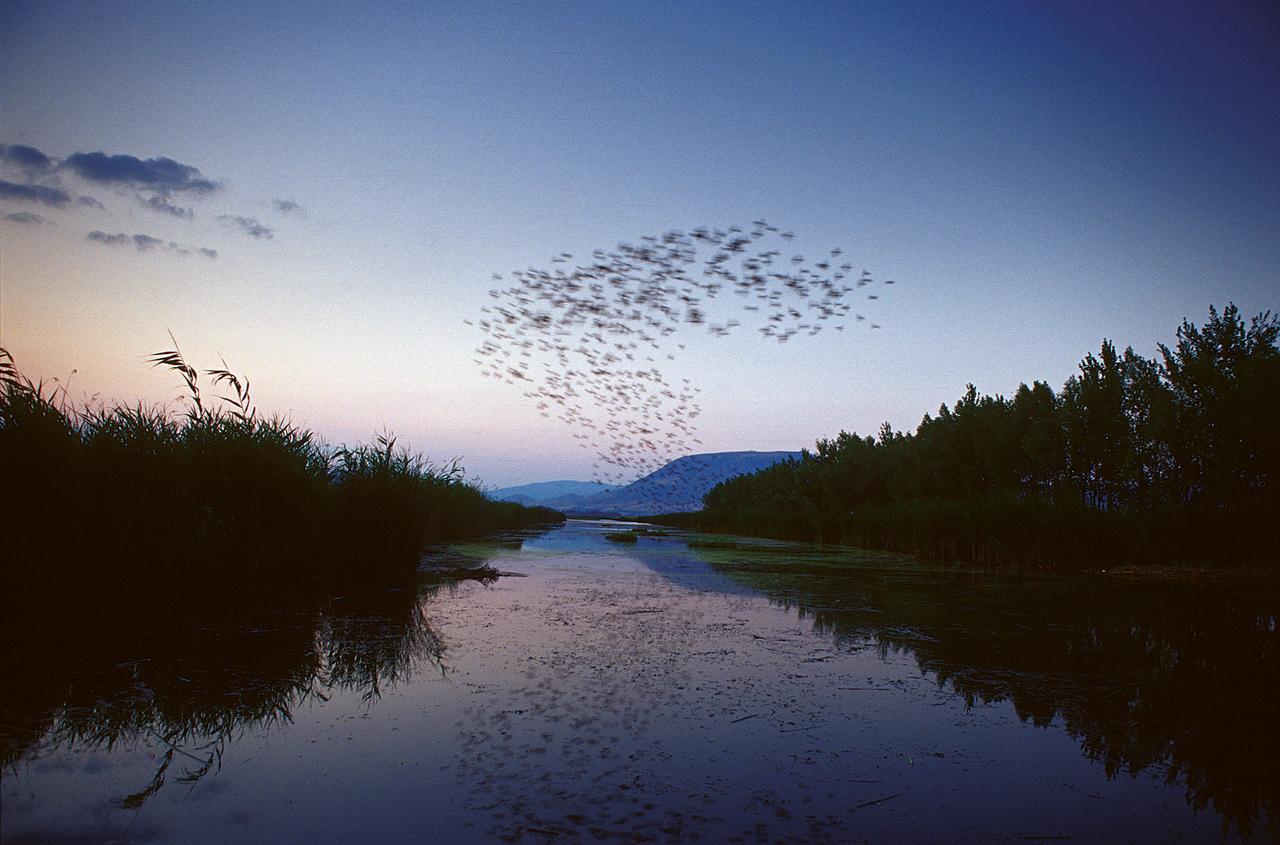
Kaz Gölü (Tokat Governorship)
Kaz Gölü lies along one of Türkiye’s most important bird migration routes. This feature makes the lake a critical stopover and feeding ground for migratory birds.
Research conducted in the area has identified more than 110 bird species to date. The principal bird species observed around the lake include:
Some of these species are threatened with extinction, making Kaz Gölü of great importance for their conservation.
Kaz Gölü is surrounded by water surfaces, reed beds, marshes, and moist grasslands. These habitats provide living space not only for birds but also for fish, reptiles, amphibians, and various aquatic plants. The lake is densely populated with aquatic vegetation such as reeds, saz, and water lilies. This vegetation contributes to the ecological balance of the lake and also functions as a natural water reservoir for agricultural lands in the region.
Kaz Gölü was designated as a “Wildlife Conservation Area” in 1991. As a result, the natural life within and around the lake has been granted legal protection, and activities such as hunting and construction have been restricted. Evaluated under numerous national and international regulations concerning wetland conservation, Kaz Gölü meets the criteria of the Ramsar Convention and possesses a recognized ecosystem structure.
Kaz Gölü is a suitable destination for nature photographers, birdwatchers, biology students, and individuals seeking to spend time immersed in nature.
Special observation towers built for birdwatching allow wildlife to be observed without disturbance. Additionally, walking trails established around the lake offer visitors the opportunity to experience nature directly. These visits, conducted without harming the environment, are among the finest examples of ecotourism.
Kaz Gölü is not only a natural asset but also a cultural symbol for the local population. People living around the lake regard it both as a source of livelihood (fishing, agricultural irrigation, etc.) and as a spiritual heritage.
The lake is approximately 30 minutes from the city center of Tokat by road. Access by private vehicle is possible. Due to its protected status, activities such as swimming, boat tours, camping, and ateş burning are prohibited. Visitors may observe wildlife only along designated paths and observation towers.
Kaz Gölü, with its natural beauty, biodiversity, and conservation status, is one of Türkiye’s most valuable wetlands. It holds significant potential for both scientific research and sustainable tourism.
T.C. Tokat Valiliği. "Kaz Gölü." Accessed April 13, 2025.https://www.tokat.gov.tr/kaz-golu
Türkiye Turizm Ansiklopedisi. "Kaz Gölü (Tokat)." Accessed April 13, 2025.https://turkiyeturizmansiklopedisi.com/kaz-golu
eBird. "Kaz Gölü Hotspot - L7974079." Accessed April 13, 2025.https://ebird.org/hotspot/L7974079?yr=cur
Kaz Lake
Location | Tokat/Turhal - Pazar | ||||||||
|---|---|---|---|---|---|---|---|---|---|
Reservoir Type | Freshwater Lake/Wetland | ||||||||
Surface Area | 1000 hectares (10,000,000 m²) | ||||||||
Elevation | 620 metres | ||||||||
Biodiversity | More than 110 bird species (duck, heron, goose, flamingo, etc.) | ||||||||
Biodiversity and Bird Species
Ecosystem and Natural Structure
Conservation Status and Legal Framework
Ecotourism
Access