


This article was automatically translated from the original Turkish version.
Kayseri mantısı is a traditional dish specific to the city of Kayseri in Türkiye’s Central Anatolia Region, made from dough and a minced meat filling. Among the various types of mantı in Anatolian cuisine, it stands out for its small size and high ratio of filling to dough. It is typically boiled in water and served topped with yogurt, garlic, and a sauce of tomato or pepper paste mixed with melted butter.
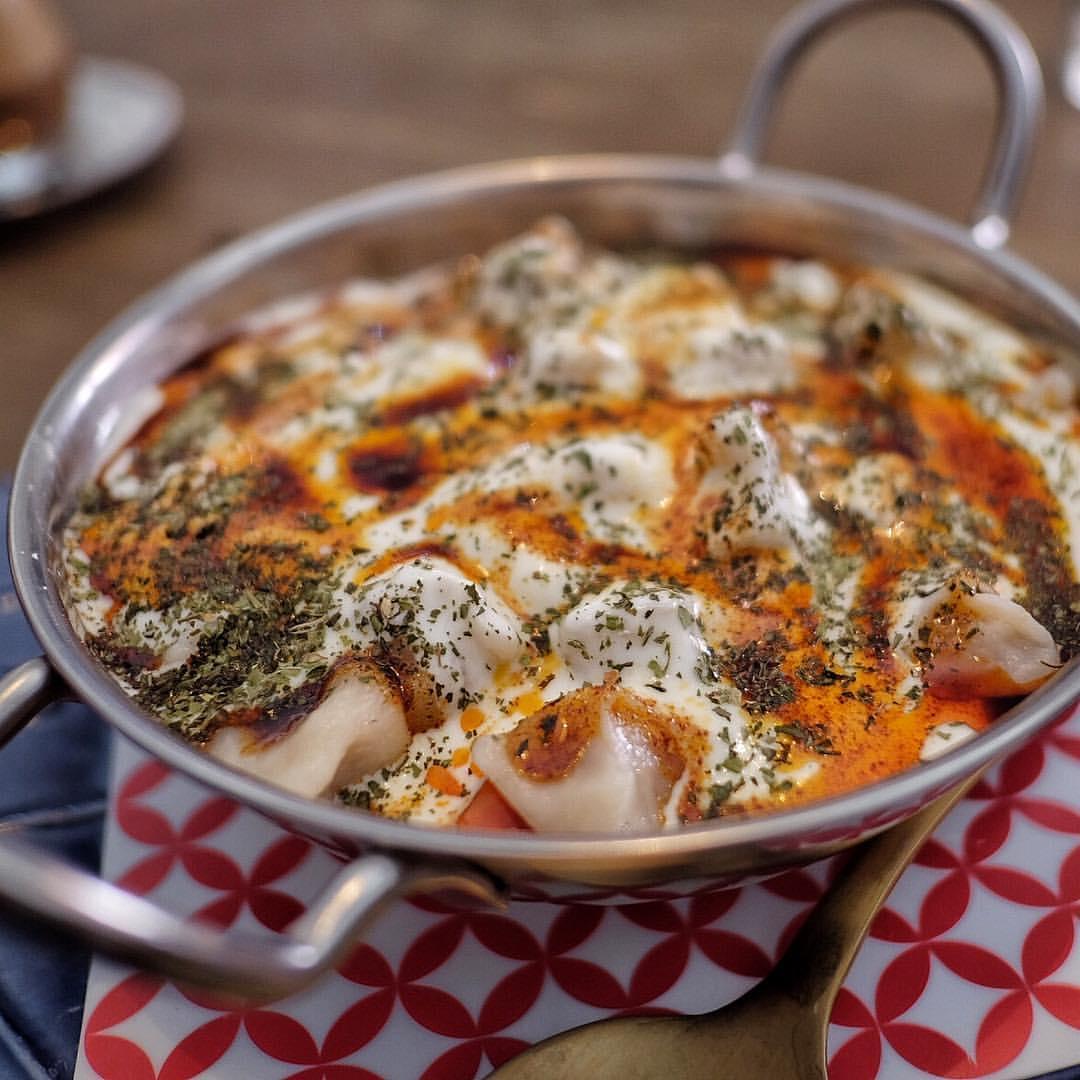
Kayseri mantısı. (Türk Patent ve Marka Kurumu)
The origins of Kayseri mantısı trace back to Central Asia. The culture of mantı, brought to Anatolia by Turkic tribes during their migration from Central Asia, evolved over time into regional variations. Kayseri mantısı emerged as a distinct form through this process and has retained its current shape since. Some 13th-century Seljuk-era sources mention different varieties of mantı. Similar dishes were also prepared in the Ottoman palace kitchen. Kayseri mantısı holds a deep-rooted place in the regional culinary tradition.
Kayseri mantısı is made from a dough of flour, water, salt, and sometimes egg. The dough is rolled out and cut into small squares. The most distinctive feature of Kayseri mantısı is its small size. A small amount of minced meat filling is placed in the center of each square. The filling typically consists of beef mince, finely chopped onion, salt, black pepper, and optionally red pepper. The filled dumplings are sealed into small packets and boiled in boiling water. Once cooked, they are placed on plates and served topped with garlic-infused yogurt and tomato or pepper paste sautéed in butter.
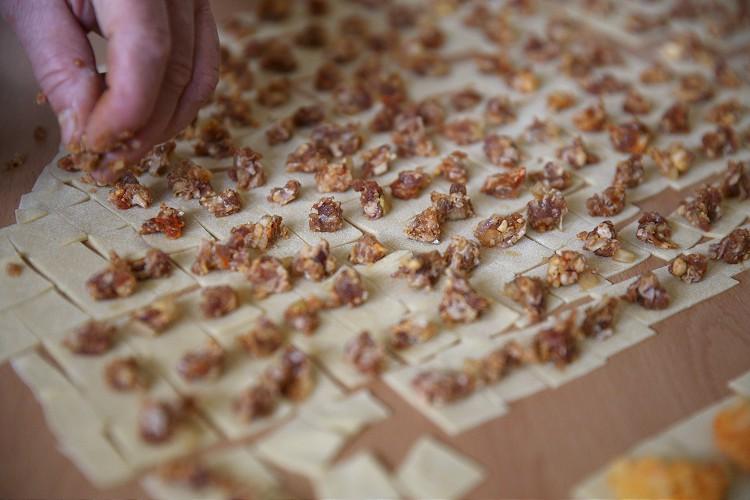
Kayseri mantısı hazırlanışı. (Anadolu Ajansı)
Kayseri mantısı is one of the most renowned dishes of Kayseri cuisine and an important part of the local food culture. It is frequently served during family celebrations and when hosting guests. Traditionally, it is considered ideal if a single spoon can hold forty pieces, a standard that symbolizes both the skill of preparation and the care invested in the dish. In Kayseri, mantı is also produced commercially and distributed in frozen form to many regions across Türkiye.
In addition to the classic yogurt and paste topping, Kayseri mantısı is consumed in various forms. Variations include baked mantı and mantı cooked in meat broth as a soup, known as boz mantı. Some restaurants have also incorporated modern interpretations and presentation styles into their menus.
Kayseri mantısı is a product registered with the Turkish Patent and Trademark Office as a geographical indication. Registered in 2009, this designation aims to preserve the traditional production methods and unique characteristics associated with Kayseri. The registration is significant both for documenting cultural heritage and for commercial protection.
Kayseri mantısı holds importance not only as a dish but also as a social activity. Particularly among women, “mantı days” are organized as occasions for both food preparation and social bonding. Additionally, for Kayseri residents living outside the city, it serves as a symbol of nostalgia for their homeland.
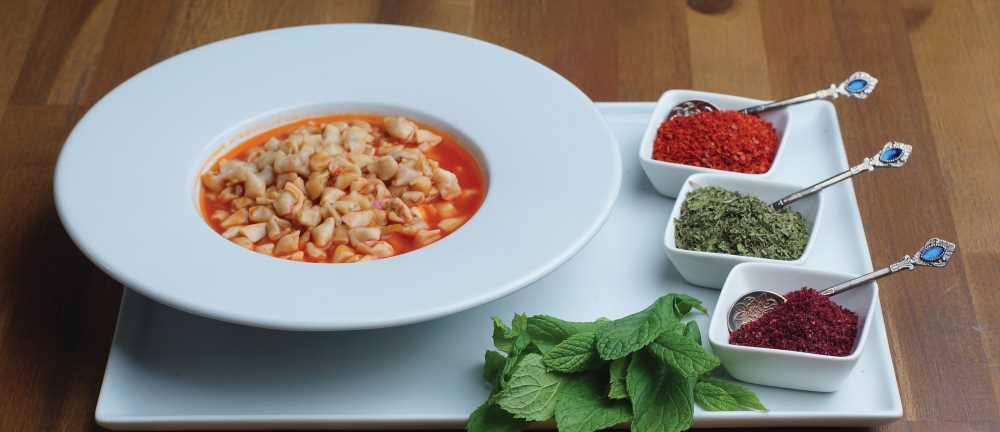
Kayseri mantısı sunumu. (Kültür Portalı)
Anadolu Ajansı. "Kayseri Mantısı İftar Sofralarını Süslüyor." Accessed May 14, 2025.https://www.aa.com.tr/tr/kultur-sanat/kayseri-mantisi-iftar-sofralarini-susluyor-/1819663.
Kayseri Valiliği. “Kayseri Mantısı.” kayseri.gov.tr. Accessed May 14, 2025.
Ministry of Culture and Tourism. "Kayseri Mantısı." *Kültür Portalı*. Accessed May 14, 2025.https://www.kulturportali.gov.tr/portal/kayserimantisi
Turk Patent and Trademark Office. "Kayseri Mantısı." *Coğrafi İşaretler Bülteni*. Accessed May 14, 2025.

History and Origin
Preparation and Ingredients
Regional Characteristics and Cultural Value
Consumption Methods and Variations
Registration and Geographical Indication
Socio-Cultural Significance