


This article was automatically translated from the original Turkish version.
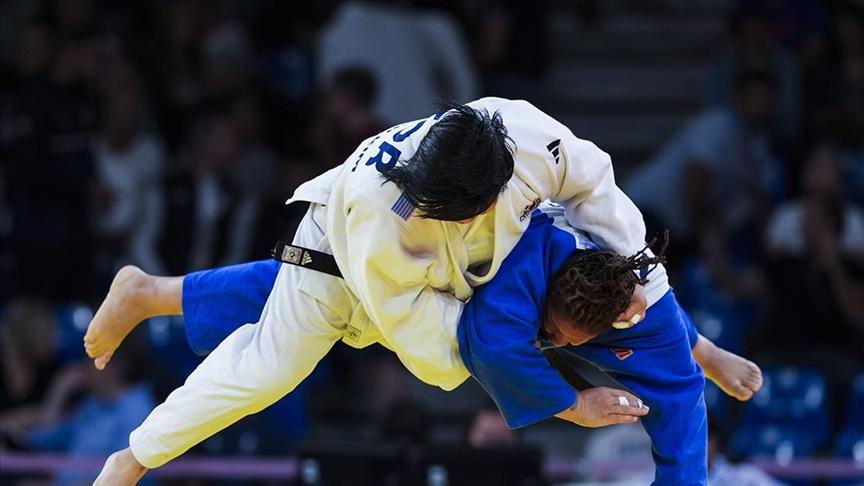
Judo
Beginning | Japan | ||||||||
|---|---|---|---|---|---|---|---|---|---|
Developer | Kanō Jigorō | ||||||||
Judo is a martial art and combat sport developed in 1882 by Jigoro Kano, a master of trained martial arts from Japan. Judo is based not on physical strength but on intelligence, speed, balance, strategy and technique. At its core, it involves using the opponent’s movements to one’s own advantage and unbalancing them to bring them to the ground. The aim of judo is to neutralize the opponent by leveraging their own strength. Judo means “gentle way” and is not merely a physical sport but also a discipline that promotes mental and ethical development.

Jigorō Kanō, Image: DOJO SAINT GERMANAIS
Judo was included in the 1964 Tokyo Olympics and became an Olympic sport. Since then it has spread globally and today there are professional judo organizations in many countries. Judo aims not only to provide physical development to athletes but also to instill ethical values such as self-discipline, respect, discipline and mutual trust.

The fundamental techniques of judo consist of various combat methods performed standing and on the ground. These techniques aim to unbalance, throw or neutralize the opponent. The main judo techniques are as follows:


Young Women’s Judo National Team, Image: Anadolu Agency
Judo classifies athletes hierarchically according to their experience, technical knowledge and experience levels. This ranking is indicated by the color of the belt worn by the athlete.
Judo belts are divided into two main categories: student and master levels. Beginners wear a white belt. Athletes advance their belt rank through examinations held every six months. Belt colors in ascending order are white, yellow, orange, green, blue and brown, representing the Kyu ranks. The Dan ranks, indicating mastery, range from 1 to 10. Judokas at the 6th, 7th and 8th Dan levels may optionally wear a red-and-white belt. Judokas at the 9th and 10th Dan levels are entitled to wear a solid red belt.

Judo Belts, Image: https://www.nocojiujitsu.com/judo-belts-guide-meaning/
Judo is not merely a combat sport but also an educational tool. Athletes learn values such as discipline, respect, self-control and mutual trust through judo. In judo’s philosophy, the term “do” means “way” and contributes to the personal development of practitioners. As a sport that promotes both physical and mental growth, judo is practiced by millions of people worldwide.
Judo was introduced to Türkiye in the early 1950s and its first official activities began in 1962 under the auspices of the Wrestling Federation. In 1966, the Judo Federation began operating as an independent federation. Following a regulation change in 1993, it started electing its president. The first Turkish Championship was held in 1967, and since then judo has spread throughout the country.
Between 1969 and 1979, the Judo Federation operated jointly with the Taekwondo Federation and between 1980 and 1990 with the Karate Federation. Since 1990, the federation has focused exclusively on judo. After the separation of the Kurash discipline in 2011, it has served solely as the Turkish Judo Federation.
Judo began spreading beyond Japan in the early 20th century and was included in the Olympic program at the 1964 Tokyo Olympics. Since then it has gained global popularity and is now widely practiced in many countries. Judo has become popular not only as a combat sport but also as an educational tool.
Today, judo is regarded as one of the most prestigious combat sports in the Olympics, and professional judo organizations exist in many countries. Judo not only enhances athletes’ physical development but also contributes to the formation of their character.
"Judo Sporu." *Judo Okulu*, March 5, 2025. Accessed March 5, 2025.https://www.judookulu.com/judo-sporu.
"Judo Teknikleri Nelerden Oluşur?" Koray Spor Blogu, March 5, 2025. Accessed March 5, 2025.https://blog.korayspor.com/judo-teknikleri-nelerden-olusur/
"Judo'nun Tarihçesi." TEİAŞ Spor Kulübü, March 5, 2025. Accessed March 5, 2025.https://teiasspor.org/judonun-tarihcesi/
"Judo'nun Tarihçesi." Türkiye Judo Federasyonu, March 5, 2025. Accessed March 5, 2025.https://judo.org.tr/tarihcesi
Ministry of National Education. *Judo.Spor Lisesi Kitapları*. Accessed March 5, 2025.https://ogmmateryal.eba.gov.tr/kitap/spor-lisesi/judo/judo.pdf

Judo
Beginning | Japan | ||||||||
|---|---|---|---|---|---|---|---|---|---|
Developer | Kanō Jigorō | ||||||||
Fundamental Techniques of Judo
Judo Belt Ranking System
Educational and Ethical Values of Judo
The Development of Judo in Türkiye
International Spread and Current Status of Judo