


This article was automatically translated from the original Turkish version.
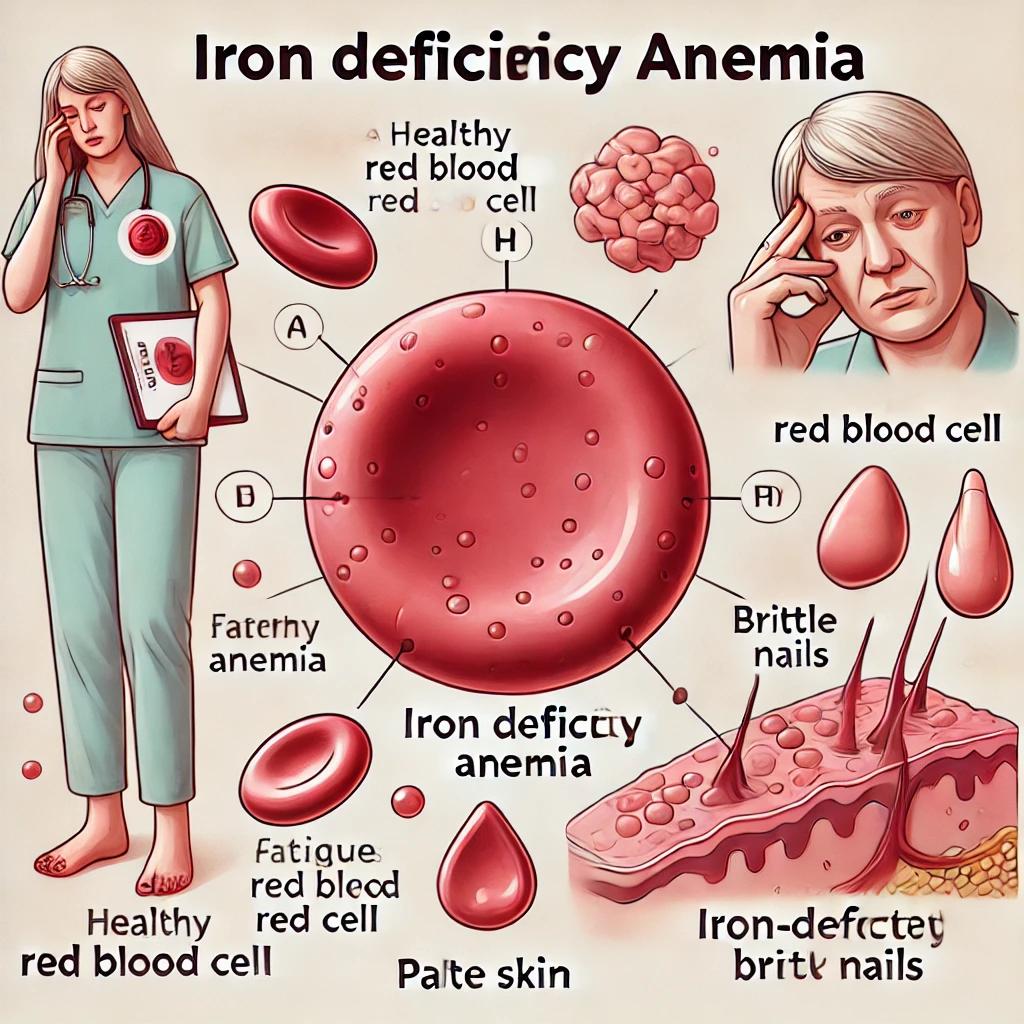
Iron Deficiency Anemia
Description | It is a very common and easily treatable type of anemia caused by insufficient iron in the body. It occurs more frequently in children and infants. It arises when the body cannot produce red blood cells due to iron deficiency. Hemoglobin levels decrease and oxygen-carrying capacity is reduced. | ||||||||
|---|---|---|---|---|---|---|---|---|---|
This is a common and easily treatable type of anemia caused by insufficient iron in the body (inadequate blood production). It is more frequently observed in women and infants. It occurs when the body cannot produce enough red blood cells due to iron deficiency. Hemoglobin levels decrease and oxygen carrying capacity is reduced.
• Poor nutrition
• Pregnancy
• Blood loss
• Peptic ulcer
• Hemorrhoids
• Impaired iron absorption
• Celiac disease
• Crohn’s disease
• Long-term use of aspirin and NSAIDs long
• Dizziness
• Loss of appetite
• Fatigue
• Breath shortness
• Chest pain
• Cold skin and pallor
• Brittle or thinning nails
• Hair hair loss
• Medical story
• Peripheral smear (erythrocyte morphology and size are examined)
• Blood tests (hemoglobin and hematocrit levels are assessed)
• Physical examination
• Ferritin, serum iron and total iron binding capacity are measured
• Endoscopy, colonoscopy and pelvic ultrasound are used
The goal of treatment is to identify and correct the underlying cause and restore iron levels to normal.
• Dietary modifications are made: Consumption of iron-rich foods such as red meat, fish, turkey, spinach, green leafy vegetables and legumes is encouraged.
• Iron supplementation is administered orally (by mouth) or parenterally (via vein or muscle).
• Vitamin C supplementation is provided: Vitamin C enhances iron absorption; therefore, vitamin C-rich sources such as citrus juice, grapefruit, kiwi, green peppers and vegetables are consumed.
• Blood transfusion is performed: This treatment is typically reserved for patients with long-term iron requirements who cannot tolerate oral iron supplements or require urgent intervention.
• Bleeding is controlled: Heavy menstrual bleeding, gastrointestinal bleeding and trauma postoperative bleeding are managed. Iron supplementation is then initiated.
Accessed November 26, 2025.

Iron Deficiency Anemia
Description | It is a very common and easily treatable type of anemia caused by insufficient iron in the body. It occurs more frequently in children and infants. It arises when the body cannot produce red blood cells due to iron deficiency. Hemoglobin levels decrease and oxygen-carrying capacity is reduced. | ||||||||
|---|---|---|---|---|---|---|---|---|---|
No Discussion Added Yet
Start discussion for "Iron Deficiency Anemia" article
Causes of Iron Deficiency
Symptoms and Signs
Diagnostic Methods
Treatment Methods