

 Recently Added:
This article was automatically translated from the original Turkish version.
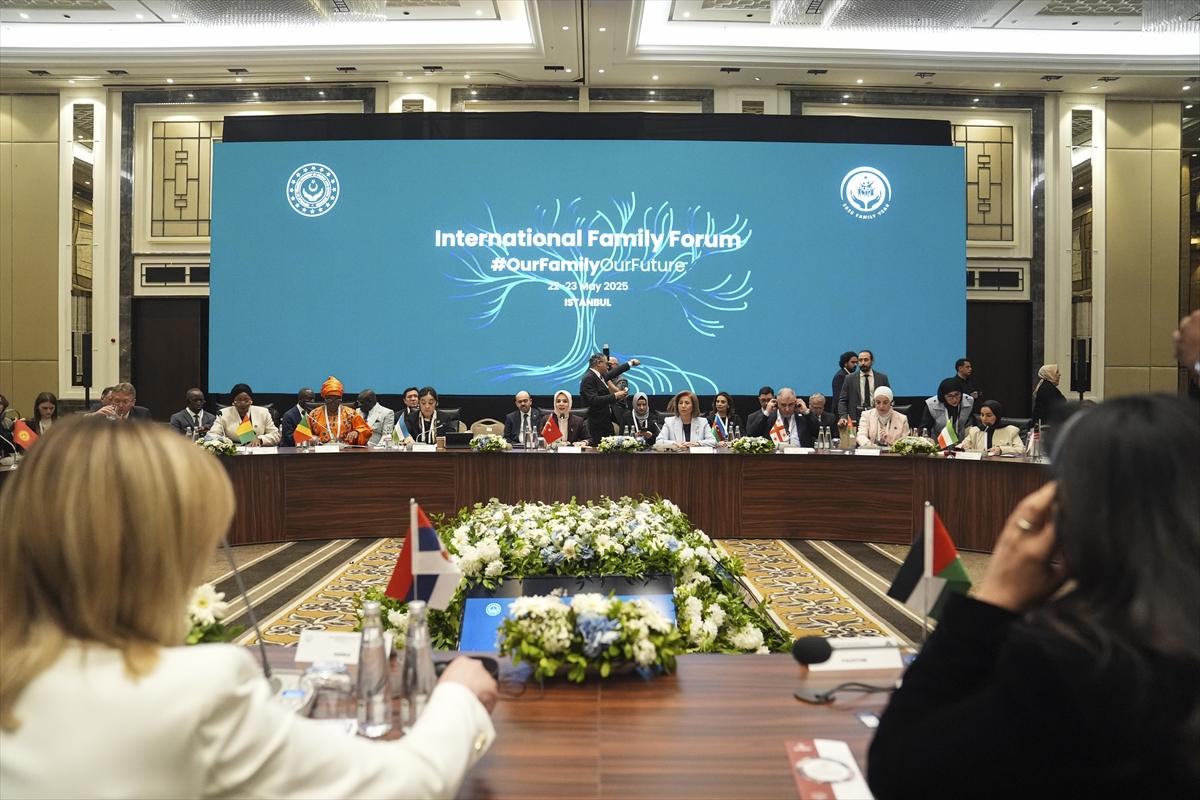
International Family Forum is an international policy and cooperation platform hosted by the Republic of Türkiye Ministry of Family and Social Services, held on 22–23 May 2025 at the Hilton Bomonti Hotel in Istanbul. The event was organized within the framework of President Recep Tayyip Erdoğan’s declaration of 2025 as the “Year of the Family.” The forum’s central theme has been set as “Protecting and Strengthening the Family in a Globalizing World.”
International Family Forum, 22 May 2025 (AA)
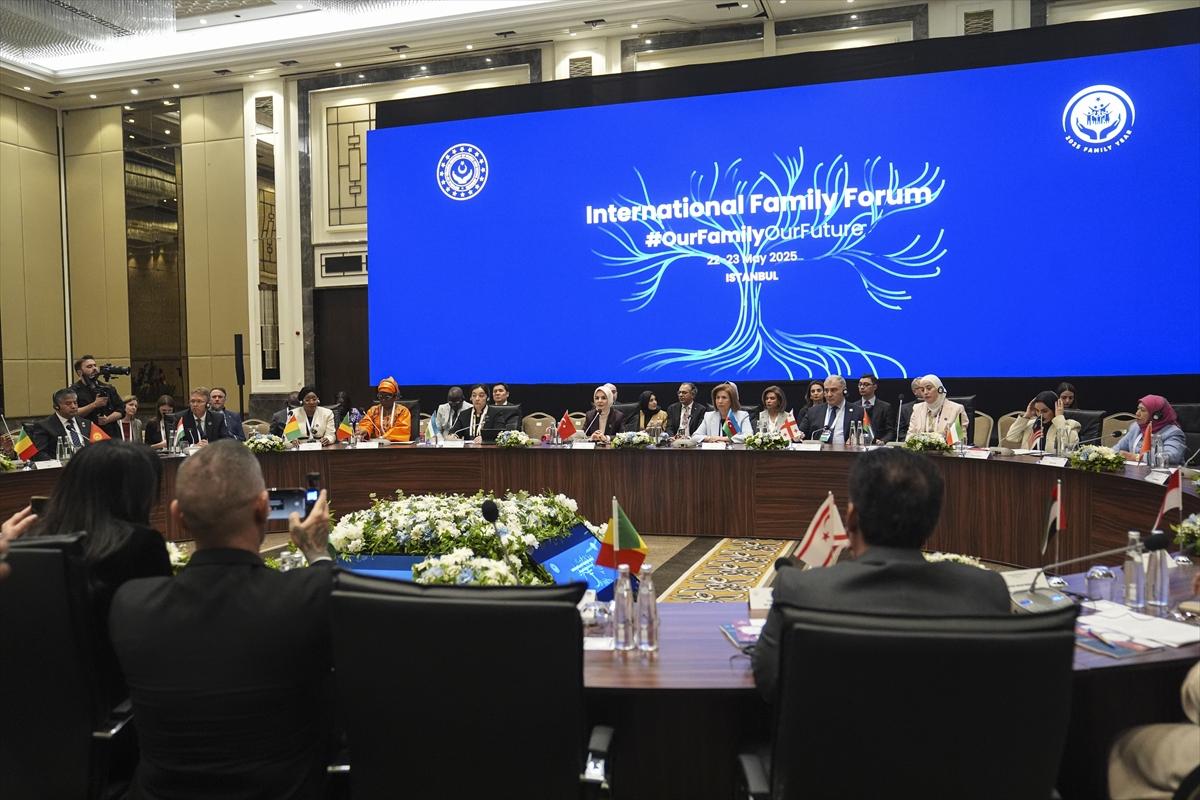
The International Family Forum was organized to address global developments threatening the family institution within a shared agenda. The event, inaugurated by Minister of Family and Social Services Mahinur Özdemir Göktaş, brought together ministers responsible for family affairs, diplomatic representatives, international organizations, academics, civil society organizations and media representatives from 27 countries. Additional participants in the opening program included Ecumenical Patriarch Bartholomew of the Fener Greek Orthodox Church and Serdar Karagöz, Chairman of the Board of the Anadolu Agency. President Recep Tayyip Erdoğan delivered a speech at the closing session of the forum.
The forum’s main agenda items include the impact of digitalization on family structures, cultural transformations, demographic trends, gender-neutral ideologies, fertility policies, family-centered public strategies and global threats to the family institution. Four main panels are planned during the forum:
These panels aim to examine issues such as media representation of the family, population decline and aging, digital parenting challenges and the impact of modern lifestyles on family life.
In her opening address, Minister of Family and Social Services Mahinur Özdemir Göktaş detailed the global threats facing the family institution and emphasized that this domain must now be treated as a global agenda item alongside environment, human rights and climate. Göktaş highlighted that demographic crises, the impact of digitalization on family bonds, individualization and gender-neutral ideologies pose serious threats to family structures.
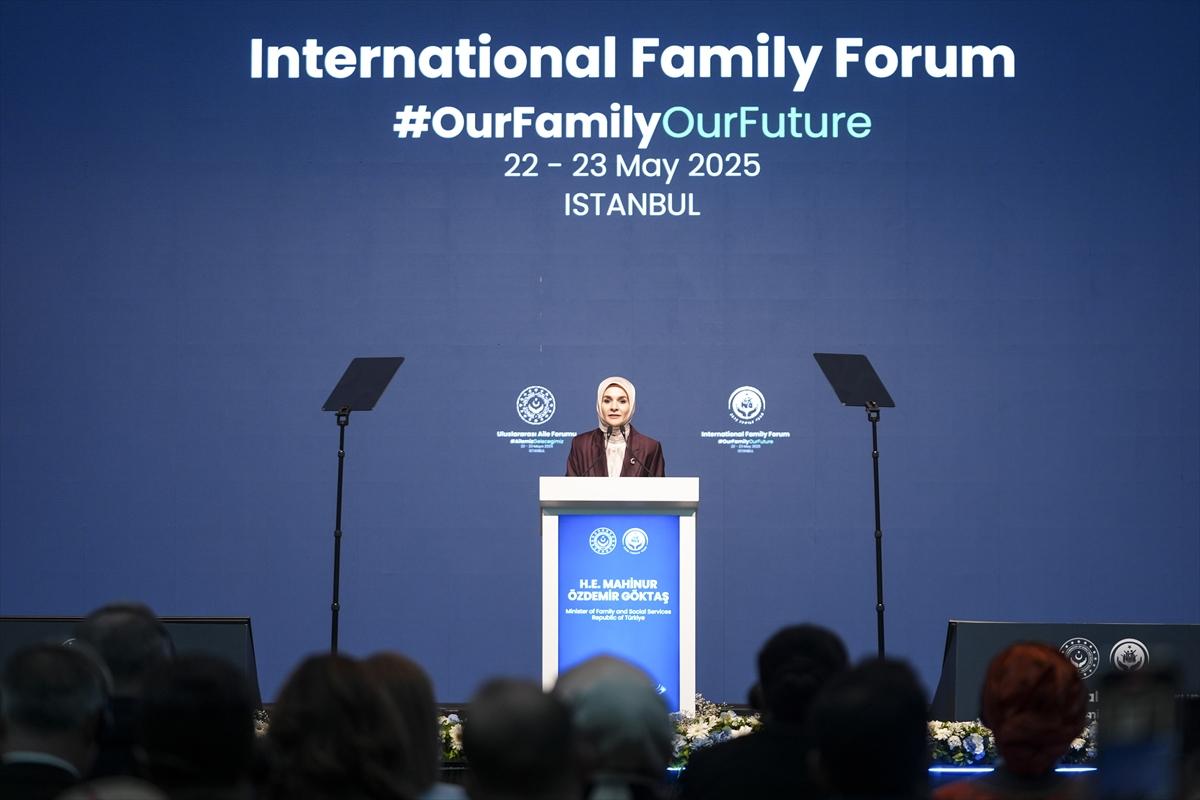
Minister of Family and Social Services Mahinur Özdemir Göktaş at the International Family Forum, 22 May 2025 (AA)
The speech also outlined new institutions and strategic documents developed by Türkiye in support of its family policies. The “Vision Document and Action Plan for the Protection and Strengthening of the Family,” along with the Directorate of Family and Population Policies and the Family Institute, were presented as key instruments of this process.
The event is conducted in person from 10:00 to 19:00 in both Turkish and English. The program includes:
Experts from numerous countries and disciplines are delivering presentations at the forum. Some participants include:
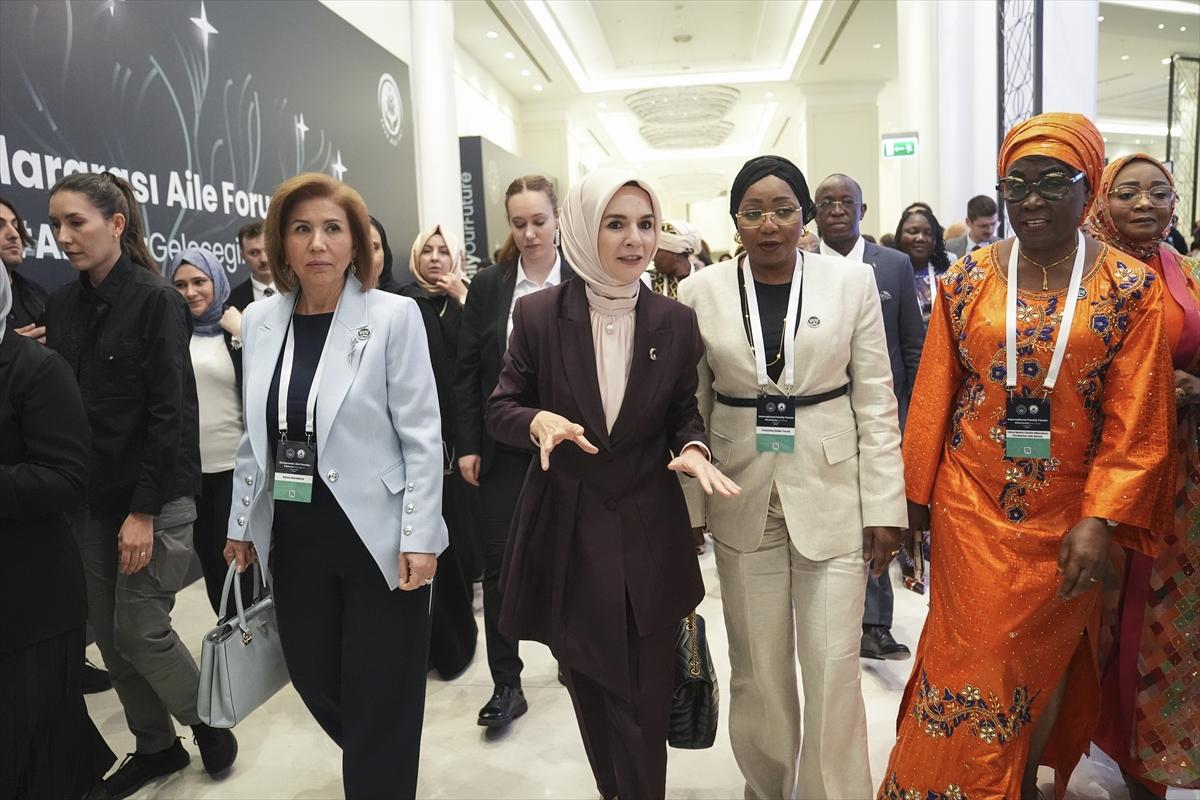
International Family Forum, 22 May 2025 (AA)
The International Family Forum constitutes the international dimension of a multi-layered policy initiative launched following President Recep Tayyip Erdoğan’s declaration of 2025 as the “Year of the Family.” The forum has been structured by the Republic of Türkiye Ministry of Family and Social Services to strengthen social cohesion, enhance the effectiveness of family-centered public policies and institutionalize knowledge exchange at the global level.
The forum has been designed to elevate the family institution as a strategic issue on international platforms and to foster international cooperation in this field. Its coordination framework integrates academic and diplomatic participation and establishes global interaction and partnership mechanisms aligned with national vision documents and action plans.
In her opening address, Minister of Family and Social Services Mahinur Özdemir Göktaş described the forum as more than a conference — it is a platform designed to lay the groundwork for long-term international cooperation based on the concept of “family diplomacy.” In this context, Göktaş emphasized that “just as environment, climate and human rights are now global agenda items, so too must the family institution be systematically integrated into the international policy agenda.”
Anadolu Ajansı. "Bakan Göktaş: Aile de Artık Küresel Bir Gündem Maddesi Olmalıdır." Accessed May 22, 2025. https://www.aa.com.tr/tr/gundem/bakan-goktas-aile-de-artik-kuresel-bir-gundem-maddesi-olmalidir/3576065
Anadolu Ajansı. "Uluslararası Aile Forumu İstanbul’da Başladı." Accessed May 22, 2025. https://www.aa.com.tr/tr/gundem/uluslararasi-aile-forumu-istanbulda-basladi/3575926
Ministry of Family and Social Services of the Republic of Türkiye. "International Family Forum Will Bring Together Family Ministers from 26 Countries in Istanbul." *aile.tr*. Accessed May 22, 2025. https://aile.tr/haberler/uluslararasi-aile-forumu-26-ulkenin-aileden-sorumlu-bakanlarini-istanbulda-bulusturacak/
Ministry of Family and Social Services of the Republic of Türkiye. "International Family Forum – Registration Page." *iff.aile.gov.tr*. Accessed May 22, 2025. https://iff.aile.gov.tr/kayit
Ministry of Family and Social Services of the Republic of Türkiye. "Official Website of the International Family Forum." Accessed May 22, 2025. https://iff.aile.gov.tr/
The panel titled “Highly Profitable: The Cost of Global Threats to Individuals Families and Society” held within the framework of the International Family Forum examined in a multifaceted manner the relationship between global social policies and family structure. The panel was moderated by Assoc. Prof. Dr. Zübeyir Nişancı Director of the Institute of Population and Social Research at Marmara University.
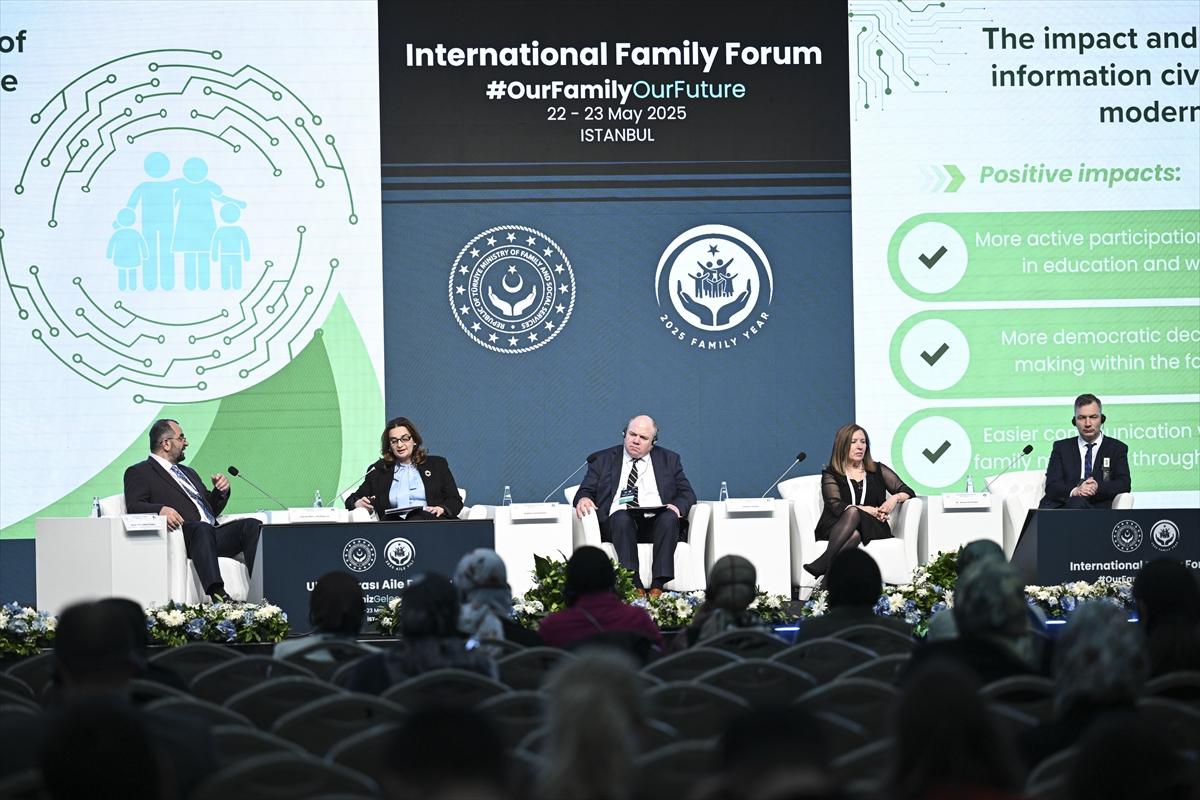
“Highly Profitable: The Cost of Global Threats to Individuals Families and Society” panel 22 May 2025 – (Anadolu Ajansı)
Sharon Slater President of Family Watch International FWI based in the United States referenced Türkiye’s decision to withdraw from the Istanbul Convention stating that this move was significant in terms of questioning the conceptual content of international agreements. Slater noted that although the convention aimed to prevent violence against women certain concepts within its binding texts had been accepted by governments without adequate debate.
Slater alleged that organizations affiliated with the United Nations system such as UNICEF and UNFPA provided non pedagogical content in their sexuality education programs. She argued that these programs distanced young people from their families and traditional value systems and highlighted that civil society projects and digital initiatives aligned with these programs were funded by the United Nations.
Jeyran Rahmatullayeva Director of the Administrative Office of the State Committee for Family Women and Children’s Issues of Azerbaijan emphasized that urbanization had transformed family structure. She stated that the extended family structure had disintegrated under the influence of urbanization evolving into the nuclear family and that families migrating from rural areas to cities typically moved as nuclear units only. She also noted that climate change and environmental crises had increased the economic burdens on family life.
Stefano Gennarini Deputy Chair for Legal Affairs at the Center for Family and Human Rights spoke at the same panel asserting that Western civil society organizations and international institutions had harmed traditional family structures by using the concepts of “gender equality” and “reproductive health.” Gennarini stated that the European Union had produced negative effects on family policies and that many countries had accepted these policies without question due to economic pressures.
Dr. Aleksey Kiristaev Expert in Biotechnology from Moscow University in the Russian Federation assessed the economic dimensions of medical interventions targeting transgender individuals. Kiristaev stated that this field constituted a market worth approximately 1.5 billion dollars in terms of pharmaceutical and surgical industries. He claimed that children were being steered toward hormone therapies away from their biological sex and that this process was carried out without proper oversight in some countries. He drew attention to experimental procedures conducted on children in certain laboratories in Georgia and Ukraine.
On the first day of the Family Forum a closing panel titled “Between Fiction and Reality: Family in Culture Art and Media” was held. The panel was moderated by Yusuf Özhan Deputy General Manager and Chief of General Broadcasting at Anadolu Ajansı. The discussion focused on the impact of media culture and art on the institution of the family in today’s digital age and on the interactions between social perceptions and content representations. Özhan evaluated the effects of media and cultural content on family structure with particular emphasis on how visual representations of the family influence societal behavior.
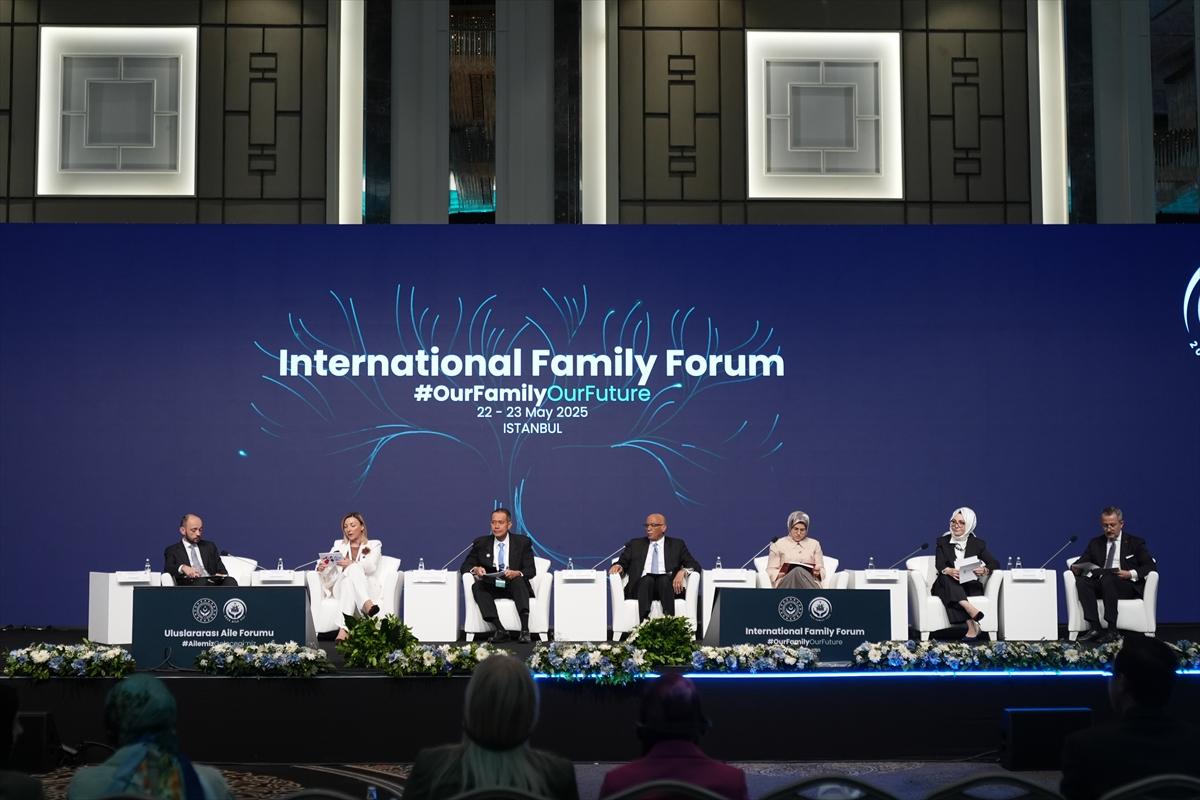
“Between Fiction and Reality: Family in Culture Art and Media” panel 22 May 2025 – (Anadolu Ajansı)
Tatjana Macura Minister for Gender Equality Prevention of Violence Against Women and Women’s Empowerment of the Government of Serbia addressed stereotypical representations of women in media products. Macura noted that in popular culture women were portrayed as figures assuming multiple roles simultaneously and stressed that the impact of these narratives on family structure must not be overlooked. She stated that the family structure had been transformed through media and emphasized the central role of cultural content in this transformation.
Omer Dahab F. Muhammed representative of Family Watch International and cultural expert drew attention to the relationship between the preservation of cultural values and international peace. Muhammed stated that the family was the carrier of cultural heritage and thus a structure that sustained the identity of societies. He underscored the distinction between culture and cultural values asserting that cultural values were universal and unchanging while culture encompassed variable structures.
Dr. Ukik Kusuma Kurniawan, Deputy Minister of Population and Family Development of Indonesia, shared the country’s strategies aimed at preserving family structure in line with its “Golden Indonesia 2045” goals. He emphasized prioritizing the prevention of early marriages and improving child health and living conditions for the elderly. Kurniawan highlighted the role of culture and media in shaping both traditional and contemporary family behaviors.
Additionally, Dr. İpek Coşkun Armağan, General Coordinator of Social Affairs at the Institute, presented information on the “Convention on Children’s Rights in the Digital World.” Armağan noted that children’s rights in the digital realm are not addressed in international law, and that her institution had developed a multilingual convention to address this gap. She also stated that participants can sign the convention digitally.
Kübra Bayraktar, General Director of the Content for Children Association, presented research on the analysis of digital content targeted at children. She explained that content analyzed by clinical psychologists within the association is shared with the public and that initiatives to enhance digital literacy are ongoing.
Üner Karabıyık, Chairman of the Board of Directors of the Istanbul Family Foundation, discussed findings from a study on daytime television programs conducted by the foundation. The study, involving 1600 women, concluded that such programs negatively affect marital satisfaction and couple relationships, increase authoritarian attitudes, and trigger increased social media use. A decline in psychological well-being and spiritual levels was also reported.
One of the presentations at the International Family Forum on 22 May 2025 addressed the impact of declining fertility rates and gender transition practices on family structure. Professor Dr. Zeki Bayraktar from the Urology Clinic at the Sancaktepe Martyr Prof. Dr. İlhan Varank Education and Research Hospital of Health Sciences University evaluated Turkey’s current demographic data.
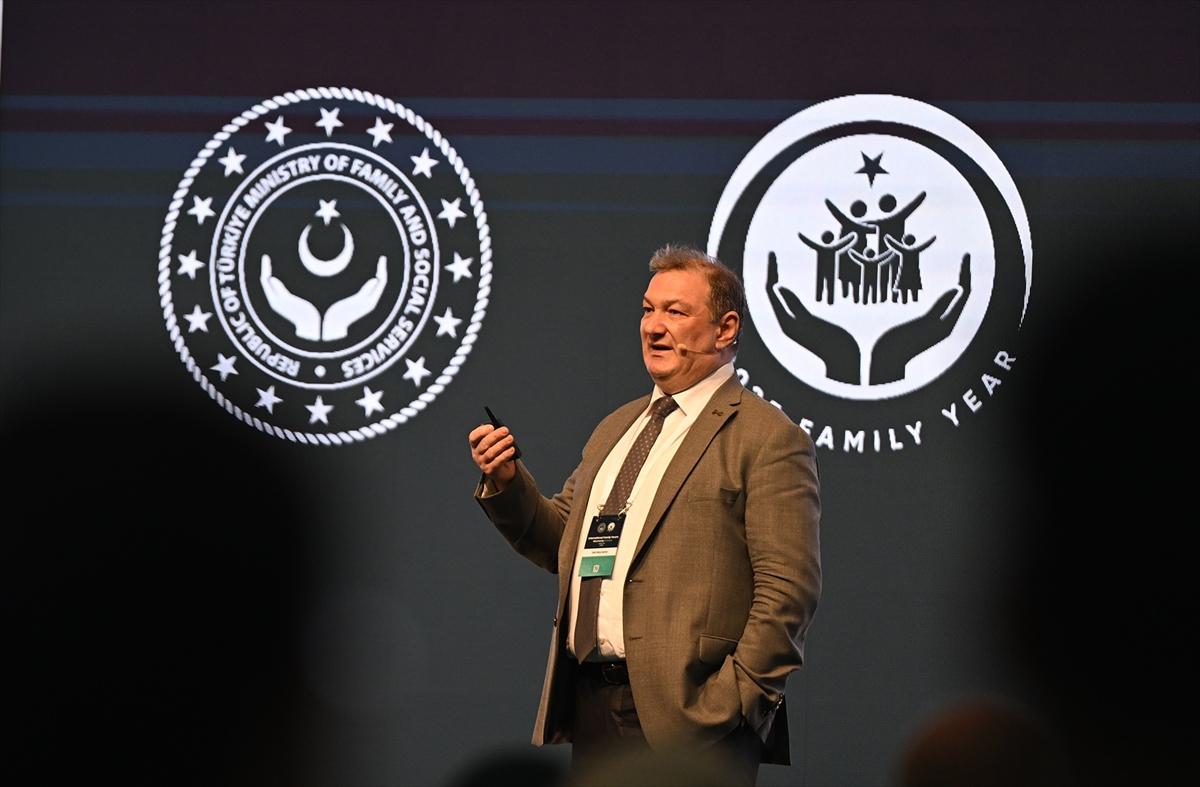
Professor Dr. Zeki Bayraktar from the Urology Clinic at the Sancaktepe Martyr Prof. Dr. İlhan Varank Education and Research Hospital of Health Sciences University, 22 May 2025 – (Anadolu Agency)
Bayraktar noted that Turkey’s fertility rate had declined to 1.48 as of 2025, significantly below the population replacement level of 2.1. He stated that Turkey lags behind countries such as France, Hungary, Romania and Bulgaria on these indicators, and listed the main causes as avoidance of marriage, postponement of marriage, reluctance to have children, preference for having only one child, and infertility.
The presentation highlighted that delaying childbearing age reduces natural fertility in women. Bayraktar pointed out that the ideal childbearing period for women is between 20 and 30 years of age, and warned that late marriage and delayed pregnancy planning increase infertility rates. He emphasized that the decline in marriage numbers in Turkey cannot be explained solely by economic conditions, noting that even during historical periods of war, famine and epidemics, marriage rates never dropped to such levels.
Gender transition processes were also discussed during the same session. Bayraktar noted a significant increase in surgical requests and gender identity applications over the past 15 years, a trend that has paralleled the global expansion of internet access since 2010. He argued that gender transition surgeries do not biologically alter sex and described such procedures as having the nature of “gender cancellation.”
Presenting research data, Bayraktar stated that surgeries and hormone therapies have serious effects on life expectancy, with individuals who have undergone gender transition procedures experiencing an average reduction in lifespan of 25 to 28 years. He highlighted the biological, psychological and social risks associated with such procedures.
Bayraktar also addressed the influence of the digital environment. He noted that social media platforms have widely disseminated messages to young people promoting rejection of the binary gender system, leading to confusion about gender identity among adolescents. He described this phenomenon as a “gender dysphoria epidemic” and reported a rapid increase in gender identity disclosures.
At the end of the presentation, the need for regulation regarding the impact of digitalization on family structures was emphasized. Bayraktar stated that completely banning social media and the internet is not feasible, but regulating daily usage time is necessary. He highlighted that exceeding two hours of social media activity poses psychological and social risks, and drew attention to the importance of awareness and guidance initiatives in this area.
Maria Regina Maroncelli, President of the European Network for Families (European Large Families Confederation – ELFAC), spoke at the International Family Forum on 22 May 2025. She assessed the demographic decline occurring in Europe and noted that extended family structures could serve as an effective response to this crisis. Maroncelli stated that extended families often fail to benefit adequately from social support systems and are sometimes stigmatized.
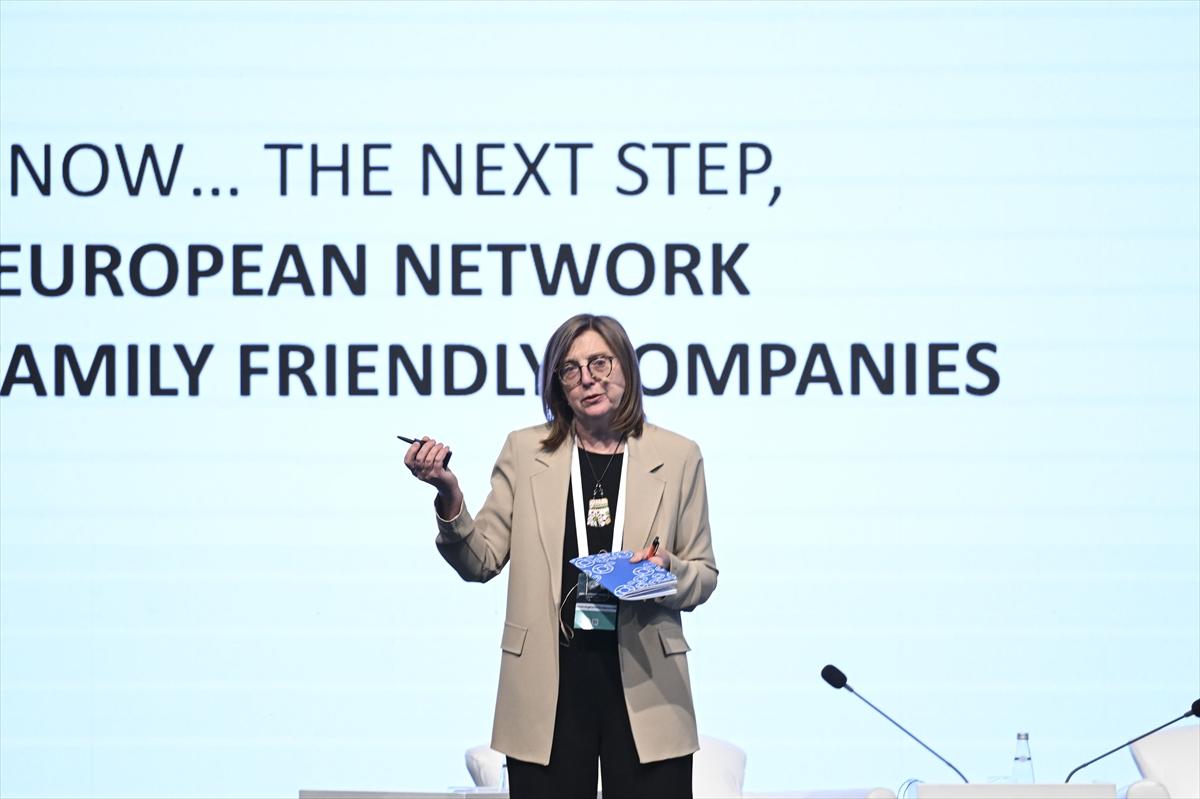
Maria Regina Maroncelli, President of the European Network for Families, 22 May 2025 – (Anadolu Agency)
Maroncelli noted in her speech that ELFAC brings together family associations from 22 countries across Europe and that this structure directly reflects observations on family policies in Europe. She pointed out that families with three or more children constitute only 3 percent of the population and highlighted that the significant decline in fertility rates has led to population loss in some cities and regression in rural areas.
Maroncelli stated that Türkiye does not currently face a demographic crisis at the same advanced level as Europe, but warned that similar trends may emerge in Türkiye in the future. She emphasized the need to support families, encourage childbearing, and establish a society centered on family values to manage this process.
Maroncelli also drew attention to the role of local governments, noting that the “Network of Family-Friendly Municipalities,” which includes 160 municipalities from 10 countries, aims to strengthen family policies at the local level. She stressed the importance of mayors and municipal councils developing family-centered visions and cited practical examples such as parks designed specifically for mothers and free open-air cinemas held during summer months—low-cost yet effective measures.
Maroncelli stated that cities must develop family-centered policies not only in terms of social welfare but also for economic growth. Emphasizing the phrase “Where children and families are, the economy thrives,” she underlined the need to restructure urban planning, transportation, health, and education policies through a family-centered approach.
Maroncelli also explained that efforts are underway to involve the private sector in family policies. She announced the initiation of efforts to establish a “Network of Family-Friendly Companies” following the success of the “Network of Family-Friendly Municipalities.” She noted that businesses must be encouraged to collaborate with local governments to create environments where young people wish to live and work.
Anadolu Ajansı. "Aileler İçin Avrupa Ağı Başkanı Maroncelli: Geniş Aileler, Demografik Kriz İçin Çözüm Olabilir." Accessed May 23, 2025. https://www.aa.com.tr/tr/gundem/aileler-icin-avrupa-agi-baskani-maroncelli-genis-aileler-demografik-kriz-icin-cozum-olabilir/3576747
Anadolu Ajansı. "Aileler İçin Avrupa Ağı Başkanı Maroncelli: Geniş Aileler, Demografik Kriz İçin Çözüm Olabilir." Accessed May 23, 2025. https://www.aa.com.tr/tr/gundem/aileler-icin-avrupa-agi-baskani-maroncelli-genis-aileler-demografik-kriz-icin-cozum-olabilir/3576747#
Anadolu Ajansı. “Uluslararası Aile Forumu’nda Doğum Hızındaki Düşüş ve Cinsiyet Değiştirme Ameliyatları Konuşuldu.” Accessed May 23, 2025. https://www.aa.com.tr/tr/gundem/uluslararasi-aile-forumunda-dogum-hizindaki-dusus-ve-cinsiyet-degistirme-ameliyatlari-konusuldu/3576572#
Anadolu Ajansı. “Uluslararası Aile Forumu’nda İlk Gün Tamamlandı.” Accessed May 23, 2025. https://www.aa.com.tr/tr/gundem/uluslararasi-aile-forumunda-ilk-gun-tamamlandi/3576786#
The second day of the International Family Forum began on the morning of 23 May 2025 in Istanbul with a panel titled “Being a Family in the Age of Screens.” The session was moderated by Professor Dr. Faruk Taşçı, a faculty member at Istanbul University. The discussion addressed the evolving structure of the family in the era of digitalization, interactions between children and parents, and the impact of digital dependency on family bonds.
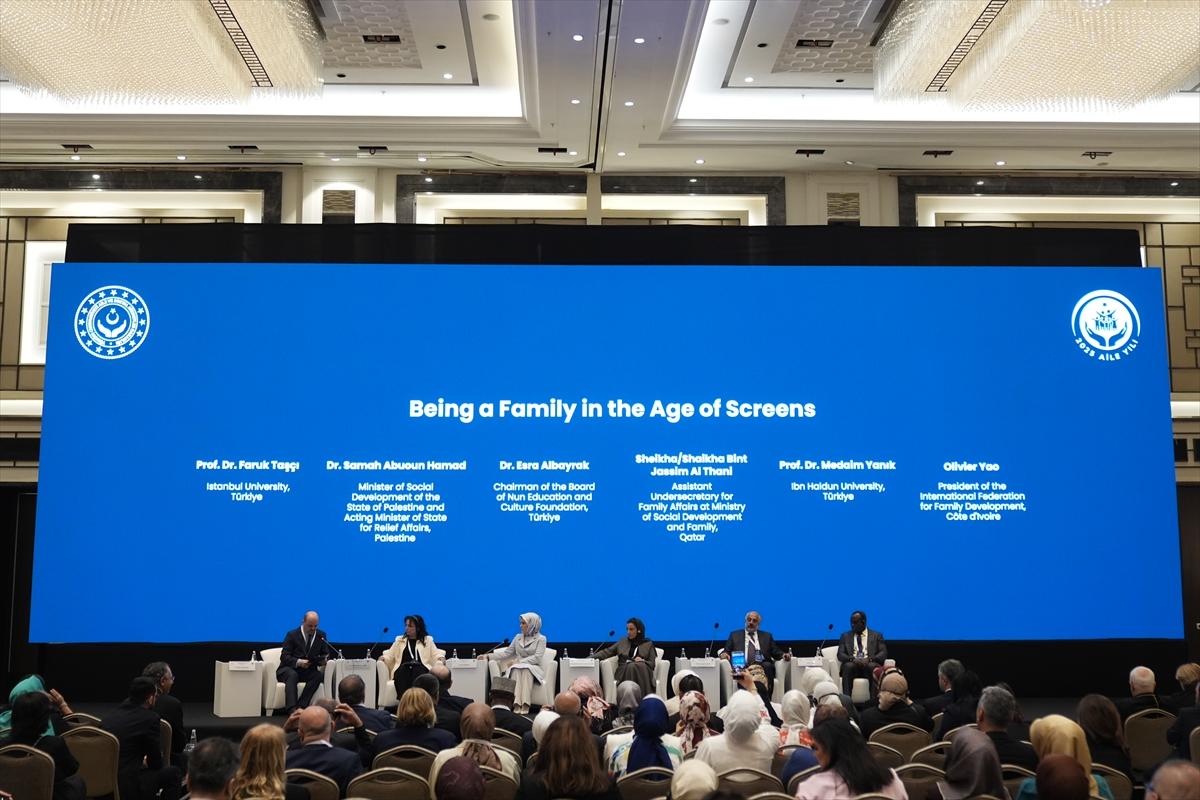
“Being a Family in the Age of Screens” Panel, 23 May 2025 – (Anadolu Ajansı)
The panel featured speakers including Samah Hamad, Minister of Social Development of Palestine; Dr. Esra Albayrak, Chair of the Board of Directors of the NUN Education and Culture Foundation; Professor Dr. Medaim Yanık, faculty member at Ibn Haldun University; Shaikha Al Thani, Assistant Undersecretary of the Ministry of Social Development and Family of Qatar; and Olivier Yao, President of the Ivory Coast International Family Development Federation.
Minister Hamad of Palestine highlighted the hardships faced by children living under Israeli attacks. He noted that prolonged trauma and malnutrition could have intergenerational effects, and described efforts to deliver education to children in tents via tablets and smartphones. Despite barriers to educational access, Hamad emphasized that education remains a top priority for the Palestinian people.
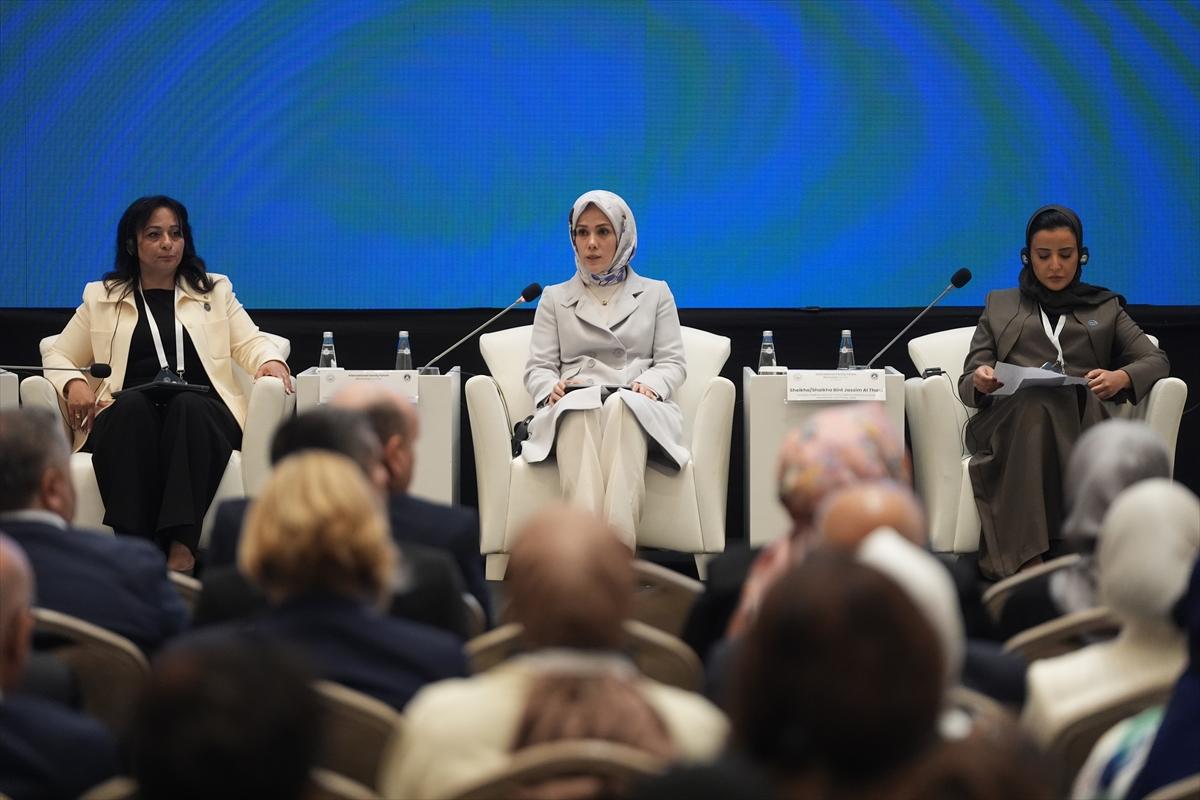
“Being a Family in the Age of Screens” Panel, 23 May 2025 – (Anadolu Ajansı)
Dr. Esra Albayrak assessed how the digital age has distanced families from traditional roles. She stressed that digital platforms have reduced communication between spouses and children, with social media replacing eye contact and face-to-face conversations. Albayrak pointed out that approximately one third of internet users globally are under 18, and according to TÜİK data, 91.3 percent of children aged 6 to 15 in Türkiye are active internet users.
Professor Dr. Medaim Yanık argued that alongside problematic family structures, it is also necessary to observe examples of happy families in the digital age. He recommended developing psychosocial support mechanisms to strengthen family cohesion, increasing postnatal support for mothers, and institutionalizing social state practices. He also highlighted the protective role of economic stability on family structure.
Olivier Yao underscored the central role of the family amid crises brought by the digital age. He stated that the family is not merely a vessel of values but also the environment in which these values are generated, and that young individuals require family guidance to exist safely in digital environments. Yao advocated for technology companies to consult families when formulating content policies, arguing that ethical digital ecosystems can only be built through such collaboration.
Another panelist, Shaikha Al Thani of Qatar, explained that her country has established institutional mechanisms to monitor social media content and developed regulations in the field of “social media occupational safety.” Al Thani emphasized that global cooperation is essential to preserve family structures while preserving the benefits of digitalization.
At the closing session of the International Family Forum on 23 May 2025, President of the Republic of Türkiye Recep Tayyip Erdoğan delivered an address. Erdoğan expressed his hope that the forum would yield beneficial outcomes for Türkiye, the participating countries, and all of humanity. He characterized the participation of ministers and delegates from 26 nations as evidence of the high priority accorded to the family institution.
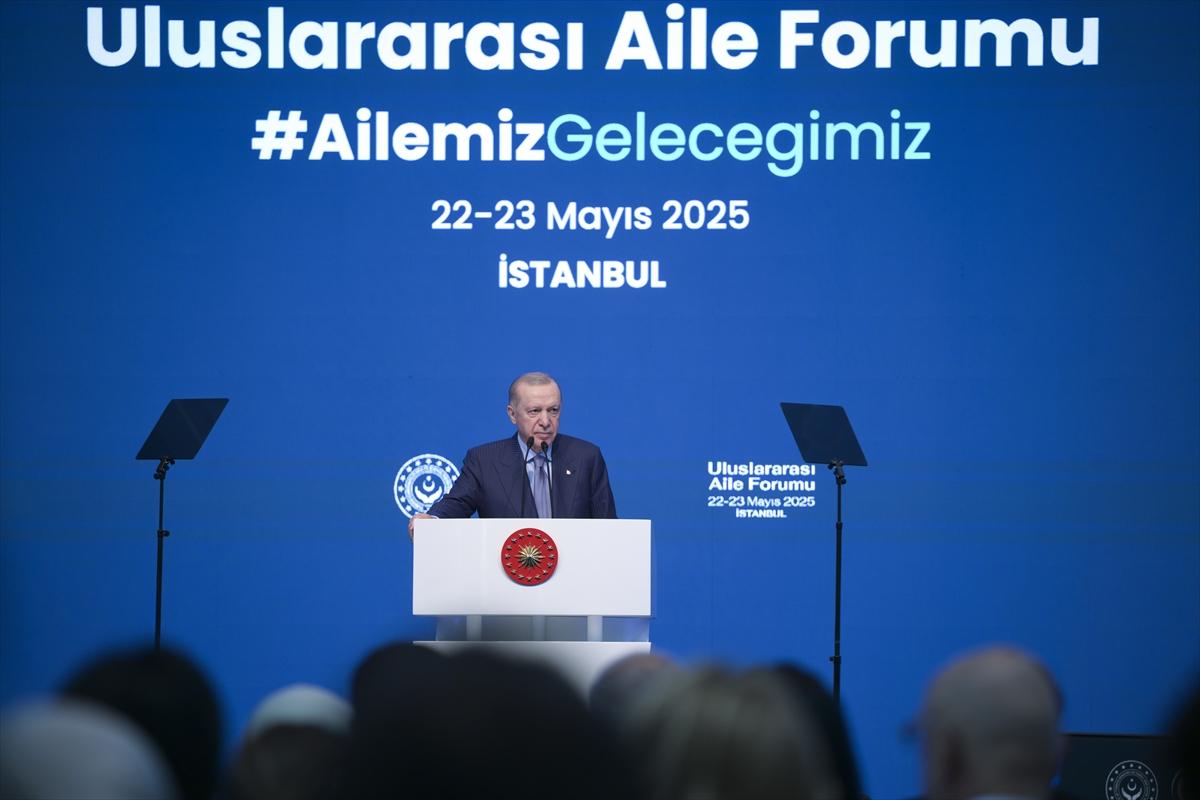
President Erdoğan at the International Family Forum, 23 May 2025 – (Anadolu Ajansı)
In his speech, President Erdoğan announced that the period between 2026 and 2035 will be officially designated in Türkiye as the “Decade of Family and Population.” This initiative, he explained, will form the foundation of comprehensive policies aimed at demographic sustainability and strengthening the family institution. Erdoğan emphasized that Türkiye’s fertility rate has, for the first time in history, dropped to 1.48, significantly below the population replacement level of 2.1. He warned that this development constitutes a critical demographic threshold.
Highlighting the historical and cultural significance of the family, Erdoğan stated that throughout human history, societies have been shaped around the family structure. He described the family not only as a source of peace and security for individuals but also as the fundamental unit where children are raised and social values are transmitted. He affirmed that the family structure composed of a man and a woman is indispensable for the continuation of the human race.
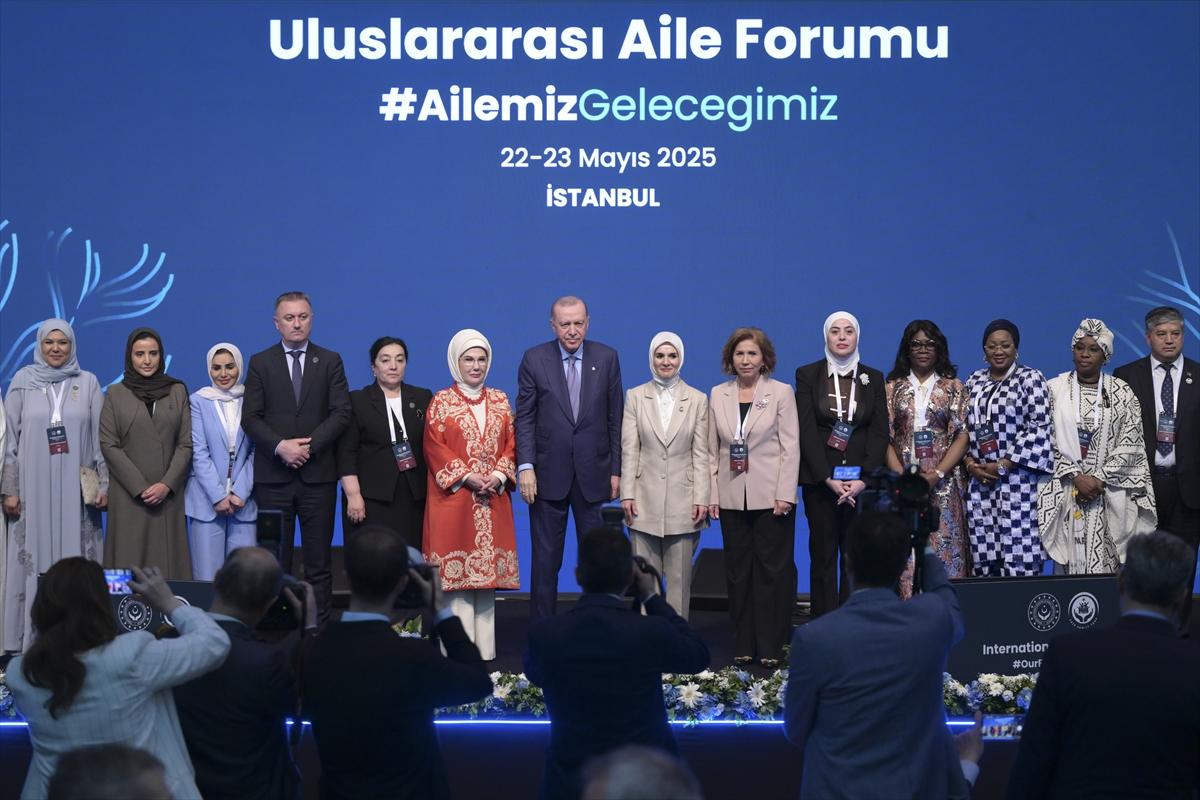
President Erdoğan at the International Family Forum, 23 May 2025 – (Anadolu Ajansı)
Erdoğan also evaluated the impact of modernization processes on family structure, noting that the promotion of individualism has weakened family ties and that popular culture has transformed social structures. He argued that global media and technology-driven systems have eroded traditional family values, and that the solidarity-based family model is not favored by global market actors.
Erdoğan also commented on LGBT movements. He stated that criticisms of these movements have been targeted, and that this situation poses a threat to academic, artistic and political freedoms. He described the struggle against LGBT ideologies as, in his own words, a “struggle for freedom and human dignity.”
At the conclusion of the forum, updated data were shared regarding support programs implemented under the Family and Youth Fund in Türkiye. It was announced that birth assistance payments scheduled for 28 May 2025 will total 1.2 billion Turkish lira, benefiting 163,295 households. It was also reported that 114,000 applications were submitted to the Family and Youth Fund, and that 41,000 couples have qualified to benefit from this support.
Anadolu Ajansı. "Cumhurbaşkanı Erdoğan: 2026–2035 Dönemini ‘Aile ve Nüfus 10 Yılı’ İlan Ediyoruz." Accessed May 23, 2025. https://www.aa.com.tr/tr/politika/cumhurbaskani-erdogan-2026-2035-donemini-aile-ve-nufus-10-yili-ilan-ediyoruz/3577382
Anadolu Ajansı. “Uluslararası Aile Forumu’nun İkinci Günü, ‘Ekranlar Çağında Aile Olmak’ Paneliyle Başladı.” Accessed May 23, 2025. https://www.aa.com.tr/tr/gundem/uluslararasi-aile-forumunun-ikinci-gunu-ekranlar-caginda-aile-olmak-paneliyle-basladi/3577277
The International Family Forum was launched in Istanbul as part of the 2025 Year of the Family. Minister Mahinur Özdemir Göktaş stated in her opening speech that the family issue must become a global agenda item. The forum aims to facilitate international discussion and exchange of information on family-centered policies.
No Discussion Added Yet
Start discussion for "International Family Forum (2025)" article
May 22, 2025
Framework and Participants
May 22, 2025
Forum Discussion Topics
May 22, 2025
Opening Speech
May 22, 2025
Event Format and Cultural Activities
May 22, 2025
Speakers and Experts
May 22, 2025
Context of the Year of the Family and Strategic Framework of the Forum
May 23, 2025
Family Forum Day 1
May 24, 2025
Family Forum – Day 2