


This article was automatically translated from the original Turkish version.
+1 More
Insomnia is a sleep disorder characterized by difficulty falling asleep, inability to maintain sleep, or waking up too early and being unable to fall back asleep. In medical classifications, it is considered both a primary condition and a secondary symptom accompanying other physical or psychiatric conditions. Quantitative or qualitative sleep problems can impair daily functioning, and this path is a defining feature in the diagnosis of insomnia.
Sleep is a fundamental need that regulates the physiological, cognitive, and emotional functions of the organism. Memory formation, tissue repair, maintenance of immune system functions, and mental balance are among the many vital processes that occur during sleep. A healthy sleep pattern is of great importance not only for physical health but also for psychological well-being.
Insomnia is not only an individual health issue but also leads to significant consequences at the societal level. Long-term sleep deprivation can cause attention and concentration disturbances, mood changes, and reduced performance in work and school life. Moreover, due to its association with increased risk of traffic and workplace accidents, higher utilization of health services, and reduced productivity, it imposes economic and social costs at the societal level. In this regard, insomnia is an important area of evaluation for both individual and public health policies.
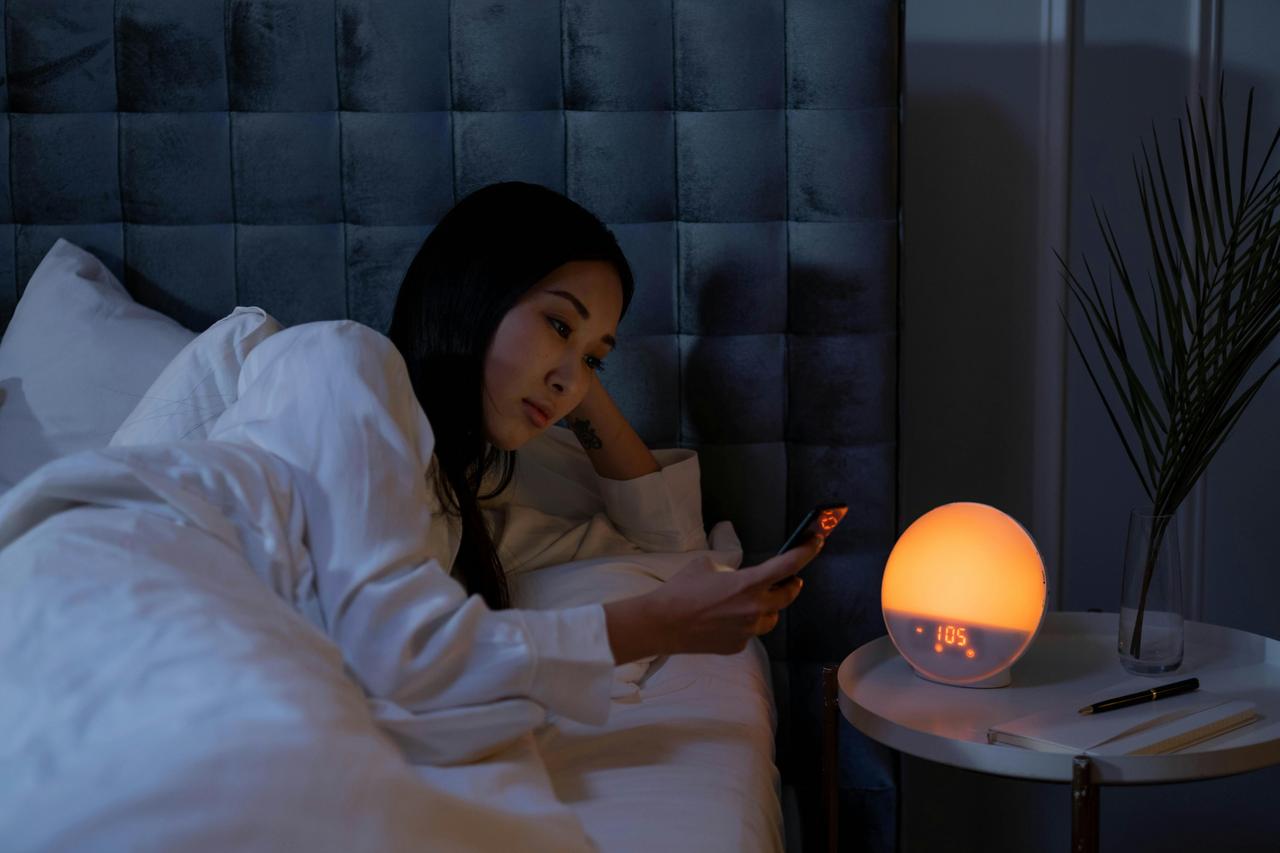
An image representing insomnia. (Photo: cottonbro studio)
The term “insomnia” is of Latin origin, derived from the combination of in- (a negative prefix) and somnus (sleep), meaning “lack of sleep” or “absence of sleep.” This term passed from Latin into modern European languages and began to be used in medicine from the 17th century onward. In Western languages, the concept is represented by forms derived from the same root: “insomnia” in English, “insomnie” in French, and “insomnie” in German.
In medical literature, insomnia is a specific diagnosis category within sleep disorder classifications. According to the International Classification of Sleep Disorders (ICSD) and the diagnostic criteria of the American Psychiatric Association, insomnia is a clinical condition encompassing sleep disturbances that occur over a specific duration and frequency and impair functioning. In psychology, insomnia is associated with both behavioral and cognitive processes; it frequently co-occurs with psychiatric conditions such as anxiety disorders, depression, and post-traumatic stress disorder. Therefore, insomnia is regarded as a multidimensional concept encompassing biological, psychological, and environmental factors.
Insomnia is classified into different types according to its duration and clinical course. These classifications facilitate diagnosis and guide the selection of appropriate treatment methods. Broadly speaking, five main types of insomnia can be identified based on duration and pattern of symptom onset.
A short-term sleeplessness lasting from several days to a few weeks. This type of insomnia commonly arises from temporary causes such as stressful life events, sudden environmental changes, jet lag, or important examinations. Transient insomnia typically resolves spontaneously once the underlying cause is removed and does not develop into a chronic sleep disorder.
Defined as sleep disturbances occurring at least three nights per week for a minimum of three months. This form of sleeplessness is often associated with psychiatric illnesses, chronic stress, physical ailments, or persistent issues related to sleep hygiene. Chronic insomnia requires clinical intervention because it can significantly impair quality of life over the long term.
Based on the pattern of symptom onset, three distinct types of insomnia are identified:
Insomnia is a complex sleep disorder arising from the interaction of diverse biological, psychological, and environmental factors. Therefore, a detailed evaluation of factors disrupting sleep patterns is crucial for accurate diagnosis and treatment. The causes of insomnia can generally be categorized into five main groups: psychological, physiological, environmental, pharmacological, and medical conditions.
Among the most common causes of insomnia. Anxiety (anxiety disorder), depression, and intense stress can prevent individuals from mentally relaxing and falling asleep. In individuals with anxiety disorders, persistent worries about the future trigger cognitive hyperarousal that hinders the transition to sleep. In depression, difficulty falling or staying asleep is often accompanied by early morning awakening (termination insomnia). Other psychiatric conditions such as post-traumatic stress disorder can also predispose individuals to sleep complaints.
Typically arise from disturbances in bodily systems. Chronic conditions such as rheumatic diseases, fibromyalgia, or migraine can fragment sleep throughout the night. Hormonal imbalances, particularly those associated with menopause, excess thyroid hormone (hyperthyroidism), or elevated cortisol levels, can also negatively affect sleep patterns.
Directly related to habits introduced by modern life. Excessive consumption of caffeine or nicotine, prolonged screen exposure late at night, exposure to artificial light, and irregular sleep schedules disrupt the biological clock (circadian rhythm). Additionally, irregular work hours such as night shifts impair the natural sleep-wake cycle and facilitate the development of insomnia.
Some stimulant medications (e.g., corticosteroids, decongestants, certain antidepressants) may cause insomnia as a side effect. Similarly, alcohol and some illegal substances, although initially sedative, can disrupt sleep architecture over time and lead to insomnia. Incorrect or prolonged use of sleep medications may paradoxically increase sleep complaints.
Especially chronic or systemic conditions can directly affect sleep quality. Hyperthyroidism, gastroesophageal reflux disease, asthma, chronic obstructive lung disease (COPD), Parkinson’s disease, and Alzheimer’s disease are among many clinical conditions that can cause insomnia through symptoms that interrupt nighttime sleep. Additionally, specific sleep disorders such as restless legs syndrome and sleep apnea may co-occur with insomnia symptoms.
Insomnia is a multidimensional disorder not limited to nighttime sleep quality and duration but also affecting daytime functioning. Therefore, its symptoms include both nighttime and daytime manifestations. During diagnosis, the frequency, duration, and impact of these symptoms on the individual’s quality of life are taken into account.
The most common symptom is difficulty falling asleep or frequent awakenings. Individuals report trouble falling asleep, remaining awake for long periods after getting into bed, or being unable to return to sleep after frequent nighttime awakenings. This disrupts sleep continuity and depth, preventing restorative sleep.
Morning fatigue is a characteristic symptom of insomnia. Even after spending sufficient time in bed, individuals do not feel refreshed upon waking. Fragmented or shallow sleep fails to restore physical and mental energy, resulting in pronounced exhaustion and depletion upon waking.
Difficulty concentrating and attention deficits are common daytime symptoms. Sleep deprivation impairs cognitive functions such as memory, decision-making, and problem-solving, which can lead to reduced academic and occupational performance.
Insomnia also causes general impairment in daily functioning. Losses such as social withdrawal, inability to fulfill daily tasks and responsibilities, loss of motivation, and inability to derive pleasure from life are frequently observed.
Prolonged sleep deprivation negatively affects emotional balance. In this context, irritability, impatience, and mood fluctuations are common psychological symptoms of insomnia. The individual may exhibit exaggerated minor reactions to stimuli, experience sudden anger outbursts, or display depressive feelings.
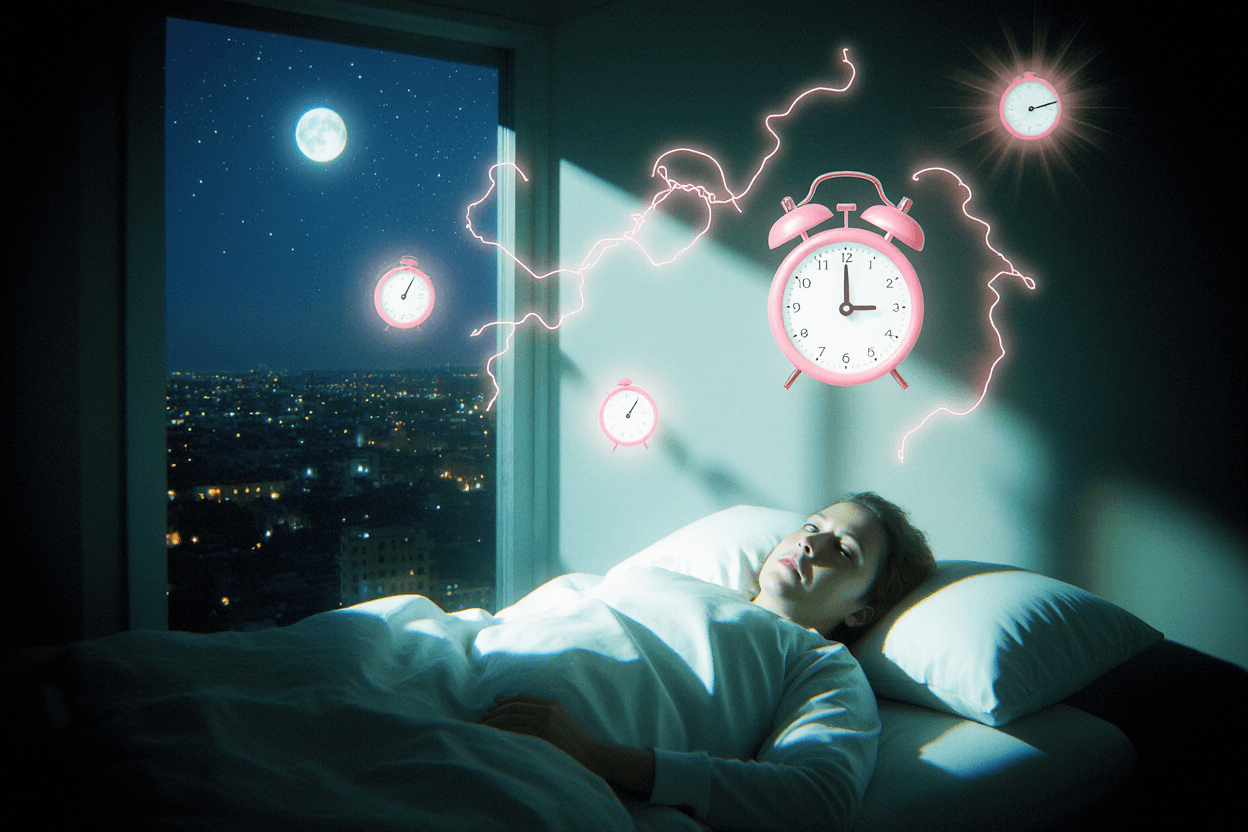
Generated by Artificial Intelligence.
Treatment of insomnia varies according to underlying causes, duration of the disorder, and the individual’s lifestyle. Treatment approaches are generally addressed within a multidisciplinary framework combining behavioral, psychological, and pharmacological methods. In particular, chronic insomnia aims for long-term and sustainable symptom management.
Among the most effective methods for long-term management of insomnia. These approaches aim to modify negative thoughts and behaviors related to sleep. Regulation of sleep habits, development of relaxation skills, and correction of cognitive distortions form the foundational pillars of treatment. Within this framework, Cognitive Behavioral Therapy for Insomnia (CBT-I) is the most frequently preferred treatment in clinical practice. CBT-I combines restructuring dysfunctional beliefs about sleep, stimulus control techniques, sleep restriction methods, and relaxation techniques. Research has demonstrated that CBT-I is effective in improving sleep quality both in the short and long term.
Aim to teach individuals how to achieve mental and physical relaxation before sleep. Techniques such as deep breathing exercises, progressive muscle relaxation, meditation, and guided imagery are used to facilitate the transition to sleep and reduce arousal levels.
Aim to help individuals develop healthy sleep habits. This education includes recommendations such as establishing regular sleep schedules, avoiding caffeine and screen use before bedtime, and using the bed only for sleep. Sleep hygiene is a fundamental intervention method, especially for insomnia caused by environmental and lifestyle factors.
Especially in short-term or acute insomnia cases, may be used to control symptoms. The most commonly prescribed medications in this context are sleep medications. However, long-term use of such medications can lead to adverse effects such as dependence, tolerance development, and daytime drowsiness; therefore, short-term use is generally recommended.
In some cases, particularly when insomnia co-occurs with psychiatric disorders such as depression, antidepressant medications may also be included in the treatment plan. Certain antidepressants with sedative effects can address both psychiatric symptoms and sleep problems simultaneously, offering dual benefits. Use of such medications must always be under medical supervision, and individuals should never use them without professional approval.
Considered complementary approaches in insomnia treatment. Herbal remedies (e.g., lemon balm, chamomile, valerian) have been traditionally used to improve sleep quality. However, their scientific efficacy is limited, and potential interactions with other medications must be considered.
Primarily target the psychological components of insomnia by promoting mental relaxation. These techniques may serve as supportive measures to reduce stress levels and facilitate the transition to sleep.
Warning: The content presented here is intended solely for general encyclopedic informational purposes. This information should not be used for diagnosis, treatment, or medical guidance. Before making any decisions regarding health matters, you must consult a physician or qualified healthcare professional. The author and KÜRE Encyclopedia assume no responsibility for any consequences arising from the use of this information for diagnostic or therapeutic purposes.
Ahn, Dong Hyun. “Insomnia: Causes and Diagnosis.” HMR 33, no. 4 (2013): 203-209.https://doi.org/10.7599/hmr.2013.33.4.203.
De Zambotti, Massimiliano, Aimee Goldstone, Ian M. Colrain, and Fiona C. Baker. “Insomnia Disorder in Adolescence: Diagnosis, Impact, and Treatment.” *Sleep Medicine Reviews* 39 (2018): 12–24.https://doi.org/10.1016/j.smrv.2017.06.009.
Drake, Christopher L., Thomas Roehrs, and Thomas Roth. “Insomnia Causes, Consequences, and Therapeutics: An Overview.” *Depression and Anxiety* 18 (2003): 163–176.https://doi.org/10.1002/da.10151
Morin, Charles, Christopher Drake, Allison Harvey, et al. “Insomnia Disorder.” *Nature Reviews Disease Primers* 1 (2015): 15026.https://doi.org/10.1038/nrdp.2015.26.
Perlis, Michael, and Philip Gehrman. "Types of Insomnia." Encyclopedia of Sleep 1 (2013): 199-202.

No Discussion Added Yet
Start discussion for "Insomnia (Sleeplessness)" article
Origin of the Term
Types
Transient (Acute) Insomnia
Chronic Insomnia
Causes
Psychological Causes
Physiological Causes
Environmental and Lifestyle Factors
Medications and Substance Use
Other Medical Conditions
Symptoms
Treatment Methods
Behavioral and Psychological Treatments
Relaxation Techniques
Sleep Hygiene Education
Pharmacological Treatments
Alternative Approaches
Acupuncture and Meditation