


This article was automatically translated from the original Turkish version.
The biological processes of living organisms are regulated according to day and night cycles, and these processes are called circadian rhythms. Circadian rhythms govern sleep-wake cycles, feeding, reproduction, and other physiological functions. Adapting to day and night cycles is critical for survival in many species.
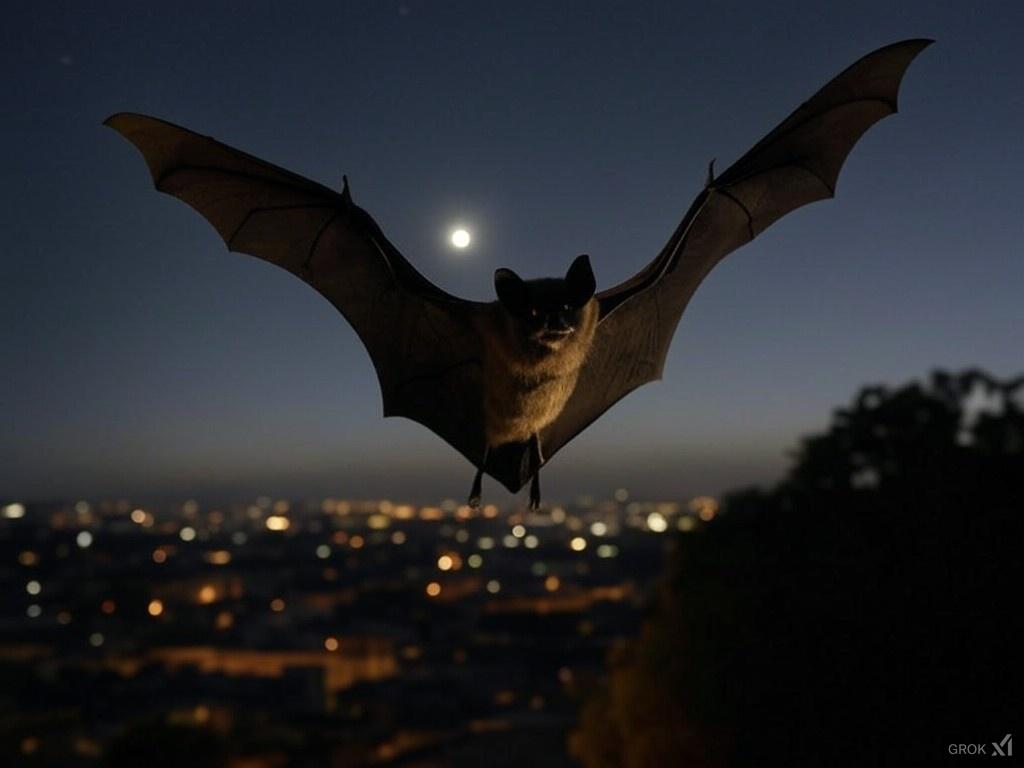
Image generated by artificial intelligence.
Many animals regulate their behavior according to circadian rhythms. Some animals are active during the day (diurnal), while others are active at night (nocturnal). Particularly nocturnal animals require dark conditions for critical behaviors such as hunting and finding shelter. For example, nocturnal hunters like owls and mammals with enhanced night vision have an advantage in hunting under darkness. Circadian rhythms in animals not only regulate sleep-wake cycles and feeding habits but also influence reproductive cycles. Birds use day length to determine migration timing, and some fish species prefer specific seasons for reproduction.
Circadian rhythms in plants affect many important biological functions by regulating daily life cycles. These rhythms control processes such as growth, flowering, leaf movement, and photosynthesis. For instance, plants require sunlight for photosynthesis, and the stomata on their leaves remain open during the day to facilitate gas exchange. At night, these pores close to prevent water loss. Circadian rhythms determine when plants perform photosynthesis throughout the day and when they produce the enzymes necessary for this process. Additionally, some plants adjust their flowering times according to day length and regulate their metabolism in response to temperature changes.
Sunlight plays a critical role in regulating circadian rhythms; however, artificial light pollution disrupts these natural cycles and has profound effects on living organisms. Artificial light sources, especially, impair navigation and hunting abilities in nocturnal animals. For example, night-active birds and bats become disoriented in their natural habitats and lose their hunting efficiency due to such lights. Additionally, migratory birds that rely on the light of stars and the moon to navigate are drawn toward artificial lights and veer off course.
Insects are also attracted to artificial lights, disrupting natural pollination processes and disturbing ecosystem balance. The decline in populations of pollinators such as bees and butterflies negatively affects plant reproduction, leading to widespread ecological consequences. Various studies have shown that artificial light sources such as street lamps alter the behavior and sleep patterns of many animals, including small primates. Artificial light has also been identified as a stress factor that disrupts biological rhythms and affects social interactions in animals. Therefore, understanding the effects of artificial light pollution is essential for maintaining ecosystem health and biological diversity.
Biology Insights Team. "Circadian Rhythms: Impact on Plants and Animals." *Biology Insights*, Accessed October 27, 2024.https://biologyinsights.com/circadian-rhythms-impact-on-plants-and-animals/
Gaston, K. J., T. W. Davies, J. Bennie, and J. Hopkins. “Reducing the Ecological Consequences of Night-Time Light Pollution: Options and Developments.” *Journal of Applied Ecology* 49, no. 6 (2012): 1256–1266.https://doi.org/10.1111/j.1365-2664.2012.02212.x
González, A., A. Rincón, A. Barrios, and A. De la Cruz. “Circadian Rhythms and Light Pollution: Impact on Behavior and Physiological Responses of Insects.” *PLOS ONE* 8, no. 9 (2013): e79250.https://doi.org/10.1371/journal.pone.0079250
International Dark-Sky Association. "Wildlife and Ecosystems." Accessed October 27, 2024.https://darksky.org/resources/what-is-light-pollution/effects/wildlife-ecosystems/
Liu, H., Y. Wang, Y. Li, L. Zhang, and Y. Huang. “Light Pollution Impacts on Marine Ecosystems: The Perspectives and Challenges.” *Frontiers in Marine Science* 11 (2024): 1372889.https://doi.org/10.3389/fmars.2024.1372889
National Institute of General Medical Sciences. "Circadian Rhythms." *NIGMS*. Accessed October 27, 2024.https://nigms.nih.gov/education/fact-sheets/Pages/Circadian-Rhythms.aspx
Toxigon. "How Light Pollution Impacts Wildlife: A Detailed Guide." Accessed October 27, 2024.https://toxigon.com/how-light-pollution-impacts-wildlife

Day and Night Effects in Animals
Day and Night Effects in Plants
Harmful Effects of Artificial Light Pollution on Ecosystems