This article was automatically translated from the original Turkish version.
+1 More
Location | İnönü Mah. Sivas Ali Baba Cad. No:18 | ||||||||
|---|---|---|---|---|---|---|---|---|---|
Building Type | Historic mansion | ||||||||
Construction Date(s) | Late 19th century | ||||||||
Cultural Period | Ottoman | ||||||||
Current Use | Cultural memorial site | ||||||||
Architectural Feature(s) | Stone foundation Marseille-type tile roof wooden posts sun-dried brick infill | ||||||||
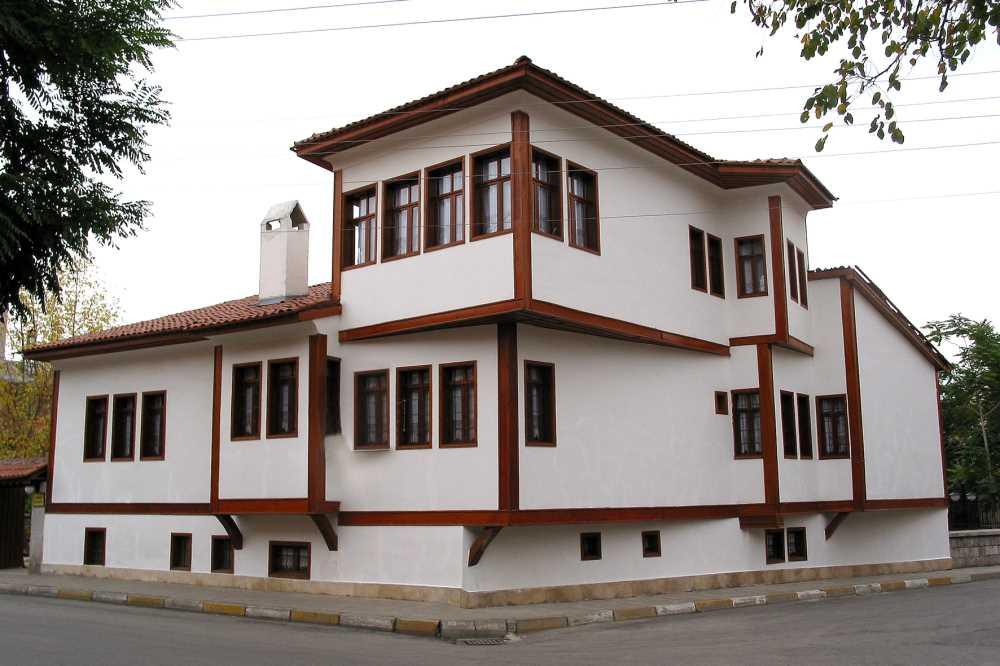
İnönü Konağı is a historical building located in the city center of Sivas, where İsmet İnönü, one of the founders of the Republic of Türkiye and its second president, spent his childhood and early youth between 1891 and 1897. Built in the late 19th century, this residence stands out as an example of Ottoman-era civil architecture. The foundation of the house is built on a stone-masonry basement, with a two-story structure constructed using a timber frame and wattle-and-daub infill system. The exterior walls are plastered with lime, and the roof is covered with Marseilles-style tiles. Protrusions are present on both the first and second floors. In 1945, the Sivas Municipality purchased the property from its owners and opened it to the public as the “İnönü Museum,” after which it was transferred to the Sivas Provincial Special Administration. Today, the residence functions as a cultural space preserving the memory of İsmet İnönü.
İnönü Konağı (Culture Portal)
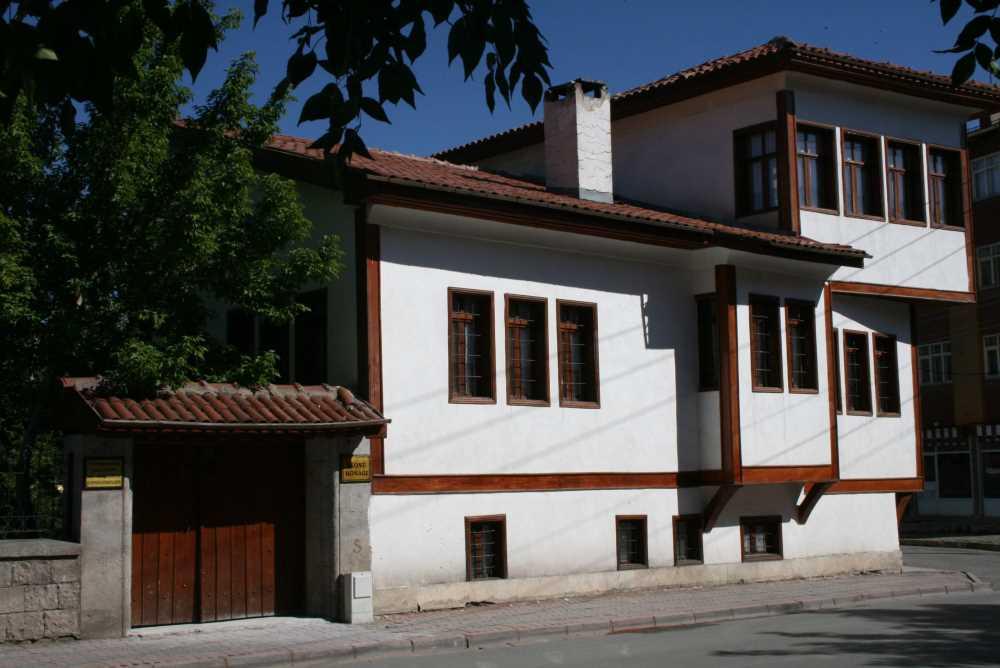
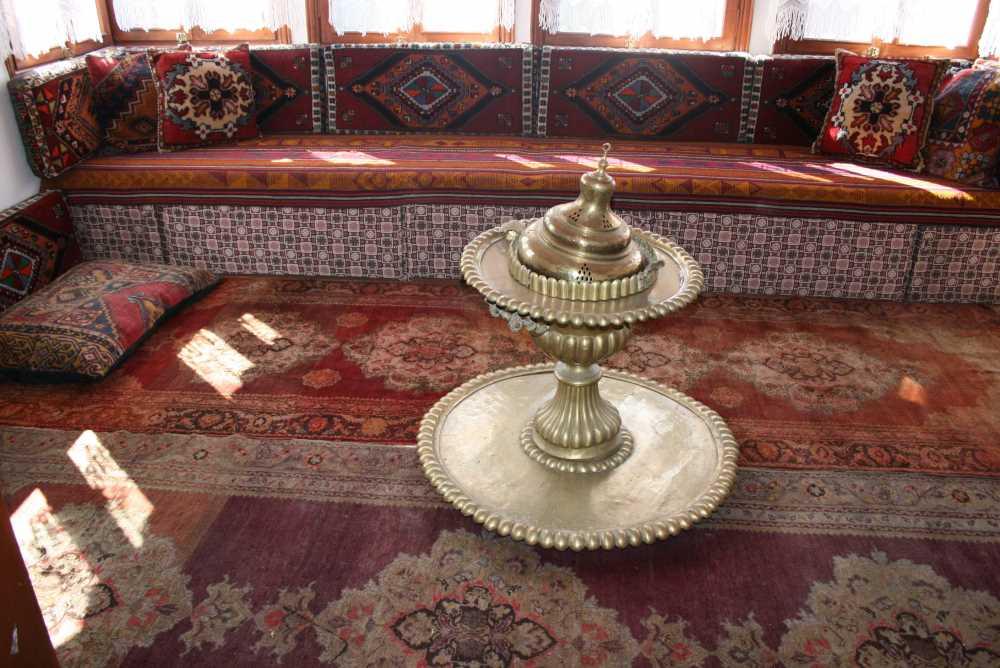
İnönü Konağı is a traditional Ottoman residential building constructed on a basement with two upper stories. Its structural system consists of timber posts reinforced with wattle-and-daub infill. The wall surfaces are finished with lime plaster. The roof is a gabled design covered with Marseilles-style tiles. Noticeable protrusions appear on the exterior facades of both floors, forming a defining architectural characteristic of the building. Inside, there are sofas and numerous rooms. Its spacious garden has been reorganized to provide a comfortable resting area for visitors.
İnönü Konağı (Culture Portal)
The original purpose of the residence was domestic use. It is known that İsmet İnönü lived here with his family during his childhood. In 1945, it was purchased by the Sivas Municipality and converted into a museum. In 2006, it was restored by the Sivas Provincial Special Administration. Although its current use retains the form of a residence, it serves visitors as a historical and cultural memorial site.
İnönü Konağı (Culture Portal)
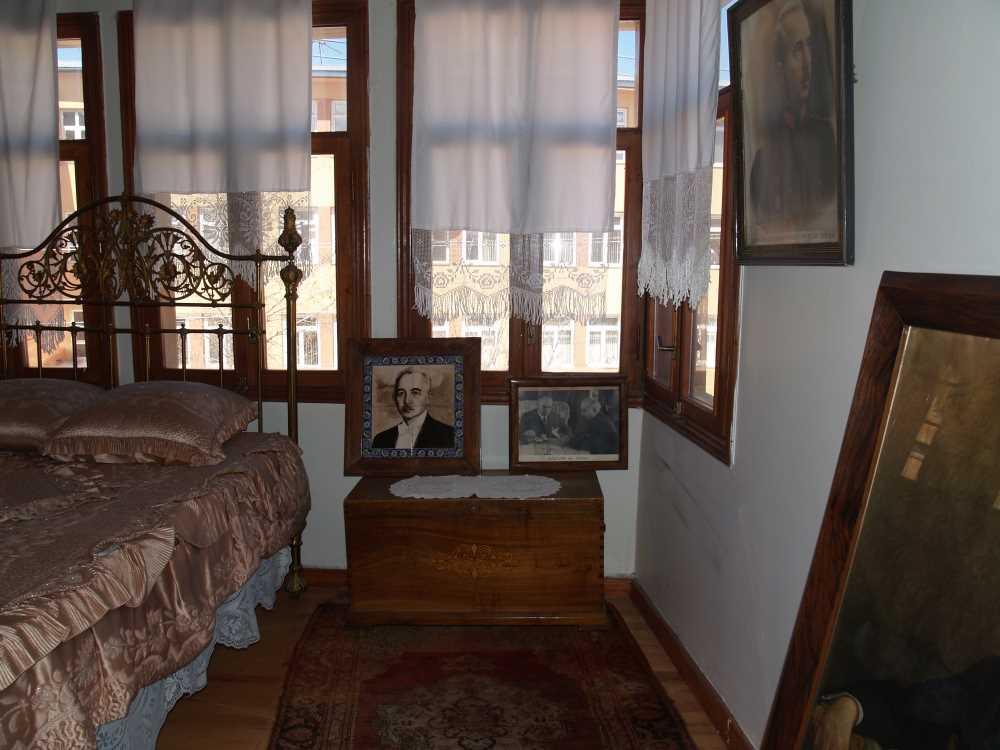
During the 2006 restoration, the structural integrity of the residence was preserved, and a dedicated section was created to display personal belongings and photographs of İsmet İnönü in one of its rooms and on its sofa. In the new arrangements initiated in 2014, the largest room on the ground floor was converted into an exhibition space, designed with consideration for elderly and disabled visitors, making the memorabilia more accessible to the public. After being registered, cleaned, and maintained by the Directorate of Culture, the items were reinstalled in the residence. Restoration work was also carried out in all other rooms, revitalizing the space while preserving its historical fabric and spirit.
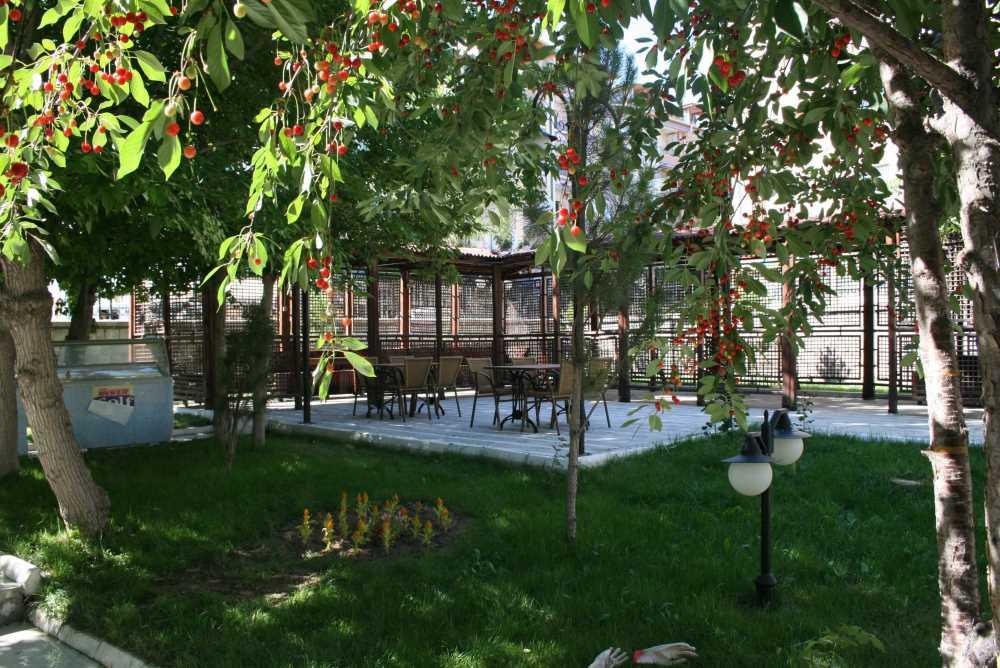
İnönü Konağı (Culture Portal)
This residence, where İsmet İnönü lived during the years he completed his secondary education at the Sivas Military Secondary School, holds significance not only as part of his personal history but also as a physical link to the legacy of a key statesman who contributed to the founding process of the Republic of Türkiye. Its conversion into a museum represents an important cultural initiative aimed at transmitting the memory of İsmet İnönü to future generations.
The Sivas Provincial Special Administration is responsible for the maintenance and protection of the residence. It was officially designated as a protected cultural heritage site on 17 January 1981 under decision A–2654. Today, its management is carried out by the Sivas Service Foundation, and it is regarded as a publicly accessible cultural space.
İnönü Konağı is located in the city center of Sivas, approximately 400 meters from the historic town square. Its proximity makes it easily accessible on foot. The address is: İnönü Neighborhood, Ali Baba Street, No:18, Sivas.
During the commemoration program held on the 36th anniversary of the death of our second president İsmet İnönü, then-Governor Ali Kolat expressed his satisfaction at the residence’s reintegration into the public consciousness. His contributions to the National Struggle, state administration, and the construction of the Republic were highlighted, and the opening of the residence to the public was regarded as an act of loyalty. The renovations carried out in the residence enable the public to experience this historical site in a more intensive and meaningful way.
Ministry of Culture and Tourism. "İnönü Konağı – Kültür Envanteri." *Kültür Portalı*, Accessed July 20, 2025. https://www.kulturportali.gov.tr/turkiye/sivas/kulturenvanteri/nonu-konagi414767
Ministry of Culture and Tourism. "İnönü Konağı." *Kültür Portalı*, Accessed July 20, 2025. https://www.kulturportali.gov.tr/turkiye/sivas/gezilecekyer/nonu-konagi
Sivas Belediyesi. "İnönü Konağı." sivas.bel.tr, Accessed July 20, 2025. https://sivas.bel.tr/yapi/inonu-konagi.
Sivas Valiliği. "İnönü Konağı Yeniden Düzenlendi." sivas.gov.tr, Accessed July 20, 2025. http://www.sivas.gov.tr/in-n-konagi-yeniden-d-zenlendi
Location | İnönü Mah. Sivas Ali Baba Cad. No:18 | ||||||||
|---|---|---|---|---|---|---|---|---|---|
Building Type | Historic mansion | ||||||||
Construction Date(s) | Late 19th century | ||||||||
Cultural Period | Ottoman | ||||||||
Current Use | Cultural memorial site | ||||||||
Architectural Feature(s) | Stone foundation Marseille-type tile roof wooden posts sun-dried brick infill | ||||||||
No Discussion Added Yet
Start discussion for "Inönü House (Sivas)" article
Architectural Features
Historical Function and Use
Restoration and Exhibition Arrangements
Cultural and Memorial Value
Management and Preservation
Access and Location
Commemoration and Public Engagement