

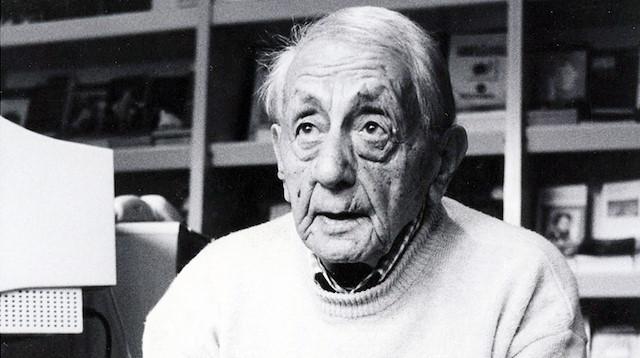
+1 More

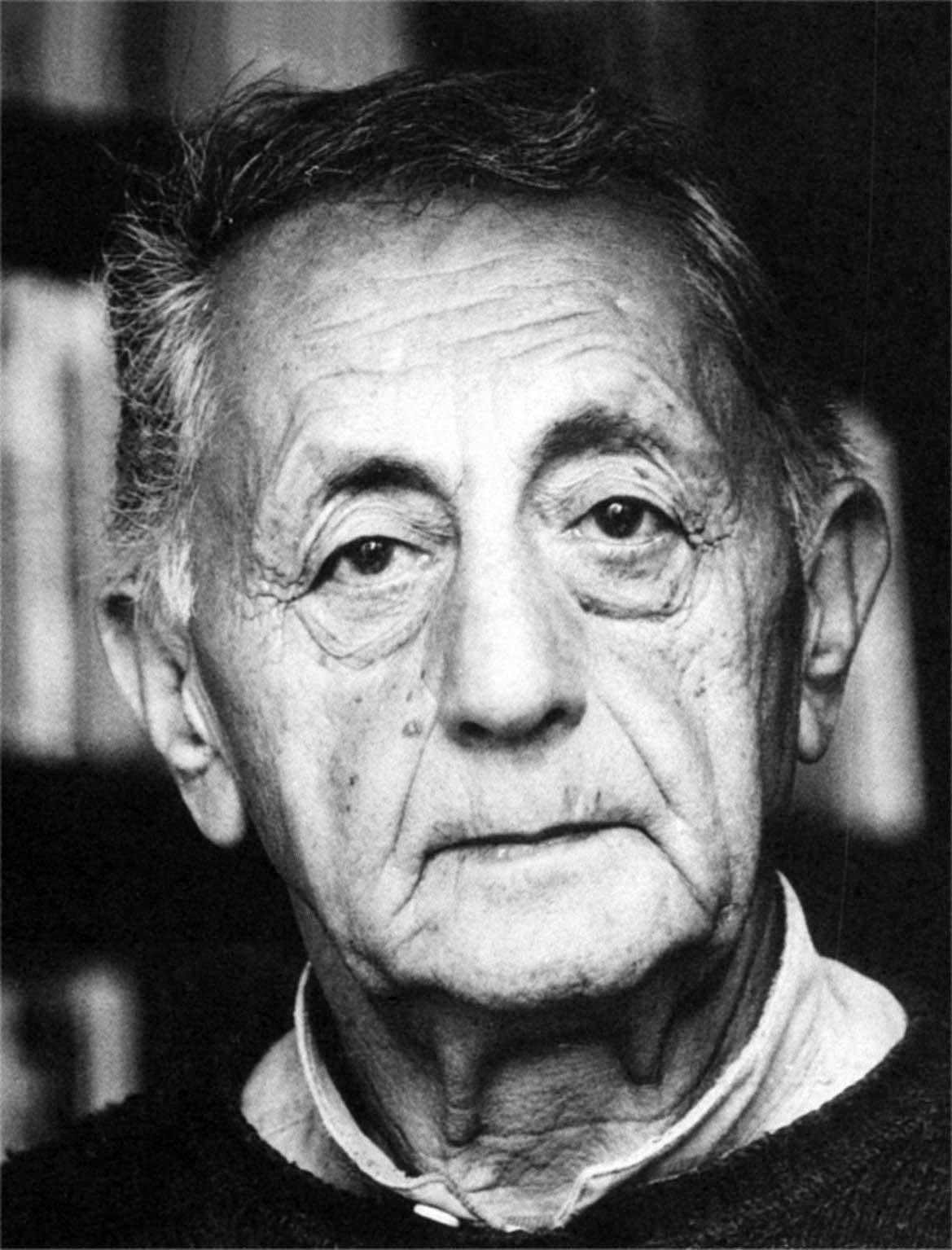
İlhan Berk
Birth | 1918 | ||||||||
|---|---|---|---|---|---|---|---|---|---|
Death | 2008 | ||||||||
Profession | Poet Translator | ||||||||
Education | Ankara Gazi Education Institute | ||||||||
Literary Movement | Second New | ||||||||
Burial Place | Bodrum Türbe Cemetery | ||||||||
İlhan Berk (1918–2008) was a Turkish poet and writer. His real name was Emrullah İlhan Birsen. He is regarded as one of the leading representatives of the Second New movement in Turkish literature.
İlhan Berk was born in Manisa. His father was Veli Bey and his mother was Hesna Hanım. After his father left the family, he was raised by his mother and older brothers. He completed his primary and secondary education in Manisa and later graduated from the Balıkesir Necatibey Teacher Training School. He then worked for two years as a primary school teacher in Espiye, a district of Giresun.
After completing his studies in the French Department of the Gazi Education Institute in Ankara, he served as a French teacher in various cities including Zonguldak, Samsun, and Kırşehir. From 1956 to 1969, he worked as a translator at the Publication Office of Ziraat Bankası in Ankara. After retirement, he settled in Bodrum and lived there until the end of his life.
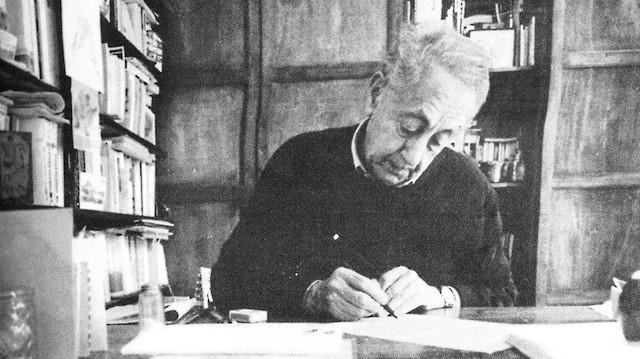
His earliest poems were published in the journals “Uyanış,” “Yeni Doğuş,” “Ses,” and Varlık. His first book, Güneşi Yakanların Selamı, was published in 1935 when he was only 17 years old. In this debut work, he employed the syllabic meter and addressed the prevailing theme of pessimism of his time. With his subsequent book İstanbul (1947), he contributed to the socially engaged poetry tradition. Later, in the 1950s, he joined the Second New movement and began writing innovative and experimental poetry in terms of language and form. With his book Galile Denizi (1958), he established himself among the key figures of the Second New poetry movement.
İlhan Berk distinguished himself through linguistic and formal innovations, breaking away from traditional conventions and making significant contributions to modern Turkish poetry. He enriched his poems with visual imagery, mythological elements, and abstract narratives. By exploiting the limitless possibilities of language, he expanded the boundaries of modernist poetry. In Berk’s poetry, themes of the city, mythology, eroticism, and nature are treated intensively. Berk argued that poetry is a structure independent of its subject and defined his poetic approach as “Pure Poetry,” asserting that meaning is not a fundamental element of poetry.
İnci Enginün said of İlhan Berk: “İlhan Berk, one of the original poets who paved the way for the Second New movement even before it had a name, is its oldest member. Berk was the first to publish syllabic poems in book form in 1935 and continuously altered the structure of poetry through constant experimentation. He shifted from descriptive depictions of everyday life toward a narrative style increasingly approaching prose. Rich allusions, meaningless expressions that evoke a sense of mass, interpretations of Istanbul, a negative view of history, and frequent allusions bordering on pornography related to sexuality are among the first impressions drawn from İlhan Berk’s poetry. (...) Throughout his long poetic journey, İlhan Berk always sought to be different and never forgot sexuality.”【1】
In addition to poetry, he produced works in other literary genres including essays, diaries, translations, and autobiographical narratives. His writing was influenced by figures such as Baudelaire, Arthur Rimbaud, and Ezra Pound, whose poems he translated and published in book form. He was also engaged in visual art and held several exhibitions.
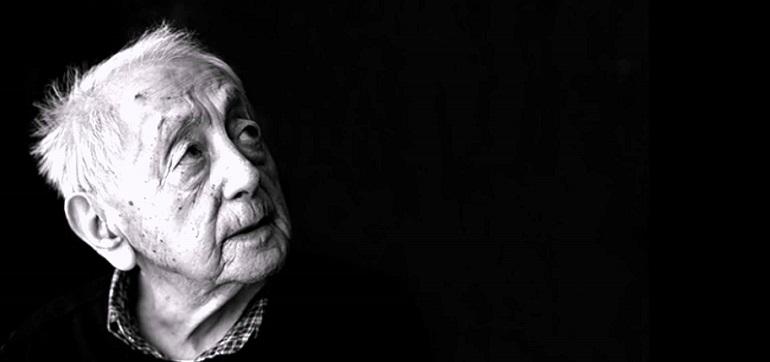
Poetry collections include: Güneşi Yakanların Selamı (1935), İstanbul (1947), Günaydın Yeryüzü (1952), Türkiye Şarkısı (1953), Köroğlu (1955), Galile Denizi (1958), Çivi Yazısı (1960), Otağ (1961), Mısırkalyoniğne (1962), Âşıkane (1968), Şenlikname (1972), Taşbaskısı (1975), Atlas (1976), Kül (1978), İstanbul Kitabı (1980), Deniz Eskisi (1982), Delta ve Çocuk (1984), Galata (1985), Güzel Irmak (1988), Pera (1990), Dün Dağlarda Dolaştım Evde Yoktun (1993), Avluya Düşen Gölge (1996), Şeyler Kitabı (1997), and Çok Yaşasın Sayılar (1998), Eşik (Collected Poems 1947–1975, 1999), Aşk Tahtı (Collected Poems 1976–1982, 1999), Akşama Doğru (Collected Poems 1984–2005), Tümceler Geliyorum (2007).
Works in other genres include: Şifalı Otlar Kitabı (1982), Uzun Bir Adam (1982), Kanatlı At (1994), Inferno (1994), El Yazılarına Vuruyor Güneş (1997), Logos (1996), and Poetika (1997).
Translations include: Selected Poems from Arthur Rimbaud (1962), Love Poems from World Literature (1968), World Poetry and Ezra Pound: Selected Cantos (1969), and Asılı Eros (1996).
Throughout his literary career, he received numerous awards:
İlhan Berk died on 28 August 2008 in Bodrum at the age of 89 and was buried in the Bodrum Türbe Cemetery. He holds a prominent place in literary history as one of the pioneering figures of modern Turkish poetry and the Second New movement.
Biyografi. "İlhan Berk." Accessed March 19, 2025.
Biyografiler. "İlhan Berk." Accessed March 19, 2025.
EdebiFikir. "15 Maddede İlhan Berk." Accessed March 19, 2025.
Edebiyat Öğretmeni. "İlhan Berk." Accessed March 19, 2025.
Edebiyat. "İlhan Berk." Accessed March 19, 2025.
Enginün, İnci. Cumhuriyet Dönemi Türk Edebiyatı. İstanbul: Dergâh Yayınları, 2020.
Gazete Kadıköy. "İlhan Berk: Akşama Doğru." Accessed March 19, 2025.
Kavrayış Yayınları. "İlhan Berk." Accessed March 19, 2025.
Sabah. "İlhan Berk Kimdir? İlhan Berk Şiirleri, Sözleri, Eserleri, Hayatı ve Edebi Kişiliği." Accessed March 17, 2025.
[1]
İnci Enginün, Cumhuriyet Dönemi Türk Edebiyatı (İstanbul: Dergâh Yayınları, 2020), 128-129.

İlhan Berk
Birth | 1918 | ||||||||
|---|---|---|---|---|---|---|---|---|---|
Death | 2008 | ||||||||
Profession | Poet Translator | ||||||||
Education | Ankara Gazi Education Institute | ||||||||
Literary Movement | Second New | ||||||||
Burial Place | Bodrum Türbe Cemetery | ||||||||
Life
Literary Personality
Major Works
Awards
Death