


This article was automatically translated from the original Turkish version.

Every Turk must walk the path that leads to those sacred places where those pure white stones are quietly and solemnly arranged side by side—şehitlikler. This is not a mere visit or a tourist stop; it is a place that purifies the soul and aligns the heart. Whenever I step through those gates, I slow my steps, lower my voice, and whisper only this phrase to myself: “Please accept me.” For this is not ordinary earth—it is the eternal resting place of those whose names were signed in blood and sacrifice, the sacred ground where true men lie.
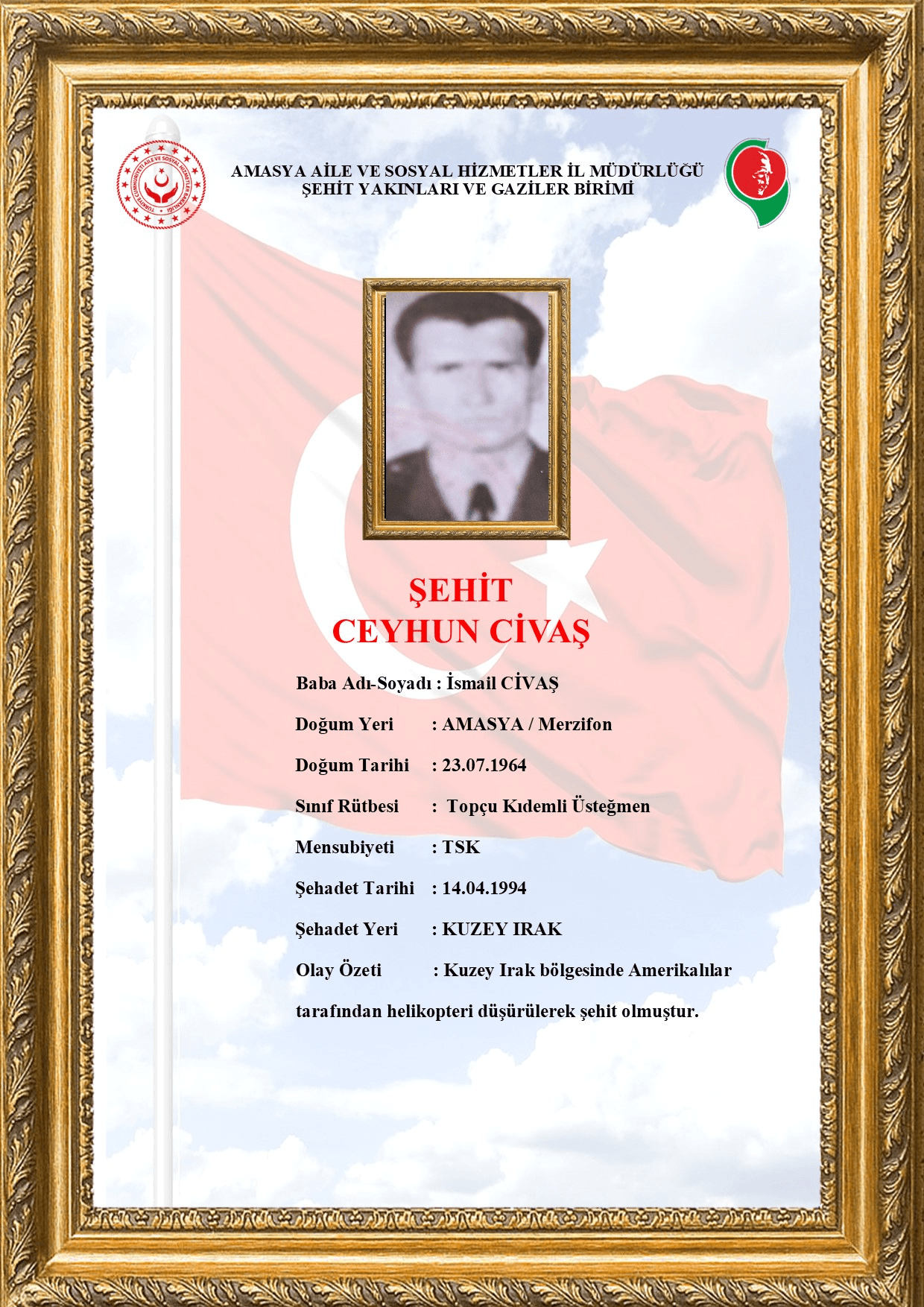
Ceyhun Civaş (T.C. Aile ve Sosyal Hizmetler Bakanlığı)
When visiting these places, one’s forehead must be clean, one’s face pure, and one’s tongue, hands, and mind cleansed of impurity. One must carry within oneself the dignity befitting the presence of these noble souls. The graves of the martyrs are not places to pose for photos or to harvest emotional capital on social media. Above all, the clothing worn when visiting must not merely cover the body but must express reverence for the sanctity of this sacred place. Shorts and t-shirts with vulgar patterns will not bring you to this peace. This is not a place of entertainment—it is where words end and consciences weep.
Each of us who holds the Islamic faith must believe that the martyrs are not dead; rather, they are sustained by their Lord and remain eternally alive. With this belief comes a responsibility: when we stand before a grave, we must greet them not as if we are before an empty cemetery, but as if we are facing living, bleeding souls.
When you encounter the families of the martyrs, there is no need to keep your distance or avoid them as if you have wronged them. They do not ask visitors to account for their children’s or comrades’ sacrifices; instead, they understand sincerity and loyalty. Go, share your burdens, speak openly. Even talk about everyday, ordinary matters. Be assured that because you visited their loved one’s grave, they will meet you with the utmost sincerity, and that quiet conversation will embrace your soul. Yet, this visitation also has its own refined etiquette:
One must not sit on the tombstones, step on the grave frames, or lean against them. If you are tired, sit on a stool if one is available; if not, find a bench nearby. This is the home of those whose sacrifices rise above politics, beyond daily quarrels and self-interest. To throw away cigarette butts is an unforgivable act of disrespect, for every grain of soil beneath your feet holds the blood of a son.
To fully comprehend the sacred trust left to us by our martyrs, we must look deep within our souls, to the spirit of heroism etched into our very genes. This spirit, inherited from our history, is not merely a poetic phrase—it is the very catalyst for a nation’s rebirth. It is the guide who weaves the character of the people thread by thread. It is the man who has passed through the trials of birth, struggle, and sacrifice for the ideal of Nizam-ı Âlem. He is a true man.
Every time we look upon our glorious flag, we must remember that its noble crimson is not merely a piece of fabric, but a love that spans a thousand years—and even longer. “A child can live without parents, but not without a homeland,” they said, placing the legacy of those left behind upon our shoulders. Yet at some point, we must look in the mirror and ask ourselves: Do we love this homeland only with words and social media posts, or with our sweat and labor?
The greatest enemy of patriotism is to confine it to mere romantic rhetoric. Saying “May the homeland be well” is easy; the true challenge is fulfilling the meaning of those words every day, every hour, in every sphere of our lives. We must never forget: the one who loves his homeland most is the one who performs his duty best. We must never forget the heart-shattering question of my brother-in-law, Tuğçe, the wife of the heroic Lieutenant Ünal Darboğaz: “While you ran after terrorists, while your feet bled through heavy boots as you climbed mountains, while I slept in peace—what right do I have over you? Do you forgive me for my peace?”【1】
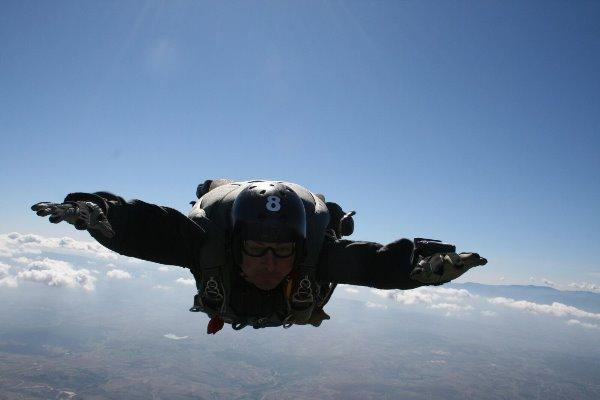
Şehit Üsteğmen Hamza Ünal Darboğaz (Kaynak: Tuğçe Darboğaz)
The only way to earn their forgiveness, to face them with a clean brow in the hereafter, is to elevate this homeland they gave us with their lives—to make it the best in every field. Military service is not merely a rank or uniform; it is a spirit. We must embrace this spirit and serve our homeland by being the best at whatever we do. Are we doctors? We will be the best. Teachers? We will nourish minds and hearts with truth. Workers? Engineers? Merchants? We will embody productivity, honesty, and merit.
O glorious flag! You are my covenant with God.
As you wave, I know I am alive; and beneath your shadow, wherever duty calls me, I will defend that place with my life, my blood, and above all, my labor.
We, today, will turn every place we stand into a battlefield, so that we may stand by this sacred trust they left us and appear before them in the hereafter with clean foreheads.
Forgive us our shortcomings...
Anadolu Ajansı. "Türkiye'deki yabancı misyonlardan 13 Türk vatandaşının şehit edilmesine ilişkin taziye mesajı." Accessed July 22, 2026.https://www.aa.com.tr/tr/dunya/turkiyedeki-yabanci-misyonlardan-13-turk-vatandasinin-sehit-edilmesine-iliskin-taziye-mesaji/2145913
Cabadak, Gözde. "Şehit Hamza Ünal Darboğaz'ın eşi Tuğçe Darboğaz ile görüşme". Unpublished interview. July 2026.
T.C. Ministry of Family and Social Services. "Ceyhun Civaş." Accessed July 22, 2026.https://www.aile.gov.tr/amasya/sehitlerimiz/ceyhun-civas/
[1]
Cabadak, Gözde. "Şehit Hamza Ünal Darboğaz'ın eşi Tuğçe Darboğaz ile görüşme." Unpublished interview. July 2026.