

This article was automatically translated from the original Turkish version.
+1 More
Construction Date(s)(Text) | 18th and 19th centuries | ||||||||
|---|---|---|---|---|---|---|---|---|---|
Street Layout | Narrow, Winding Streets | ||||||||
Details | Iwans, Stone Carving, Wooden Door and Window Decorations | ||||||||
Floor Plan | Primarily Two Stories; Ground Floor as Service Area, Upper Floor as Living Area | ||||||||
Plan Type | Arranged Around an Inner Courtyard, Closed to the Outside | ||||||||
Architectural Type | Traditional Stone House / Civil Architecture | ||||||||
Major Restoration | Various Restoration Projects in the 2000s | ||||||||
Patron | Local Artisans and Merchants | ||||||||
Material(s) | Limestone Wood | ||||||||
Location | Gaziantep City Center and Old Neighborhoods Türkiye | ||||||||
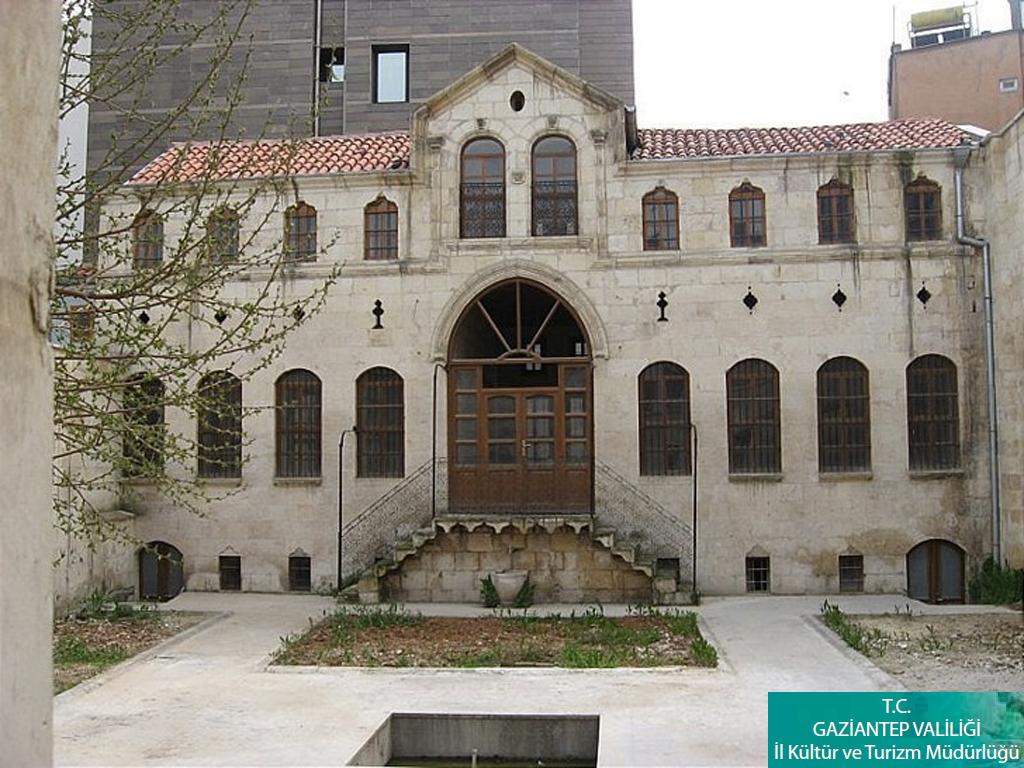
Historical Antep Houses are civilian architectural examples found in the city of Gaziantep in southeastern Türkiye, reflecting traditional residential architecture shaped by local climate materials and sociocultural lifestyles. These structures are particularly notable for their stonework interior courtyard layouts and privacy-oriented planning features. Most of the houses were constructed during the 18th and 19th centuries and are closely linked to the region’s economic social and cultural structure.
The defining characteristics of the Historical Antep Houses became prominent during the Ottoman period while retaining traces of earlier settlement traditions in the region. Gaziantep’s location along major trade routes influenced the planning and material choices of the houses. Over time various cultural interactions contributed to the development of architectural features such as stonework and wooden ornamentation. These houses were designed to accommodate both social life and commercial activities.
Following the proclamation of the Republic urbanization and modern construction processes led to the loss of function for some traditional houses. Starting in the 2000s restoration projects aimed at preserving cultural heritage were initiated and these buildings were reintegrated into use for tourism and cultural purposes.
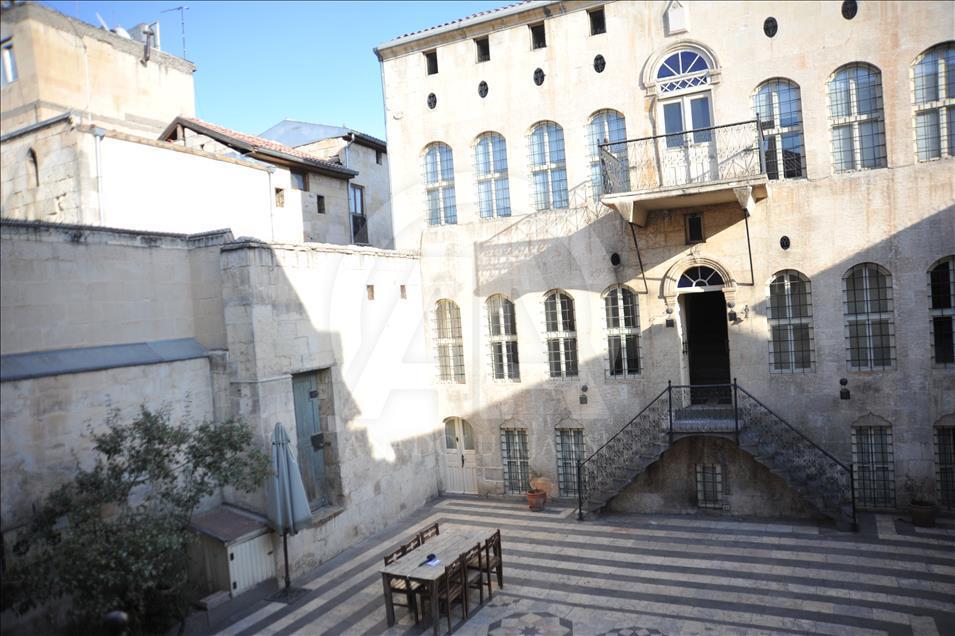
Historical Antep Houses (Anadolu Ajansı)
The primary construction material used in these houses is limestone from the region. Rubble stone and roughly dressed stone serve as load-bearing and wall elements. Wooden beams and claddings are widely employed especially in ceiling and window details. The stone and wood materials used provide insulation keeping interiors cool in summer and warm in winter.
The houses are generally organized around an interior courtyard which serves as the center of daily life with rooms arranged around this space. Privacy is a key consideration in the layout with direct visual access from outside to the interior spaces blocked. Some houses include eyvan or semi-open spaces used for social interaction and ventilation.
The houses are mostly two-story structures. The ground floors are designated for service and storage while the upper floors are used for living and sleeping areas. Summer and winter rooms are planned in different locations according to seasonal needs. Connections between floors are typically provided by stone or wooden staircases.
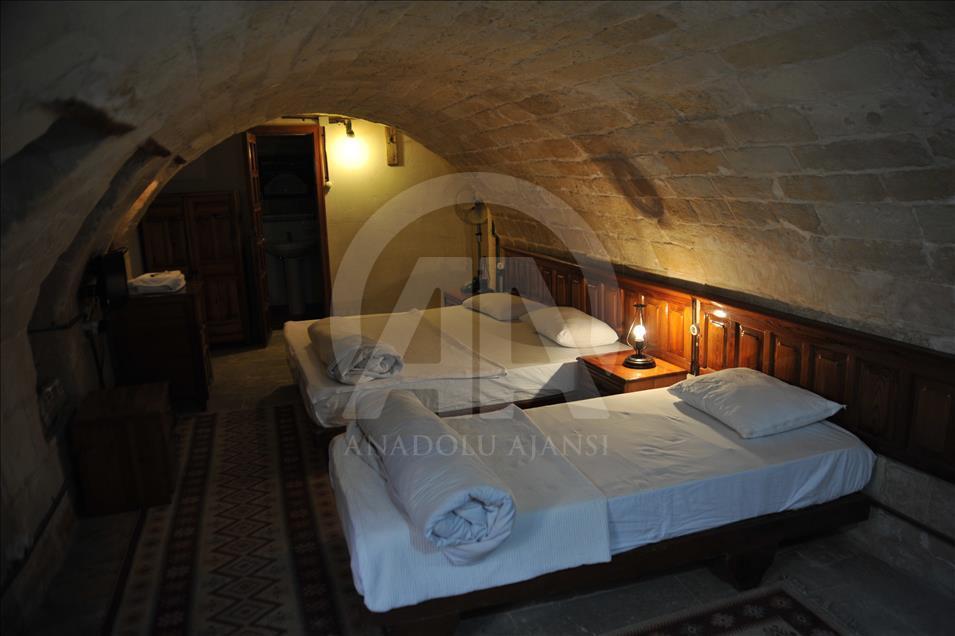
Interior Decoration (Anadolu Ajansı)
Stonework is one of the most distinctive features of these houses. Geometric and floral motifs are found on doors windows and around the courtyard. Wooden door and window frames along with ironwork details complement the architectural design. Some houses include water structures such as cisterns or wells placed around the courtyard.
The houses are aligned along narrow winding streets designed to adapt to climatic conditions and create shaded areas. High walls and closed facades serve both security and privacy functions.
These houses do not merely serve as dwellings but also form the core of neighborhood life and social interaction.邻里关系、共用空间和日常活动在房屋的规划与布局中起着决定性作用。
Various restoration projects have been undertaken to preserve the Historical Antep Houses. These efforts focus on maintaining the original architectural features with careful restoration of stone and wooden elements.
Following restoration some houses have been opened for cultural events exhibition spaces and tourism purposes. These buildings function as important cultural assets reflecting Gaziantep’s traditional way of life and civil architecture.
Anadolu Ajansı. “Tarihi Antep Evleri Turistleri Ağırlıyor.” Anadolu Ajansı Foto Galeri. Accessed March 24, 2026. https://www.aa.com.tr/tr/pg/foto-galeri/tarihi-antep-evleri-turistleri-agirliyor-
Gaziantep Büyükşehir Municipality. “Tarihi Antep Evleri ve Sokakları Restore Ediliyor.” Gaziantep Metropolitan Municipality Official Website. Accessed March 24, 2026. https://www.gaziantep.bel.tr/tr/haberler/tarihi-antep-evleri-ve-sokaklari-restore-ediliyor
Gaziantep İl Directorate of Culture and Tourism. "Tarihi Gaziantep Evleri." Gaziantep Provincial Directorate of Culture and Tourism, Official Website. Accessed March 24, 2026. https://gaziantep.ktb.gov.tr/TR-52358/tarihi-gaziantep-evleri.html
Kültür Portalı. "Tarihi Antep Evleri." Türkiye Kültür Portalı. Accessed March 24, 2026. https://www.kulturportali.gov.tr/turkiye/gaziantep/gezilecekyer/tarihi-atep-eleri
ÇEKÜL Vakfı. "Tarihi Gaziantep Evleri." ÇEKÜL Vakfı Resmî Web Sitesi. Accessed March 24, 2026. https://www.cekulvakfi.org.tr/makale/tarihi-gaziantep-evleri
Construction Date(s)(Text) | 18th and 19th centuries | ||||||||
|---|---|---|---|---|---|---|---|---|---|
Street Layout | Narrow, Winding Streets | ||||||||
Details | Iwans, Stone Carving, Wooden Door and Window Decorations | ||||||||
Floor Plan | Primarily Two Stories; Ground Floor as Service Area, Upper Floor as Living Area | ||||||||
Plan Type | Arranged Around an Inner Courtyard, Closed to the Outside | ||||||||
Architectural Type | Traditional Stone House / Civil Architecture | ||||||||
Major Restoration | Various Restoration Projects in the 2000s | ||||||||
Patron | Local Artisans and Merchants | ||||||||
Material(s) | Limestone Wood | ||||||||
Location | Gaziantep City Center and Old Neighborhoods Türkiye | ||||||||
No Discussion Added Yet
Start discussion for "Historical Antep Houses" article
Historical Development
Ottoman Period and Earlier
Republican Period and Beyond
Architectural Features
Construction Materials
Plan and Spatial Organization
Floor Plan and Functional Areas
Ornamentation and Details
Urban Fabric and Street Structure
Street Organization
Neighborhood Culture
Conservation and Restoration Efforts
Restoration Activities
Tourism and Cultural Use