


This article was automatically translated from the original Turkish version.
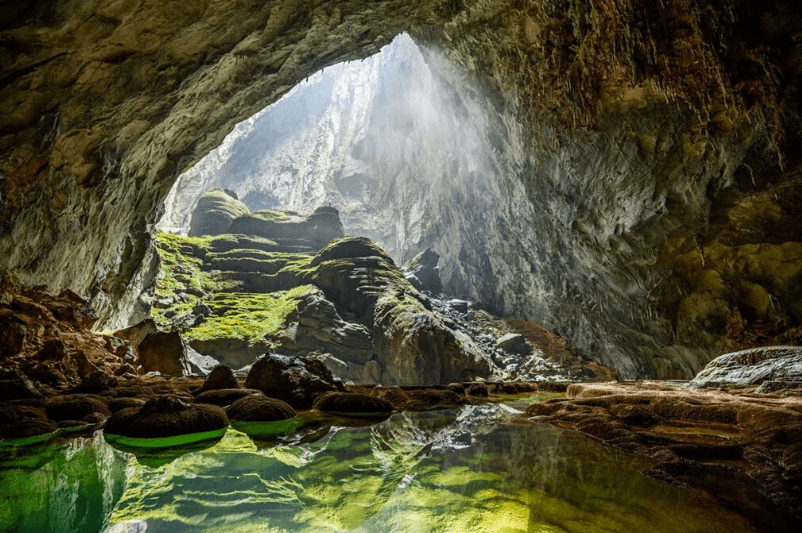
Hang Son Doong Cave
Location | Vietnam | ||||||||
|---|---|---|---|---|---|---|---|---|---|
Length | 9.4 km | ||||||||
Width | 175 m | ||||||||
Height | 503 m | ||||||||
Hang Son Doong is a cave located within the boundaries of Phong Nha-Ke Bang National Park in Quang Binh Province, Vietnam, and is recognized as the largest natural cave in the world. With a volume of 38.5 million cubic meters, it was officially certified by Guinness World Records in 2013.
Cave was discovered in 1990 by a local farmer named Ho Khanh while seeking shelter from a storm during a hunting expedition in the Phong Nha forest. However, due to the challenging terrain conditions its location was forgotten until it was rediscovered in 2009 by a team led by British caver Howard Limbert, who then conducted a detailed mapping of the site.
The name "Son Doong" consists of two words: "Son" means "mountain" while "Doong" is the name of the valley where the cave is located. This valley is inhabited by the Bru Van Kieu ethnic minority and is the source of the Thuong River. Additionally "Doong" also refers to a cave containing an underground river within limestone mountains.
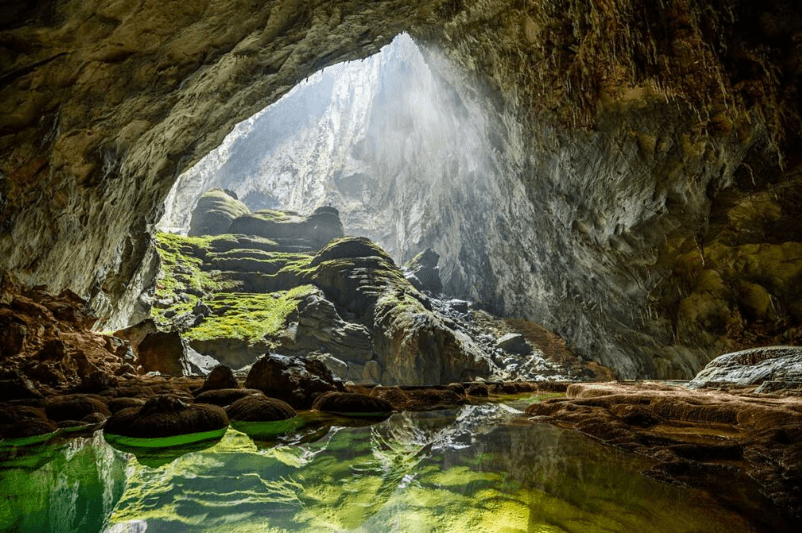
Hang Son Doong Cave (Source: Local Vietnam)
Hang Son Doong is larger and more unique than any other cave in the world in terms of size and internal structure.
This size makes it five times larger than Deer Cave in Malaysia, previously considered the world’s largest cave with a volume of 9.5 million m³. Inside, there are spaces wide enough to accommodate skyscrapers of up to 40 storeys.
One of the most remarkable features of Hang Son Doong is its own internal ecosystem and microclimate. The cave’s interior structure generates a unique air circulation and cloud formation due to rainwater seeping from above and air movement within the cave. This condition results in constantly changing atmospheric conditions inside the cave.
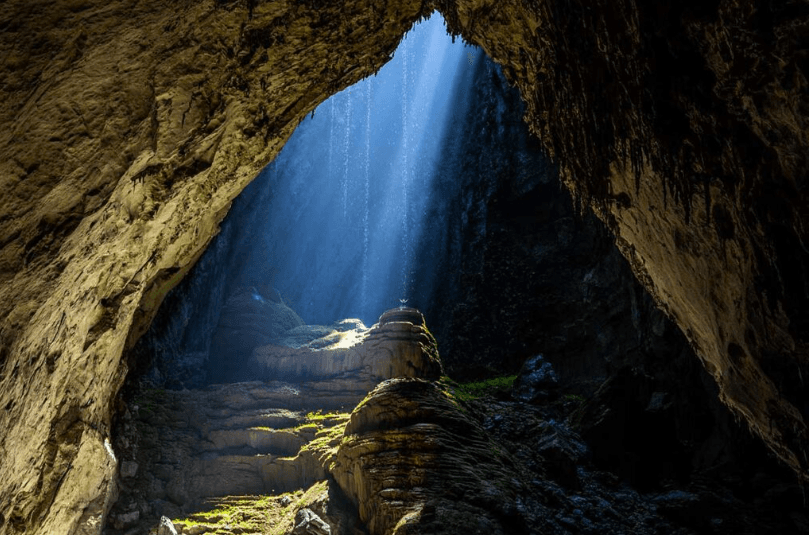
Hang Son Doong Cave (Source: Local Vietnam)
In addition to its immense size, Hang Son Doong contains unique natural formations found nowhere else. Among the most notable are:
Recognized by Guinness World Records in 2013 as the world’s largest natural cave, Hang Son Doong has become a major site of discovery for the scientific community and nature enthusiasts. However, due to its fragile ecosystem, the Vietnamese government permits only a limited number of visitors.
To reach Hang Son Doong, visitors must fly to Dong Hoi, the nearest city, and then travel by road to Phong Nha-Ke Bang National Park.
"Explore HangSon Erişim in Vietnam." Lonely Planet. Accessed January 3, 2025.
"SonErişim Adresi." Oxalis Adventure. Accessed January 3, 2025.Accessed Adresi.
Granger, D., Hieu, N., Limbert, D., Limbert, H., Phái, V. V., Bac, D. K., and Phuong, T. H. "The Discovery and Exploration of Hang Son Doong." Boletín Geológico y Minero 127, no. 1 (2016): 165-176.
Sürmeli, Bunyamin. "SonErişim Adresi ve Kendine Has Hava Sistemi." *Yacht Türkiye*. Accessed January 3, 2025.Accessed Adresi.

Hang Son Doong Cave
Location | Vietnam | ||||||||
|---|---|---|---|---|---|---|---|---|---|
Length | 9.4 km | ||||||||
Width | 175 m | ||||||||
Height | 503 m | ||||||||
No Discussion Added Yet
Start discussion for "Hang Son Doong Cave" article
Physical Characteristics
Ecosystem and Geological Structure
Unique Features of Hang Son Doong
Significance of Hang Son Doong in Terms of Exploration and Tourism