

Halifet Gazi Türbesi
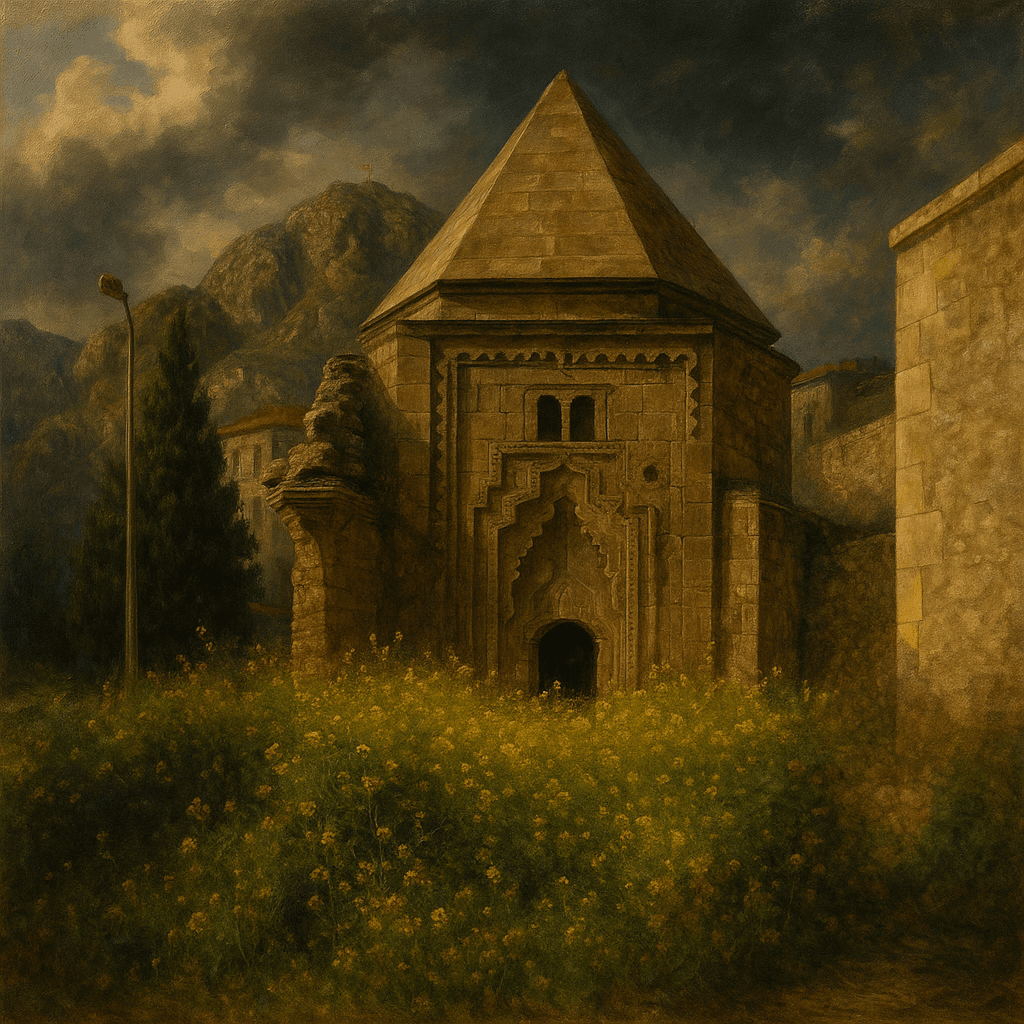
The Halifet Gazi Türbesi in Amasya is a Seljuk-era monument dating from the 13th century. The tomb takes its name from Halifet Gazi, a leader of the Danişmendids. Halifet Gazi served the Seljuks, became governor of Amasya in 1222, and later held office in Erzurum. Upon his death during a campaign in 1232, his body was brought to Amasya and buried in the tomb he had commissioned.
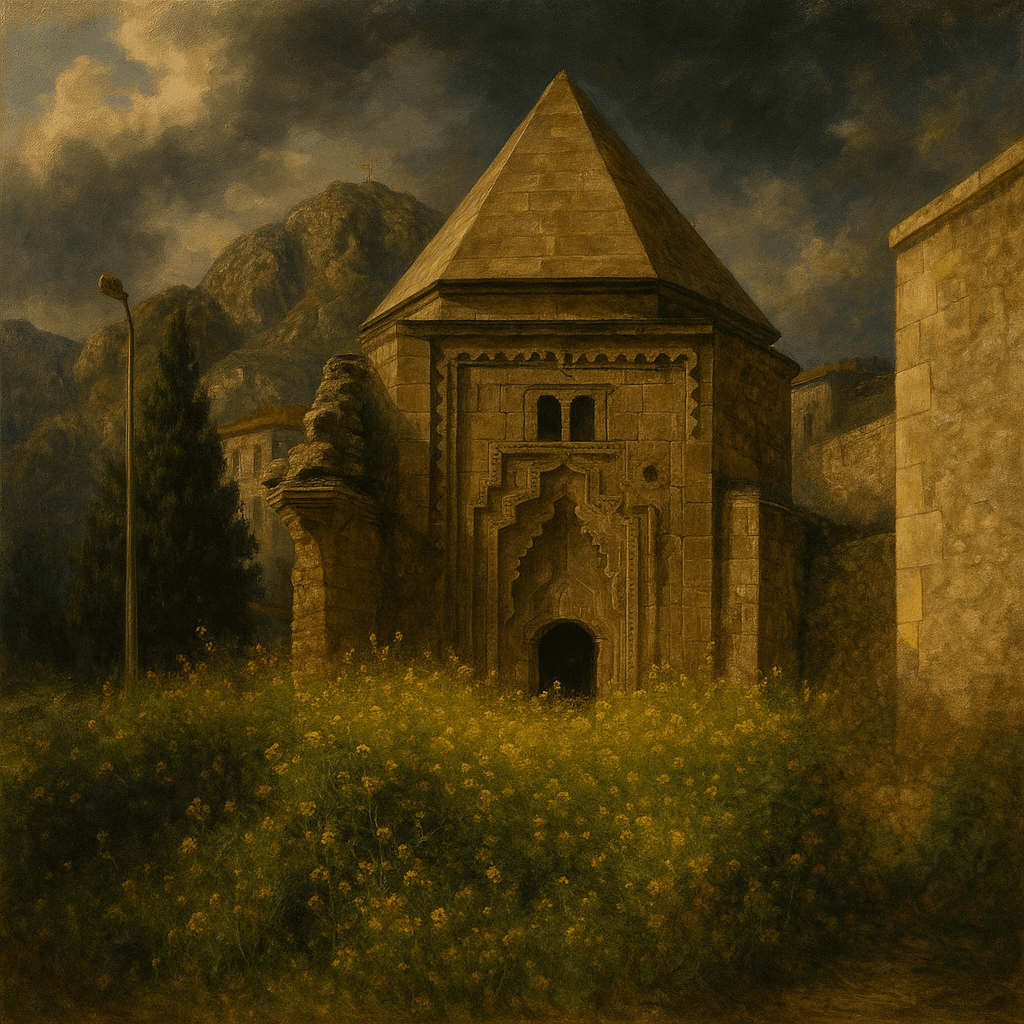
(Generated by Artificial Intelligence)
Architectural Features of the Tomb
The tomb is notable for its square base, octagonal body and pyramidal cupola structure. The lower level of the two-story tomb serves as the burial chamber, containing a sarcophagus from the Roman period made of marble. This sarcophagus is adorned with winged figures, ram heads and decorative motifs.
The most ornate part of the tomb is the entrance portal on the south façade, which features zigzag patterns, rosettes and geometric designs. The other façades are more modest. The tomb’s windows vary in form: round-arched windows are found on the east side and flat-arched windows on the west side.
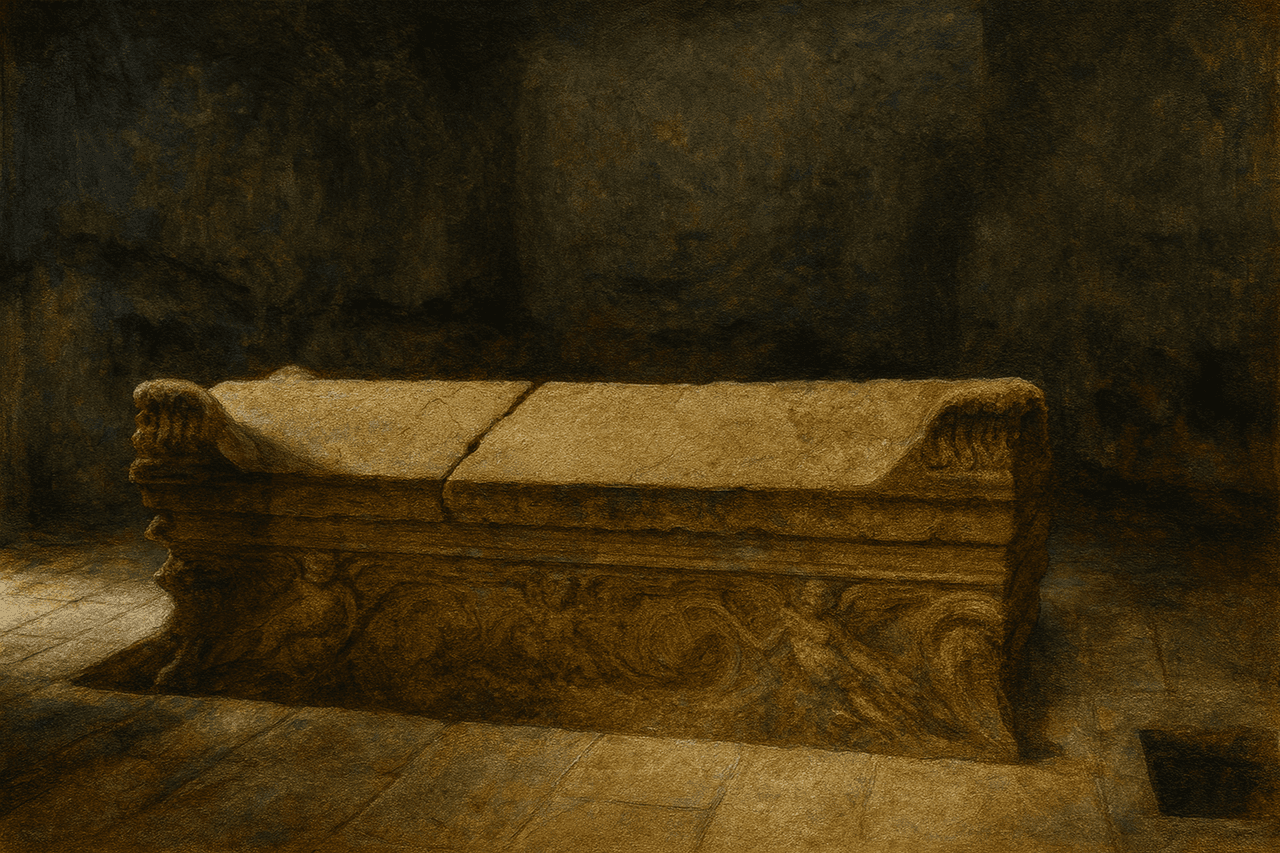
(Generated by Artificial Intelligence)
History and Location
The Halifet Gazi Türbesi is located in the city center of Amasya, in the Şamice Mahallesi neighborhood. It was built adjacent to a medrese bearing the same name. Research indicates that the tomb was constructed during the same period as the medrese, namely between 1209 and 1210. This underscores its status as one of the significant monuments of the Seljuks in Anatolia.