

`amasya` Related Article Results
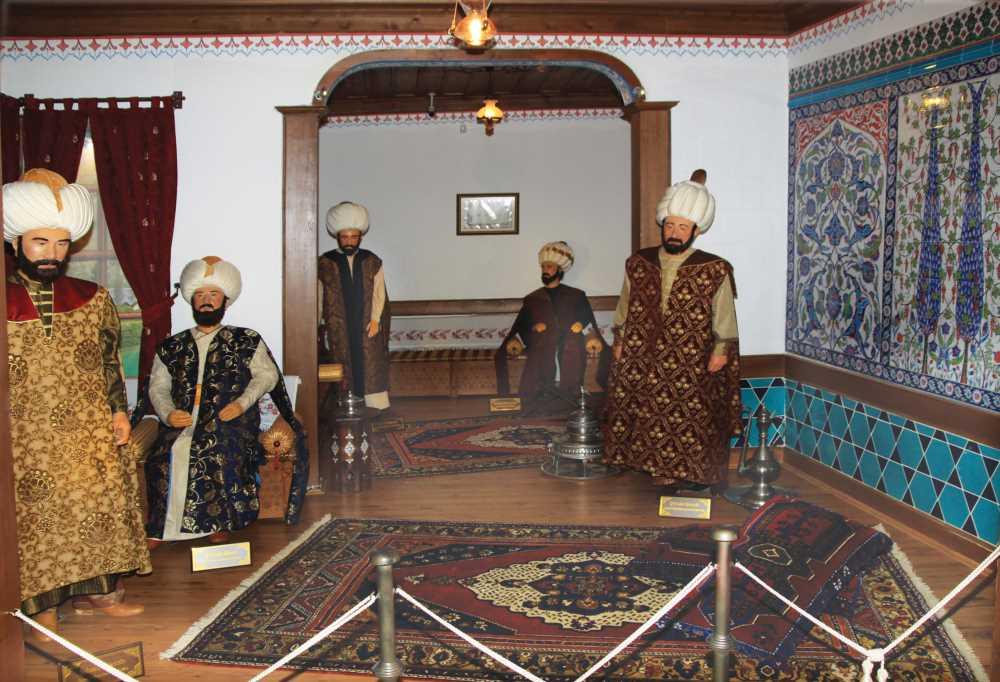
Museum of Princes
The Princes’ Museum is located in the Hatuniye Neighborhood of Amasya Province, on the banks of the Yeşilırmak River, built atop the remnants of the old city walls. The museum is housed in one of the Yalıboyu houses, constructed in the 1800s and demolished in 1986. It was reconstructed in 2007 according to its original design by the Amasya Governorate and opened to the public in 2008. The museum presents the princely history of the OttomanEmpire and its sultans during that period. The Princes’ M
EN
Ahsen Güneş
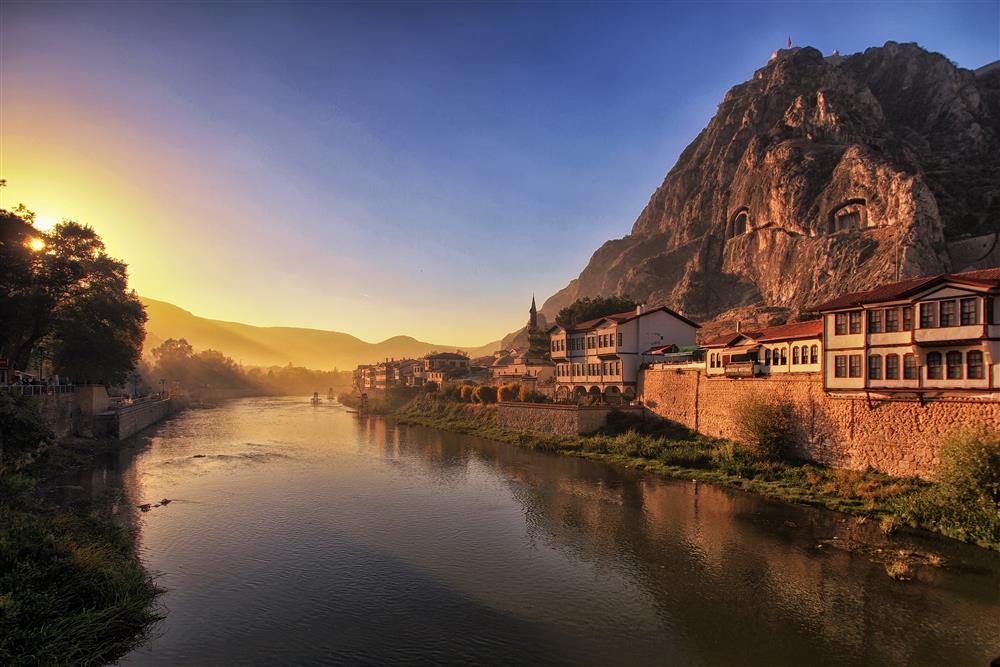
Amasya Yalıboyu Houses
Amasya Yalıboyu Houses are among the most historic and cultural structures in Black Sea Region province of place in Türkiye, located along the Amasya area. These traditional Ottoman-era houses, aligned along the banks of the Yeşilırmak River, attract attention with their architectural design and historical fabric. (Hakan USLU, Yalıboyu Sunset). " image-alternate="" image-element-format="right"> History and Architectural Features Amasya Yalıboyu Houses belong to a category of traditional Turki
EN
Yusuf Bilal Akkaya

Snow Rolls
Snow rolls is a rare natural phenomenon in which a layer of snow, under the influence of wind and specific meteorological and surface conditions, rolls and forms cylindrical structures. These structures arise when snow detaches from the surface and rotates around its own axis, typically resulting in hollow centers. Their sizes can range from a few centimeters to several meters in length. Factors influencing the formation of snow rollers include the physical properties of the snow, temperature, w
EN
Buket Yavuz
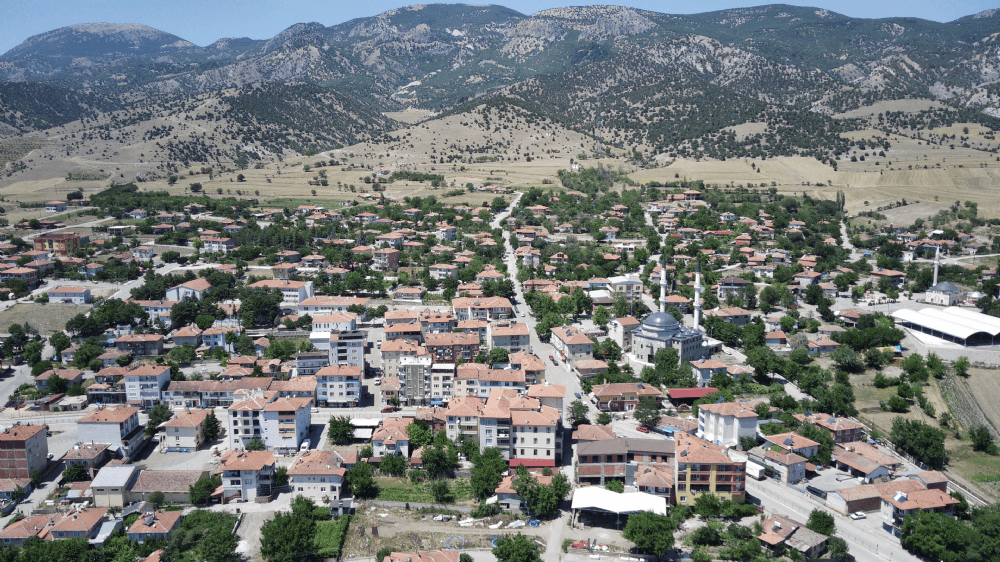
Göynücek (District)
Göynücek is a district located in the southwest of Amasya, within the Çekerek River Valley, known for its economy based on agriculture and livestock farming. The district’s natural and historical fabric has been shaped by settlements such as Gökçeli Castle, Ilısu Hot Springs, Gediksaray and Ayvalıpınar mounds. History The earliest settlement traces in Göynücek date back to the Chalcolithic Age (5500–3000 BCE), evidenced by the Ayvalıpınar and Gediksaray mounds. During the Middle Bronze Age (2500
EN
Emre Zengin
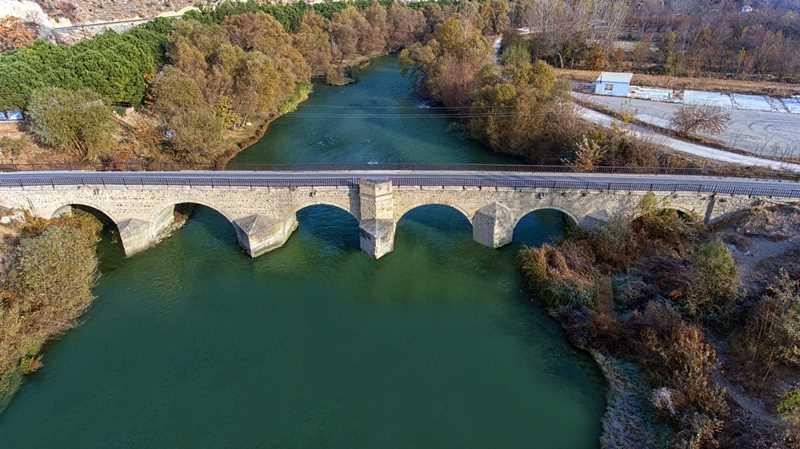
Çağlayan Bridge (İltekin Gazi Bridge)
Çağlayan Köprüsü is located within the boundaries of the central district of Amasya in Türkiye’s Black Sea Region. It is approximately 5–6 kilometres from the city centre of Amasya. The bridge is situated on the Tokat highway, at the junction of the 15th Infantry Training Brigade Command and in the Eryatağı area of Helvacı Mahallesi. The bridge spans the Yeşilırmak River. Historical and Construction Information The exact date of construction and the patron of Çağlayan Köprüsü are not definitivel
EN
Bilge Öztürk
Gümüşhacıköy (District)
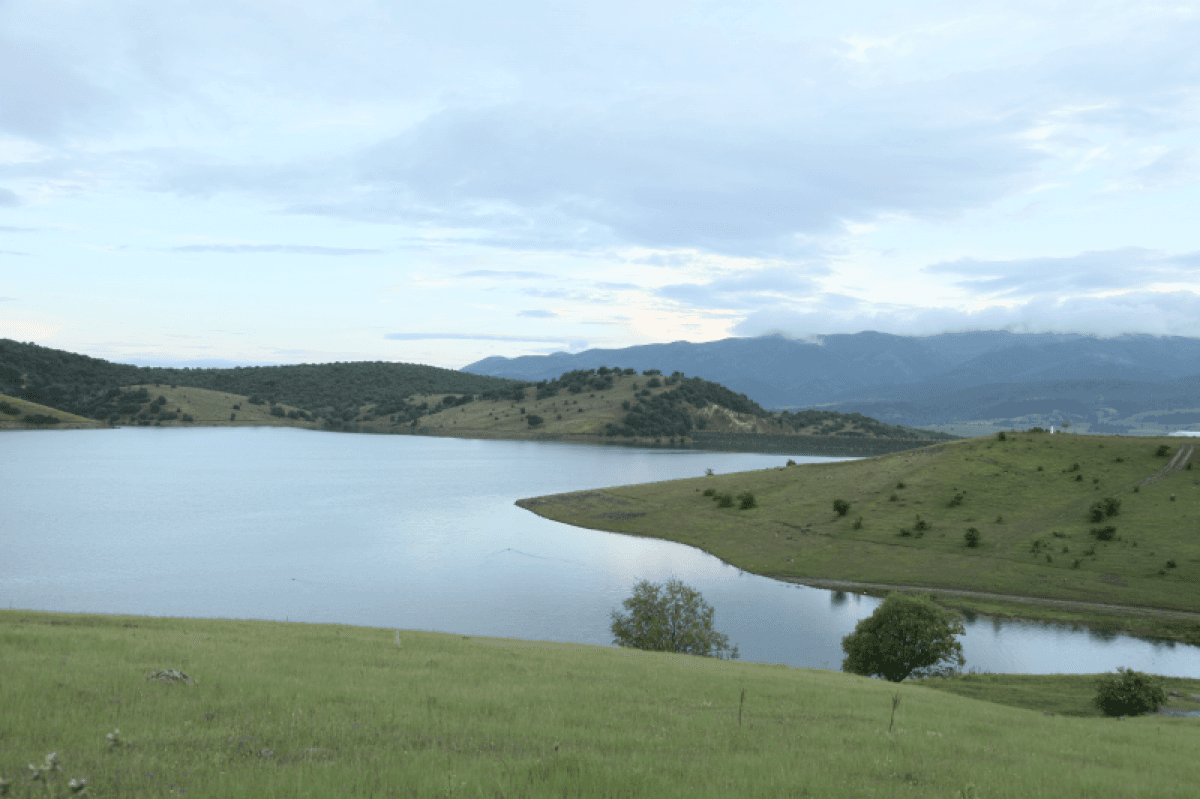
Gümüşhacıköy is a district located west of Amasya. Agriculture and small-scale industrial activities are carried out in the district. A portion of the population lives in rural areas. The district is home to a number of historical buildings. Gümüşhacıköy (Gümüşhacıköy Municipality) History Gümüşhacıköy was formed by the merger of two separate settlements—Gümüş and Hacıköy—that took their name from the silver mines in the region since the Early Bronze Age. Intense mining activity continued in Güm
ENEmre Zengin
 Çe
ÇeÇelebi Mehmet Medresesi
Çelebi Mehmet Medresesi is a square-plan, four-iwan, open-court madrasa built in the early 15th century in the Merzifon district of Amasya Province, Türkiye, under the orders of Ottoman sultan Çelebi Sultan Mehmed. It continues the Seljuk architectural tradition and stands as one of the distinguished and monumental examples of early Ottoman madrasa architecture. The building is also known as the Sultaniye Medresesi. History Construction of the madrasa began in 817 AH (1414 CE) and was completed
EN
Meltem Saraç
Gediksaray Weave
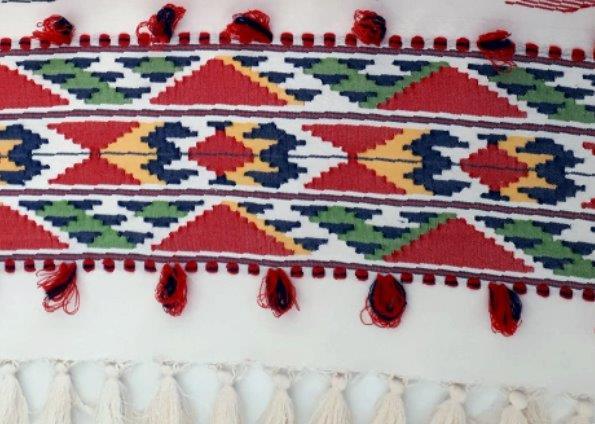
Gediksaray Weaving is a traditional handwoven textile unique to the province of Amasya. Registered on 19 July 2023 under Application No. 6769 of the Industrial Property Law, this product is a traditional textile bearing a geographical indication. The registration was carried out by the Amasya Chamber of Commerce and Industry, and the weaving is associated with the province of Amasya due to its historical and cultural ties within its geographical boundaries. Distinguishing Features and Product Va
EN
Elif Laçin
Yassıhal Çuha Dokuması
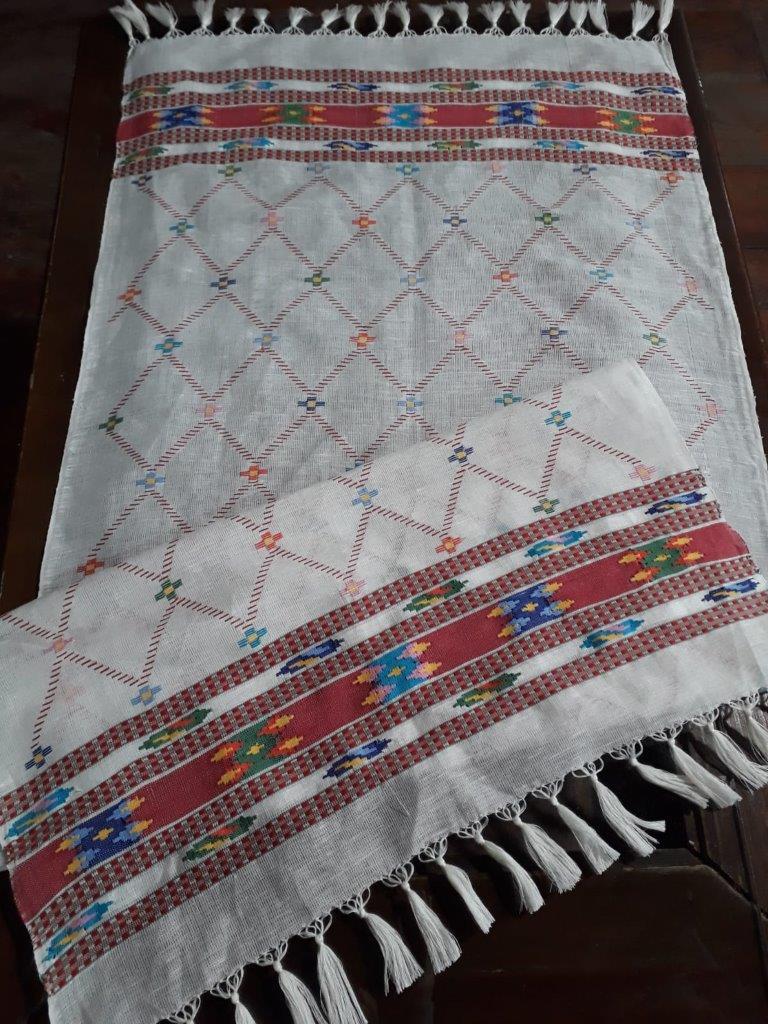
Yassıçal Çuha Weaving is a textile product that has developed within the local production tradition based on weaving in the province of Amasya. This type of weaving, characterized by its distinctive color and motif structure, has been registered under geographical indication protection. The product reflects historical weaving techniques and region-specific production methods. Geographical Context and Reputation Yassıçal Çuha Weaving is directly linked to the historical economic and cultural heri
ENElif Laçin

Amasya Meat with Flower Okra Dish
Amasya etli çiçek bamyası yemeği is a traditional dish specific to the province of Amasya in Türkiye and is protected under the Industrial Property Law No. 6769 as a geographical indication. The product, applied for on 9 March 2021, was officially registered on 22 November 2021 by the Yeşilırmak Basin Development Union. The geographical indication aims to safeguard the unique components and production methods of Amasya’s culinary culture. Product Characteristics This dish is prepared by cooking
ENElif Laçin