


This article was automatically translated from the original Turkish version.
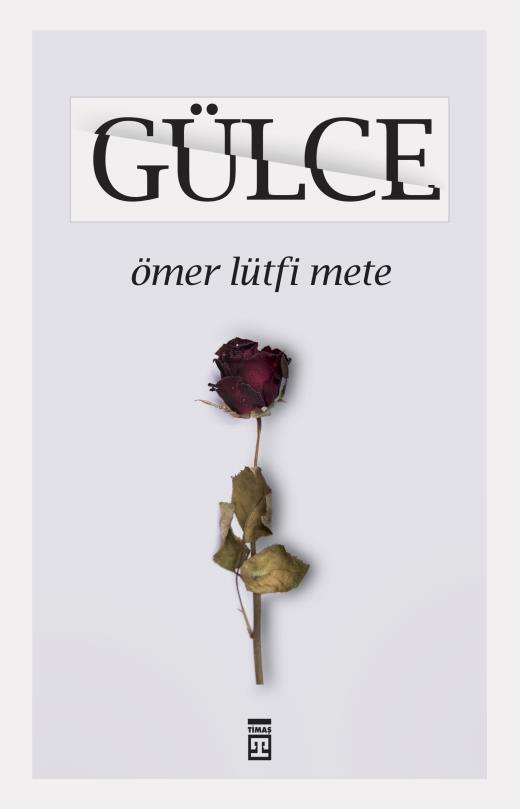
Gülce (Book)
Author | Ömer Lütfi Mete | ||||||||
|---|---|---|---|---|---|---|---|---|---|
Publisher | Timaş Yayınları | ||||||||
First Edition | 2007 | ||||||||
Ömer Lütfi Mete has brought together the poems he published in various newspapers and magazines in this book. The work, first published in 2007, is divided into three main sections: “Leyla Bahsi,” “Dünya Bahsi,” and “Mevla Bahsi.” The Leyla Bahsi section contains 10 poems, the Dünya Bahsi section contains 46 poems, and the Mevla Bahsi section contains 26 poems, making a total of 82 poems. Additionally, the first poem in the Leyla Bahsi section, titled “Gülce,” is the poem that gives the book its name.
Gülce is built around profound themes such as love, patriotism, faith, and Sufism. The poems explore both personal emotions and social critiques. Mete’s Sufi dimension is particularly evident through his metaphorical expressions. He strives to create a unique language by blending elements of classical literature with modern narrative styles. His verses also draw attention through their exploration of the individual’s inner world, the nobility of love, and humanity’s confrontation with itself. In short, Gülce is a collection of poems written within the framework of religious and national sentiment.
Following the publication of his poems, many of Ömer Lütfi Mete’s poems have been set to music. The following poems from this book have been composed: “Yusuf İdim Davut Oldum,” “Yiğidi Gül Ağlatır,” “Bu Şehir Girdap Gülüm,” “Şehidin Destanı,” “Üç Ayak Bir Şafak,” “Gülün Bittiği Yer,” and “Olmaz Olsun.” The poems “Üç Ayak Bir Şafak,” “Gülün Bittiği Yer,” and “Yiğidi Gül Ağlatır” were composed by Osman Öztunç, Haluk Levent, and Fatih Kısaparmak respectively, and are performed by the same artists.【1】
Ömer Lütfi Mete is understood to strive for a simple yet deeply meaningful narrative. His verses, constructed with simple but symbolically powerful imagery, aim to evoke strong emotional responses in readers.
Moreover, his poems occasionally adopt an epic narrative style. Themes of heroism, sacrifice, and struggle lend a distinctive characteristic to Mete’s poetry. At the same time, his melancholic and sorrowful lines also address individual suffering.
Mete, Ömer Lütfi. Gülce. İstanbul: Timaş Yayınları, 2020.
Yerli Düşünce. "Ömer Lütfi Mete ve Eserleri." Accessed March 12, 2025.https://www.yerlidusunce.com/omer-lutfi-mete-ve-eserleri/
Yeşilçiçek, Vedat, and Hasan Hüseyin Gök. "Gazeteci, Roman-Öykü Yazarı, Senarist Kimliklerinin Yanı Sıra Mistik Bir Şair Olarak: Ömer Lütfi Mete." Karabük Üniversitesi Sosyal Bilimler Enstitüsü Dergisi 9, no. 1 (2019): 160-175.
[1]
Yeşilçiçek, Vedat, ve Hasan Hüseyin Gök. “Gazeteci, Roman-Öykü Yazarı, Senarist Kimliklerinin Yanı Sıra Mistik Bir Şair Olarak: Ömer Lütfi Mete.” Karabük Üniversitesi Sosyal Bilimler Enstitüsü Dergisi 9, no. 1 (2019): 167.

Gülce (Book)
Author | Ömer Lütfi Mete | ||||||||
|---|---|---|---|---|---|---|---|---|---|
Publisher | Timaş Yayınları | ||||||||
First Edition | 2007 | ||||||||
Content and Themes
Language and Style