


This article was automatically translated from the original Turkish version.
+2 More
Guarda
Country | Portugal | ||||||||
|---|---|---|---|---|---|---|---|---|---|
Region | Central Region | ||||||||
Administrative Status | Provincial capital | ||||||||
Area | Approximately 716 square kilometers | ||||||||
Elevation | 1,056 meters (Portugal's highest-elevation city) | ||||||||
Population (2021) | 42,000 | ||||||||
Establishment | 1199, by King Sancho I | ||||||||
Climate | cold and snowy winters hot and dry summers Temperate | ||||||||
Notable Structures | Guarda Cathedral Torre dos Ferreiros City walls | ||||||||
Natural Areas | Serra da Estrela National Park | ||||||||
Economic Activities | Granite quarries Agriculture Livestock Textile Tourism | ||||||||
Local Products | Local wines Serra da Estrela cheese Goat meat | ||||||||
Cultural Events | Augusto Gil Museum Ciclo Jazz da Guarda | ||||||||
Historical Features | Important Jewish community and strategic defensive city in the Middle Ages | ||||||||
Guarda is the highest-altitude city in Portugal, situated at an elevation of 1,056 metres on the northeastern slopes of the Serra da Estrela mountains. Throughout its history it has served as a strategic border town and is noted for its rich cultural heritage and natural beauty.
Guarda was founded in 1199 by King Sancho I of Portugal as a defensive outpost against Muslim incursions on the Iberian Peninsula. The city bears traces from Roman Visigothic and Muslim periods. During the Middle Ages it hosted an important Jewish community that contributed to the city’s economy and culture. However in the 15th century under the influence of the Inquisition Jews were either forced to convert to Christianity or leave the city. Today the crosses carved on doorways of houses in the former Jewish quarter bear witness to this era.
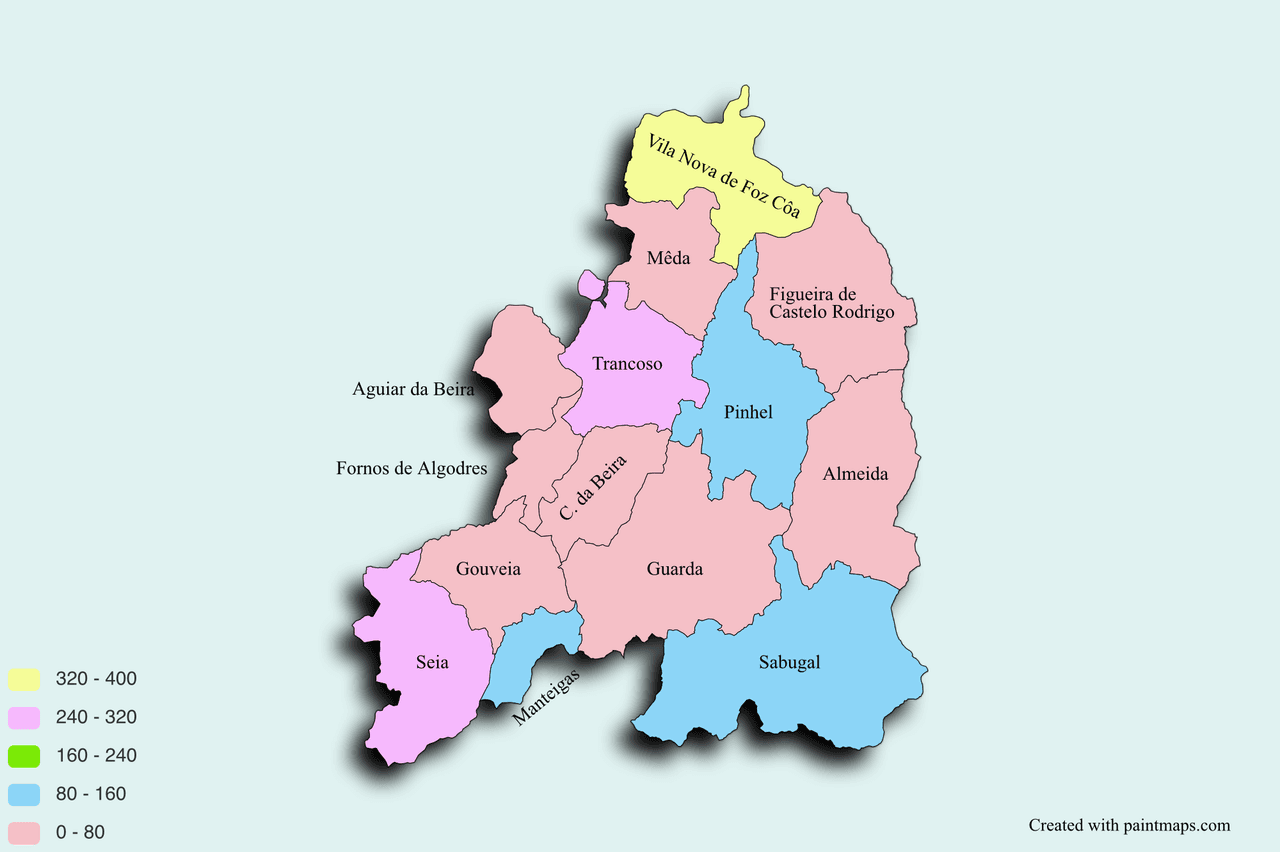
Map of Portugal (Paintmaps.com)
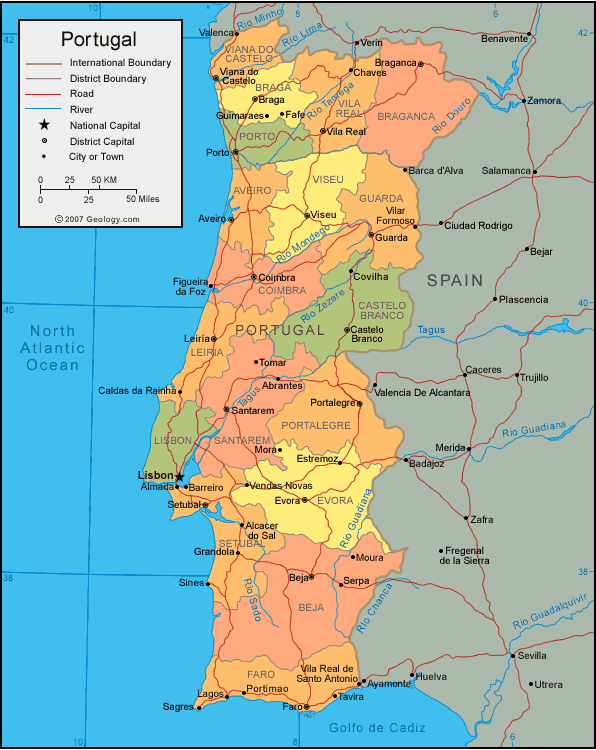
Guarda is located in the interior of Portugal at the foot of the Serra da Estrela mountains. The city lies in a region traversed by the Douro Mondego and Zêzere rivers. The surrounding granite formations and historic villages are characteristic features of the area.
Guarda has a temperate climate. Winters are cold and snowy while summers are warm and sunny. The annual average temperature is approximately 11.15°C. The hottest months are July and August with average temperatures around 25°C. The annual average rainfall is 880 mm with December being the wettest month.
Guarda has a population of approximately 42,000. The city has an aging population with young people migrating to larger cities in search of employment and educational opportunities. However in recent years renewed interest from younger residents has emerged due to the growth of tourism and cultural events.
Guarda’s economy is based on agriculture livestock farming and tourism. Granite quarries and textile workshops also contribute to economic activity. Additionally goat cheese and wine production in the Serra da Estrela region support the local economy.
Guarda attracts tourists with its historic structures and natural beauty. Key landmarks include the 14th century Gothic cathedral the old city walls and the Torre dos Ferreiros. The Serra da Estrela National Park is an ideal destination for hiking and winter sports.
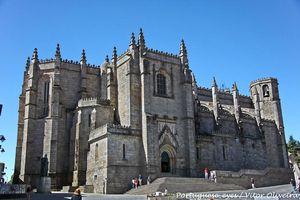
Cathedral de Guarda (Portugaltravel.com)
Guarda possesses a rich cultural heritage. The Ciclo Jazz da Guarda festival brings together music lovers. The Augusto Gil Museum is dedicated to one of the city’s renowned poets.
Guarda’s cuisine is distinguished by meat dishes and local produce. Francesinha (a sandwich made with meat and cheese) goat meat dishes and chouriço (Portuguese sausage) are among the region’s culinary highlights. Additionally Serra da Estrela cheese and local wines are essential components of the local cuisine.
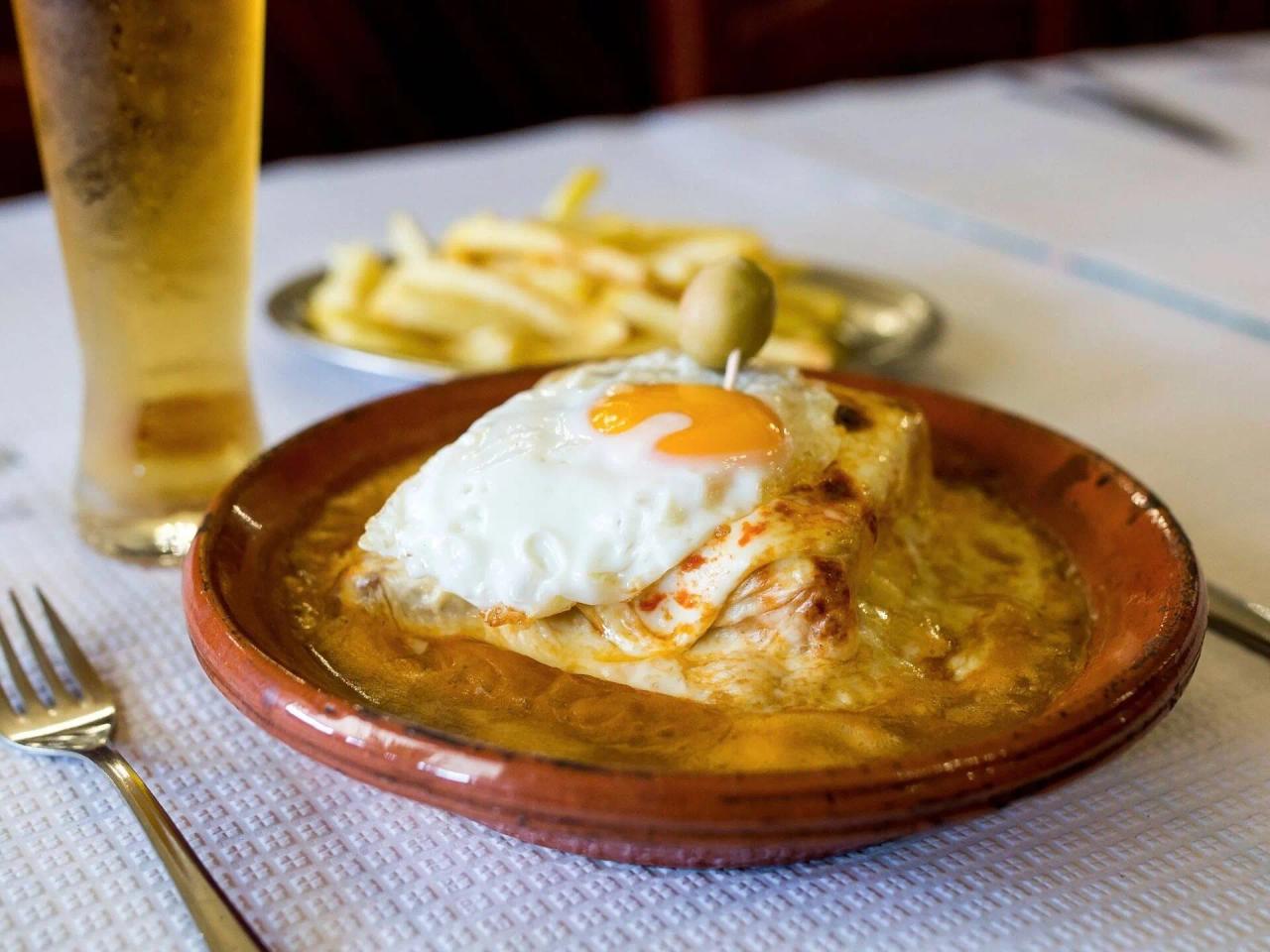
Francesinha (Timeout.com)
Center of Portugal. “Guarda.” Accessed April 17, 2025.https://www.centerofportugal.com/destination/guarda
Climates to Travel. "Guarda Climate: Weather by Month, Temperature, Rain." Accessed April 17, 2025.https://www.climatestotravel.com/climate/portugal/guarda
Portugal Travel Guide. "The City of Guarda." Accessed April 17, 2025.https://portugaltravelguide.com/guarda-portugal
Portugal Visitor. "Guarda Guide." Accessed April 17, 2025.https://www.portugalvisitor.com/portugal-city-guides/guarda-guide
Portugal.com. "Guarda." Accessed April 17, 2025.https://www.portugal.com/city/guarda
Visit Portugal. "Guarda." Accessed April 17, 2025.https://www.visitportugal.com/en/node/132866

Guarda
Country | Portugal | ||||||||
|---|---|---|---|---|---|---|---|---|---|
Region | Central Region | ||||||||
Administrative Status | Provincial capital | ||||||||
Area | Approximately 716 square kilometers | ||||||||
Elevation | 1,056 meters (Portugal's highest-elevation city) | ||||||||
Population (2021) | 42,000 | ||||||||
Establishment | 1199, by King Sancho I | ||||||||
Climate | cold and snowy winters hot and dry summers Temperate | ||||||||
Notable Structures | Guarda Cathedral Torre dos Ferreiros City walls | ||||||||
Natural Areas | Serra da Estrela National Park | ||||||||
Economic Activities | Granite quarries Agriculture Livestock Textile Tourism | ||||||||
Local Products | Local wines Serra da Estrela cheese Goat meat | ||||||||
Cultural Events | Augusto Gil Museum Ciclo Jazz da Guarda | ||||||||
Historical Features | Important Jewish community and strategic defensive city in the Middle Ages | ||||||||
History
Geography
Climate
Population and Demographics
Economy
Tourism
Culture
Gastronomy