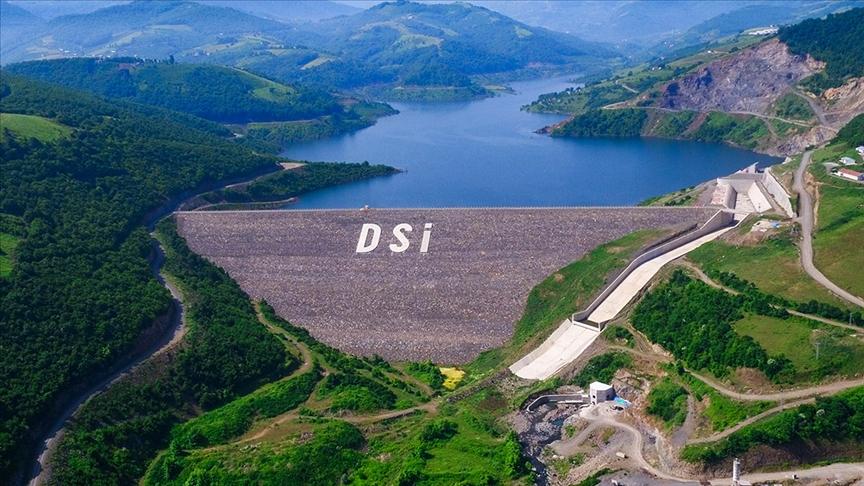
This article was automatically translated from the original Turkish version.
+2 More
Year of Establishment | 1954 | ||||||||
|---|---|---|---|---|---|---|---|---|---|
Center | Ankara | ||||||||
Affiliated Ministry | Ministry of Agriculture and Forestry | ||||||||
Purpose of Establishment | To make water and soil resources available for use in accordance with science and technology | ||||||||
First General Director | Hikmet Turat | ||||||||
Current General Director | Mehmet Akif Balta (since 2022) | ||||||||
The General Directorate of State Hydraulic Works (DSİ) is a public legal entity with a special budget, headquartered in Ankara, responsible for the planning, management, development, and operation of all water resources in Türkiye. Since 15 July 2018, it has been operating under the Ministry of Agriculture and Forestry.
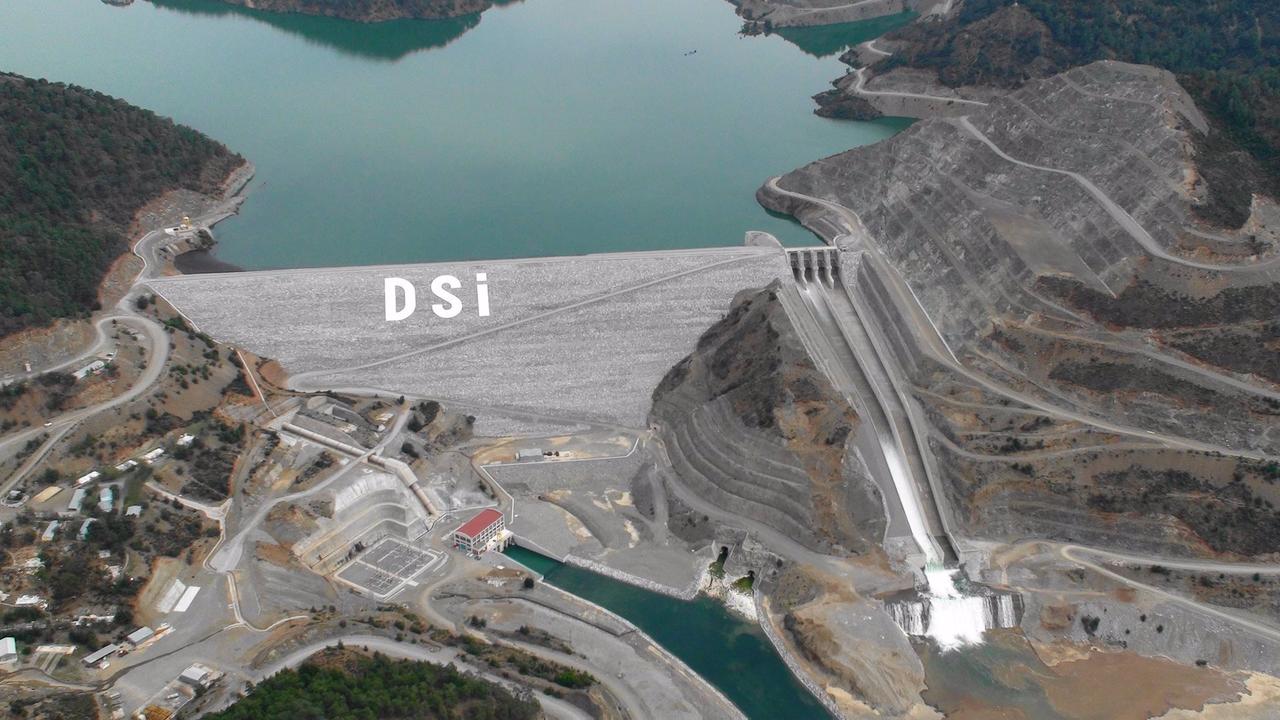
Akköprü Dam and HES (DSİ)
The institution’s mission is defined as making the country’s water and land resources available for use in accordance with science and technology, while developing them based on environmental awareness and sustainability principles. Its vision is to be a leading institution in the conservation, development, and management of water resources.
During the Ottoman period, the construction of water infrastructure was carried out by foundations, which limited large-scale dam and irrigation projects. After the proclamation of the Republic, the need for organized water management led to the establishment of the General Directorate of Public Works in 1914 through the reorganization of the Ministry of Public Works, which assumed primary responsibilities such as irrigation, drainage, flood protection, and water distribution.
In 1925, the Directorate of Water Engineering was established, and water directorates were opened in Bursa, Adana, Ankara, Edirne, and İzmir. However, due to insufficient funding and drought, expected productivity was not achieved. The Law on Waters, enacted in 1926, increased the importance of water management, especially in light of the severe droughts between 1926 and 1928. Subsequently, in 1929, the General Directorate of Waters was established, making flood protection, marsh drainage, and irrigation projects top priorities. Projects such as the Çubuk-1 Dam in Ankara, the reclamation of the Bursa Plain, and the drainage of the Tarsus Aynaz marsh were implemented.
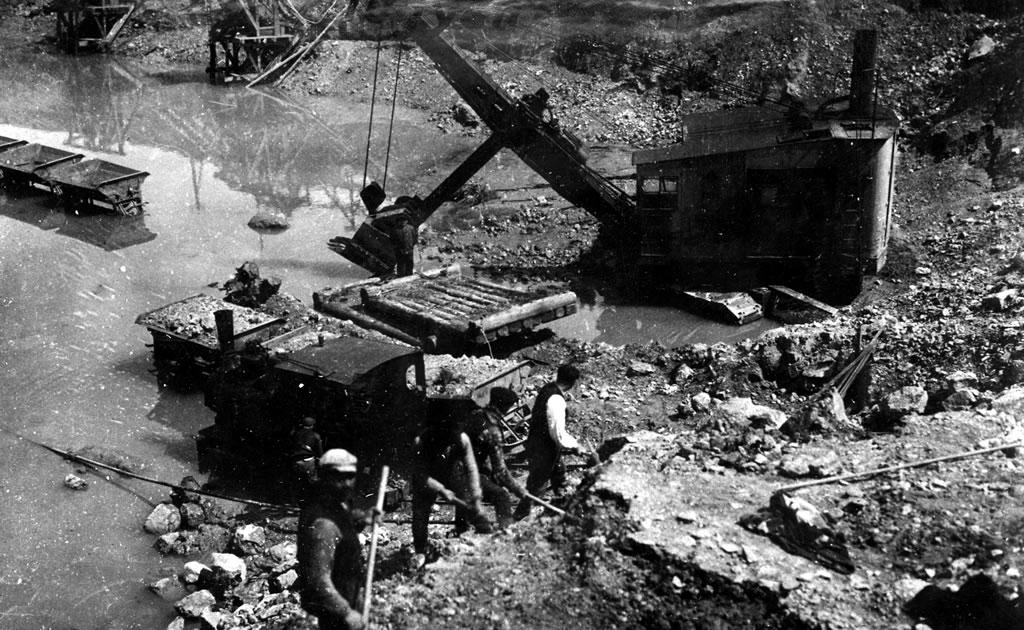
Construction of Çubuk-1 Dam (DSİ)
In 1937, the institution’s name was changed to Chief Directorate of Water Works, accelerating dam and irrigation projects. In 1939, it was attached to the Ministry of Public Works. Its mandate was expanded by the Law on Protection Against Floods and Water Surges enacted in 1943 and the Law on the Drainage of Marshes enacted in 1950, laying critical institutional groundwork for the eventual establishment of DSİ.
The General Directorate of State Hydraulic Works was formally established on 28 February 1954 by Law No. 6200, adopted on 18 December 1953, as a legally autonomous entity with an augmented budget under the Ministry of Public Works. The institution modeled itself after the U.S. Bureau of Reclamation, and its engineers drew on its knowledge and experience. The first regional directorates were opened in Adana, Bursa, Samsun, İzmir, and Antalya, with a total of 12 regional directorates and 26 chief engineer offices becoming operational. The first General Director of DSİ was Hikmet Turat, followed by Süleyman Demirel.
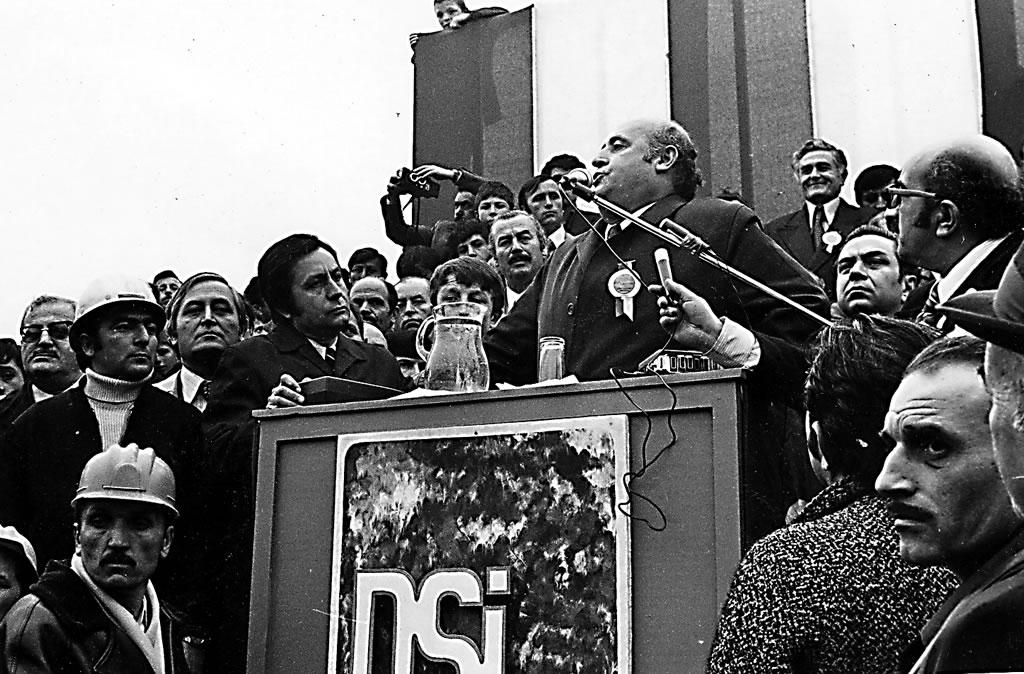
Ceremony for the Foundation of Suat Uğurlu Dam (DSİ)
With the enactment of Law No. 7478 on Village Drinking Water in 1960, responsibility for village drinking water supply was transferred to DSİ, but this duty was transferred to the Ministry of Village Affairs in 1964. Subsequently, Law No. 1053, effective in 1968, assigned DSİ responsibility for drinking and industrial water supply in Ankara, İstanbul, and cities with populations exceeding 100,000. From the 1970s onward, DSİ assumed planning and implementation roles in large-scale projects aligned with Türkiye’s development goals, such as the Southeastern Anatolia Project (GAP), making significant contributions in irrigation, energy production, and regional development.
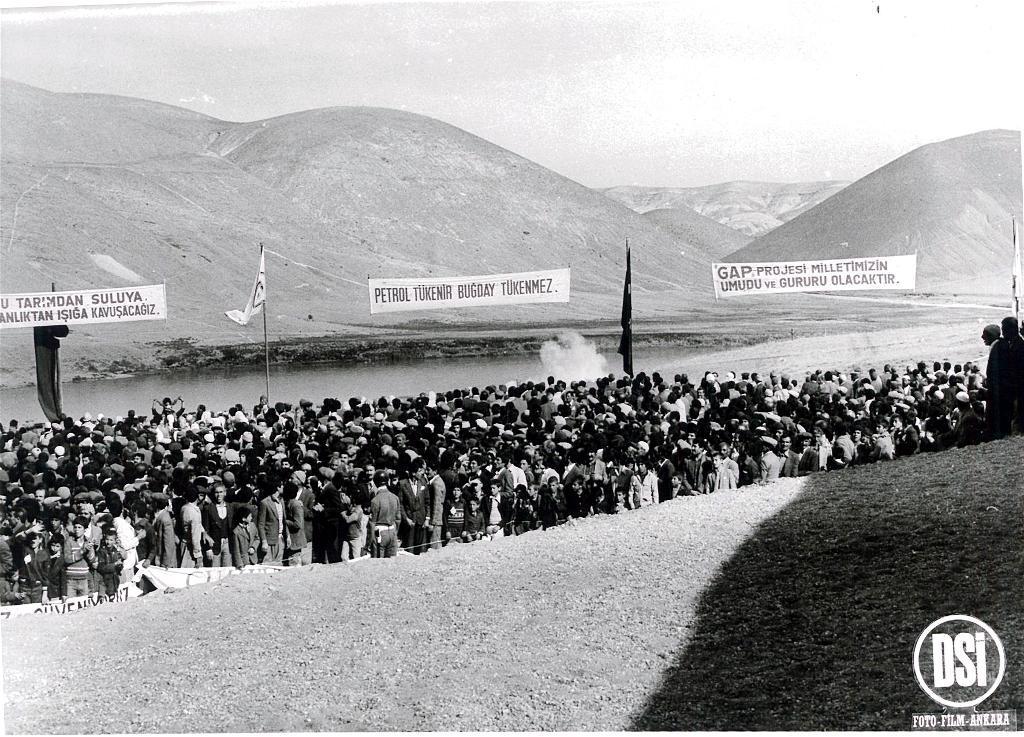
Ceremony for the Foundation of Atatürk Dam (DSİ)
After 1980
In 1981, the Istanbul Water and Sewerage Administration (İSKİ) was established, leading to the transfer of water and sewerage services in major cities to municipal authorities. In 1986, with World Bank-supported projects, operational and maintenance responsibilities for irrigation facilities began to be transferred to irrigation associations, promoting a participatory local governance model. During the 1990s, the “build-operate-transfer” model increased the private sector’s role in energy investments, pushing public projects to a secondary priority.
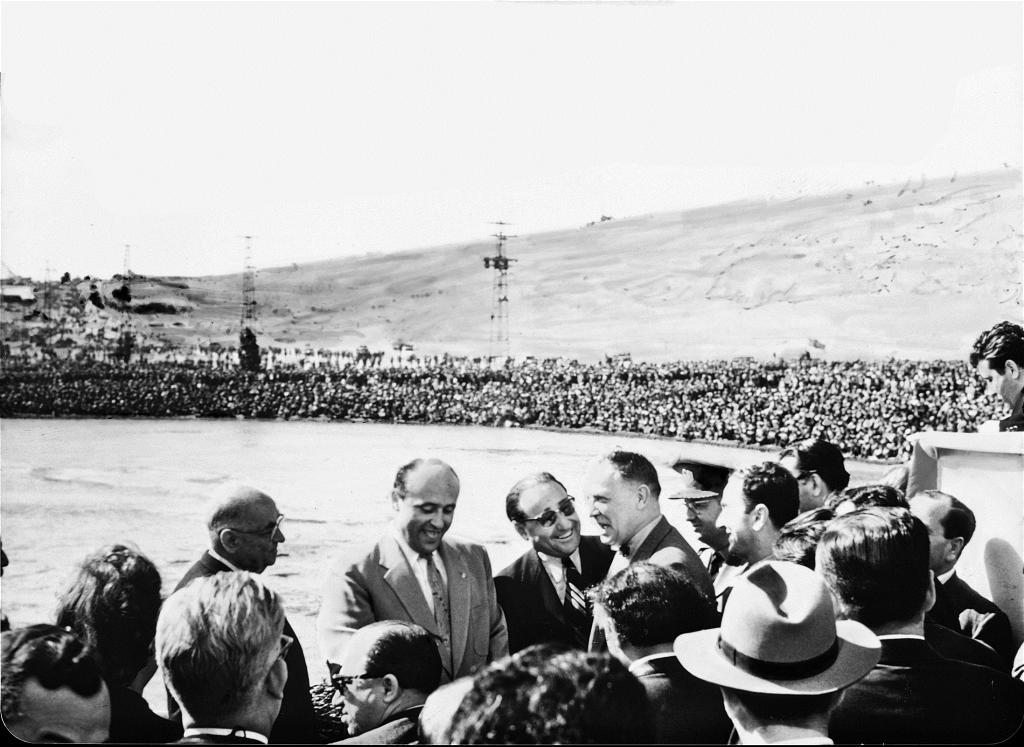
Inauguration of Seyhan Dam (DSİ)
With Law No. 5018 on Public Financial Management and Control enacted in 2003, DSİ’s financial system was integrated into the general budget, marking a major structural change. Law No. 5625, enacted in 2007, removed population thresholds, bringing drinking and industrial water supply for all municipalities under DSİ’s mandate. In 2011, DSİ was attached to the newly established Ministry of Forest and Water Affairs, and in 2018, by Presidential Decree, it was defined as a special budget entity under the Ministry of Agriculture and Forestry.
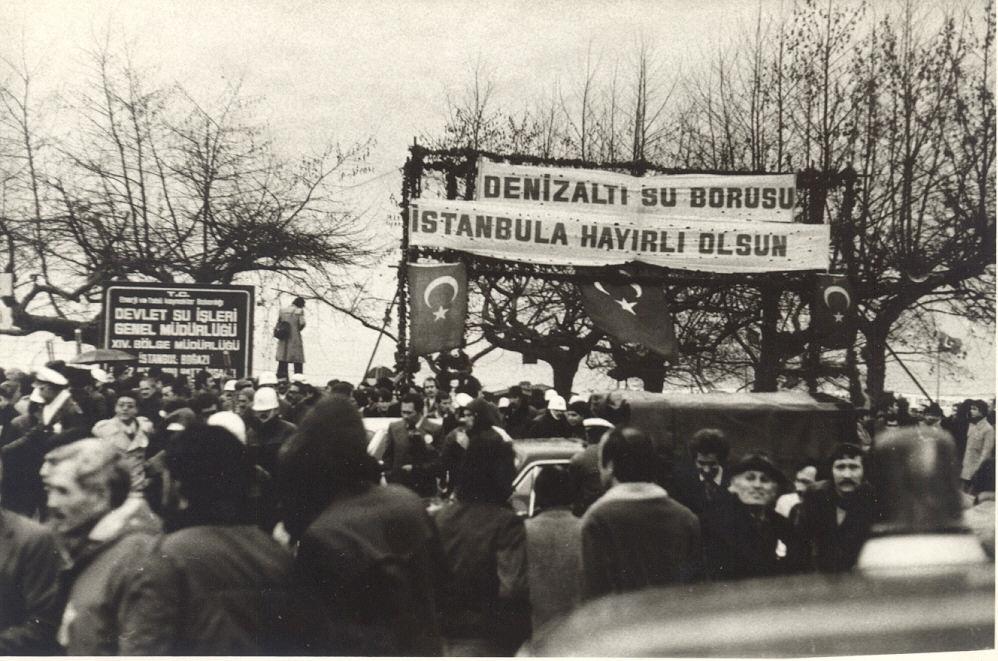
Water Pipe Ceremony (DSİ)
DSİ has a three-tiered organizational structure:
As an overseas entity, it maintains a provisional project directorate in the Turkish Republic of Northern Cyprus.
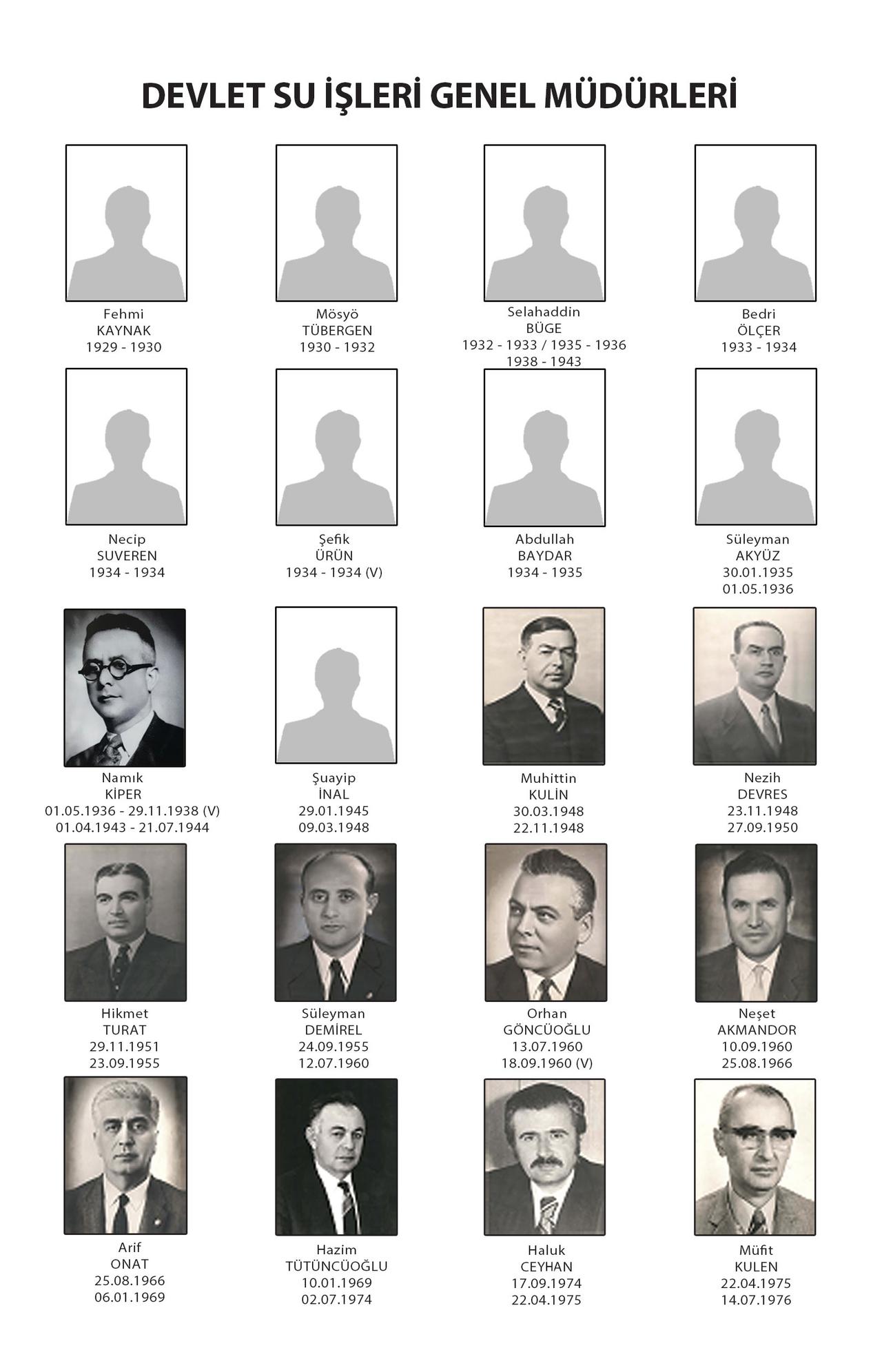
DSİ General Directors (DSİ)
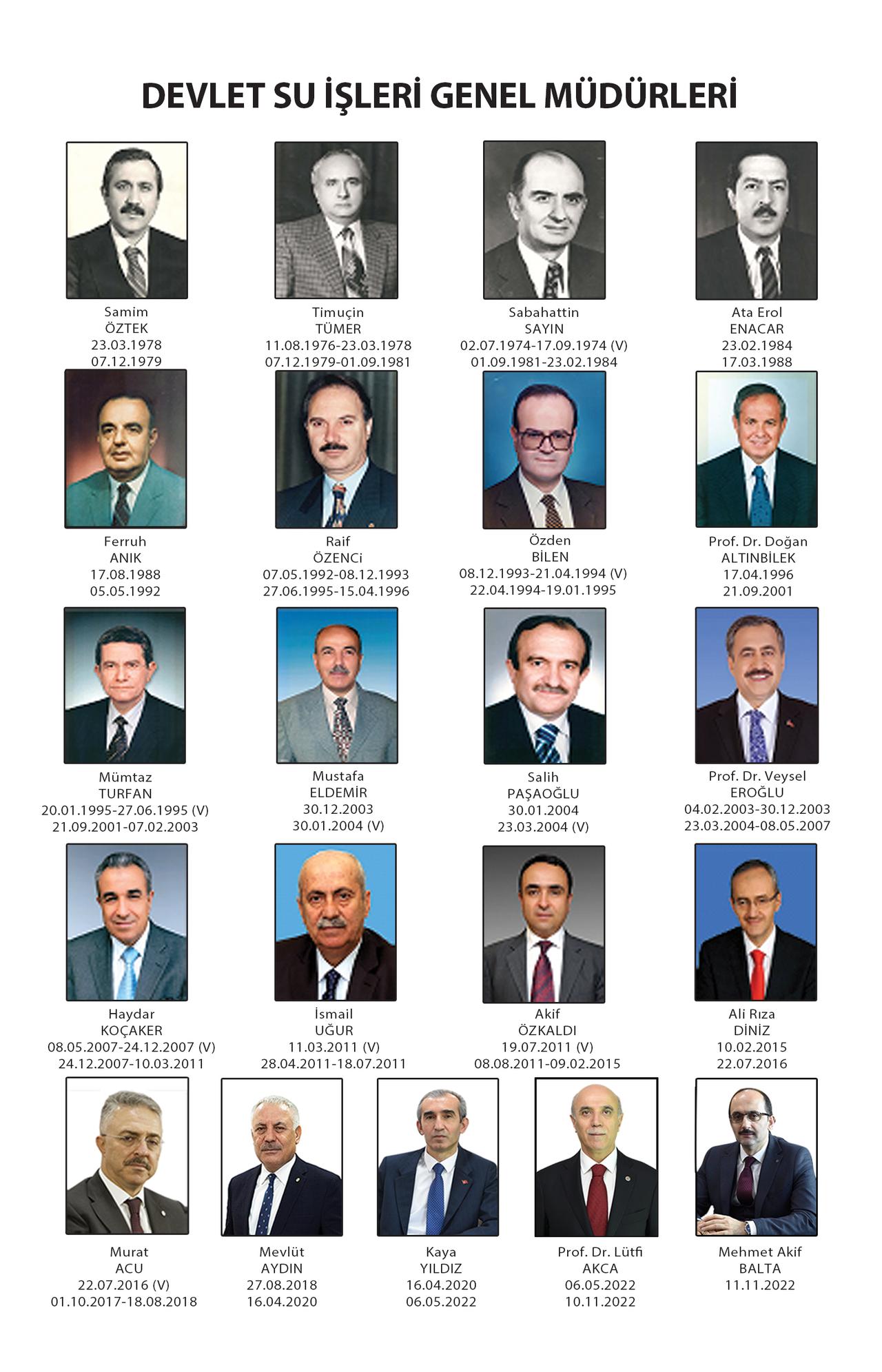
Minister of Agriculture and Forestry: İbrahim Yumaklı
Deputy Minister: Ebubekir Gizligider
DSİ General Director: Mehmet Akif Balta
Deputy General Directors:
Mehmet Akif Balta, born in 1975 in Trabzon, completed his primary education at Akçaabat Central Primary School and his secondary and high school education at Akçaabat İmam Hatip High School. He graduated from the Faculty of Civil Engineering at Karadeniz Technical University in 1997, worked briefly in the private sector, and completed his compulsory military service in Erzurum in 1999.
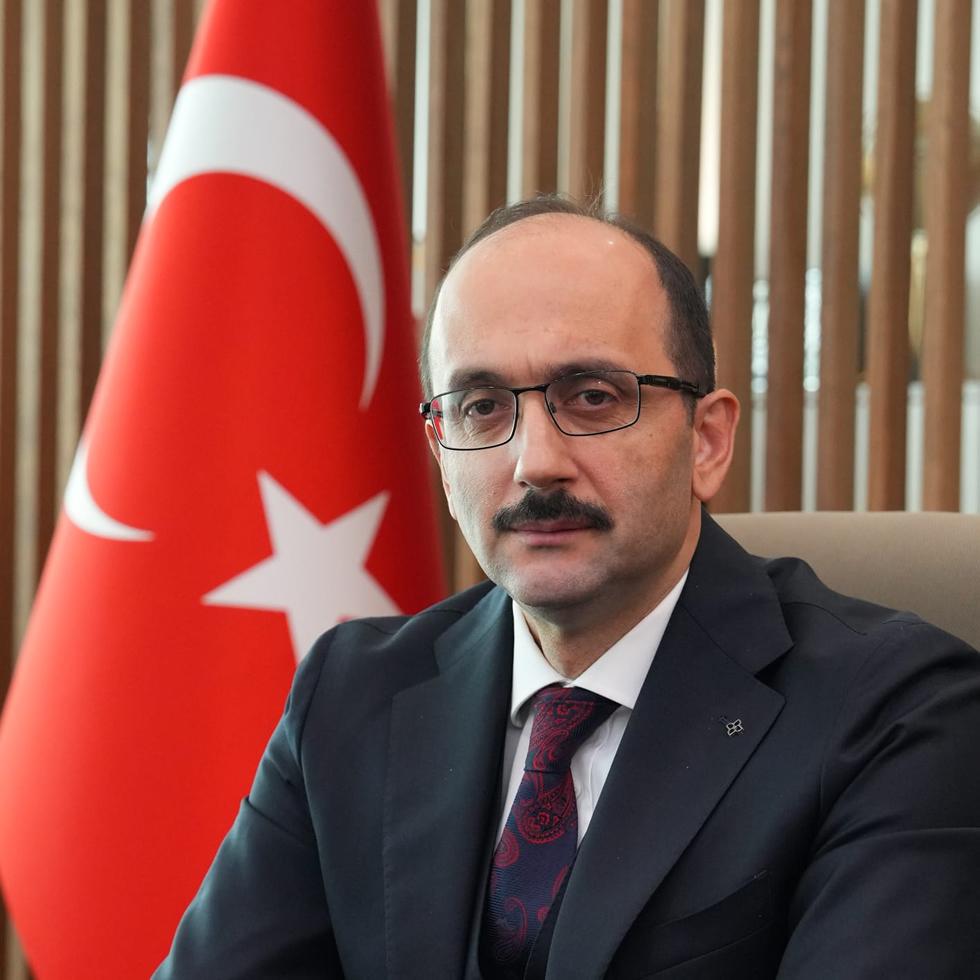
Mehmet Akif Balta (DSİ)
Balta began his career at DSİ on 18 July 2000 as an engineer at the Çoruh Projects 26th Regional Directorate. From 2000 onward, he held various positions within the institution, including engineer, branch director, deputy regional director, and regional director. On 29 July 2021, he was appointed Deputy General Director and has been serving as DSİ General Director since 2022.
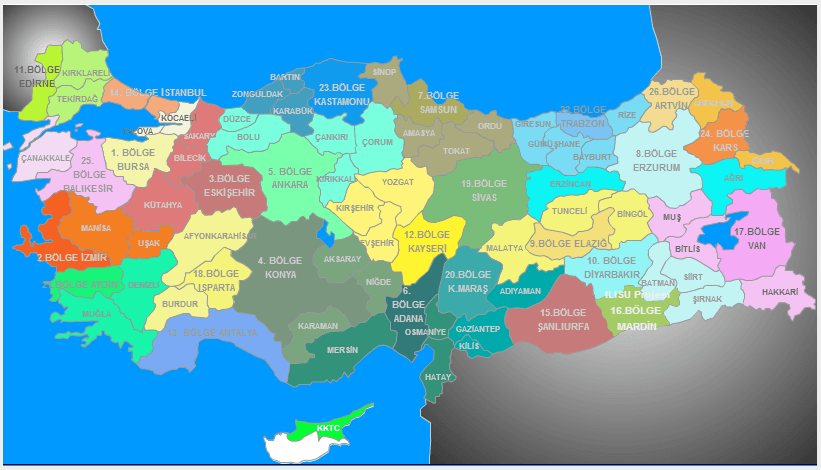
DSİ Regional Map (DSİ)
DSİ’s responsibilities are defined by law:
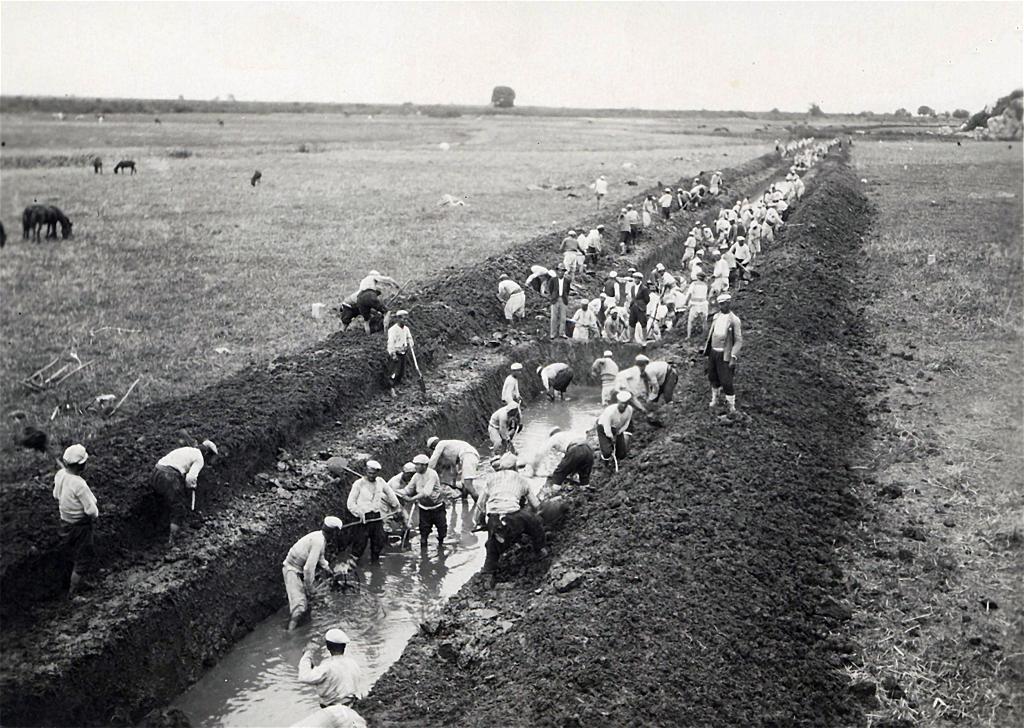
Kırkgözler Drainage Works (Antalya - 1958) (DSİ)
In its early years, the General Directorate of State Hydraulic Works employed a total of 213 technical staff. By 1968, the number of engineers had risen to 2,006 and technical personnel to 1,417, significantly expanding the institution’s technical capacity. In 2005, total personnel numbered 27,900; by the end of 2012, this had declined to 19,387, representing a reduction of approximately 30 percent. 【1】
In 2018, Law No. 696 converted many staff to contractual positions, leading to a renewed increase in personnel numbers. For many years, DSİ functioned as a “school” in engineering, sending its staff abroad to acquire technical knowledge and experience.
In addition to its work on water resource management and development, the General Directorate of State Hydraulic Works produces various publications to support scientific and technical knowledge generation. These publications serve as guides for engineers and specialists within the institution and contribute to public awareness and academic discourse on water management.
DSİ Technical Bulletins are a key publication that disseminates papers on fundamental and applied engineering topics related to water. Papers are first reviewed and evaluated by subject experts, then decided upon for publication based on the opinion of the Peer Review Board. All or most of these papers must not have been previously published elsewhere. Since September 2016, the DSİ Technical Bulletin has been indexed by the international database provider EBSCO, integrating it into the global academic network.
In addition, Su Dünyası Magazine is a publication that informs the public about current developments, projects, and research related to water resources and management.
Cartographic Statistical Bulletins present data on DSİ’s projects and water resources in visual and statistical formats.
One of the institution’s most important reference books is the Guide to Water Resource Planning. First prepared in 1958 as the “Instructions on Determining Project Principles” by the Directorate of Studies, Planning, and Allocation, this guide was later updated and published. The Guide to Water Resource Planning serves as a foundational reference for engineers involved in planning, outlining core principles for the effective and sustainable management of water resources.
To provide employees and their families with opportunities for sporting activities, the General Directorate of State Hydraulic Works initiated efforts that led to the founding of the Ankara DSİ Youth and Sports Club Association. A decision made at a small meeting extended sports and social activities not only to DSİ personnel and their families but also to children and relatives of staff in surrounding institutions. This promoted the productive use of leisure time, the development of physical, intellectual, and moral capacities, and the emergence of a distinct DSİ identity. In 1960, the Ankara DSİ Youth and Sports Club Association was officially established and, despite limited resources, grew rapidly to 700 members.
Since its founding in 1960, the Ankara DSİ Sports Club has continuously gained new athletes and sustained the DSİ spirit. DSİ Sports supports the physical, intellectual, and moral development of employees, their families, and surrounding communities by providing opportunities for sports and social activities, strengthening solidarity based on ethical and humanitarian values.
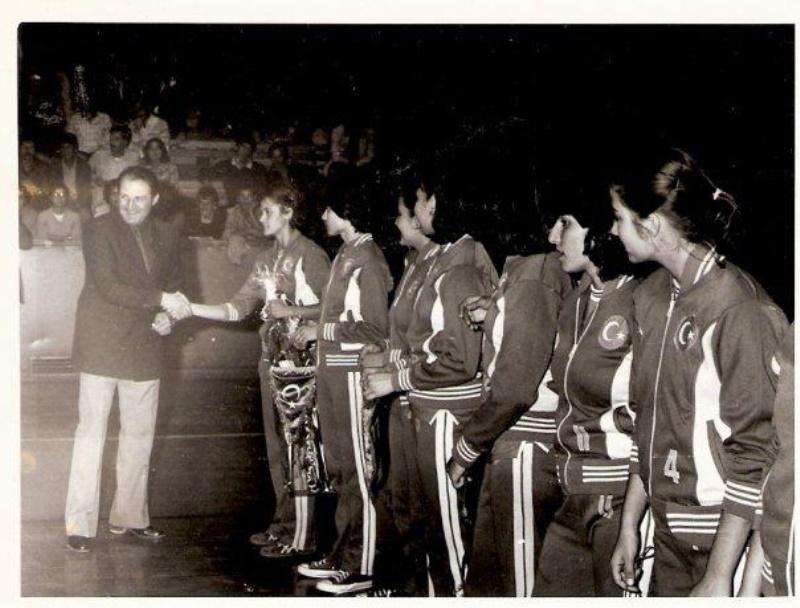
Female Athletes of DSİ Sports Club (DSİ Spor)
The State Hydraulic Works Foundation commenced operations on 29 January 2004 with an initial capital of 70,000,000 TL, allocated by its founding members in accordance with the Turkish Civil Code. The foundation’s charter was registered with the General Directorate of Foundations following the notarial act of the 37th Notary Office in Ankara on 6 April 2004 and the ruling of the 23rd Civil Court of First Instance. 【2】 The foundation’s official name is “State Hydraulic Works Foundation”, with the short name “DSİ Foundation”. Its headquarters are in Ankara, and it may open branches in locations deemed necessary with the approval of the General Directorate of Foundations.

Foundation Logo (DSİ Vakfı)
The foundation charter consists of 171 articles. Based on these provisions, the following regulations have been prepared:
The foundation operates according to three primary objectives:
The foundation’s income consists of donations, returns from capital investments, revenues from social and cultural activities, income from the operation of movable and immovable assets, revenues from facilities operated directly or through subsidiaries, publication sales, income from camps and social facilities, and other miscellaneous sources.
The Board of Trustees is the highest governing body of the foundation, consisting of 208 members. Its responsibilities include electing members of the Management and Supervisory Boards, approving activity reports and budgets, deciding on facility establishment, and implementing charter amendments and dissolution procedures. The Board of Trustees convenes at least once a year.
The Management Board consists of nine full members and nine alternate members elected by the Board of Trustees. The president is chosen from among the members and serves as the foundation’s general chairman for a one-year term. Responsibilities include managing foundation affairs, preparing budgets and accounts, appointing and dismissing personnel, and drafting bylaws and regulations.
The Supervisory Board consists of a chairperson and four members elected by the Board of Trustees, along with five alternate members. It regularly audits the foundation’s accounts and operations, submitting reports to the Management Board every four months and to the Board of Trustees at year-end.
The Foundation Directorate comprises the Foundation Director, appointed by the Management Board, and administrative staff. The duties, authorities, and responsibilities of personnel are determined by regulation. The Foundation Director is accountable to the Management Board and operates in accordance with its decisions.
Akıllı, Hüsniye. "Devlet Su İşleri." Atatürk Ansiklopedisi. January 26, 2023. Accessed December 16, 2025.https://ataturkansiklopedisi.gov.tr/detay/963/Devlet_Su_%C4%B0%C5%9Fleri
Akıllı, Hüsniye. "Türkiye’de Su Yönetiminin Değişen Yüzü: Devlet Su İşleri Genel Müdürlüğü." Memleket Siyaset Yönetim 7, no. 18 (2012): 55–85. Accessed December 16, 2025.https://dergipark.org.tr/tr/download/article-file/2965233
Anadolu Ajansı. "DSİ 2 bin 5 sürekli işçi alacak." Accessed December 16, 2025.https://www.aa.com.tr/tr/gundem/dsi-2-bin-5-surekli-isci-alacak/2343169
Ankara DSİ Gençlik ve Spor Kulübü Derneği. "Tarihçe." Accessed December 16, 2025.https://www.dsispor.org.tr/13/tarihce
Devlet Su İşleri Genel Müdürlüğü. "DSİ Genel Müdürü Mehmet Akif BALTA." Accessed December 16, 2025.https://www.dsi.gov.tr/Sayfa/Detay/712
Devlet Su İşleri Genel Müdürlüğü. "Nostalji Resimleri." Accessed December 16, 2025.https://www.dsi.gov.tr/Galeri/ResimGaleriDetay/616
Devlet Su İşleri Vakfı. "Vakfın Amaçları ve Yapabileceği Tasarruflar." Accessed December 16, 2025.http://www.dsivakfi.org.tr/suvakif_amac.htm
Devlet Su İşleri Vakfı. "Vakfın Gelirleri, Hesap Dönemi, Üyelik." Accessed December 16, 2025.http://www.dsivakfi.org.tr/suvakif_gelir.htm
Devlet Su İşleri Vakfı. "Vakıf Kuruluş." Accessed December 16, 2025.http://www.dsivakfi.org.tr/suvakif_kurucu.htm
Devlet Su İşleri Vakfı. "Vakıf Organları ve Görevleri." Accessed December 16, 2025.http://www.dsivakfi.org.tr/kurul_organ.htm.
Devlet Su İşleri Vakfı. "Vakıf Senedi." Accessed December 16, 2025.http://www.dsivakfi.org.tr/suvakif_senet.htm
General Directorate of State Hydraulic Works. "Bölgelerimiz." Accessed December 16, 2025.https://www.dsi.gov.tr/Sayfa/Detay/717
General Directorate of State Hydraulic Works. "DSİ Teknik Bulletin." Accessed December 16, 2025.https://dsiteknikbulteni.dsi.gov.tr/
General Directorate of State Hydraulic Works. "Hakkımızda." Accessed December 16, 2025.https://www.dsi.gov.tr/Sayfa/Detay/692
General Directorate of State Hydraulic Works. "Management." Accessed December 16, 2025.https://www.dsi.gov.tr/Sayfa/Detay/693.
General Directorate of State Hydraulic Works. "Yayınlarımız." Accessed December 16, 2025.https://www.dsi.gov.tr/Sayfa/Detay/765
State Hydraulic Works General Directorate. "Baraj Resimleri." Accessed December 16, 2025.https://cdniys.tarimorman.gov.tr/api/File/GetGaleriFile/425/ResimGaleri/608/0/akkoprubarajivehes.jpg.
[1]
Hüsniye Akıllı, "Devlet Su İşleri," Atatürk Ansiklopedisi, 26 Ocak 2023, erişim 16 Aralık 2025, https://ataturkansiklopedisi.gov.tr/detay/963/Devlet_Su_%C4%B0%C5%9Fleri.
[2]
Devlet Su İşleri Vakfı. "Vakıf Kuruluş." Erişim 16 Aralık 2025. http://www.dsivakfi.org.tr/suvakif_kurucu.htm.

Year of Establishment | 1954 | ||||||||
|---|---|---|---|---|---|---|---|---|---|
Center | Ankara | ||||||||
Affiliated Ministry | Ministry of Agriculture and Forestry | ||||||||
Purpose of Establishment | To make water and soil resources available for use in accordance with science and technology | ||||||||
First General Director | Hikmet Turat | ||||||||
Current General Director | Mehmet Akif Balta (since 2022) | ||||||||
No Discussion Added Yet
Start discussion for "General Directorate of State Hydraulic Works" article
Historical Development
Ottoman Era and Early Republic Years
Establishment of DSİ
1960–1980 Period
Organizational Structure
Management
General Director
Regions
Responsibilities and Authority
Personnel and Institutional Memory
Publications
DSİ Youth and Sports Club Association
Current Status
State Hydraulic Works Foundation
Foundation Charter and Regulations
Objectives
Income Sources
Foundation Bodies