

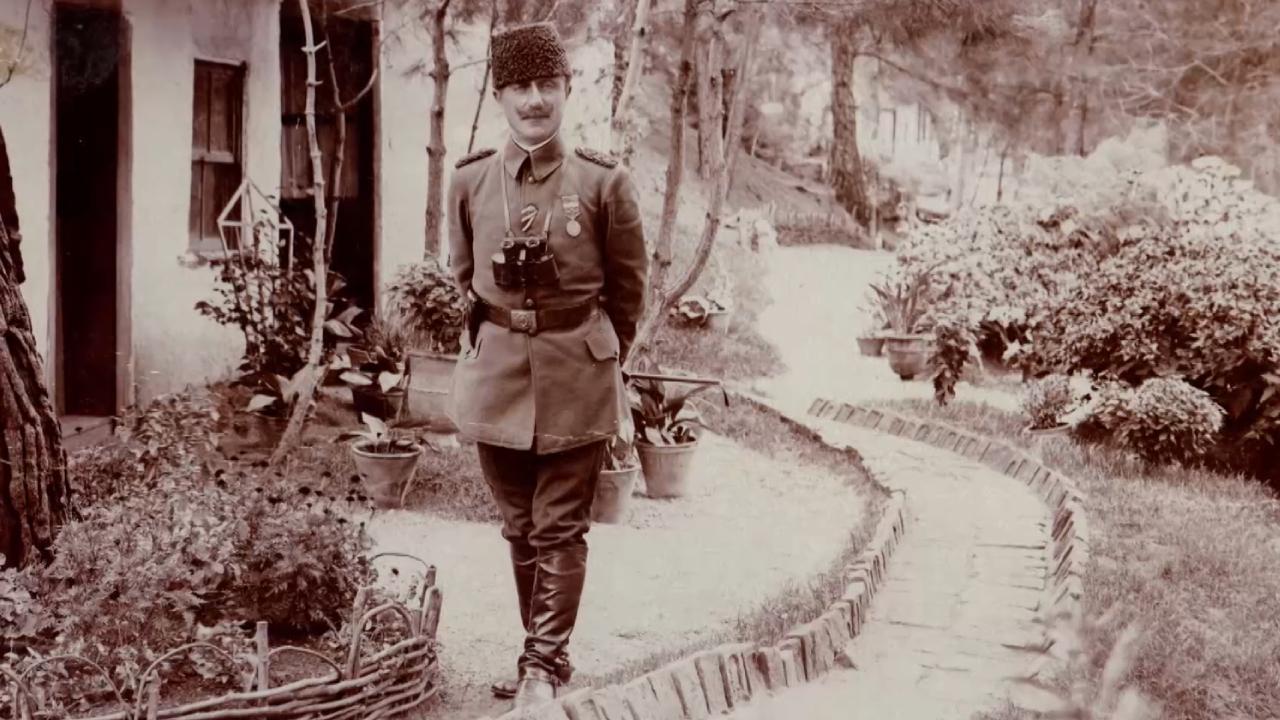

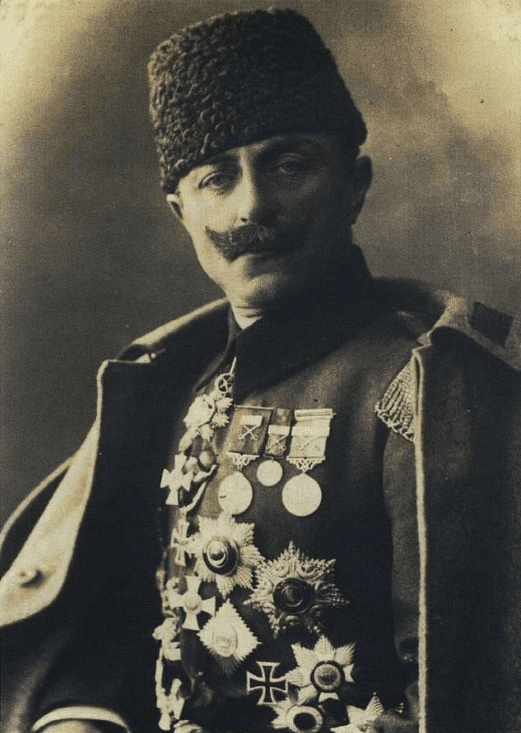
General Cevat Çobanlı
Birth Year | 1871 | ||||||||
|---|---|---|---|---|---|---|---|---|---|
Birth Place | İstanbul Türkiye | ||||||||
Date of Death | 1938-03-13 | ||||||||
Place of Death | İstanbul Türkiye | ||||||||
Father | Marshal Şakir Paşa | ||||||||
Education | War Academy Galatasaray High School War School | ||||||||
Languages Known | German French | ||||||||
Position | Diplomatic Duties Chief of the General Staff Türkiye Büyük Millet Meclisi Elazığ Delegation Member of the Military Council | ||||||||
Nickname | Hero of 18 March | ||||||||
Retirement Date | 14 September 1935 | ||||||||
Burial Place | Sahra-yı Cedit Cemetery, Erenköy, İstanbul, Türkiye | ||||||||
Cevat Çobanlı, born in Istanbul in 1871, was the son of Marshal Şakir Paşa. He completed his secondary education at Galatasaray High School in Istanbul and entered the War School on 19 June 1888, graduating in 1891 with the rank of second lieutenant. Çobanlı, who earned the right to continue his studies at the War Academy, graduated first in his class on 20 March 1894 as a staff captain. Cevat Çobanlı died on 16 March 1938; his remains were transferred from the Erenköy Sahra-yı Cedit Cemetery in Istanbul to the State Cemetery on 27 September 1988.
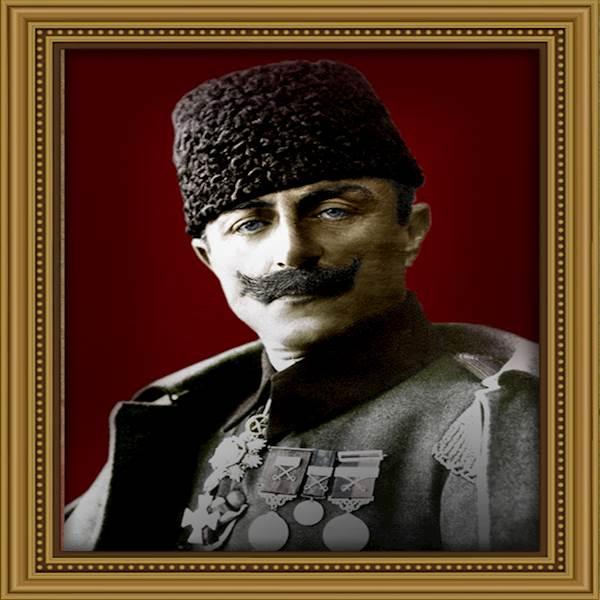
Orgeneral Cevat Çobanlı (Millî Savunma Bakanlığı)
Cevat Çobanlı’s military life was not only marked by promotions but also by critical assignments and participation in major wars.
Cevat Çobanlı played an active role in many of the major conflicts during the final years of the Ottoman Empire.
He did not participate directly in this war, as he was serving at headquarters at the time.
On 29 September 1912, he became Chief of Staff of the Eastern Army and later Chief of Staff of the Artillery Command of the Çatalca Army. On 4 February 1913, he was appointed commander of the 9th Division. While in this position, he twice served as chairman of the Ottoman-Bulgarian Boundary Commission.
One of his most important roles in this war was his appointment on 10 August 1914 as Commander of the Fortified Position of the Dardanelles. Upon assuming this post, he immediately worked to strengthen the defenses of the strait. He developed a plan advocating that the defense be conducted within the strait itself and reorganized artillery batteries that had been disbanded. He participated in both naval and land battles of the Dardanelles Campaign, which began on 3 November 1914. As Commander of the Fortified Position, Cevat Paşa ordered the mine-laying of the Karanlık Liman area by the Nusret minelayer. He played a particularly crucial role in the victory of the 18 March Dardanelles Victory.
He later continued serving as Commander of the Southern Group until the Allies evacuated the Dardanelles. On 18 November 1916, he was appointed commander of the 15th Corps; on 19 August 1917, he returned to command of the 14th Corps; on 8 November 1917, he assumed command of the 8th Army; on 24 November 1917, he was appointed Deputy Commander of the 2nd Army; and on 2 December 1917, he was again appointed commander of the 8th Army.
During the occupation of Istanbul, he was arrested by the British on 16 March 1920 and deported to Malta. He arrived in Mersin on 15 January 1922 aboard an Italian ship. In February 1922, he was appointed commander of the Elcezire Front.
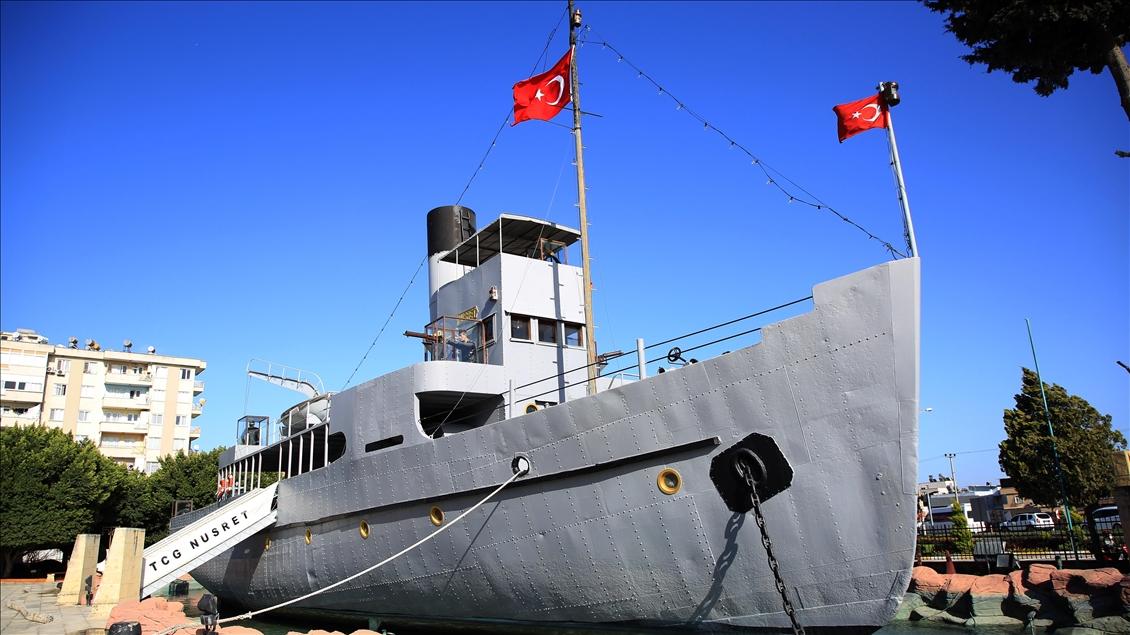
Nusret Mayın Gemisi (AA)
Following the Armistice of Mudros, he was appointed Chief of the General Staff on 3 November 1918. On 19 December 1918, he became Minister of War. On 14 May 1919, he was reappointed Chief of the General Staff. Although he resigned from this position in October 1919, he was again recalled to it.
He continued serving his country during the Republic era. On 21 October 1923, he served as Inspector of the Third Army and simultaneously as a Member of Parliament for Elazığ in the Second Term of the Grand National Assembly of Türkiye. His military command duties ended on 31 October 1924, and he continued as a parliamentarian. He resigned from his parliamentary seat in Elazığ on 25 December 1924 and was appointed as a member of the Military Council. On 7 January 1925, he served as a military advisor to the delegation sent to the League of Nations to discuss the Mosul Issue. On 28 November 1925, he again served as a military advisor to the delegation addressing the Türkiye-Iraq border issue. On 28 April 1927, he was appointed President of the Istanbul War Council. On 12 March 1928, he was sent as a representative to the conference in Geneva on the Reduction of Armaments.
He was highly proficient in French and German. Due to his broad cultural knowledge and military expertise, he participated in numerous international meetings and military exhibitions.
On 14 September 1935, while serving as a member of the Military Council, he retired on grounds of age. General Cevat Çobanlı died on 16 March 1938. His remains, originally buried in the Erenköy Sahra-yı Cedit Cemetery in Istanbul, were transferred to the State Cemetery on 27 September 1988.
ATATÜRK Sitesi. "Cevat Çobanlı Orgeneral (1307 - P.4) (1871 - 1938)." ATATÜRK Sitesi. Accessed June 7, 2025.https://ata.msb.gov.tr/Genel/icerik/cevat-cobanli.
Anadolu Ajansı. "Çanakkale destanının simgelerinden Nusret Mayın Gemisi tarihe ışık tutuyor." March 17, 2021. Accessed June 7, 2025.https://www.aa.com.tr/tr/turkiye/canakkale-destaninin-simgelerinden-nusret-mayin-gemisi-tarihe-isik-tutuyor/2178895
BAYÇAN, E. Kur. Alb. NUSRET. "ORGENERAL CEVAT ÇOBANLI." Dergipark. Accessed June 7, 2025.https://dergipark.org.tr/tr/download/article-file/1664831
BAŞ, Nurdan. "Çanakkale Cephesi Deniz Savaşlarında 18 Mart Kahramanı Cevat (Çobanlı) Paşa." Çanakkale Onsekiz Mart Üniversitesi. Accessed June 7, 2025.
Ministry of National Defense. "Cevat Çobanlı." Ministry of National Defense. Accessed June 7, 2025.https://www.msb.gov.tr/DevletBuyuklerimizDetay/cevat-cobanli.

General Cevat Çobanlı
Birth Year | 1871 | ||||||||
|---|---|---|---|---|---|---|---|---|---|
Birth Place | İstanbul Türkiye | ||||||||
Date of Death | 1938-03-13 | ||||||||
Place of Death | İstanbul Türkiye | ||||||||
Father | Marshal Şakir Paşa | ||||||||
Education | War Academy Galatasaray High School War School | ||||||||
Languages Known | German French | ||||||||
Position | Diplomatic Duties Chief of the General Staff Türkiye Büyük Millet Meclisi Elazığ Delegation Member of the Military Council | ||||||||
Nickname | Hero of 18 March | ||||||||
Retirement Date | 14 September 1935 | ||||||||
Burial Place | Sahra-yı Cedit Cemetery, Erenköy, İstanbul, Türkiye | ||||||||
No Discussion Added Yet
Start discussion for "General Cevat Çobanlı" article
Rapid Advancement and Key Appointments in His Military Career
War Experiences
Italo-Turkish War (1911–1912)
Balkan Wars (1912–1913)
First World War (1914–1918)
War of Independence (1919–1922)
Roles During the National Struggle and the Republic Era
Awards and Decorations
Retirement and Death