

`national-struggle` Related Article Results
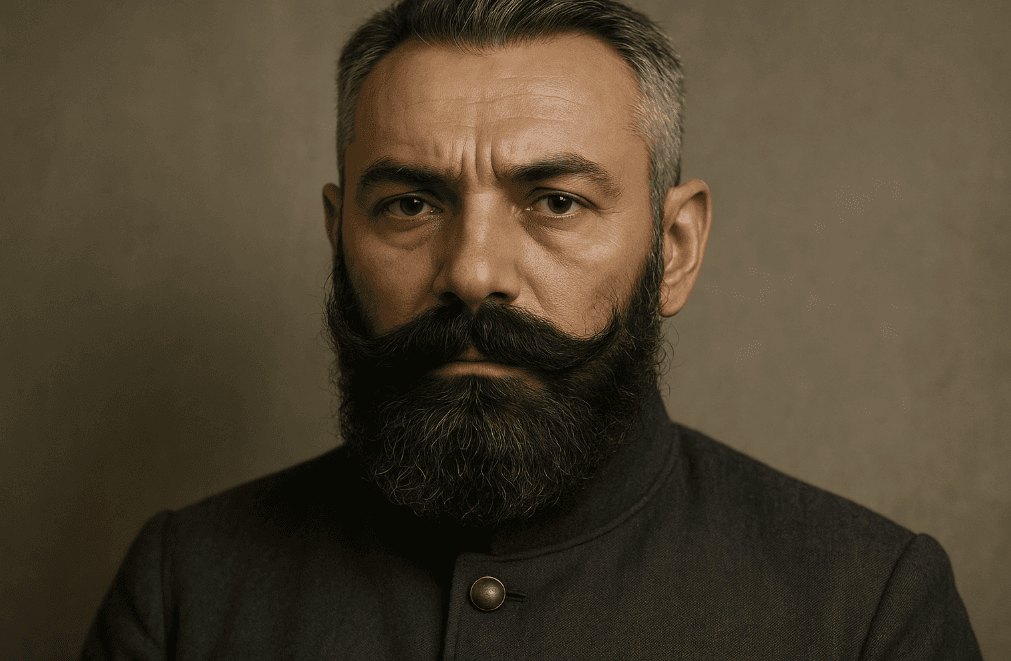
Ibrahim Ethem Akıncı
One of the prominent figures of the National Struggle period, Ibrahim Ethem Akıncı is known both as a civil administrator and as the founder and commander of a military organization. His life spans the final years of the Ottoman Empire through the early years of the Republic of Türkiye. Early Life and Education Ibrahim Ethem Akıncı was born in 1889 in the village of Biliçe, within the Serez Sanjak of the Salonica Vilayet. He belonged to the “Tüfekçizadeler” family. He graduated first in his clas
EN
Elif Laçin
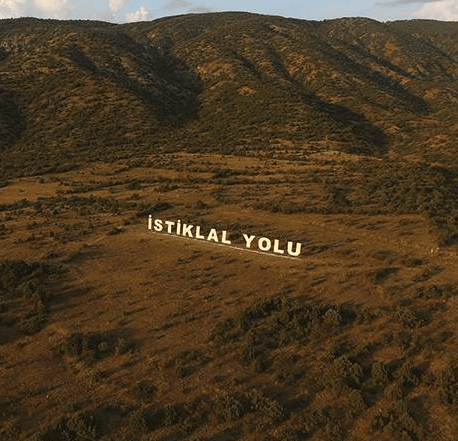
Independence Road
İstiklal Yolu is a supply route that extended from Turkish to the front during the War of Independence, Black Sea Region. Beginning at İnebolu Port, this route passes through Kastamonu, Ilgaz, and Çankırı, reaching Ankara. During the most critical phases of the war, it played a vital role in transporting weapons, ammunition, food, medicine, and other logistics supplies to the front. This road was not merely a military supply line; it became a symbol of the nation’s total struggle for independenc
EN
Hümeyra Yılmaz
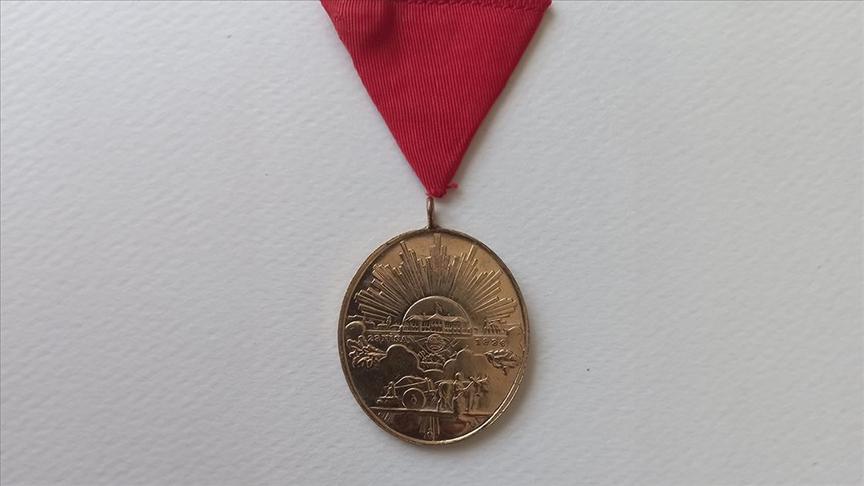
Independence Medal
The Independence Medal is an official state decoration established to be awarded to military and civilian individuals who rendered distinguished service during the Turkish War of Independence, as well as to the families of those who died as martyrs during the National Struggle. It is the only medal awarded during the founding process of the Republic of Türkiye and is regulated by a special law. Independence Medal (AA) " image-alternate="" image-element-format="right"> Reason and Scope of Awar
EN
Yakup Hilmi Altuntaş
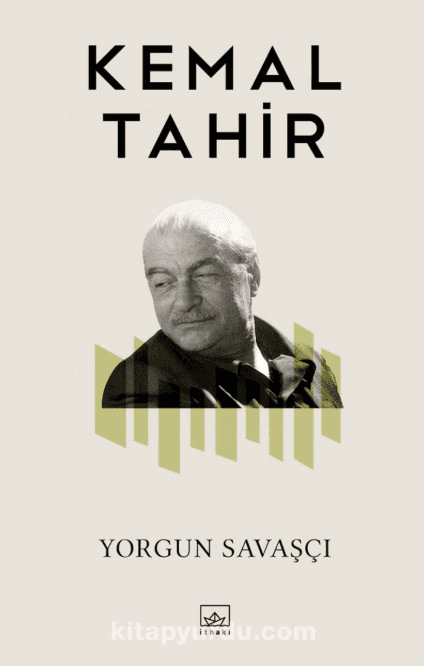
Weary Warrior (Book)
Kemal Tahir’s Tired novel *Yorgun Savaşçı* examines the decline of the Ottoman Empire and the nation’s struggle for independence prior to the National War of Independence. Novel delves deeply into the various segments of society and the political atmosphere of the era through the story of a single individual. Main character Hell Topçu Cemil embodies the moral, social and political decay experienced by the populace during the final days of the Ottoman Empire and the resistance spirit that emerged
EN
Ahsen Karakaş
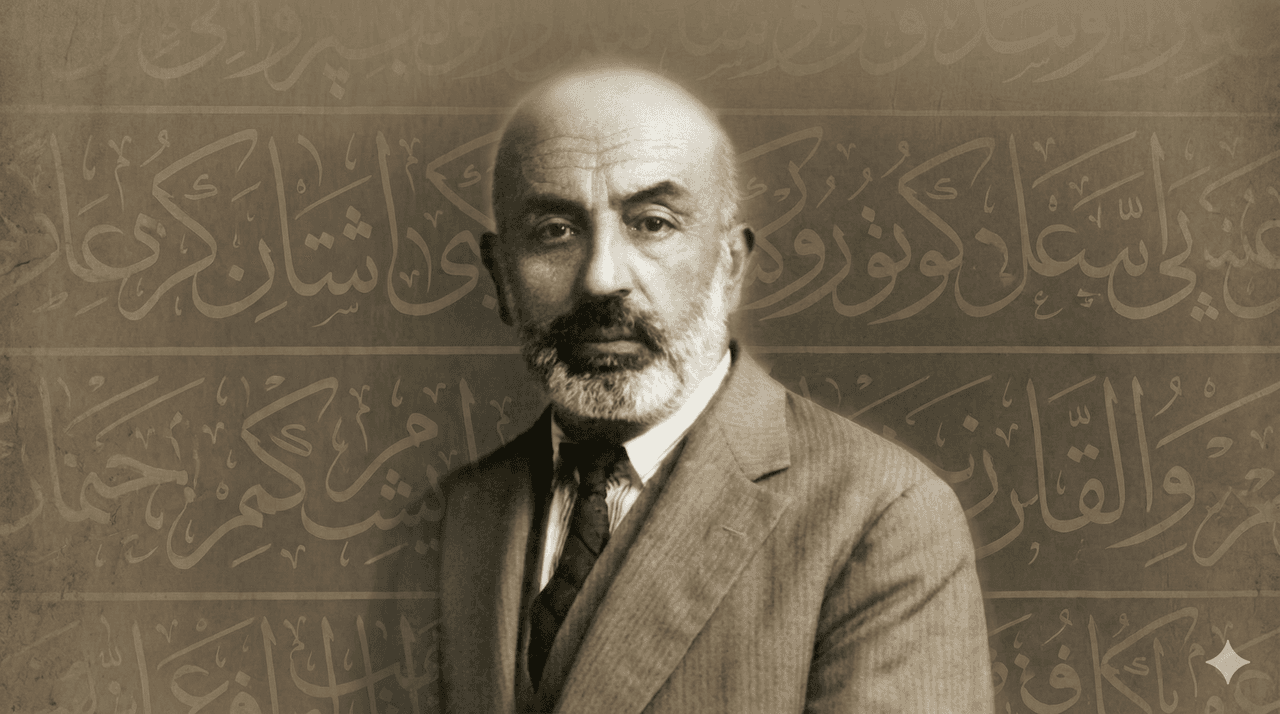
Mehmet Akif Ersoy
Mehmet Âkif Ersoy (20 December 1873–27 December 1936) was a poet, writer, and intellectual who lived during the final years of the Ottoman Empire and the founding years of the Republic of Türkiye. He is known for his activities during the National Struggle, his service as a deputy for Burdur in the Grand National Assembly of Türkiye (1920–1923), and for being the author of the İstiklâl Marşı, the national anthem of Türkiye. Early Life and Family Two main claims appear in different sources regard
EN
Onur Çolak
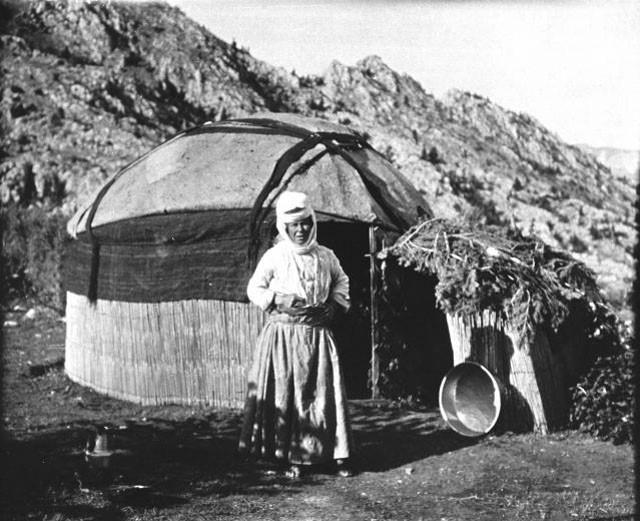
Rahime Hatun
Rahime Hatun was born in 1890 in the Kanlıgeçit neighborhood of Kayalı village (formerly known as Raziyeler), Osmaniye. Her father’s name was Abdullah, and her mother’s name was Hatice. The region where she lived, Cebelibereket, was a strategically significant settlement area during that period, characterized by its mountainous and forested terrain, playing an important role in both the Ottoman settlement policies and the National Struggle. Although documented details about Rahime Hatun’s early
EN
Sıla Başköylü
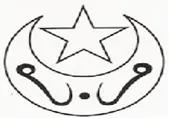
Mim Mim Intelligence Group
The Mim Mim Intelligence Group played a significant role in the Turkish independence movement as a secret resistance organization operating in Istanbul during the Turkish National Struggle period, undertaking intelligence, propaganda, and the shipment of weapons and ammunition to Anatolia. Taking its name from the initial letters of the Müdafaa-i Millîye Organization, this group was established to support the national struggle in Anatolia and continued its activities by reorganizing under diffic
ENYakup Hilmi Altuntaş
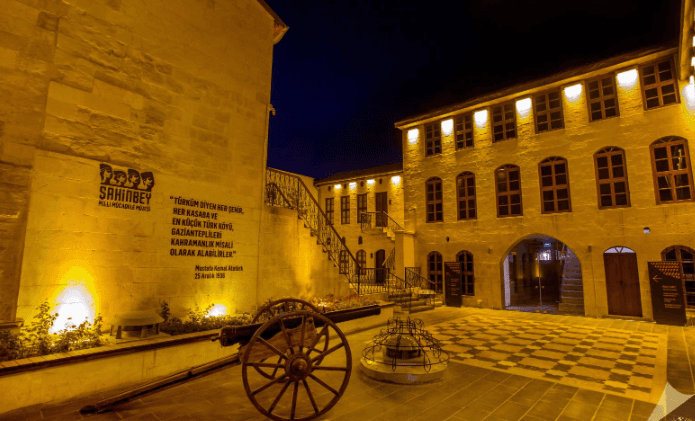
Şahinbey National Struggle Museum
The Şahinbey National Struggle Museum is dedicated to presenting Gaziantep’s resistance during the Turkish War of Independence and the efforts of its citizens. The museum was established to convey in detail the struggle against French and British occupations between 1919 and 1921. The historical building, restored by Şahinbey Municipality, was opened to the public in 2018. Şahinbey National Struggle Museum (AA) " image-alternate="" image-element-format="right"> Establishment and Purpose of th
EN
Ahsen Güneş
 Ma
MaMalta Exiles
The Malta Deportations constitute a judicial process targeting bureaucrats, military officers, and cultural elites who had served the Ottoman State. Arrests began on 2 March 1919, and those detained remained imprisoned in Malta until 1921. Although some individuals managed to escape, the vast majority remained in custody until the prisoner exchange implemented in 1921 through the efforts of the Grand National Assembly of Türkiye. The primary accusation leveled against those arrested during this
EN
Denizcan Taşci
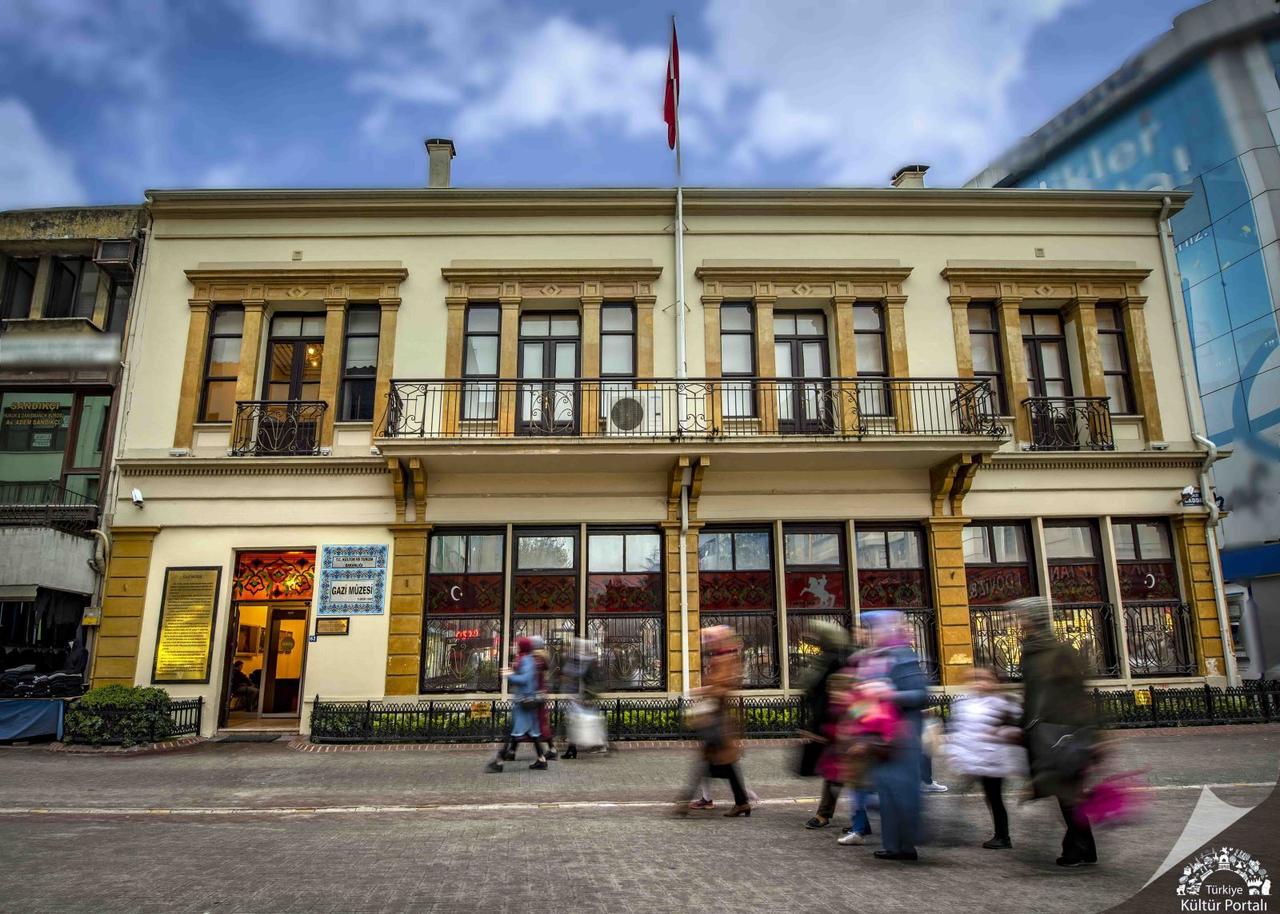
Gazi Museum
The Gazi Museum is a historical and cultural museum located in the building known as the house where Mustafa Kemal Atatürk landed in Samsun on 19 May 1919 to launch the War of Independence. Situated in the city center of Samsun, the museum is a significant cultural center displaying documents, personal belongings of Atatürk, and ethnographic materials from that era. Historical Background and Establishment The museum building is part of Samsun’s urban fabric as an example of Ottoman-era civil arc
EN
Zeynep Şule Bingöl