


This article was automatically translated from the original Turkish version.
+2 More
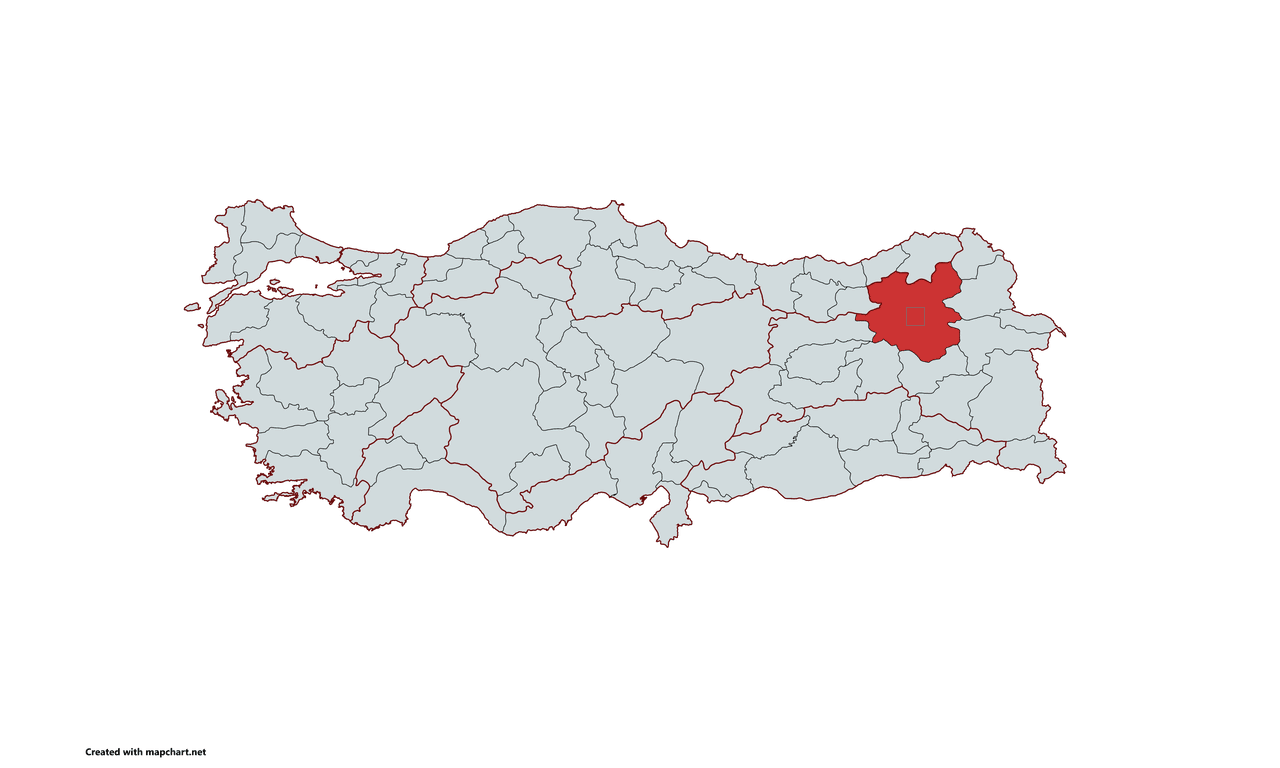
Erzurum
Country | Türkiye | ||||||||
|---|---|---|---|---|---|---|---|---|---|
Region | Eastern Anatolia | ||||||||
Population | 745005 | ||||||||
Area | 25355 km2 | ||||||||
Elevation | 1850 | ||||||||
Climate | Cold Continental | ||||||||
Important Structure | Taşhan Erzurum Castle Lala Mustafa Pasha Mosque Yakutiye Medrese Üç Kümbetler Çifte Minareli Medrese | ||||||||
Governor | Mustafa Çiftçi | ||||||||
Mayor | Mehmet Sekmen | ||||||||
Area Code(s) | 442 | ||||||||
License Plate Code | 25 | ||||||||
Erzurum is one of the largest and most historically rooted cities in Türkiye's Eastern Anatolia Region. Renowned for its history cultural heritage and natural beauty, Erzurum is also known as one of Türkiye's highest-elevation cities. Situated at the foot of the Palandöken Mountains, the city holds great significance for winter sports and has become an internationally recognized destination largely due to the Palandöken Ski Center.
Erzurum's history extends back thousands of years. The city bears traces of numerous civilizations from the Urartians to the Byzantines and from the Seljuks to the Ottomans and is noted for its rich architectural heritage. Structures such as the Double Minaret Madrasa Yakutiye Madrasa and Ulu Mosque are among the most important monuments that reveal Erzurum's historical fabric. The city also became one of the most important centers of the National Struggle when the Erzurum Congress convened on 23 July 1919 and played a pivotal role in laying the foundations of the Republic of Türkiye.
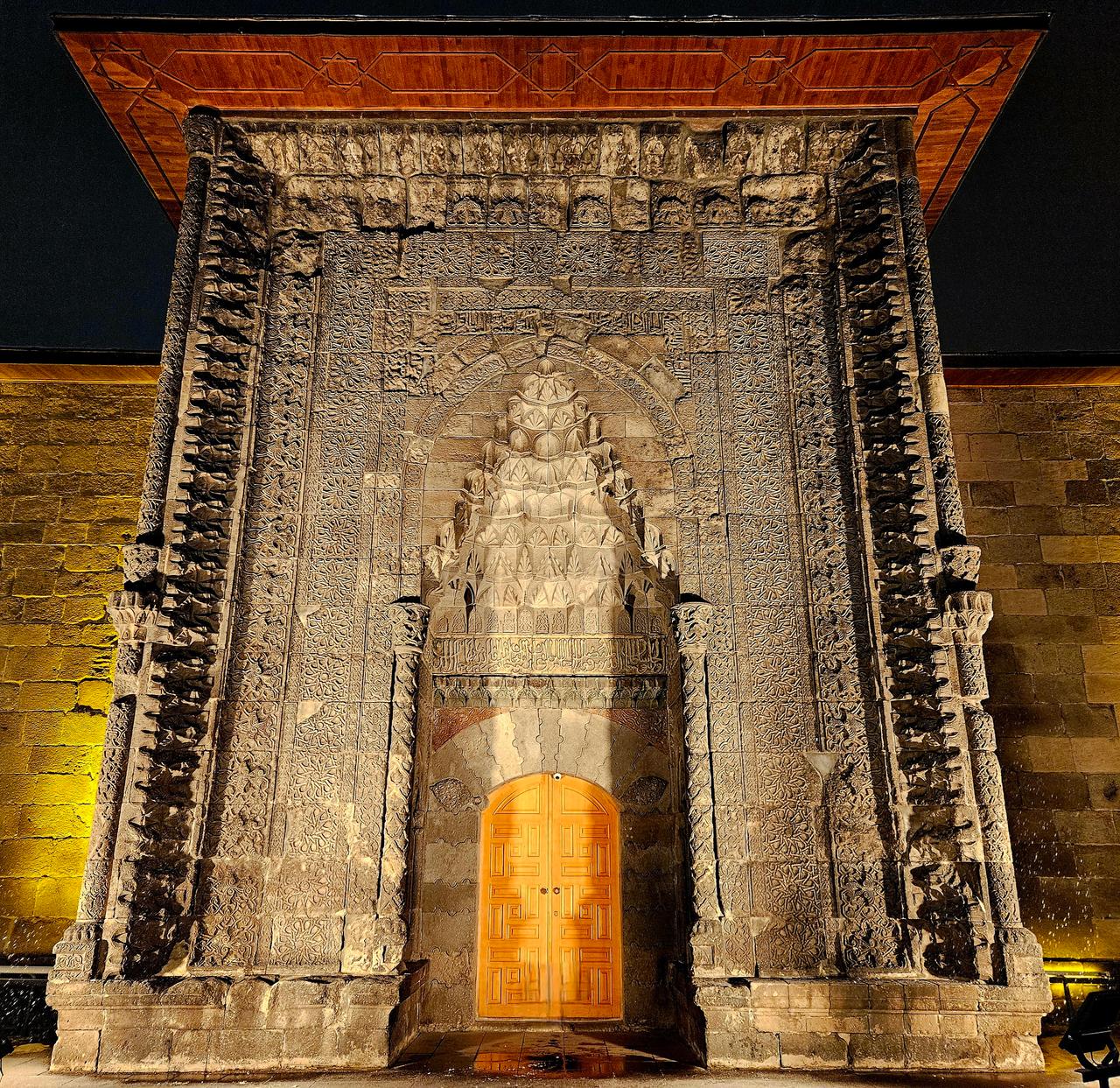
Yakutiye Madrasa (Photo: Meryem Şentürk Çoban)
Erzurum has a harsh continental climate characterized by long cold winters. Agriculture and animal husbandry play significant roles in the local economy and handicrafts have also developed here. In particular Oltu stone craftsmanship stands out as one of Erzurum's most important cultural values. In addition the city is known for its unique cuisine attracting both local and foreign visitors with dishes such as cağ kebab and kadayıf dolması. Today Erzurum continues to be one of the most important centers of Eastern Anatolia through its historical and natural attractions as well as its advancements in education and culture.
Erzurum is one of Türkiye's oldest settlement centers and has served as a home to many civilizations throughout history. With a history extending back to 4900 BCE the city has been under the rule of numerous states including the Hittites Urartians Medes Persians Romans Byzantines Arabs Seljuks Ilkhanids Kara Koyunlu Ak Koyunlu Safavids and Ottomans. Due to its strategic location Erzurum has always been an important center and has served as a stage for many wars occupations and restructuring processes throughout history.
The earliest known name of Erzurum was Theodosiopolis named after the Eastern Roman (Byzantine) Emperor Theodosius II (408–450). The city was constructed in 415 CE under the orders of Theodosius as part of the Roman Empire. The Arab historian al-Baladhuri notes that the Arabs referred to Erzurum as Kalikala a name derived from a princess named Kali. According to Islamic sources the city frequently served as a battleground in Byzantine-Arab conflicts and was captured multiple times from the 7th century onward by the Umayyads and Abbasids.
During the Seljuk invasions of Anatolia in the 11th century Erzurum became a target for Seljuk commanders and came under Turkish rule after the Battle of Manzikert in 1071. The Saltukids established the first Turkish beylik in Erzurum and from 1071 onward constructed significant architectural works that shaped the city's Turkish-Islamic identity. Among the most important legacies of this period are the Ulu Mosque Erzurum Castle and Saltukid tombs.
In 1202 the Anatolian Seljuk Sultan II Suleyman Shah abolished the Saltukids and incorporated Erzurum directly into Seljuk territory. Occupied by the Mongols in 1242 Erzurum was governed by the Ilkhanids throughout the 13th century and then passed under the control of the Kara Koyunlu Ak Koyunlu and Timur in the 14th century. In 1502 Erzurum was captured by the Safavids but was incorporated into Ottoman territory in 1514 following Yavuz Sultan Selim's campaign in Iran.
The Ottomans regarded Erzurum as a vital center on their eastern frontier and established it as a beylerbeylik. During the 16th and 17th centuries Erzurum became the main defensive line of the Ottoman state against the Safavids and was frequently the site of warfare. Significant construction projects took place during the reigns of Kanuni Sultan Süleyman and IV Murad with numerous mosques madrasas and caravanserais being built.
During the 19th-century Russo-Ottoman wars Erzurum was occupied multiple times. The city suffered extensive destruction during Russian occupations in 1829 1878 and 1916. Particularly during the Russian and Armenian occupation from 1916 to 1918 Erzurum endured severe damage and the local population was subjected to massacres. Recovered by the Turkish army on 12 March 1918 Erzurum was liberated from occupation but suffered heavy human losses.
Erzurum played a crucial role in the National Struggle. The Mustafa Kemal Atatürk-led Erzurum Congress convened here on 23 July 1919 and laid the foundations of the National Struggle. The Erzurum Congress marked a critical turning point in defining the Misak-ı Milli and in Türkiye's fight for independence.
After the proclamation of the Republic Erzurum experienced significant development in industry and education among the eastern provinces. The establishment of Atatürk University in 1957 has been instrumental in the city's growth as the region's largest educational and research institution. The city expanded and modernized especially during the second half of the 20th century becoming a center for both tourism and education through its Palandöken Ski Center and historical heritage.
Today Erzurum continues to be one of Türkiye's important cities through its historical structures winter tourism opportunities and cultural heritage. With its ski resorts on the Palandöken Mountains historic bazaars madrasas and mosques Erzurum attracts both local and international tourists. While continuing its process of modernization the city preserves its historical identity and carries it into the future.
Erzurum is one of the largest provinces in Türkiye's Eastern Anatolia Region. Located between 39°55′ north latitude and 41°16′ east longitude the city is notable for its high elevation. With an average elevation of 1850 meters Erzurum is among Türkiye's highest cities. It is bordered by Kars and Ardahan to the east Erzincan to the west Rize Artvin and Bayburt to the north and Bingöl Muş and Ağrı to the south.
Erzurum is one of the highest and most rugged provinces in Eastern Anatolia consisting largely of high plateaus and mountainous areas. The city lies on a plateau with an average elevation of 1850 meters making it one of Türkiye's highest cities. Erzurum's topography is characterized by mountains valleys plains and plateaus.
Erzurum is located between the Euphrates Aras and Çoruh basins and is rich in water resources. Its main rivers include:
Although Erzurum is not particularly rich in lakes it contains several important ones. The main lakes are:
Erzurum is one of Türkiye's coldest and most severe climates. Characterized by the most distinct features of a continental climate summers are cool and short while winters are long cold and snowy. The annual average temperature is around 5–6°C making Erzurum one of Türkiye's coldest cities.
Winter temperatures can drop as low as -30°C and the city is renowned for its prolonged snow cover. Snow begins falling in November and can remain on the ground until April. This extended snow cover has made Erzurum a major center for winter tourism. In particular the Palandöken Ski Center takes advantage of this harsh climate to provide ideal conditions for winter sports.
Summer temperatures typically range between 20–25°C with significant differences between day and night temperatures. Although daytime temperatures can be warm during summer nights remain cool. Spring and autumn seasons are short and transition periods are rapid. Erzurum receives an average annual precipitation of 450–500 mm most of which falls as snow during winter months.
Due to its high elevation and harsh climate Erzurum has a very limited forest cover. The dominant vegetation type across the city is steppe. Shrubs and herbaceous plants are common in high plateaus and mountainous areas. However in the relatively milder climate of the Tortum and Oltu regions in northeastern Erzurum oak and juniper trees can be found.
Among Erzurum's extensive plains the Erzurum Plain Pasinler Plain and Çat Plain are important agricultural areas where cereal cultivation and animal husbandry are practiced. The city holds a key position among Türkiye's most important regions for pasture and transhumance activities.
Erzurum is one of the largest and most populous provinces in Eastern Anatolia. According to 2024 data from the Turkish Statistical Institute (TÜİK) the total population of Erzurum is approximately 745005. A significant portion of the population is concentrated in the central districts. In particular Yakutiye Palandöken and Aziziye districts host the majority of the population as they are the centers of the city's economic and social activities.
Erzurum is one of Türkiye's important tourism centers due to its historical heritage natural beauty and potential for winter tourism. With numerous tourist sites including the Tortum Waterfall historic madrasas mosques tombs and fortresses Erzurum is a rich destination for cultural nature and winter sports tourism.
Palandöken Ski Center is one of Erzurum's most famous tourist destinations and stands out as one of Türkiye's most important winter sports centers.
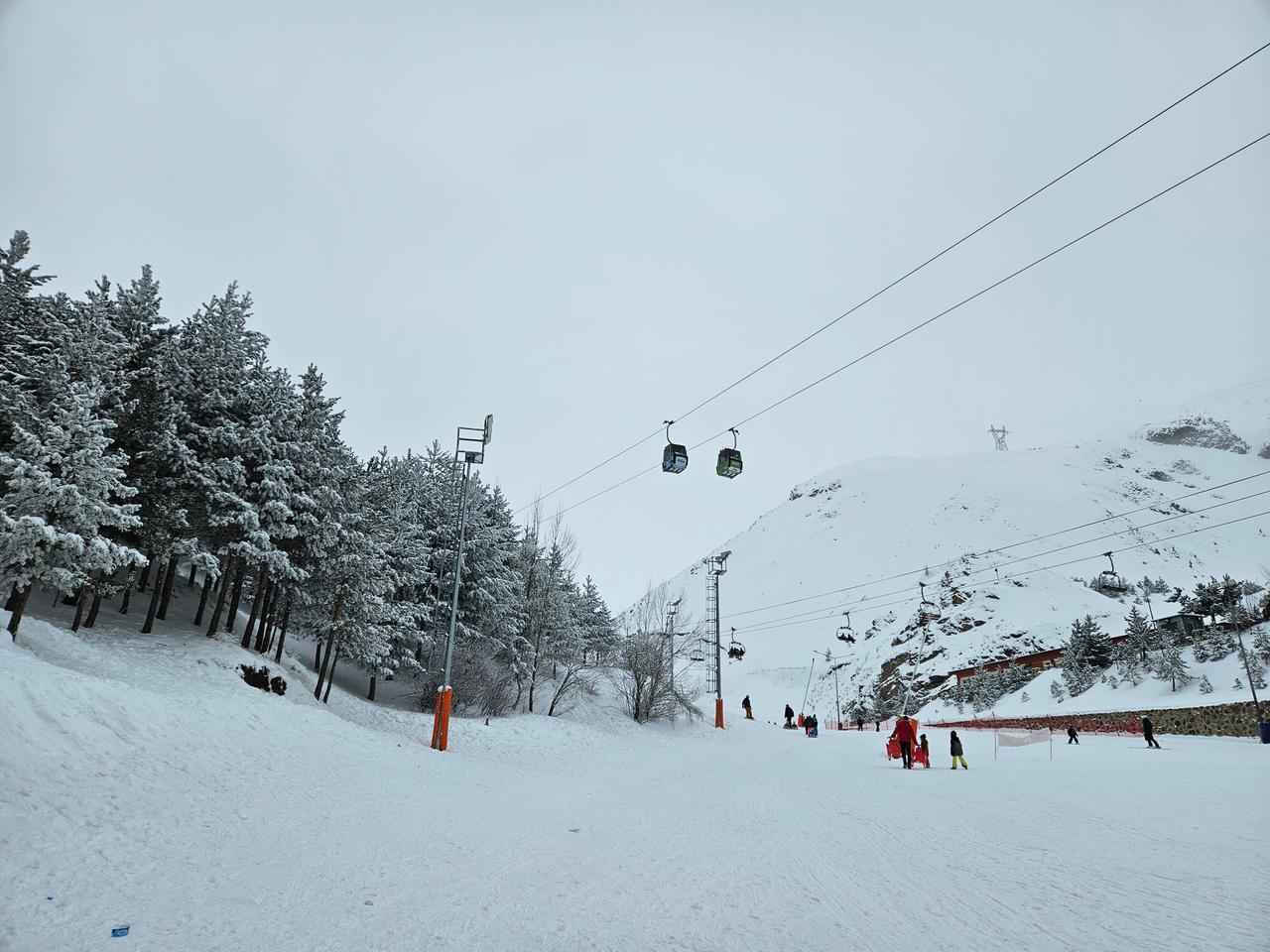
Palandöken Ski Center (Photo: Meryem Şentürk Çoban)
Erzurum is one of Anatolia's oldest settlement sites and bears traces of many different civilizations. Numerous monuments from the Seljuk Ottoman and Republican periods await visitors.
Erzurum also holds significant potential for nature tourism due to its natural beauty lakes waterfalls and pastures.
Erzurum is also an important center for health tourism due to its rich underground water sources and thermal springs.
Erzurum's cuisine holds an important place in gastronomy tourism due to its distinctive regional flavors.
Erzurum is also a rich city in terms of traditional handicrafts.
Erzurum is one of the largest provinces in Türkiye's Eastern Anatolia Region and is administratively divided into 20 districts. As Türkiye's fourth-largest province by area Erzurum is also one of the most important administrative centers in Eastern Anatolia. The current governor is Mustafa Çiftçi and the mayor is Mehmet Sekmen.
Erzurum consists of 20 districts each with its own district governor and municipality administration.
The districts are:
Under the Law No. 6360 on Metropolitan Municipalities enacted in 2012 Erzurum gained metropolitan status and its central districts were divided into three:
These districts form Erzurum's metropolitan zones and are directly connected to the metropolitan municipality.
Erzurum Büyükşehir Municipality Official Website. Accessed February 13, 2025.
Erzurum Valiliği Resmi İnternet Sayfası. Accessed February 13, 2025.
Küçük, Cevdet. "Erzurum." Türkiye Diyanet Vakfı İslam Ansiklopedisi. Accessed February 13, 2025.
T.C. Ministry of Culture and TourismErzurum İl Directorate of Culture and Tourism Official Website. Accessed February 13, 2025.https://erzurum.ktb.gov.tr/
Tuncel, Metin. "Erzurum." Türkiye Diyanet Vakfı İslam Ansiklopedisi. Accessed February 13, 2025.
Türkiye İstatistik Institute Official Website. Accessed February 13, 2025.
Ünal, Rahmi Hüseyin. "Erzurum." Türkiye Diyanet Vakfı İslam Ansiklopedisi. Accessed February 13, 2025.

Erzurum
Country | Türkiye | ||||||||
|---|---|---|---|---|---|---|---|---|---|
Region | Eastern Anatolia | ||||||||
Population | 745005 | ||||||||
Area | 25355 km2 | ||||||||
Elevation | 1850 | ||||||||
Climate | Cold Continental | ||||||||
Important Structure | Taşhan Erzurum Castle Lala Mustafa Pasha Mosque Yakutiye Medrese Üç Kümbetler Çifte Minareli Medrese | ||||||||
Governor | Mustafa Çiftçi | ||||||||
Mayor | Mehmet Sekmen | ||||||||
Area Code(s) | 442 | ||||||||
License Plate Code | 25 | ||||||||
The History of Erzurum
Ancient and Medieval Period
Seljuk and Beylik Period
Ottoman Period
National Struggle Period and the Republic
Erzurum Today
Geography
Geographical Location
Landforms
Rivers
Lakes
Climate
Natural Vegetation
Population
Rural and Urban Population Distribution
Migration and Population Movements
Birth and Death Rates
Gender and Age Distribution
Education and Socioeconomic Status
Culture and Tourism
Winter Tourism and Ski Centers
Cultural and Historical Tourism
Historical and Architectural Structures
Nature and Pasture Tourism
Thermal and Health Tourism
Culinary Tourism
Traditional Handicrafts
Administrative Structure
Districts of Erzurum
Metropolitan Districts