


This article was automatically translated from the original Turkish version.
+1 More
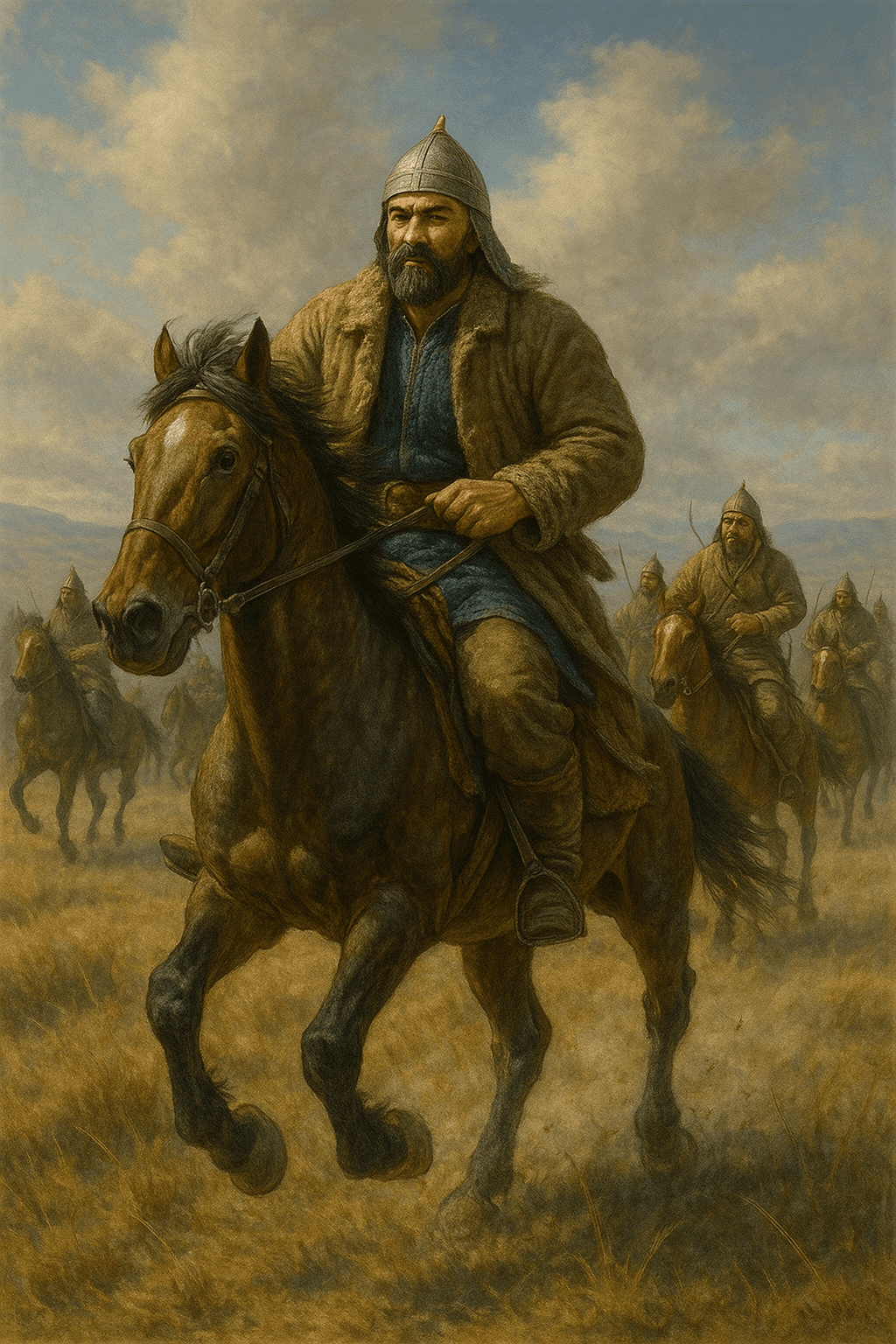
Equestrianism
Type | Sports and cultural activities Transportation | ||||||||
|---|---|---|---|---|---|---|---|---|---|
Origin | 4000–3500 BCE Central Asian steppes | ||||||||
Historical Development | Sumerians Ancient Greece Rome Medieval Europe Hittites Islamic and Ottoman world | ||||||||
Modernization | 1900 Paris Olympics | ||||||||
Basic Branches | Dressage Polo Equestrian archery Western Endurance Three-day event Show jumping | ||||||||
Used Breeds | Arab Warmblood English Half-Breed Mustang Andalusian Clydesdale Friesian | ||||||||
Equipment | Girth Stirrup Bridle Protective gear Saddle Rein Riding helmet | ||||||||
Institutional Structure | Ministry of Youth and Sports Turkish Equestrian Foundation | ||||||||
International Structure | FEI (International Equestrian Federation) | ||||||||
Equestrianism is an activity in which humans ride and control horses for transportation, sport, or cultural purposes. One of the oldest human endeavors, equestrianism originally emerged as a basic necessity and later acquired significant importance in social, military, and sporting contexts. The unique bond formed with the horse requires not only physical skill but also balance, harmony, and communication abilities. Equestrianism developed with diverse techniques across different geographical regions and became an inseparable part of the cultural identity of many societies. In the modern era, equestrianism continues to exist as both a traditional and sporting activity, regarded as a sporting expression of aesthetics and endurance.
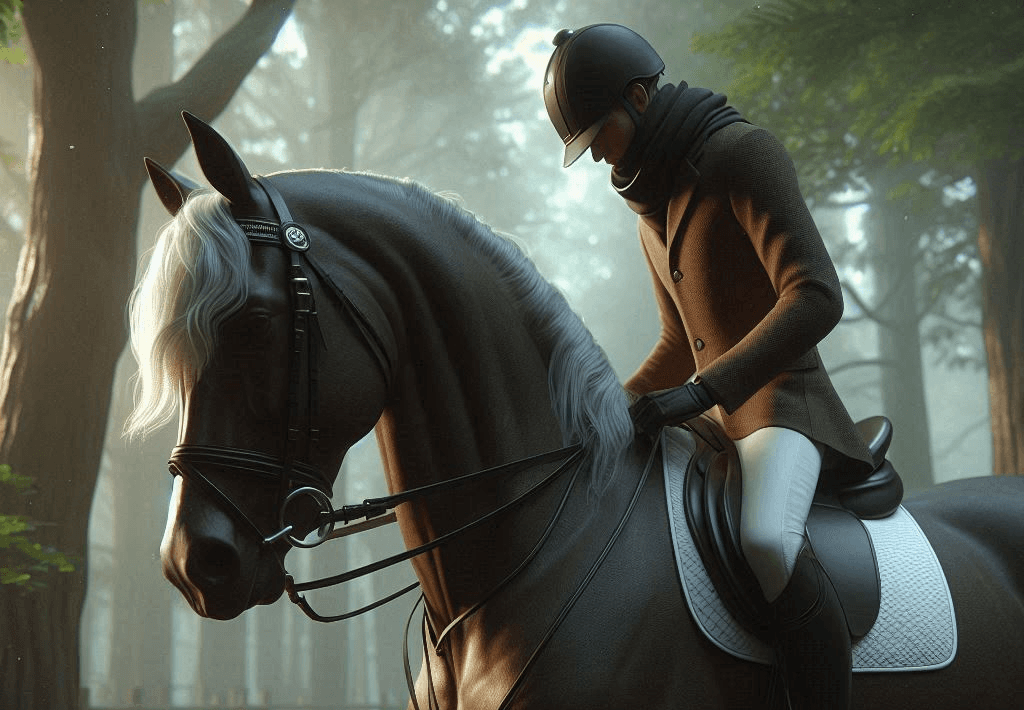
Binici Görseli. (Yapay Zeka İle Oluşturulmuştur.)
The history of equestrianism has developed in parallel with the domestication of the horse. Archaeological findings indicate that horses were domesticated around 4000–3500 BCE, particularly in the steppes of Central Asia. In early periods, horses were primarily used for carrying loads and for their meat and milk; over time, humans discovered they could ride horses and thereby move more quickly.
In the 2000s BCE, Mesopotamian civilizations such as the Sumerians and Assyrians developed early forms of equestrianism through the use of horse-drawn chariots. However, direct riding and controlling horses on horseback were refined especially among nomadic groups of Central Asia. The Turks, Mongols, and other steppe peoples were raised on horseback and made the horse an indispensable element of their warfare and daily life. For these societies, equestrianism was not merely a means of transportation but also a way of life and a fundamental component of cultural identity.
In ancient Greece, equestrianism evolved as an art and sport, and the famous philosopher Xenophon detailed its technical and aesthetic dimensions in his work "On Horsemanship." During the Roman Empire, cavalry units played a strategic role within military forces. In medieval Europe, horsemanship became one of the foundational pillars of chivalric culture; knights demonstrated their mastery on horseback in battle and tournaments.
Equestrianism also held great importance in Islamic civilizations, where it was emphasized as a skill in both warfare and daily life. Particularly Arabian horses made significant contributions to the development of equestrianism through their speed and endurance. In the Ottoman Empire, horsemanship was regarded as a highly respected ability, especially among the sipahi class.
In the modern era, equestrianism became institutionalized as a sport; in the 19th century, disciplines such as racing, show jumping, and dressage emerged in Europe, led by England. Equestrianism was included in the Olympic Games held in Paris in 1900 and has since become one of the major branches of international sporting competitions.
Throughout history, equestrianism has diversified according to different purposes and skills, evolving into numerous sub-disciplines. Each type approaches the human-horse relationship from a unique perspective and has developed its own specialized techniques.
Dressage is a discipline of equestrianism aimed at achieving the highest level of aesthetic and technical training for the horse. The horse must respond precisely to even the smallest commands. The harmony, balance, and obedience between rider and horse are decisive in dressage competitions. This discipline is regarded as the "art" dimension of equestrianism.
Show jumping is a sport in which the rider, together with the horse, completes a course by clearing obstacles of specific heights arranged in sequence. Speed, agility, and harmony between rider and horse are of great importance in this discipline. Show jumping stands out as a dynamic and visually engaging form of competition.
Eventing is a multi-disciplinary equestrian competition that includes dressage, cross-country jumping, and stadium jumping phases. This sport tests the endurance, skill, and ability of horse and rider to work together. It has military origins and has evolved into a modern sporting discipline.
Endurance riding is a competition in which horse and rider aim to complete long distances in the shortest possible time. Courses typically range from 40 to 160 kilometers. In this discipline, the horse’s health, speed, and endurance are as critical as the rider’s ability to maintain the correct pace.
Western riding is a style of equestrianism that originated from American cowboy culture. It includes various disciplines such as cattle herding, speed races, and agility tests. Western saddles and a more relaxed riding posture are among its defining features.
Mounted archery is the art of shooting arrows from horseback. It developed over centuries across a vast geographical area from Central Asia to Anatolia and was practiced especially by Turk and Mongol societies. Today it is kept alive through traditional and modern competitions.
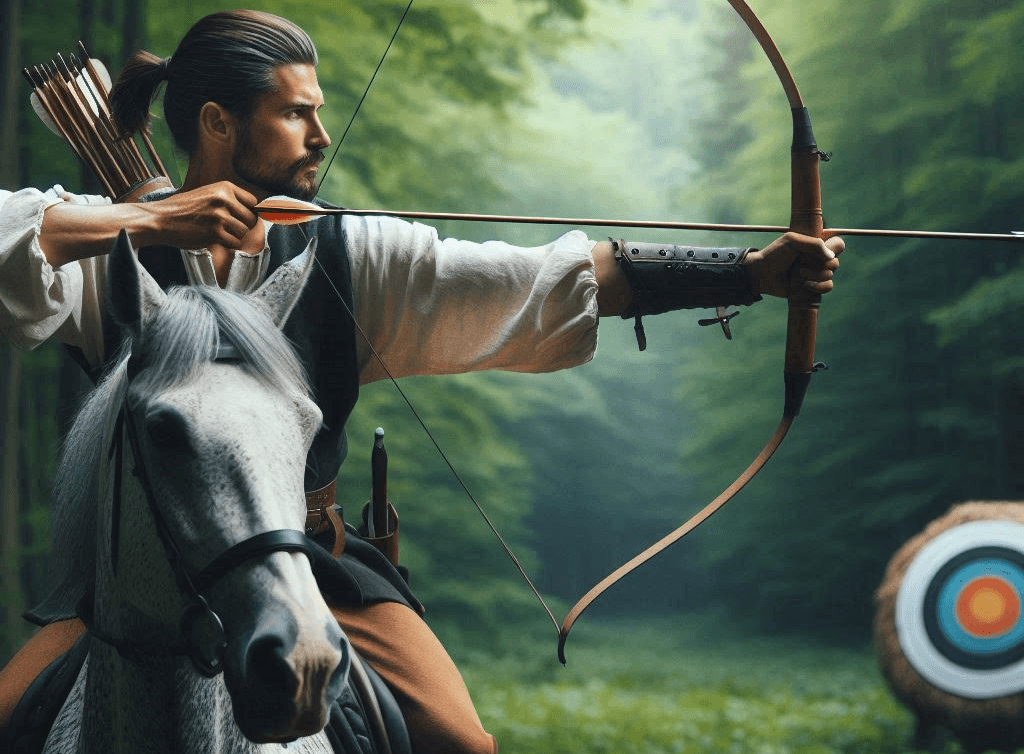
Atlı Okçuluğu Yansıtan Bir Görsel. (Yapay Zeka İle Oluşturulmuştur.)
Polo is a team sport in which two teams attempt to score goals by hitting a ball into the opposing team’s goal using mallets while riding horses. It has Asian origins and enjoys great popularity in countries such as England, India, and Argentina. Speed, teamwork, and strategy are the fundamental elements of polo.
Equestrian sport requires various specialized equipment to ensure the safety and comfort of both rider and horse. This equipment may vary depending on the type of equestrianism, the rider’s experience level, and the horse’s characteristics. Generally, the main equipment used in equestrianism includes the following:
The saddle is the primary equipment that enables the rider to sit on the horse while protecting the horse’s back. Different types of saddles are designed for various equestrian disciplines. For example, a dressage saddle allows the horse freedom of movement, while an eventing saddle is shorter and lighter. Western saddles are larger and more comfortable, suitable for long-duration rides.
Reins are the strap system used by the rider to guide the horse. The bit is a metal piece placed in the horse’s mouth and works with the reins to transmit the rider’s commands. Bit types vary according to the horse’s experience level and the equestrian discipline.
Stirrups are metal or plastic rings in which the rider places their feet. Stirrups assist the rider in maintaining balance and provide better control while riding.
The saddle pad is a layer of fabric or felt placed between the saddle and the horse’s back. It reduces friction, controls sweat, and protects the horse’s back from the pressure of the saddle.
The bridle is a headgear consisting of reins, bit, and headstall. It is placed on the horse’s head to enable guidance and control. Various bridle designs are available.
Protective equipment such as leg wraps and horse boots are essential, especially in disciplines like show jumping and endurance riding. These items are designed to prevent injuries.
One of the most important protective items for the rider is the helmet, which helps prevent head trauma in case of a fall. Riders also use vests (body protectors) that shield the body during falls and sturdy riding boots. Gloves protect the hands and provide better grip on the reins.
Girths are straps that secure the saddle tightly to the horse’s back. They are especially important in disciplines involving active horse movement to prevent the saddle from slipping.
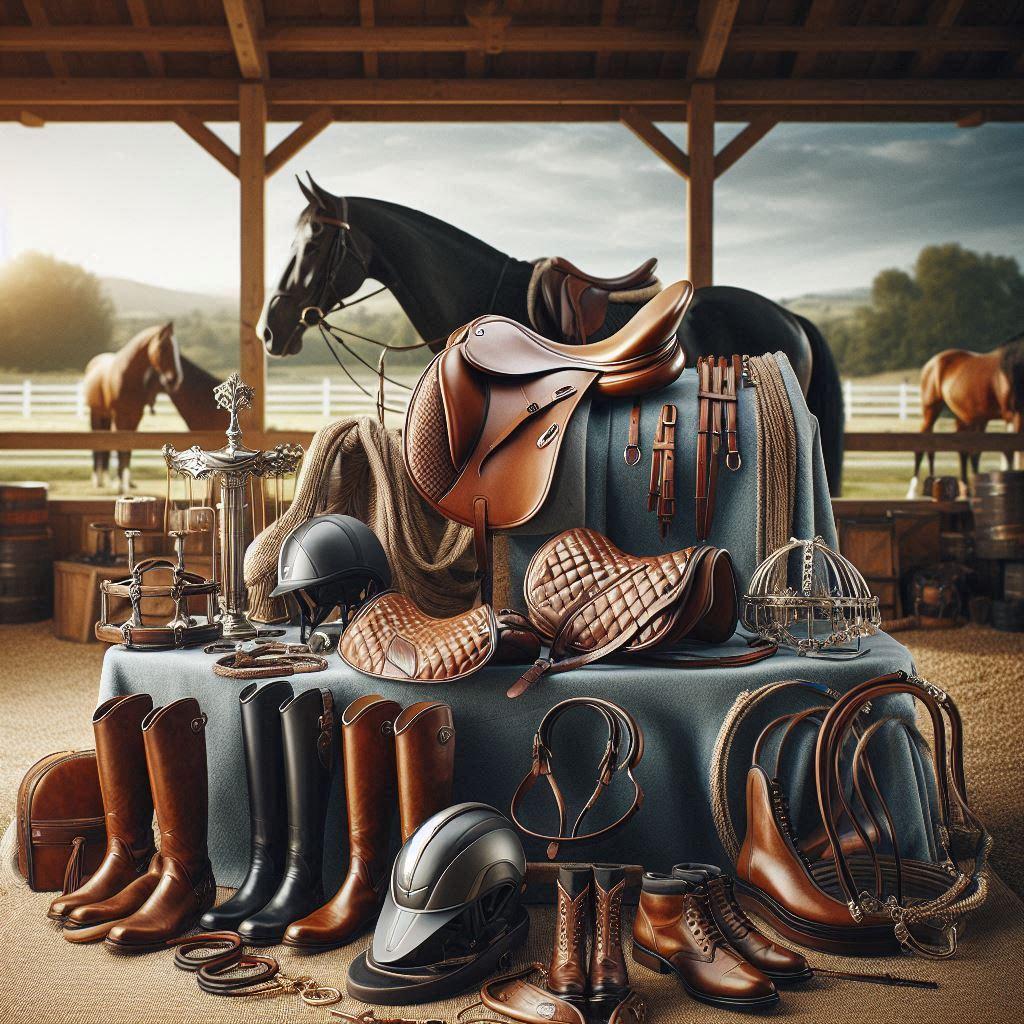
Binicilikte Kullanılan Ürünleri Yansıtan Bir Görsel (Yapay Zeka İle Oluturulmuştur.)
Equestrianism requires different horse breeds depending on the discipline and type of competition. Each equestrian discipline favors horses with specific physical traits, speed, and endurance. The main horse breeds commonly used in equestrianism are as follows:
Arabian horses are a widely used breed in equestrianism, particularly favored in endurance competitions. They are known for their slender build, long legs, and high endurance. Historically, Arabian horses have been among the most suitable breeds for races requiring speed and stamina.
Thoroughbreds are renowned for their speed and powerful build. They are preferred for show jumping, racing, and other speed-dependent sports. This breed is internationally recognized in horse racing and is known for its exceptional speed.
Warmblood horses are widely used in disciplines such as dressage and show jumping. These horses combine the characteristics of Arabians and Thoroughbreds, offering both strength and agility. Warmbloods are generally of European origin and achieve high success in sporting events.
Clydesdale horses are primarily used for heavy hauling and labor-intensive tasks. However, they may also be used in certain equestrian disciplines. These horses are known for their strength and large build and typically work at lower speeds, though they possess high endurance.
Friesian horses are another breed known for their elegant and powerful build. They are especially preferred in dressage and performance riding. These horses are black in color and attract attention with both their grace and strength.
Andalusian horses are of Spanish origin and have held an important place in equestrian history. They are primarily used in dressage and performance riding. These horses are known for their strong muscular structure and high movement capability.
Mustang horses are wild horses native to North America. Their agility and strength make them suitable for demanding disciplines such as endurance riding. Additionally, their survival skills in the wild make them popular in nature-integrated equestrian activities.
Connemara ponies are small-sized horses ideal for show jumping and children’s equestrian activities. These ponies are known for their endurance and agility and are often recommended as suitable options for young riders.
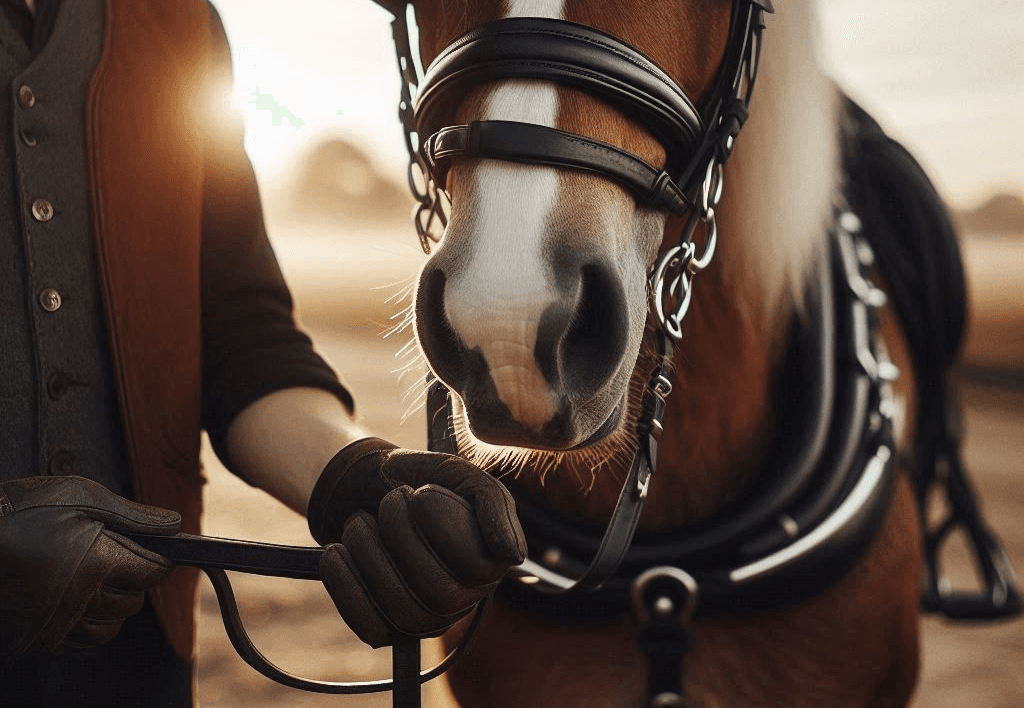
Atın Dizginini Tutan Bir İnsan Görseli. (Yapay Zeka İle Oluşturulmuştur.)
The natural gaits of horses are essential movement patterns that form the foundation of equestrianism. Each gait differs according to the horse’s speed, sequence of footfalls, and contact with the ground. Understanding correct gaits is crucial for both the horse’s health and the rider’s safety. The main horse gaits are as follows:
The walk is the slowest gait of the horse. It is a four-beat gait, meaning each foot touches the ground separately in a specific sequence. It is a soft and rhythmic movement. During the walk, the horse’s back moves in a natural undulating motion, providing the rider with a gentle swaying sensation. This gait is frequently used to establish communication between rider and horse and for warm-up exercises.
The trot is a faster gait than the walk and is two-beat. The horse lifts and lowers its diagonal legs simultaneously (e.g., left front and right hind). During the trot, the horse’s movement is more rhythmic and pronounced. The rider uses the "posting trot" or "rising trot" technique to match the horse’s up-and-down motion. The trot is commonly used to build endurance and improve conditioning.
Canter is a three-beat gait faster than the walk and trot. The footfall sequence follows a specific pattern: one hind leg, then the diagonal pair of front and hind legs together, followed by the remaining front leg. This sequence creates a smooth and rhythmic motion. During the canter, the rider leans slightly forward to match the horse’s movement.
The gallop is the horse’s fastest natural gait, used in races or during escape situations. It is a four-beat gait with each step clearly distinct. When reaching maximum speed, the horse may momentarily have all four feet off the ground. This gait requires high energy and strength; therefore, both horse and rider must be in excellent physical condition.
The amble is a special gait similar to the walk but faster. It is common among certain horse breeds raised in Eastern and Southeastern Anatolia in Türkiye. The horse lifts and lowers the front and hind legs on the same side simultaneously. This gait is extremely comfortable and smooth for the rider.
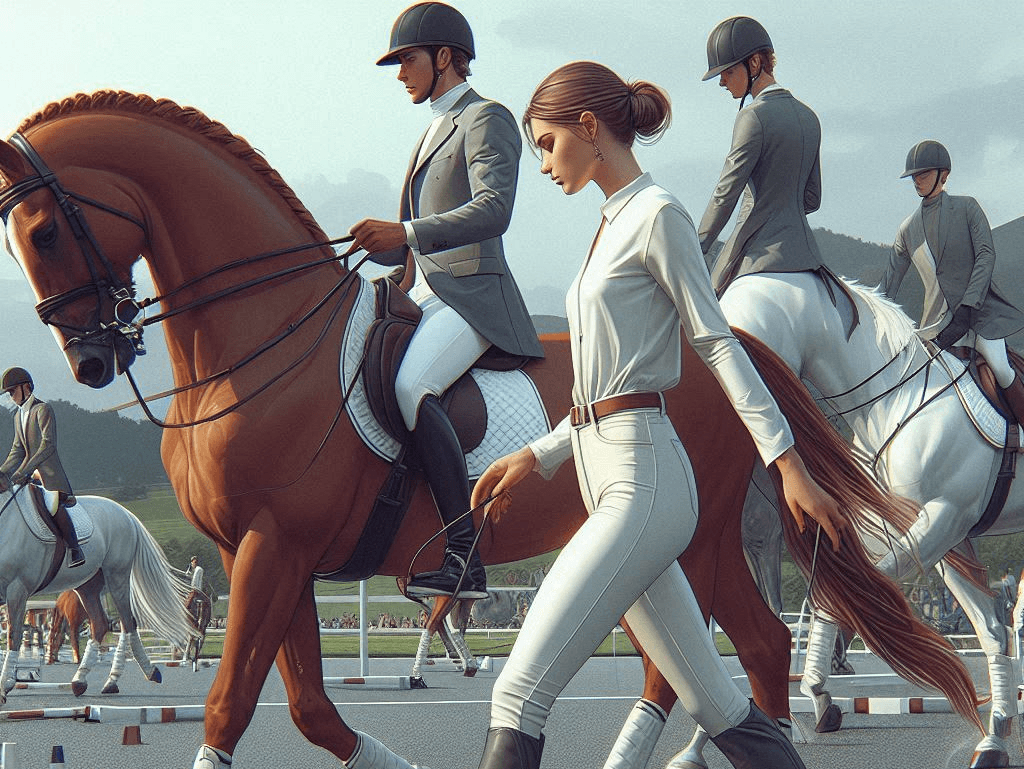
Binicilerin Olduğu Bir Hipodrom Görseli. (Yapay Zeka İle Oluşturulmuştur.)
Equestrianism is not merely a sport requiring physical skill and balance; it is also a discipline that must be conducted within a framework of serious ethical values and specific rules. The relationship between rider and horse is based on mutual respect, trust, and understanding. Consequently, numerous national and international rules and ethical principles govern equestrianism.
The largest international organization regulating equestrian sport is the International Equestrian Federation (FEI). The FEI sets competition standards, defines behavioral rules for athletes, and enforces serious sanctions to protect horse welfare.

Atı Seven Bir Binici Görseli. (Yapay Zeka İle Oluşturulmuştur.)
Equestrianism is not merely a sport; it is a holistic activity that supports the physical and psychological development of the individual. The close bond formed with the horse enhances body coordination, balance, and self-confidence while also contributing positively to mental well-being. The benefits of equestrianism are multidimensional, encompassing both physiological and psychological dimensions.
In Türkiye, equestrianism holds a unique position due to its historical roots and cultural significance. Throughout the process extending from Central Asia to Anatolia, the horse played a central role in Turkish society’s both warfare and daily practices. This deep-rooted tradition continues in modern Türkiye in various dimensions, preserving cultural heritage while promoting sport. Alongside traditional equestrian sports, modern equestrian disciplines adhering to international standards have developed since the Republican era. Today in Türkiye, equestrianism remains a vibrant field at both professional and amateur levels through sports clubs, federation activities, and national and international competitions.
The Turkish Equestrian Foundation, established in 2005, carries out various projects and activities aimed at promoting, developing, and achieving international success in equestrian sport in Türkiye. The Foundation aims to present equestrianism not only as a sport but also as a culture, art, and way of life. It plays a significant role in the sector through equestrian education, horse health, horse care, and social responsibility initiatives. The Turkish Equestrian Foundation supports equestrian sport through national and international competitions, enabling Turkish athletes to showcase themselves on broader platforms.
The Ministry of Youth and Sports is one of the institutions contributing to the development of equestrianism in Türkiye. The Ministry supports various equestrian events to make the sport accessible to wider audiences. Additionally, it organizes educational programs, infrastructure projects, and competitions for young people interested in equestrianism. Organisations such as the "Youth and Sports Camp" 【1】 contribute to the development of young athletes.
Numerous schools and clubs in Türkiye offer equestrian education, and the equestrian schools supported by the Ministry of Youth and Sports provide opportunities for young athletes to receive training in this field. Furthermore, financial support from the Ministry strengthens infrastructure projects in equestrianism. Modern equestrian facilities established across Türkiye aim to increase interest in the sport.
Annual equestrian competitions organized through the collaboration of the Turkish Equestrian Foundation and the Ministry of Youth and Sports provide athletes with opportunities to showcase themselves on national and international platforms. Turkish equestrian athletes represent Türkiye by achieving rankings in prestigious international competitions. Joint projects by the Ministry and the Foundation aim to develop equestrian sport in a more professional manner.
Acar, Gökhan. "Türklerde Unutulan Miras: Binicilik ve At Yetiştiriciliği Üzerine Bir Analiz." *Iğdır Üniversitesi Spor Bilimleri Dergisi* 7, no. 1 (2024): 18–26. Accessed May 3, 2025.https://dergipark.org.tr/tr/download/article-file/3719391
Akdemir, Nihan. "Atlar, Binicilik ve Moda." *Topkapı Sosyal Bilimler Dergisi* 2, no. 2 (2023): 47–74. Accessed May 3, 2025.https://dergipark.org.tr/tr/pub/tjssd/issue/79185/1288950
Bingöl Diedhiou, Azize, Dicle Aras, and Cengiz Akalan. "Binicilik Sporunda Doğru Biniş Tekniği ve Vücut Kompozisyonunun Başarıyla İlişkisi." *Spor Eğitim Dergisi* 3, no. 3 (2019): 88–94. Accessed May 3, 2025.https://dergipark.org.tr/en/download/article-file/856984
T.C. Ministry of Youth and Sports. *Gençlik Kampları*. Accessed May 3, 2025.https://biz.gsb.gov.tr/Genciz/KampAktiviteleri/.
Türkiye Binicilik Vakfı. "Türkiye Binicilik Vakfı Resmi Web Sitesi." Accessed May 3, 2025.
Ünver, A. Fuat. *Antik Çağdan Modern Olimpiyatlara Binicilik Sporu ve Türk Biniciliğinin Olimpik Gelişimi*. Ankara: Türkiye Binicilik Federasyonu, 2006. Accessed May 3, 2025.https://binicilik.org.tr/Dosya/EYayinlarPdf/6-2015/13-20131017_antik_cagdan_modern_olimpiyatlara_binicilik_sporu_ve_turk_biniciliginin_olimpik_gelisimi.pdf
[1]
GSB Kamp Aktiviteleri İçin: https://biz.gsb.gov.tr/Genciz/KampAktiviteleri/

Equestrianism
Type | Sports and cultural activities Transportation | ||||||||
|---|---|---|---|---|---|---|---|---|---|
Origin | 4000–3500 BCE Central Asian steppes | ||||||||
Historical Development | Sumerians Ancient Greece Rome Medieval Europe Hittites Islamic and Ottoman world | ||||||||
Modernization | 1900 Paris Olympics | ||||||||
Basic Branches | Dressage Polo Equestrian archery Western Endurance Three-day event Show jumping | ||||||||
Used Breeds | Arab Warmblood English Half-Breed Mustang Andalusian Clydesdale Friesian | ||||||||
Equipment | Girth Stirrup Bridle Protective gear Saddle Rein Riding helmet | ||||||||
Institutional Structure | Ministry of Youth and Sports Turkish Equestrian Foundation | ||||||||
International Structure | FEI (International Equestrian Federation) | ||||||||
History
Types of Equestrianism
Dressage
Show Jumping
Eventing
Endurance Riding
Western Riding
Mounted Archery
Polo
Equipment Used in Equestrianism
Saddle
Reins and Bit
Stirrups
Saddle Pad (Blanket)
Bridle
Protective Equipment (for the Horse)
Protective Equipment (for the Rider)
Girths and Straps
Horse Breeds Used in Equestrianism
Arabian Horses
Thoroughbred
Warmbloods
Clydesdale Horses
Friesian Horses
Andalusian Horses
Mustang Horses
Connemara Pony
Horse Gaits
Walk
Trot
Canter
Gallop
Amble
Rules and Ethical Principles of Equestrianism
Equestrian Rules
Ethical Principles
International Regulations
Physical and Psychological Benefits of Equestrianism
Physical Benefits
Psychological Benefits
Equestrianism in Türkiye
Turkish Equestrian Foundation and Its Activities
Contributions of the Ministry of Youth and Sports
Equestrian Education Programs and Infrastructure Projects