

`horse` Related Article Results
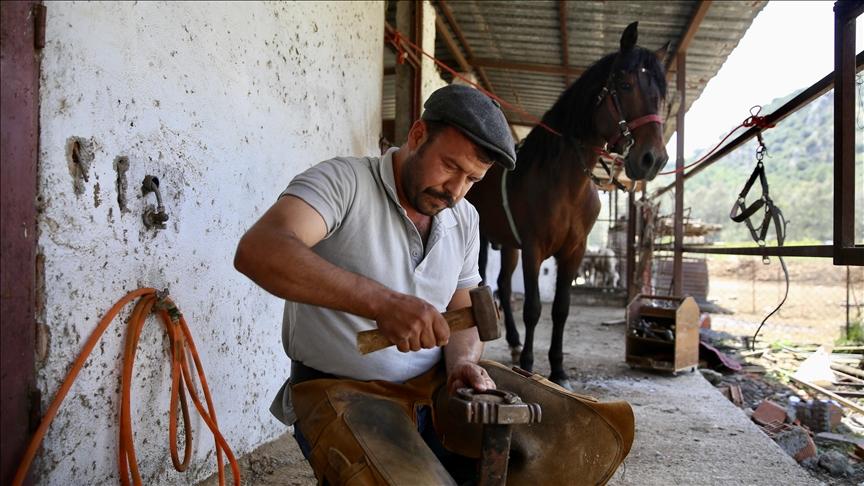
Nalbantlık
Farriering is the trade of craftsmen who shoe hoofed animals—particularly horses, donkeys, mules, and oxen. The term is derived from the Arabic word “nal” (shoe) and the Persian word “bent” (fastening). A nail is the iron plate fitted to the hooves of draft and pack animals to protect them; a farrier is the person who performs this work. Historical Background During eras when animal power formed the foundation of transportation, communication, and military technology, horseshoes and farriering b
EN
Elif Laçin
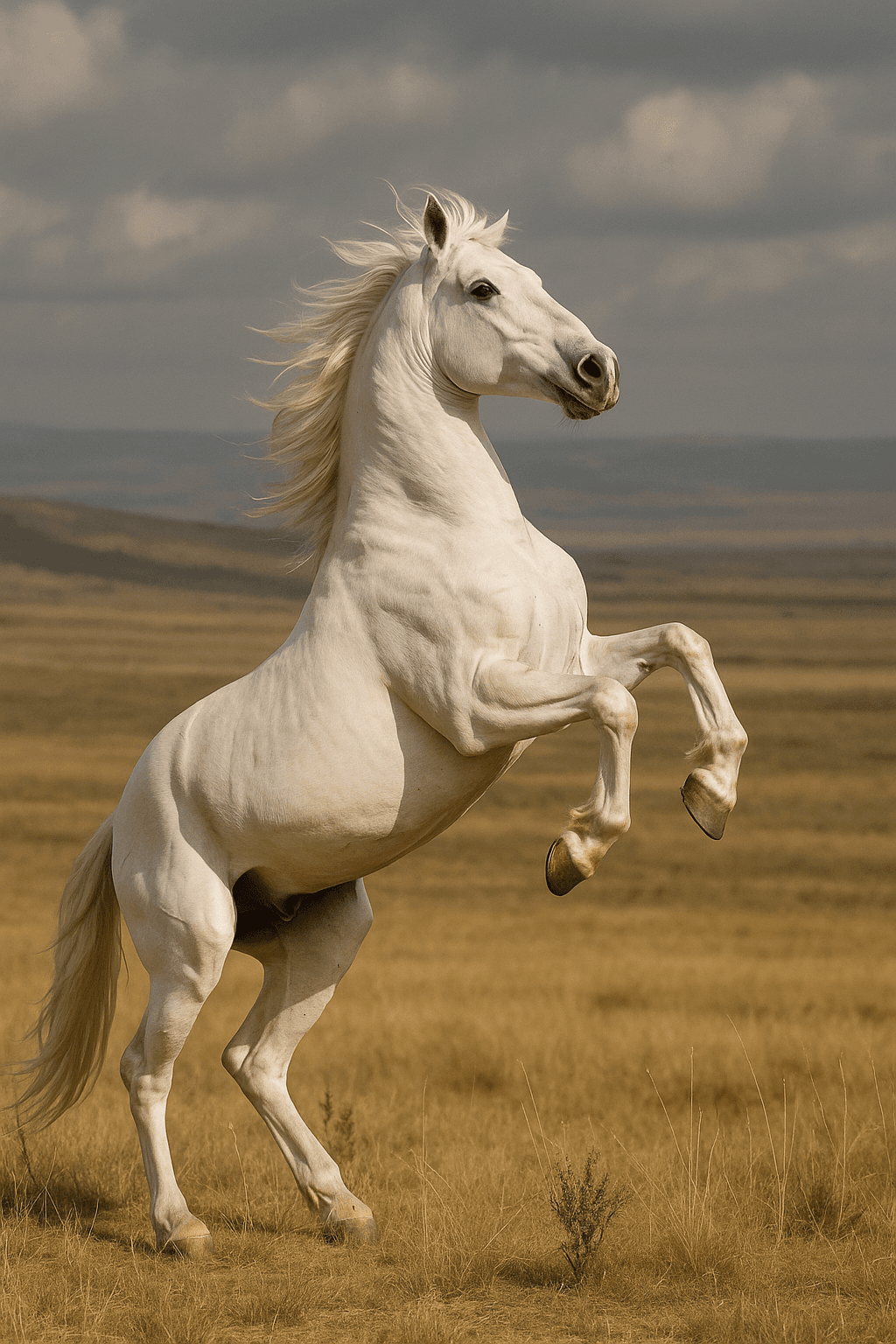
The Horse in Turkish Culture
The horse, for the Turks, is not merely a riding animal; it is a cultural symbol deeply interwoven with social structure, belief systems, art, literature, military tradition, and daily life. The Turks, believed to be the first to domesticate the horse, also viewed it as a way of life, a loyal friend, and a trusted companion. Throughout their history, the Turks, who lived a nomadic lifestyle, relied on the horse in every aspect of existence. Turkic peoples living on the steppes constantly moved i
EN
Asiye Güneş
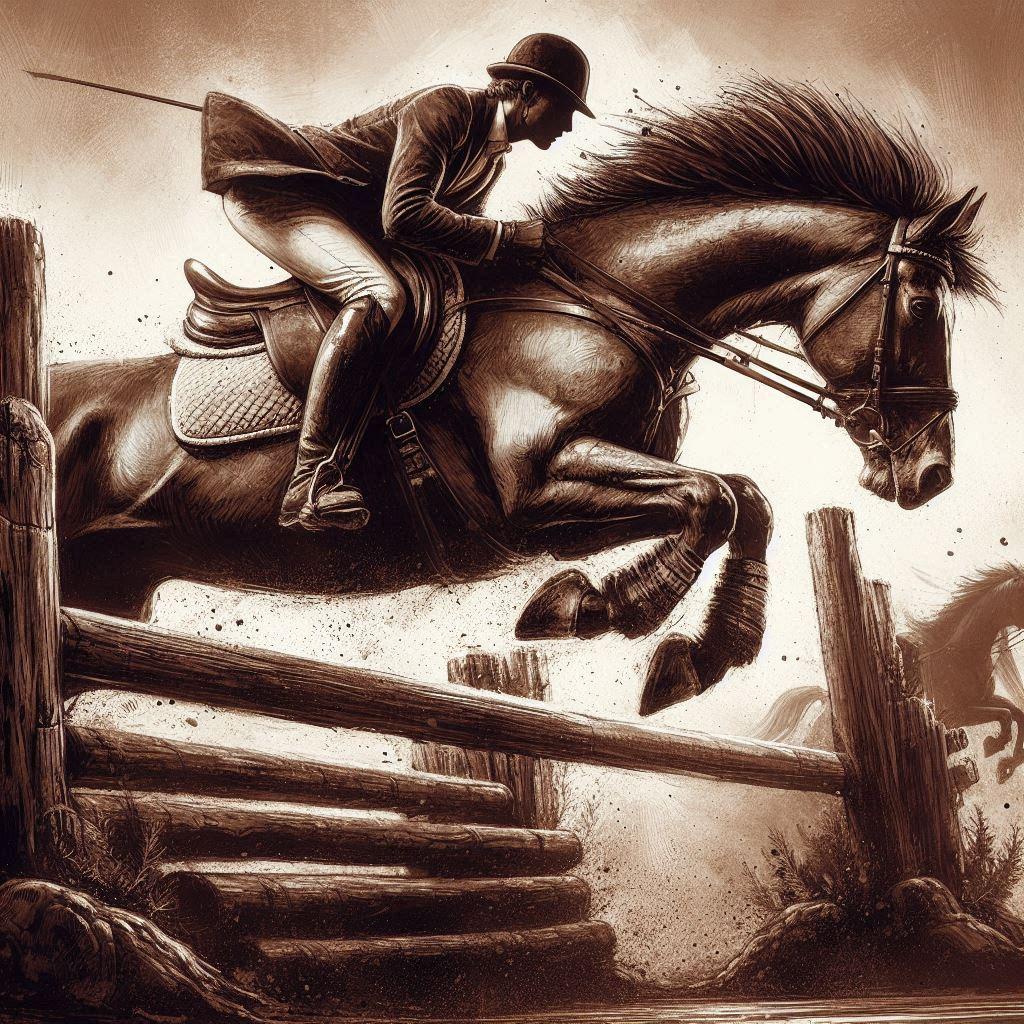
Equestrianism
Equestrianism is an activity in which humans ride and control horses for transportation, sport, or cultural purposes. One of the oldest human endeavors, equestrianism originally emerged as a basic necessity and later acquired significant importance in social, military, and sporting contexts. The unique bond formed with the horse requires not only physical skill but also balance, harmony, and communication abilities. Equestrianism developed with diverse techniques across different geographical re
EN
Hümeyra Yılmaz
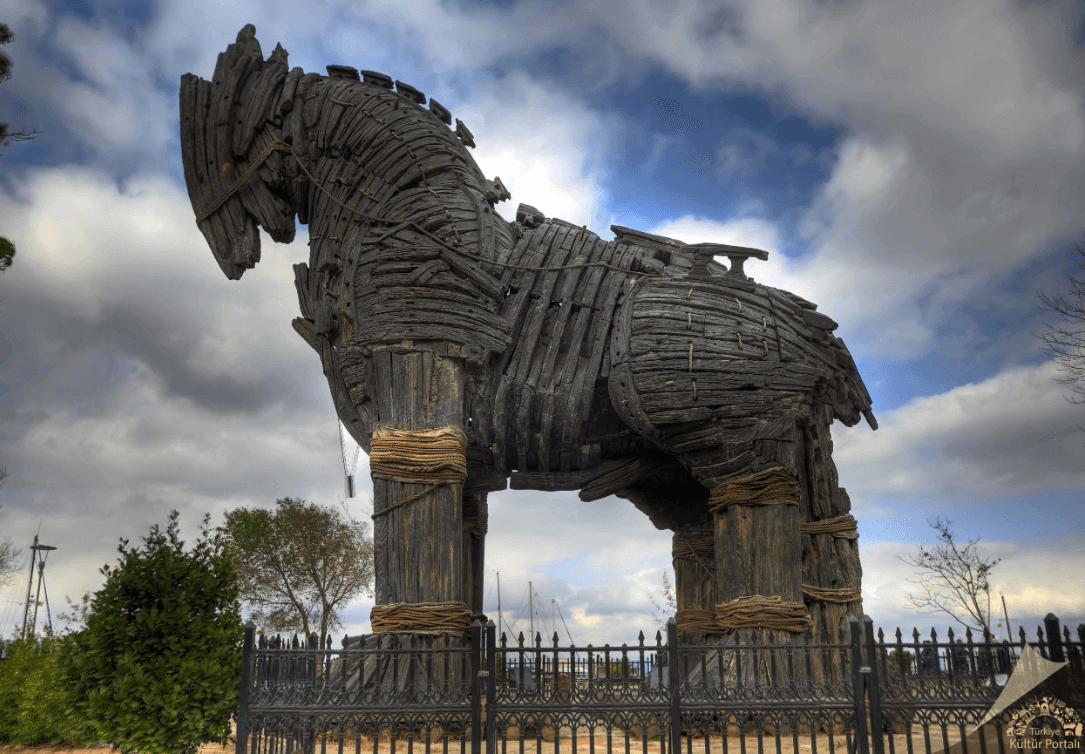
Trojan Horse
The Trojan Horse is a figure rooted in ancient Greek mythology, particularly in Homer’s Iliad and Odyssey, and represents an important symbol of the Trojan War. To overcome the ten-year siege, the Greeks constructed a massive wooden horse, concealed their soldiers inside, and at night emerged to ambush the Trojans and capture the city. This story has become a symbol of victory achieved through intelligence and deception. Although there is no definitive information regarding the historical realit
EN
Sümeyra Uzun
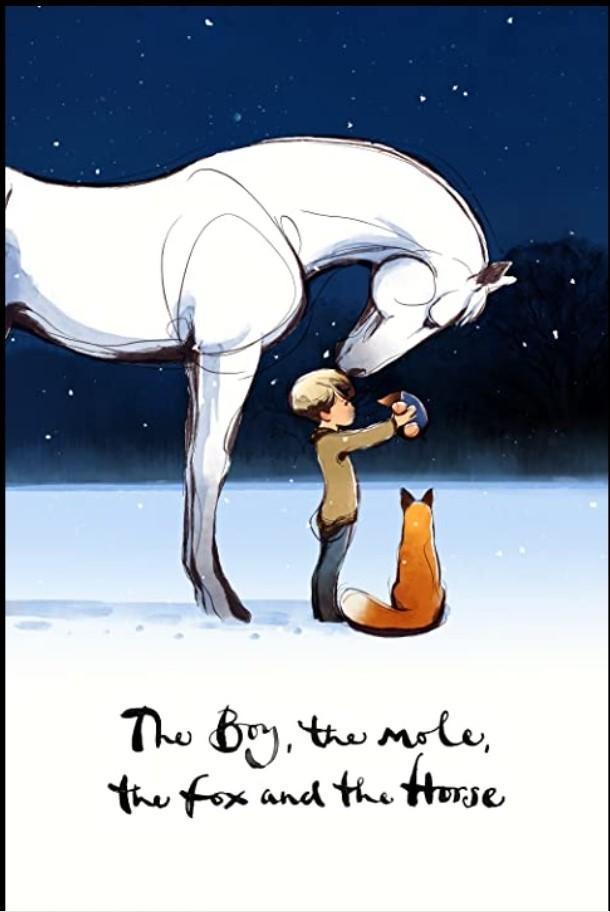
The Boy, the Mole, the Fox, and the Horse (Animation)
The film The Boy, the Mole, the Fox, and the Horse, adapted from Charlie Mackesy's book of the same name, offers audiences a heartwarming journey filled with innocence, friendship, and love. This 2022 short animation tells a touching story of a boy's sense of being lost and the solutions he discovers through love and companionship. Movie Poster (Source: Sinemalar) " image-alternate="" image-element-format="right"> The film The Boy, the Mole, the Fox, and the Horse follows the journey of a boy
ENSümeyra Uzun
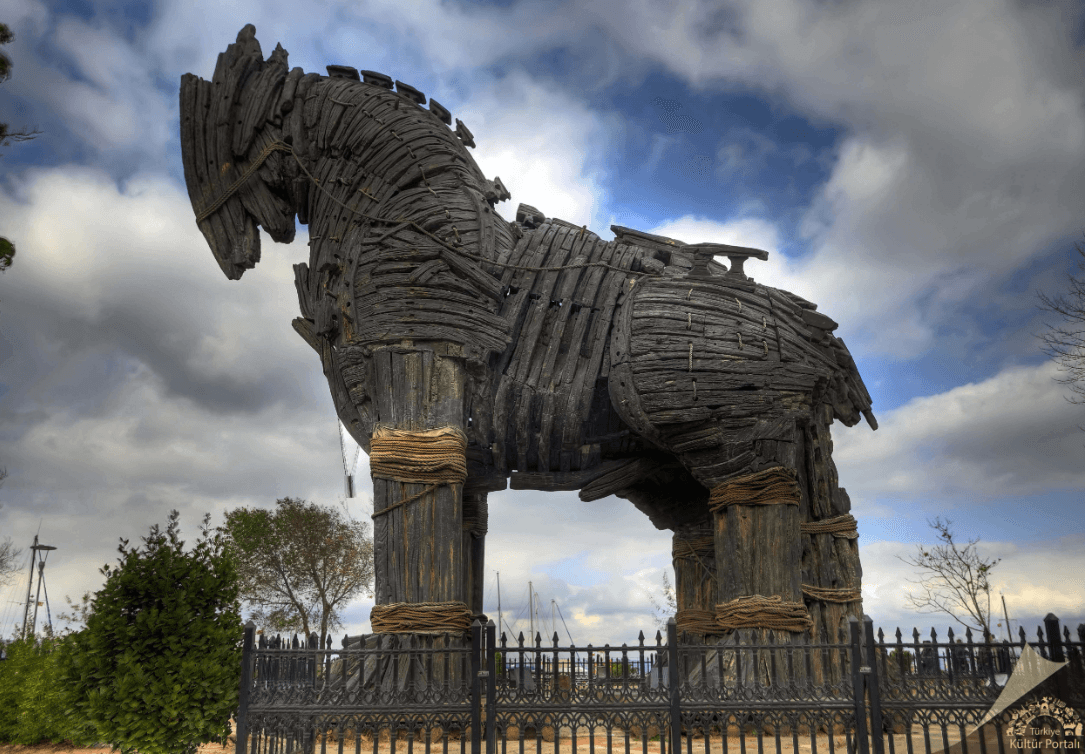
Trojan Horse
The Trojan Horse is a figure from ancient Greek mythology, particularly featured in Homer’s epics the Iliad and the Odyssey place, and is based on the story of the Trojan War important. To capture Troy after a ten-year siege, the Greeks constructed a massive wooden at horse, hid their soldiers inside it, and at night the soldiers emerged to ambush the Trojans and seize the city. This tale has become a symbol of victory achieved through deception and cunning, and although there is no definitive i
EN
Sümeyra Uzun
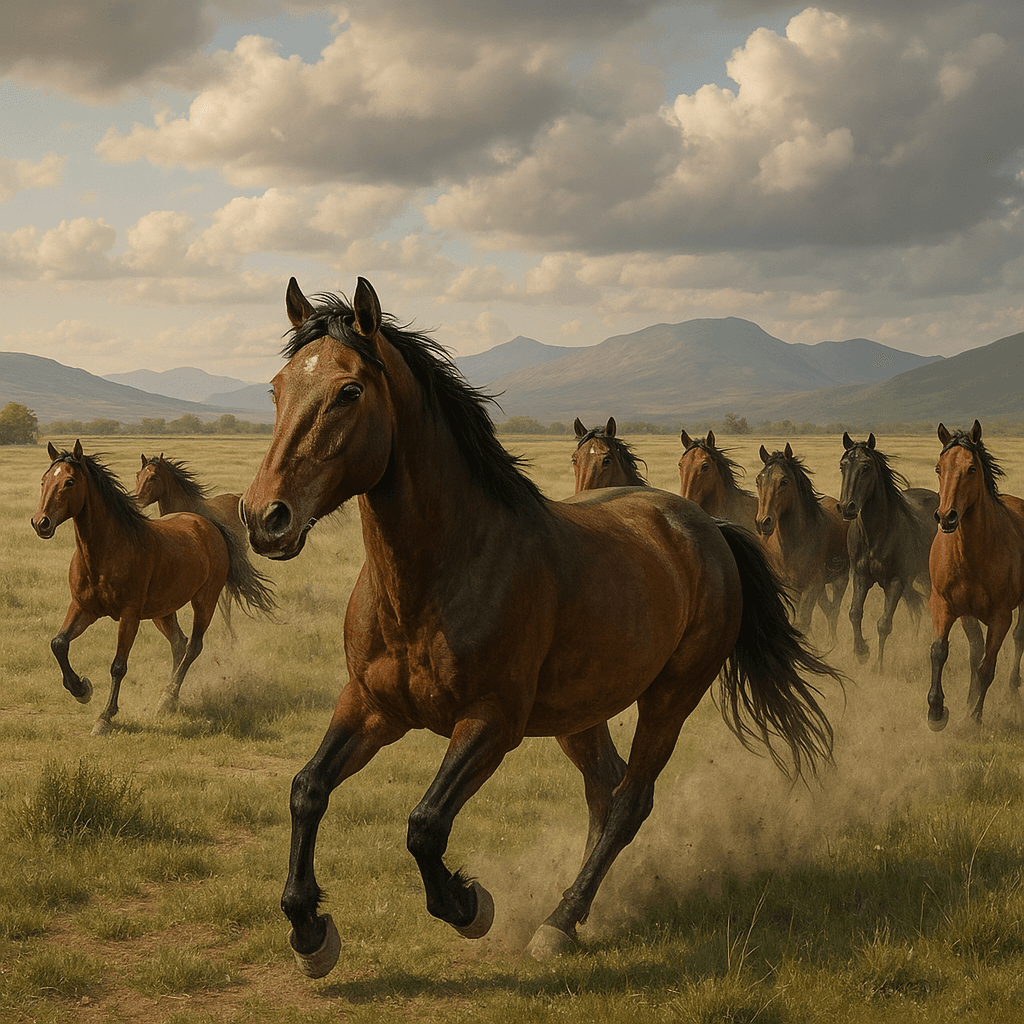
Yılkı Horses
Wild horses refer to populations of horses that have been released into the wild or live feral due to specific reasons, descending from domesticated at lineages but adapted to wild life. In Turkish culture and historical processes, wild horses have occupied a significant place in important, particularly in Anatolia regions where they have survived through natural selection as resilient animals. These horses have attracted attention throughout history from ancient times to the present day due to
EN
Feyza Afra Taşkın
Gemlik Horse
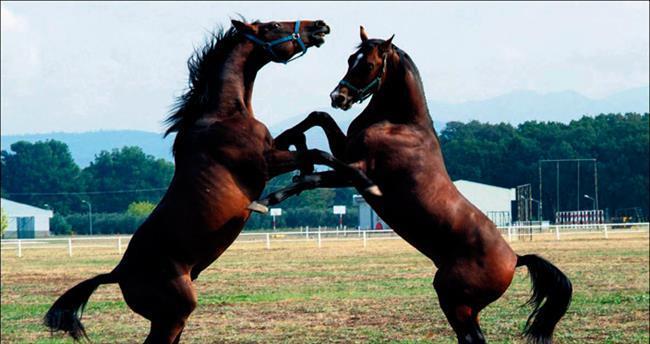
Gemlik Horse is a sturdy, medium-sized riding horse breed raised in the Gemlik district of Bursa Province, Türkiye. Adapted to the regional climate and geographical conditions, this breed holds a significant place in local animal husbandry and equestrian culture. The Gemlik Horse is a sturdy, medium-sized riding horse breed raised in the Gemlik district of Bursa Province, Türkiye, known for its ability to adapt to environmental conditions. Classification These horses are categorized into four gr
EN
Sabiha Meyra Şahinler
Rahvan Winemaking
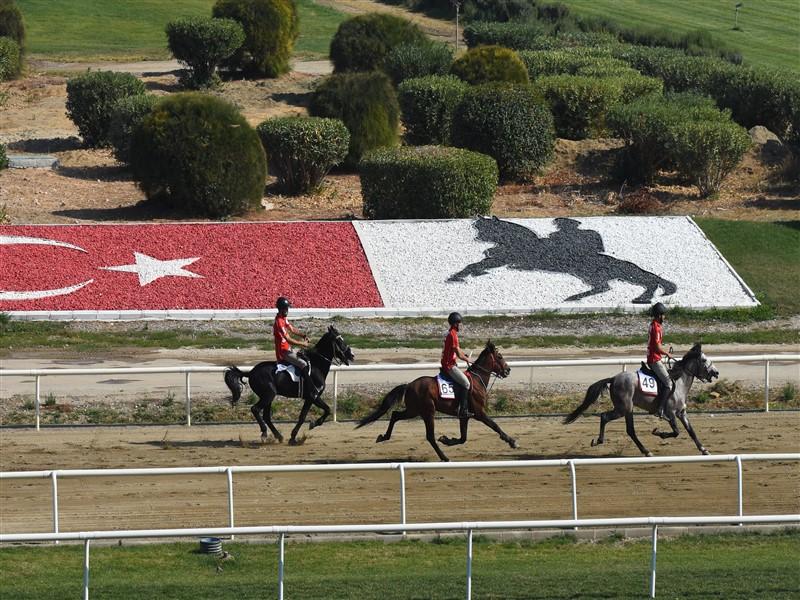
Rahvan riding is a traditional equestrian style based on the rahvan gait, a smooth and rhythmic movement in which the horse moves both legs on the same side simultaneously. This gait provides comfort to the rider and enables the horse to cover long distances with less energy expenditure. In Turkish culture, rahvan riding has persisted for centuries across Anatolia as a means of transportation, sport, and recreation. Characteristics of the Rahvan Gait The rahvan gait involves the simultaneous mov
EN
Zeynep Zeren İrat
Cirit
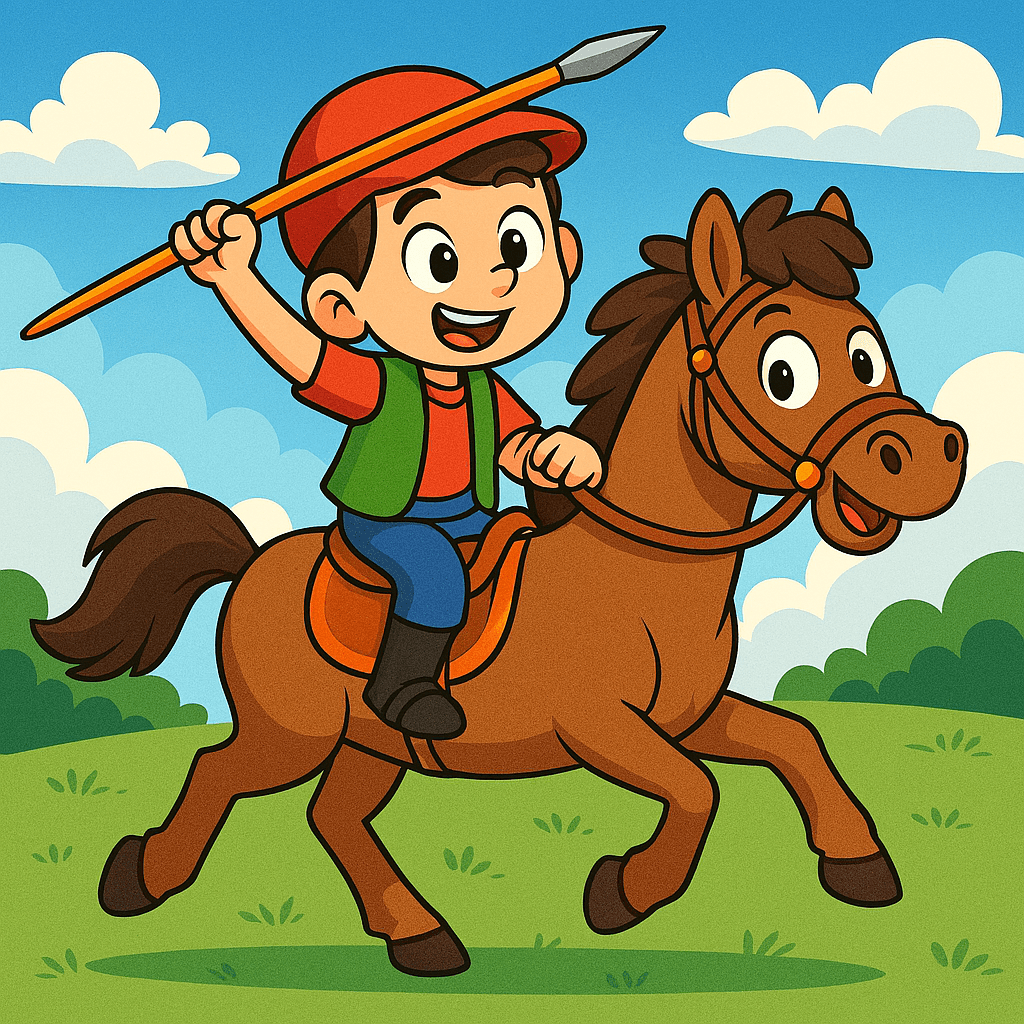
Cirit is a game played on horseback and has a history stretching from Central Asia to Anatolia. Its name derives from a wooden staff approximately 1.5 meters long, made of oak, which players use during the game. This staff is called a “cirit,” and the word means “palm tree with its outer shell removed” in Arabic. How Is Cirit Played? Cirit is typically played during the spring months between two teams of 10 to 15 players. Each player carries a cirit staff while mounted on horseback. The teams li
ENElif Laçin