


This article was automatically translated from the original Turkish version.
+1 More
Ephesus Slope Houses
Location | İzmir/Selçuk | ||||||||
|---|---|---|---|---|---|---|---|---|---|
Period | Roman Empire | ||||||||
History | Settlement in Rome Burial site in the Hellenistic period | ||||||||
Excavation Findings | Busts Medical instruments Toys Jewelry | ||||||||
Ephesus Hillside Houses
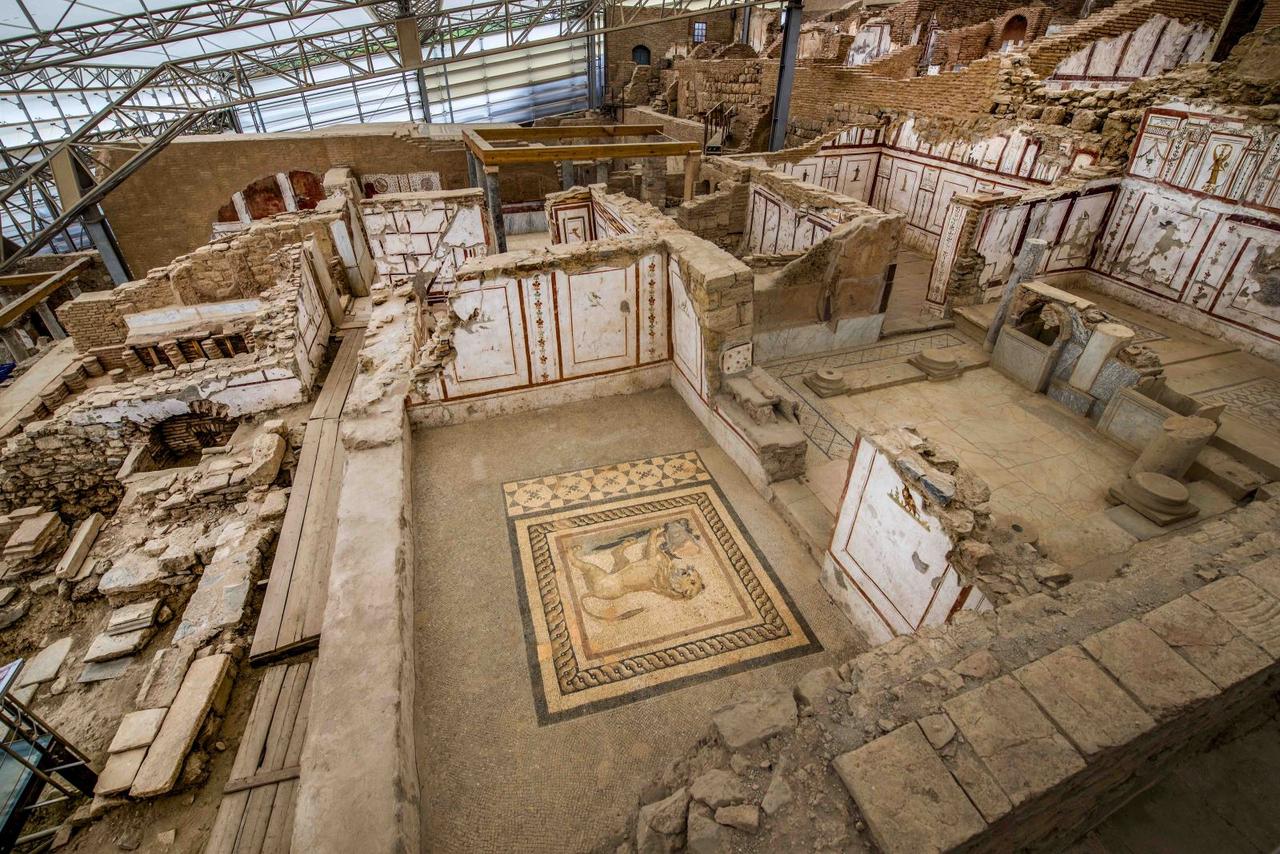
The Ephesus Ancient City Hillside Houses are located within the boundaries of the Selçuk district of İzmir. This settlement, built on terraces along the northern slope of Bülbül Dağı, consists of seven houses dating to the Roman Empire period. The area was originally used as a cemetery during the Hellenistic period but was converted into a residential zone by the Romans in the first century AD. The houses continued to be used with various modifications and additions until the city was abandoned.
Efes Yamaç Evler (Kültür Portalı)
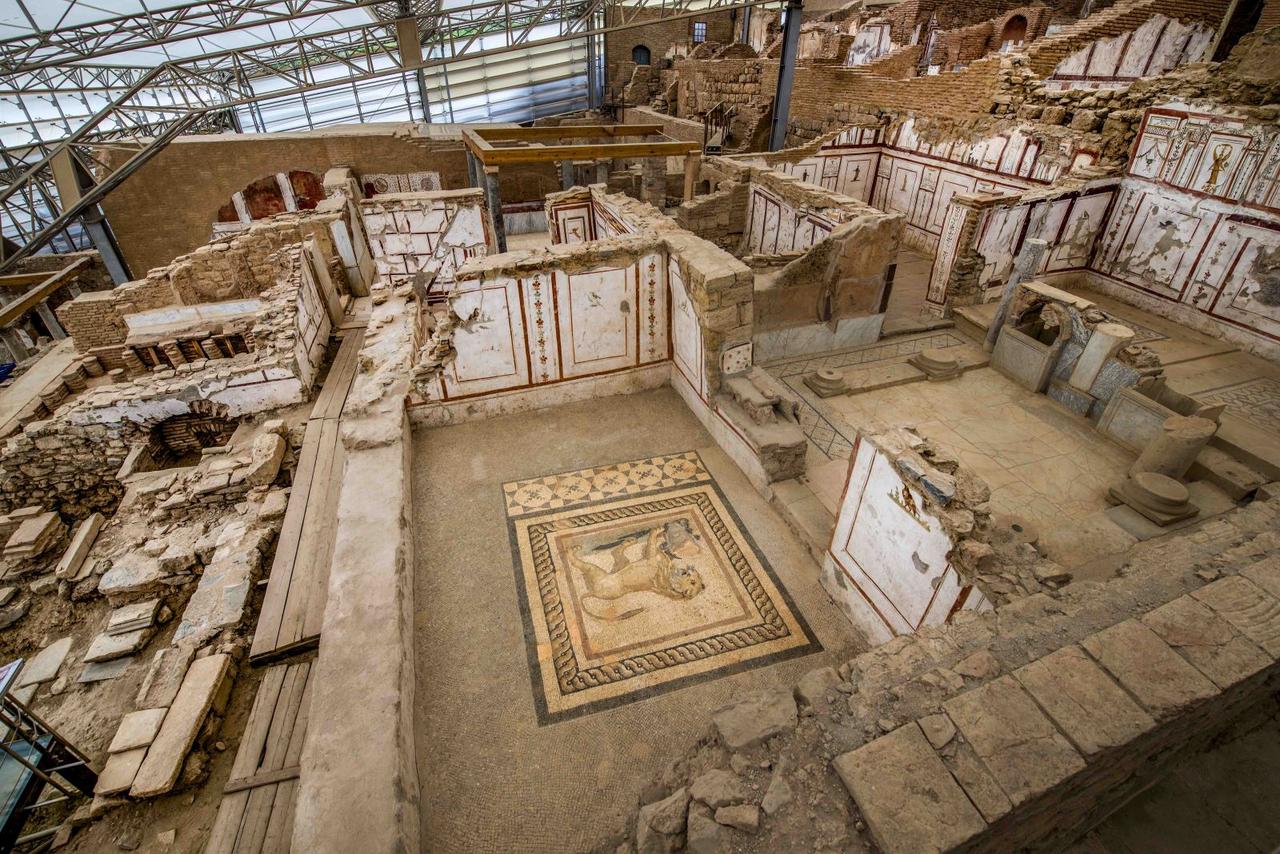
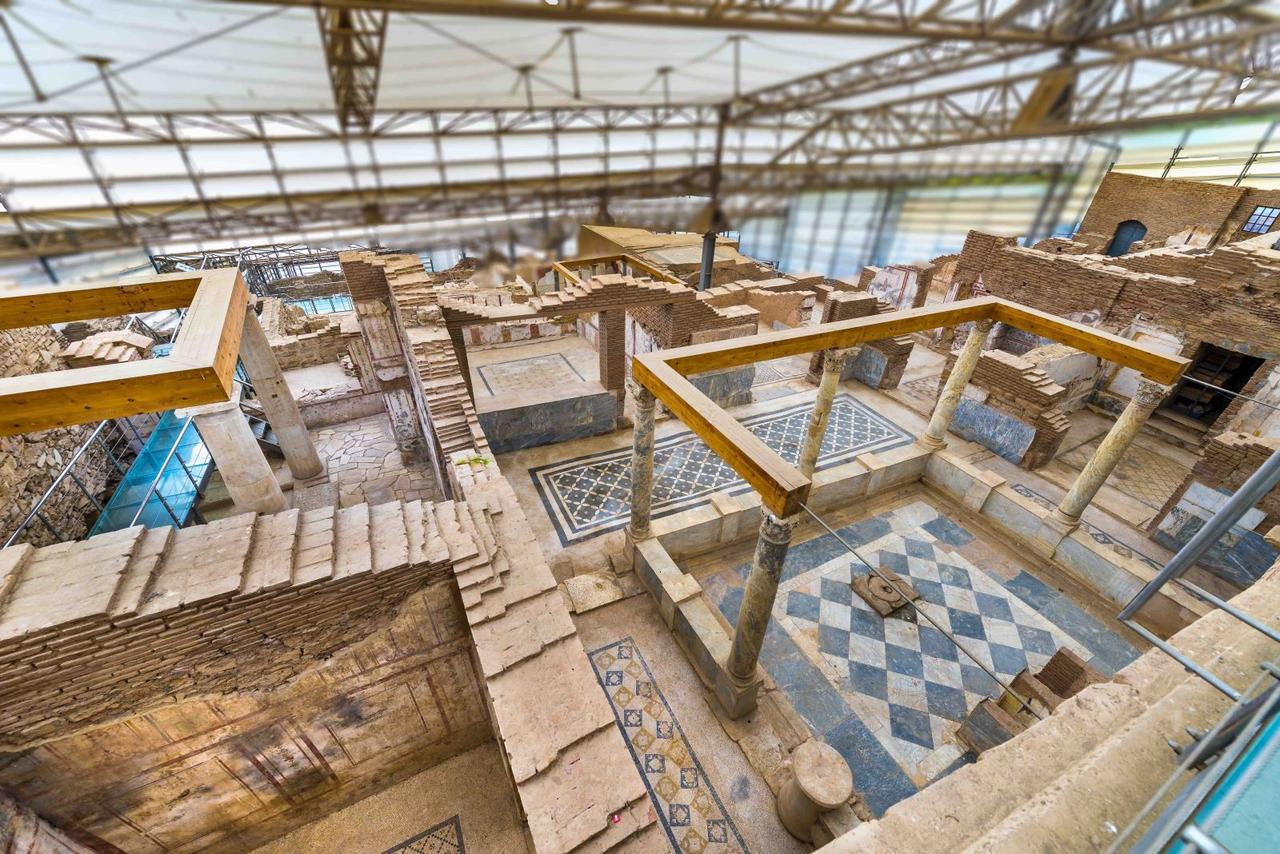
The Hillside Houses were constructed in accordance with the tradition of peristyle courtyard housing. Most houses are two or three stories high. Ground floors contained daily living areas such as sitting rooms kitchens and reception halls while upper floors served as bedrooms. Each house features fountains as a common element and also includes underfloor heating systems. This heating was provided by distributing hot water from a central hamam through a network of pipes to other parts of the house.
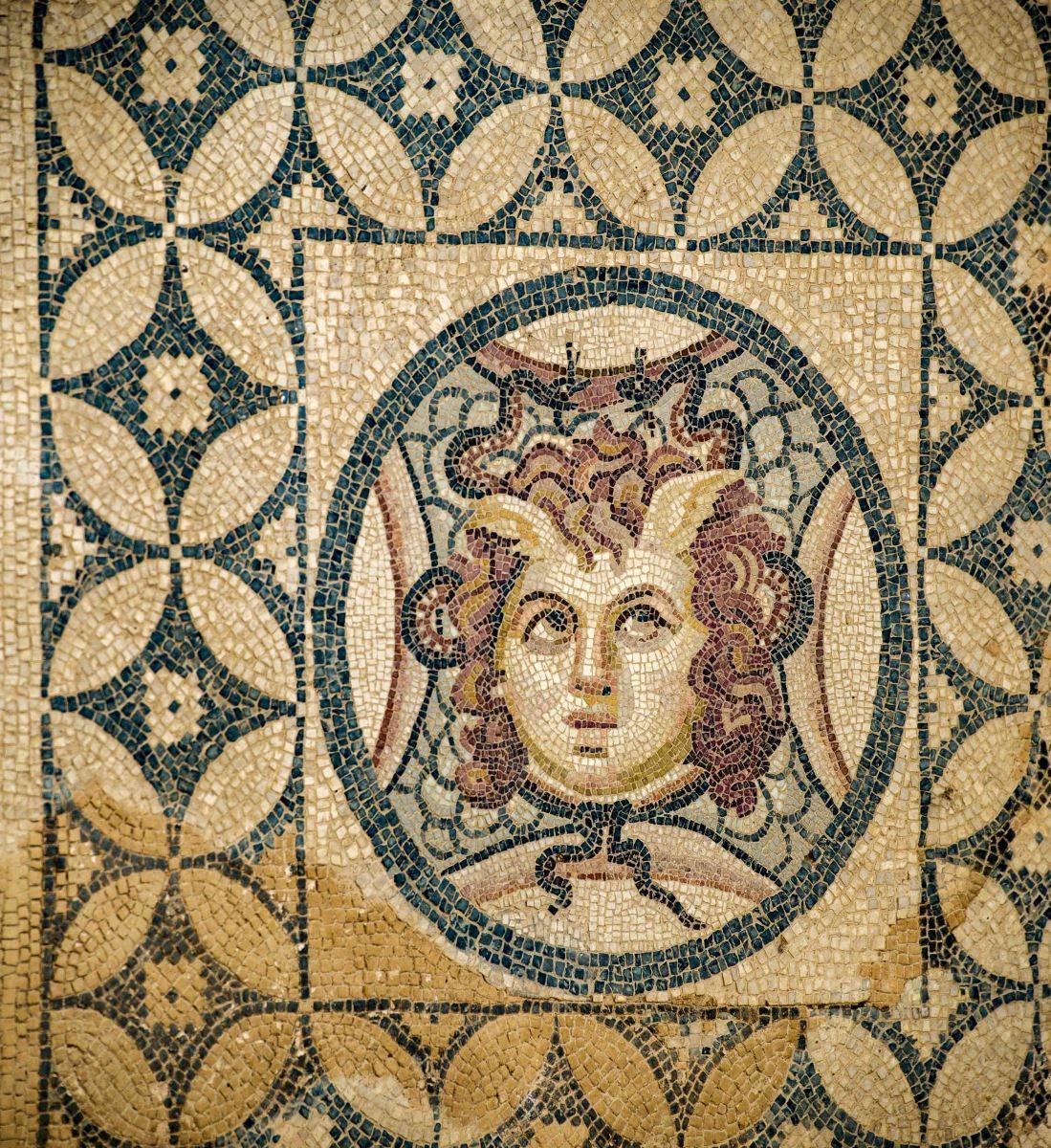
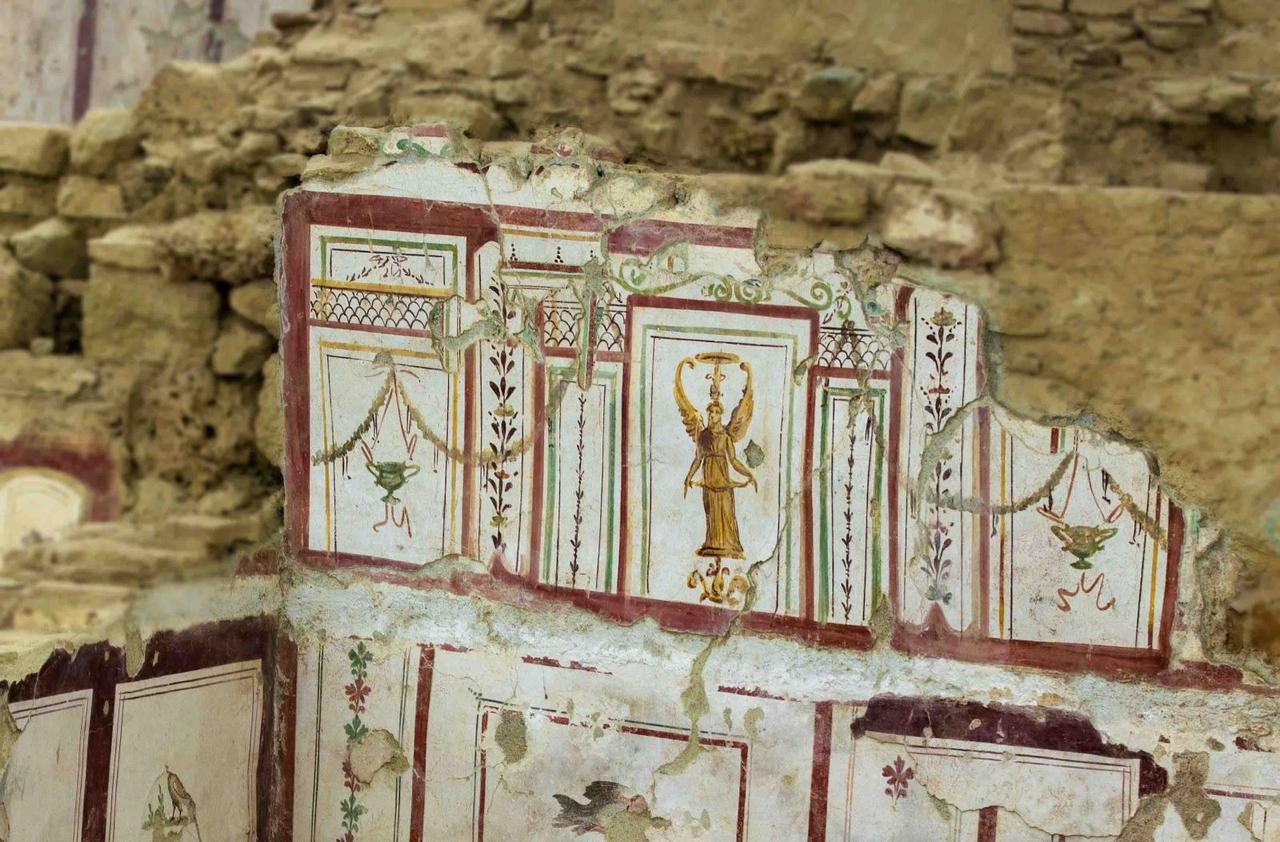
Walls were plastered both internally and externally and interior spaces were decorated with frescoes and marble cladding. Floors were covered with mosaics typically featuring black and white geometric patterns and mythological figures. Frescoes depict muses Erotes animal figures theatrical scenes and everyday life imagery.
Efes Yamaç Evler (Kültür Portalı)
The Hillside Houses were organized according to the Hippodamian urban plan system meaning they are arranged in a grid of parallel and perpendicular streets forming square or rectangular blocks. For example Hillside House 2 is defined as a large block covering approximately 4000 square meters. It contains six separate living units distributed across three terraces and is bordered by tabernae (shops).
Water supply was provided through wells canals and a complex multi-branched channel system. Houses feature marble-covered water wells and toilets. Living units are perforated and connected to the main sewer system.
Efes Yamaç Evler (Kültür Portalı)
Excavations at the Hillside Houses have uncovered numerous sculpted heads of emperors empresses and philosophers as well as decorative objects made of bronze marble terracotta ivory and glass. In addition various everyday and ornamental items have been recovered including jewelry toys medical and cosmetic tools household vessels perfume bottles and lamps.
Efes Yamaç Evler (Kültür Portalı)
The area shows settlement traces extending back to the Archaic period (7th–6th century BC). During the Hellenistic period the slope was terraced extensively but the structures were irregularly built. In the early Roman Imperial period (around AD 20) multi-story peristyle houses with rich decorative elements were constructed.
In the third century AD earthquakes rendered the city center uninhabitable and the houses suffered damage. During the Late Antiquity period the houses were repurposed as ruins to meet urgent needs and some architectural interventions were carried out in the fifth century AD. In the seventh century AD early Byzantine craft workshops including mills tanneries and potteries were established atop the Roman-era houses.
Culture Portal. "Efes Yamaç Evler - İzmir." T.C.Kültür Portalı Turizm Bakanlığı. Accessed May 25, 2025.https://www.kulturportali.gov.tr/turkiye/izmir/gezilecekyer/efes-yamac-evler.
T.C. Kültür ve Turizm Bakanlığı. "Efes Örenyeri-Yamaçevler." Muze.gov.tr. Accessed May 25, 2025.https://muze.gov.tr/muze-detay?SectionId=EFS02&DistId=EFS.
T.C. Selçuk Belediyesi. "Yamaçevler." Accessed May 25, 2025.https://www.selcuk.bel.tr/yamacevler.

Ephesus Slope Houses
Location | İzmir/Selçuk | ||||||||
|---|---|---|---|---|---|---|---|---|---|
Period | Roman Empire | ||||||||
History | Settlement in Rome Burial site in the Hellenistic period | ||||||||
Excavation Findings | Busts Medical instruments Toys Jewelry | ||||||||
No Discussion Added Yet
Start discussion for "Ephesus Slope Houses" article
Architectural Features
Layout and Infrastructure
Excavation Findings and Artifacts
Historical Development and Later Uses