


This article was automatically translated from the original Turkish version.
+2 More
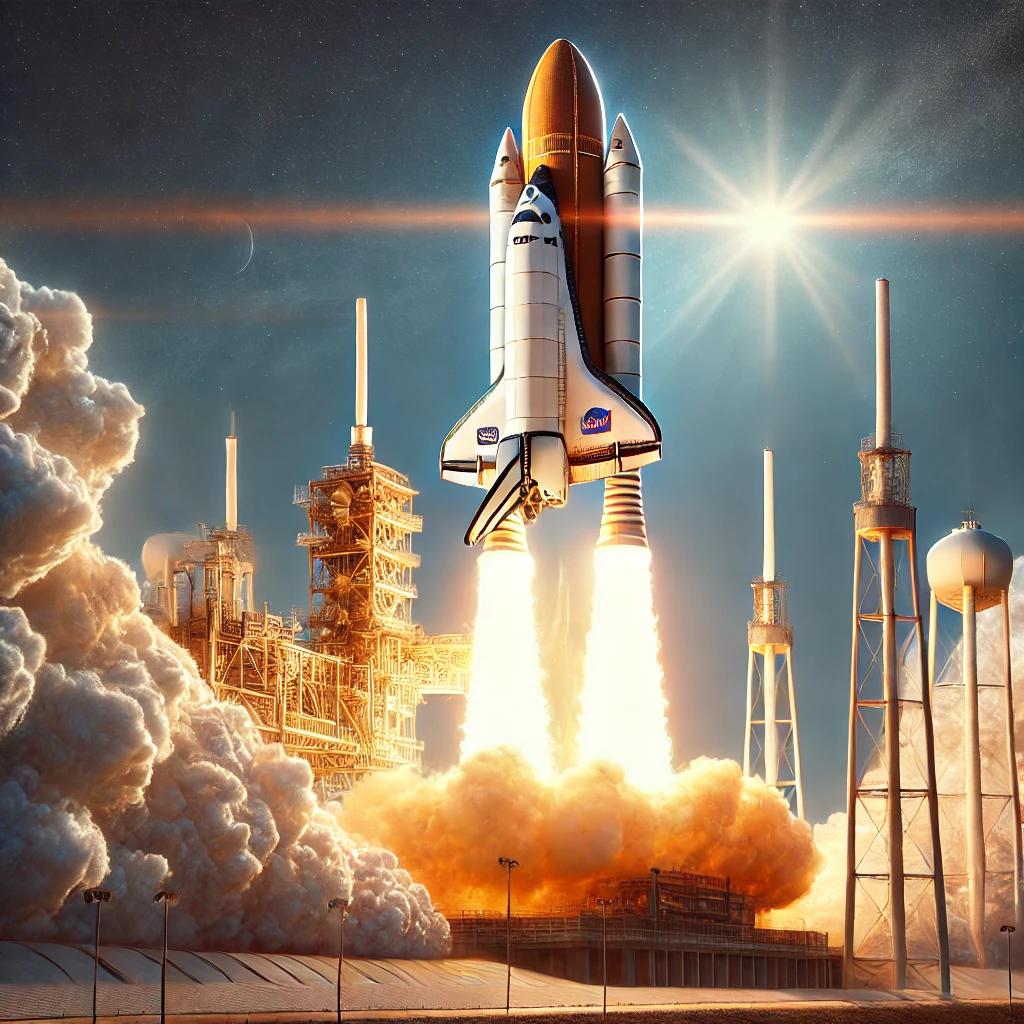
First Launch of the Endeavour Space Shuttle Generated by Artificial Intelligence
Maximum Crew Capacity | 7 people | ||||||||
|---|---|---|---|---|---|---|---|---|---|
Maximum Orbital Speed | 28,000 km/h | ||||||||
Launch Weight | 109,000 kg | ||||||||
Height | 17.3 metres | ||||||||
Wingspan | 23.8 metres | ||||||||
Length | 37.2 metres | ||||||||
Last Flight | 16 May 2011 | ||||||||
First Flight | 12 May 1992 | ||||||||
Official Name | Endeavour OV-105 | ||||||||
Project Owner | NASA | ||||||||
The Space Shuttle Program achieved major progress in human space exploration, with a series of spacecraft developed under NASA’s Space Shuttle Program. One of these spacecraft was the Endeavour Space Shuttle. Endeavour, which completed its first flight in 1991, contributed significantly to space research and was used in various scientific missions.
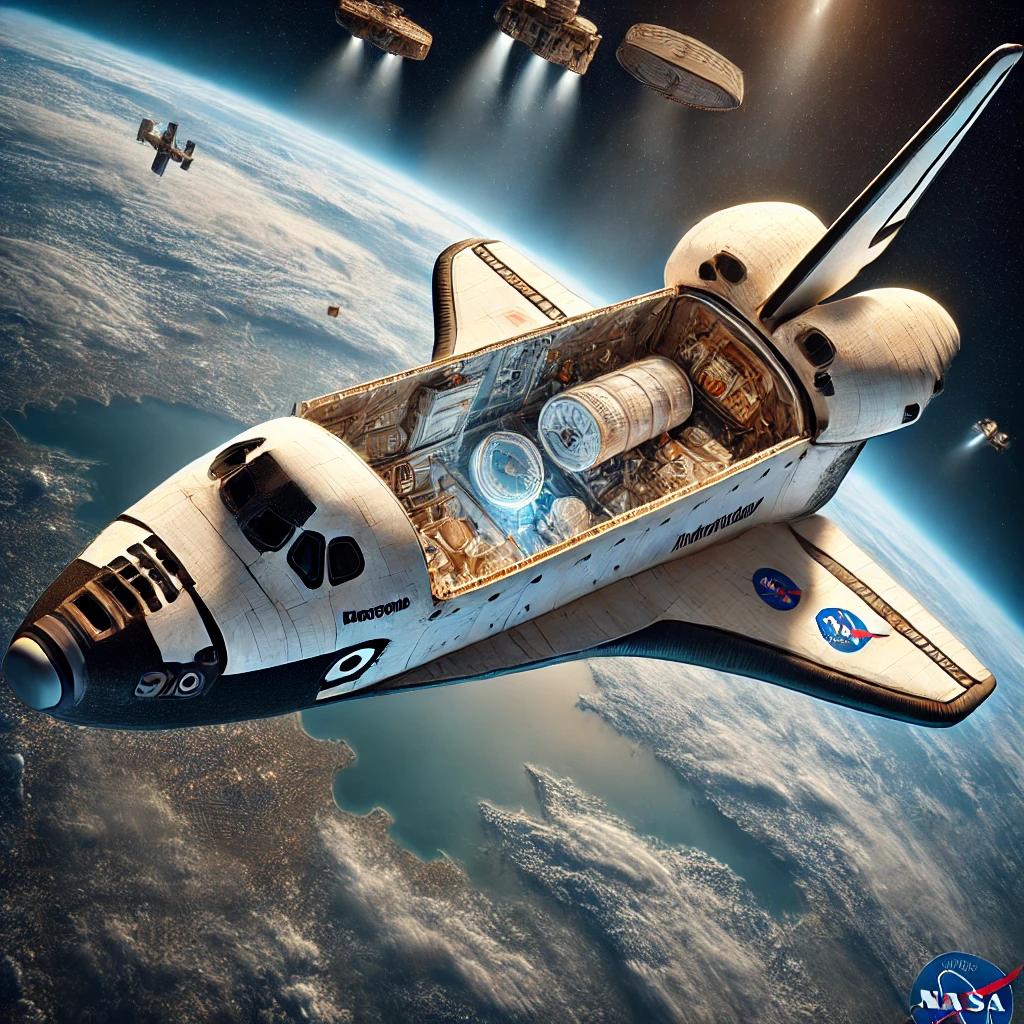
Artificial Intelligence Generated Endeavour Space Shuttle Space Mission.
Endeavour (OV-105) was built in response to the need for a new space shuttle following the Challenger disaster in 1986. Construction began in 1987 and was completed in 1991, with its first flight taking place on 7 May 1992. Named after the HMS Endeavour, the ship used by the renowned 18th-century explorer James Cook, Endeavour was the fifth and final shuttle to serve under NASA’s Space Shuttle Program.
Endeavour was developed based on experience gained from Columbia and Challenger, featuring a lighter and more efficient design. Its technical specifications can be summarized as follows:
Endeavour also played critical roles in scientific research and international collaboration. It made significant contributions to the following missions:
Endeavour completed its final flight on 26 November 2011 and was retired following the conclusion of NASA’s Space Shuttle Program. Today, it is on display at the California Science Center in Los Angeles, California, continuing its mission to introduce the public to the history and significance of space exploration.
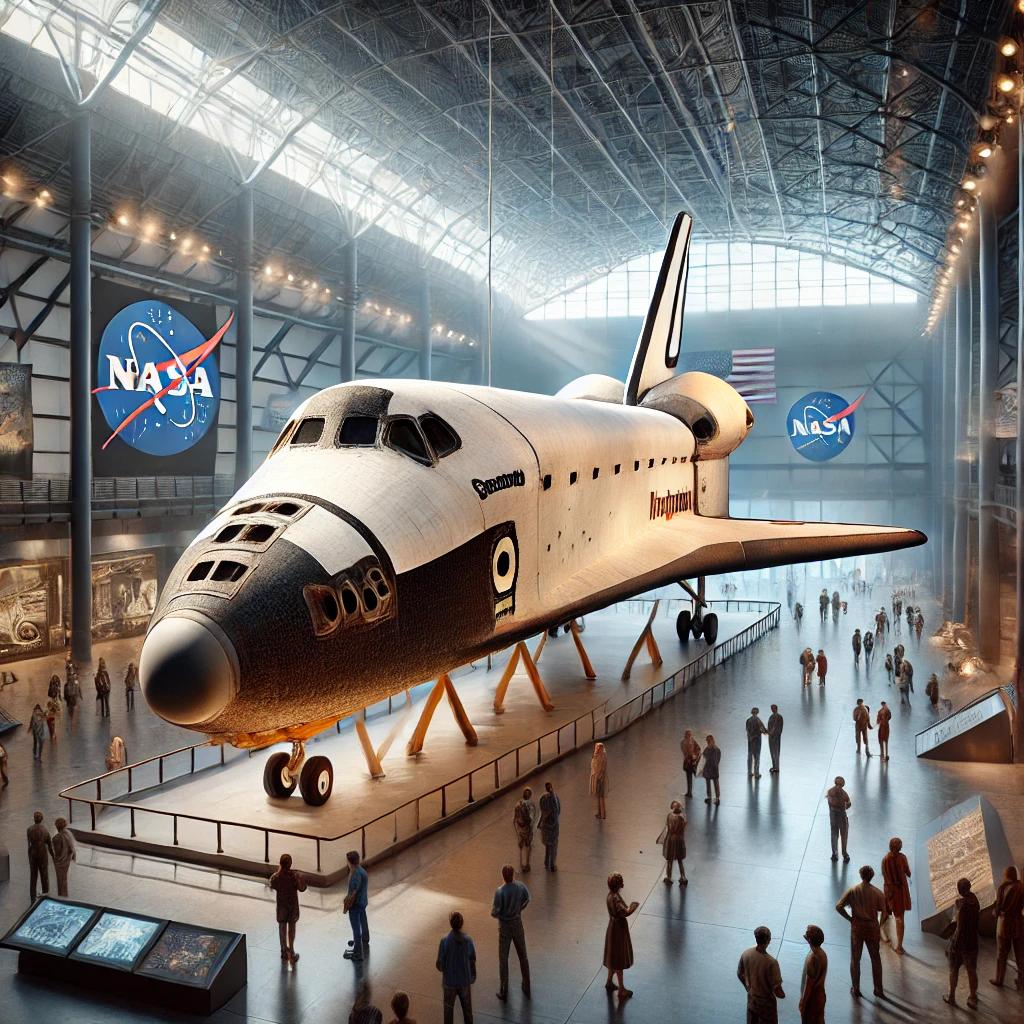
Artificial Intelligence Generated Endeavour Space Shuttle Retirement.
The Endeavour space shuttle played a pivotal role in modern space research, advanced scientific discovery, and contributed to the development of human spaceflight. Serving in missions ranging from the Hubble Telescope repair to the construction of the International Space Station, it remains one of the most important components of NASA’s space exploration vision.
California Bilim Center. *Endeavour Uzay Shuttle Exhibit.* 2021.https://californiasciencecenter.org/exhibits/endeavour-experience/space-shuttle-endeavour
Jenkins, Dennis R. *Uzay Mekiği: Ulusal Uzay Taşımacılığı Sisteminin Tarihi.*https://archive.org/details/spaceshuttlehist0000jenk_f6n1.
NASA. *ISS Herkes for Everyone.* 2015.https://www.nasa.gov/international-space-station/space-station-research-and-teknoloji/benefits-for-humanity/
NASA. *Shuttle Mission Archives.* 2012. httpshttps://www.nasa.gov/space-shuttle/.
Petersen, Carolyn Collins and John C. Brandt. Hubble Vision: Astronomy with the Hubble Space Telescope. Cambridge: Cambridge University Press, 1995.

First Launch of the Endeavour Space Shuttle Generated by Artificial Intelligence
Maximum Crew Capacity | 7 people | ||||||||
|---|---|---|---|---|---|---|---|---|---|
Maximum Orbital Speed | 28,000 km/h | ||||||||
Launch Weight | 109,000 kg | ||||||||
Height | 17.3 metres | ||||||||
Wingspan | 23.8 metres | ||||||||
Length | 37.2 metres | ||||||||
Last Flight | 16 May 2011 | ||||||||
First Flight | 12 May 1992 | ||||||||
Official Name | Endeavour OV-105 | ||||||||
Project Owner | NASA | ||||||||
No Discussion Added Yet
Start discussion for "Endeavour Space Shuttle" article
History of the Endeavour Space Shuttle
Technical Specifications and Structural Design
Scientific Missions and Contributions
Final Flight and Retirement